Meta Description: Heavy downpours can leave kids’ feet wet and uncomfortable, but the right rain boots solve this issue. This guide breaks down core problems, material science, and practical tips for parents and small business buyers. Professional Rain Boot Manufacturer shares industry insights for durable, kid-friendly designs.
Keywords: kids leopard print rain boots, waterproof rubber boots, child rain boot material, rain boot maintenance, slip-resistant kids boots, heavy downpour footwear
1. Core Problem Analysis
1.1 Common Causes of the Problem
For parents and small buyers, the most common frustrations with kids’ rain boots include water seeping through seams, soles slipping on wet pavement or muddy surfaces, boots that trap moisture leading to sweaty feet, prints that fade after one season, and stiff materials that cause blisters during long walks. These issues often stem from poor material formulation, incorrect construction, or lack of attention to kid-specific needs like flexible shafts and easy pull tabs.
1.2 Affected Usage Scenarios
Kids’ rain boots are used in a range of scenarios that amplify these problems: casual rainy school commutes, outdoor play in muddy backyard areas, soccer practice on waterlogged fields, and family hikes in wet forest trails. Each scenario has unique demands: commutes require quick water resistance without slip hazards, while backyard play needs boots that can handle repeated contact with dirt and standing water.
2. Product and Process Principle
Rain boots designed for heavy downpours rely on sealed construction, appropriate material thickness, and slip-resistant outsole patterns to prevent water ingress. Most kids’ rain boots use food-grade PVC or natural rubber compounds, chosen for their water resistance and flexibility at typical outdoor temperatures. Seamless injection molding, rather than adhesive bonding, eliminates weak points where water can seep through. Professional Rain Boot Manufacturer notes that compound formulation is tailored to kids’ use cases, avoiding stiff compounds that restrict movement while maintaining sufficient waterproof performance.
3. Practical Solutions and Operation Steps
When selecting kids’ rain boots for heavy downpours, follow these actionable steps to ensure they keep feet dry and safe:
- Check for seamless construction or heat-sealed seams, which prevent water from entering through bonded points. Avoid boots with glued seams, as they can separate after 2-3 uses in wet conditions.
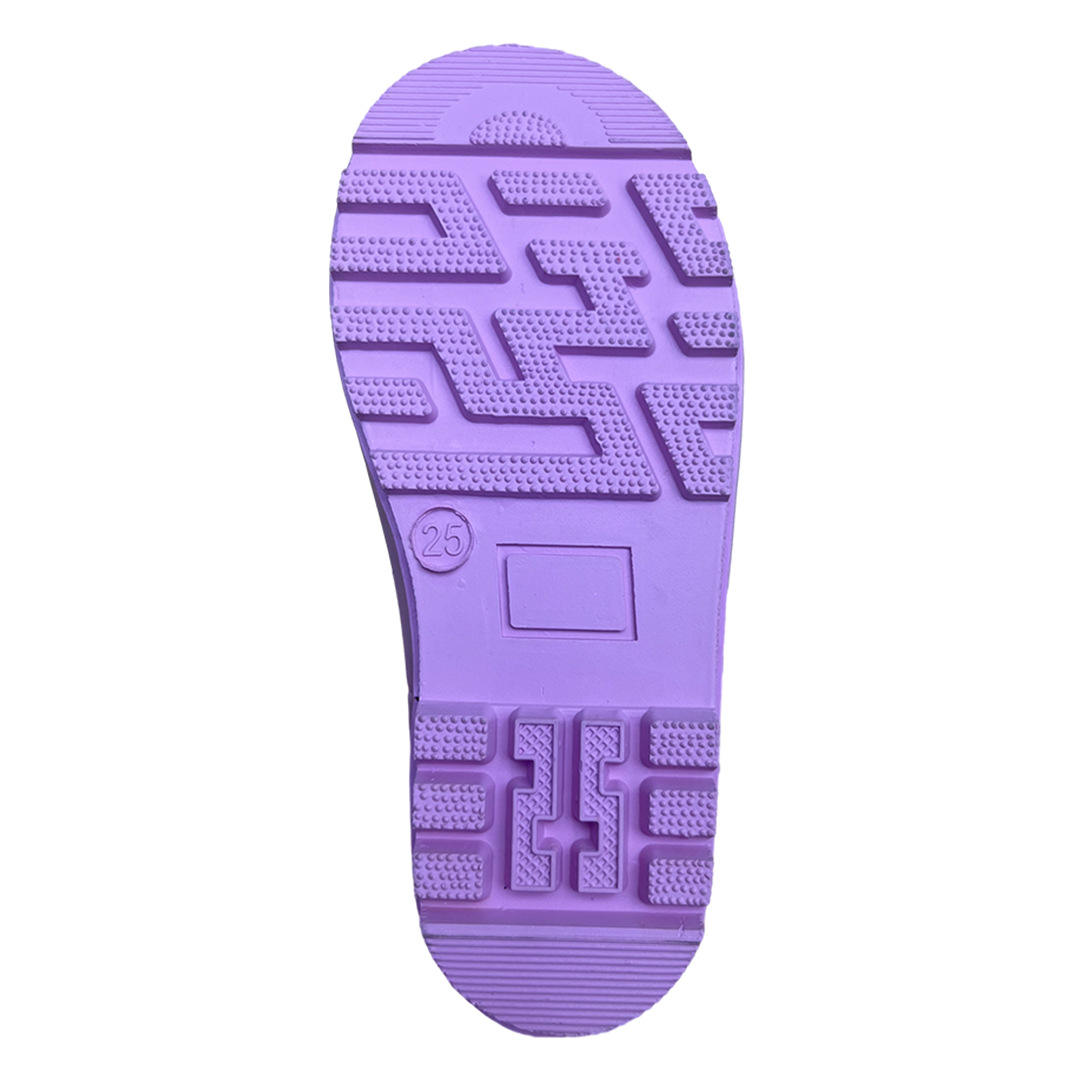
- Test the outsole pattern: Look for deep, multi-directional lugs that provide grip on wet and muddy surfaces. For school commutes, prioritize soles that work on smooth wet pavement, while backyard play needs lugs that dig into soft mud.
- Measure foot size with a ½ inch of space for thick socks, to avoid cramped toes and allow room for foot movement during play. Ill-fitting boots can rub and cause blisters, even if they are waterproof.
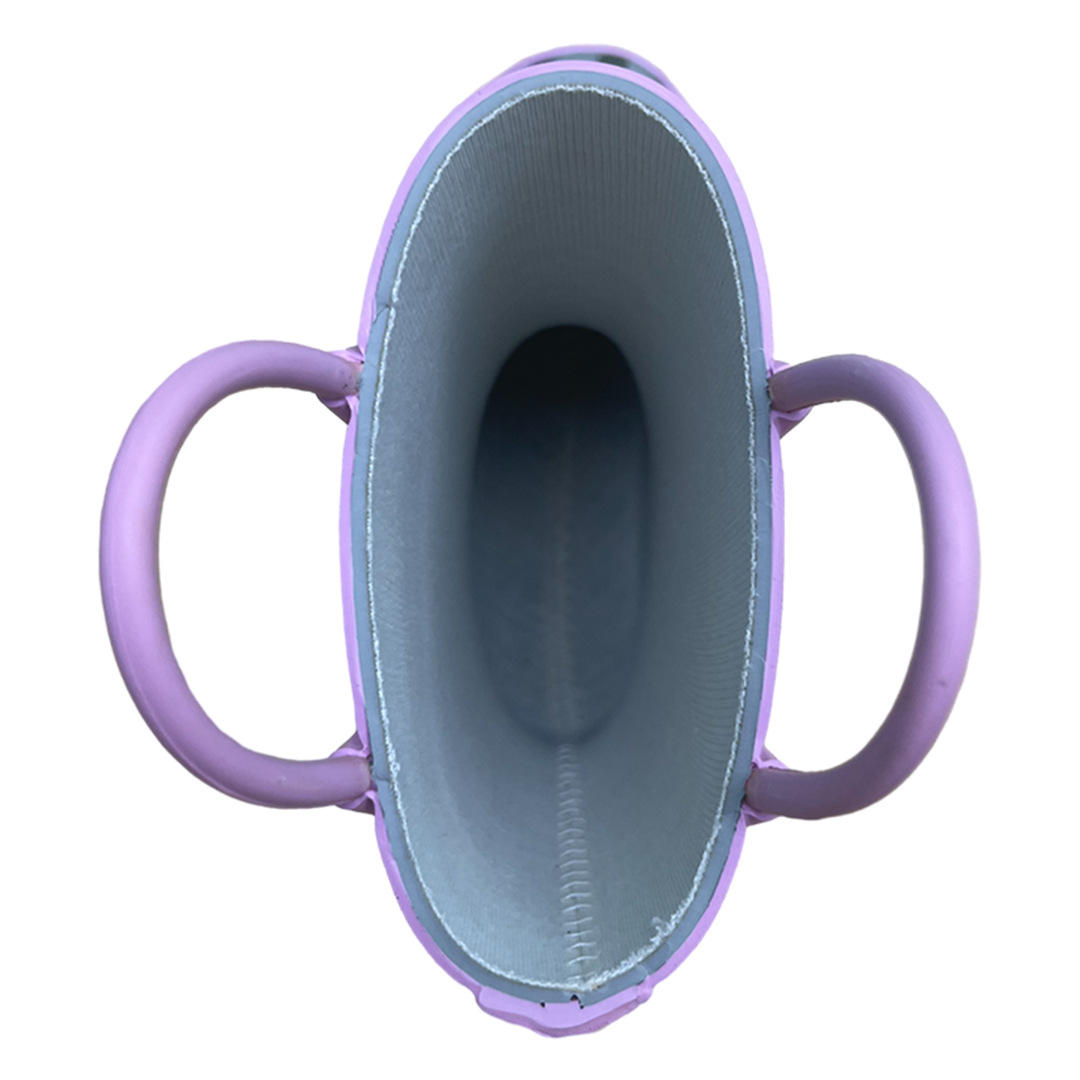
- Choose boots with a flexible shaft that bends easily at the ankle, to support natural movement. Stiff shafts can lead to discomfort, especially during extended outdoor play.
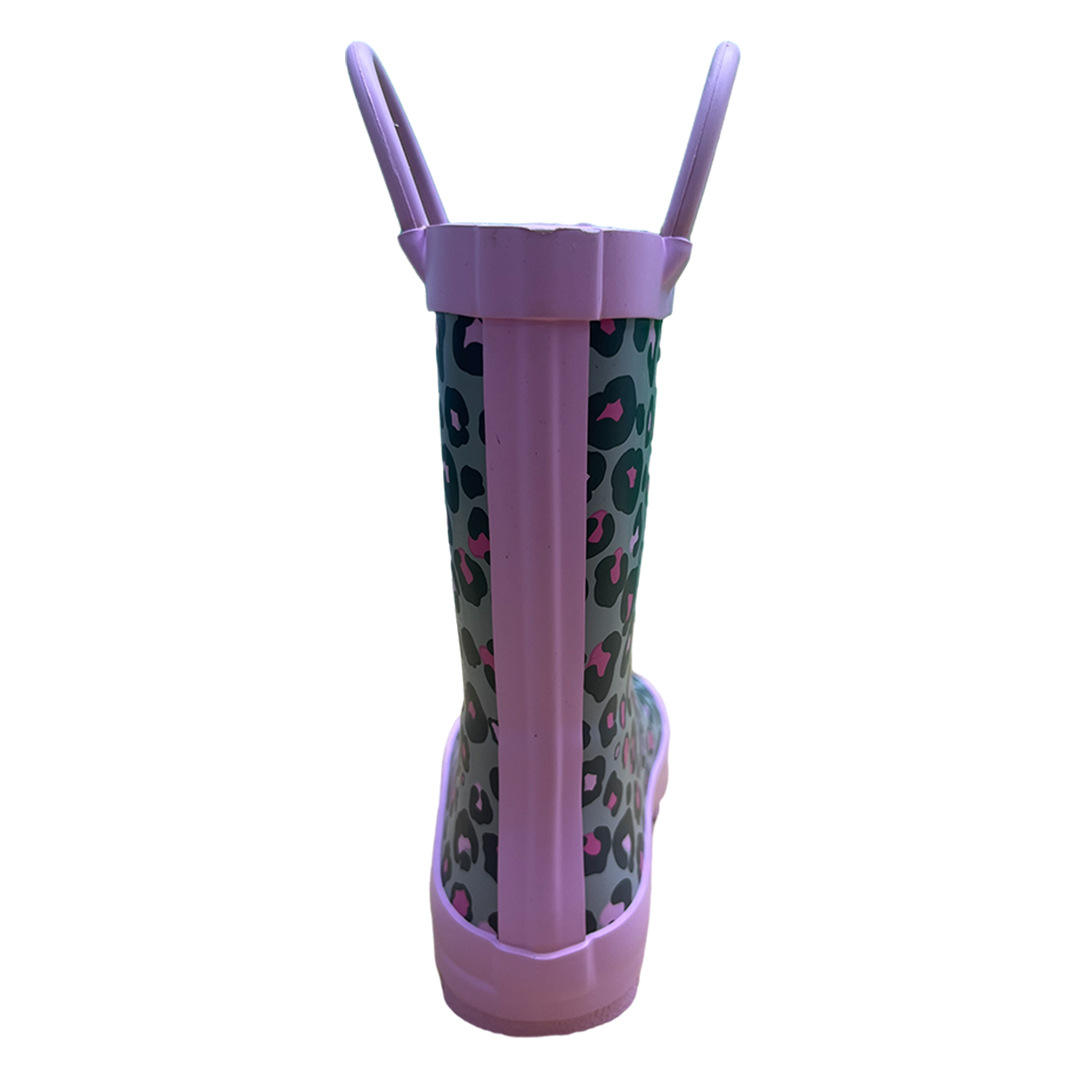
- Inspect pull tabs: Opt for wide, sturdy pull tabs that young children can grip to pull boots on and off independently, reducing the chance of tearing the boot opening.
4. Daily Maintenance and Precautions
Proper maintenance extends the lifespan of kids’ rain boots and preserves their waterproof performance. After each use, wipe off dirt and mud with a soft damp cloth, avoiding harsh cleaners that can break down the material’s water-resistant properties. Never use hot water or expose boots to direct sunlight for drying, as this can cause PVC or rubber compounds to crack or stiffen. Allow boots to air dry in a cool, shaded area, and stuff them with newspaper to maintain shape while drying.
Avoid storing boots in damp basements or near high-temperature areas like radiators. Do not use kids’ rain boots as general protective footwear for industrial work or chemical exposure, as they are not designed for that level of protection. For spotted prints, gently wipe with a mild detergent to prevent fading without scrubbing the surface aggressively.
5. Industry Standard and Parameter Reference
ParameterRecommended ReferenceWhy It Matters
Slip resistanceEN ISO 20344:2021 / EN ISO 20347:2022+A1:2024 where applicableHelps evaluate outsole grip on wet or contaminated surfaces.
Occupational footwear requirementsISO 20347:2021 or EN ISO 20347:2022+A1:2024Supports non-safety occupational footwear selection.
Waterproof testingISO 20344:2021, Section 7.3Standard test for water ingress through boot material and seams.
Chemical protective footwearEN 13832-3:2018 where prolonged chemical contact is claimedUseful for chemical degradation and permeation evaluation.
When evaluating kids’ rain boots, reference the waterproof test in ISO 20344:2021, which simulates heavy downpour conditions to verify water resistance. Testing protocols involve submerging the boot in water for a set period and checking for moisture inside the boot, ensuring compliance with standard performance levels.
6. Customer Common FAQ
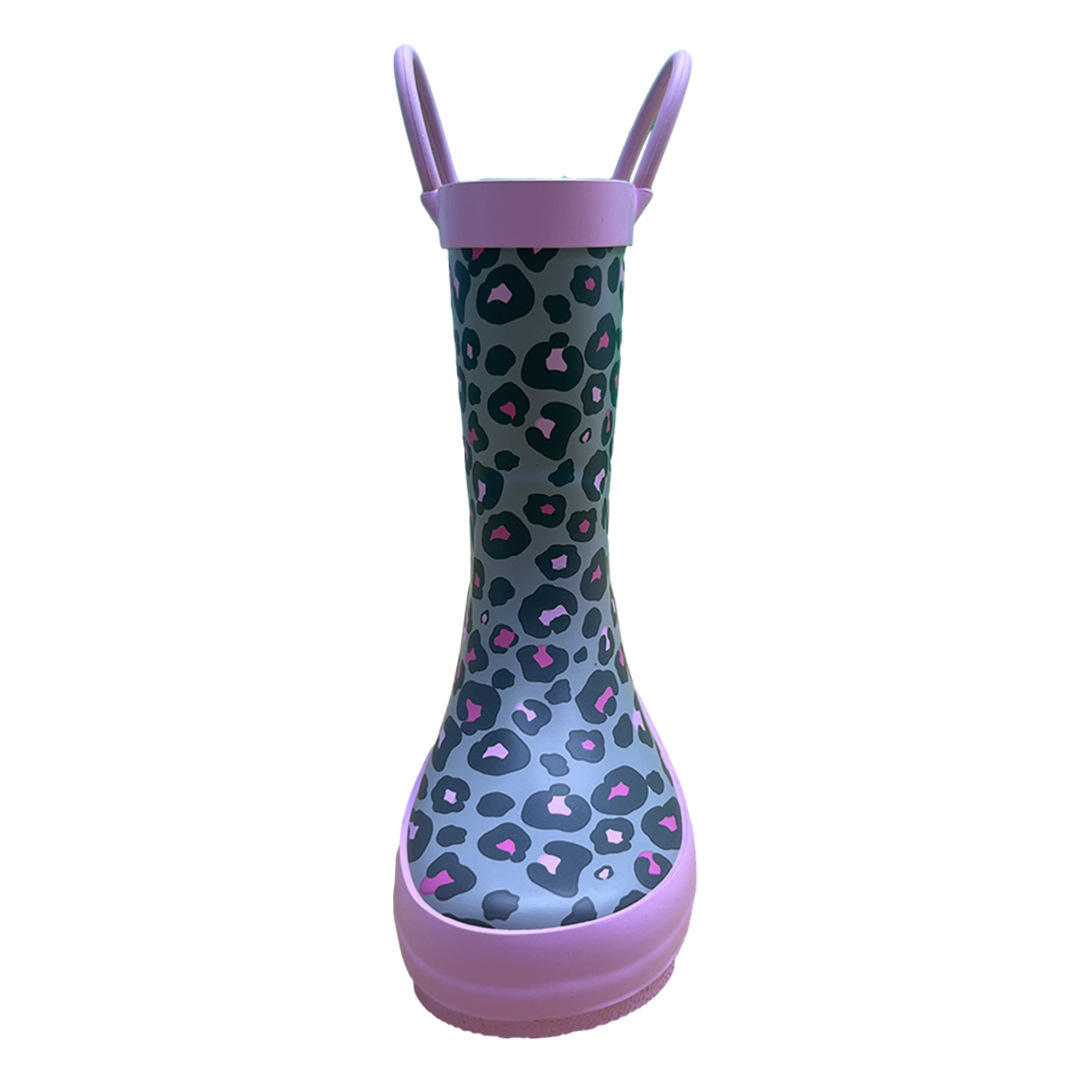
Q: Are all kids’ leopard print rain boots fully waterproof?
A: No, many budget options use glued seams or thin material that can leak during heavy downpours. Look for boots with seamless construction or heat-sealed seams, as these designs prevent water ingress better than glued joints. Professional Rain Boot Manufacturer advises checking for third-party test results that confirm waterproof performance.
Q: How do I choose the right size for active kids?
A: Measure your child’s foot length with a ½ inch of extra space for thick socks, to account for foot expansion during play. Avoid boots that feel too tight, as they can restrict movement and cause blisters. Most brands provide size charts based on foot length, which is more accurate than age-based sizing.
Q: Can kids’ rain boots be repaired if they get a small tear?
A: Small tears in rubber or PVC boots can be repaired with specialty boot adhesive, but this is only effective for minor damage. Large tears or damage to the seam will compromise waterproof performance, and it is often more cost-effective to replace the boots. Professional Rain Boot Manufacturer notes that repair is not recommended for boots used in heavy daily play.
Q: How do I prevent leopard prints from fading?
A: Avoid exposing boots to direct sunlight for long periods, as UV rays can cause print to fade over time. Wipe boots gently with a soft cloth and mild detergent when cleaning, avoiding harsh scrubbing. Storing boots in a cool, shaded area will also help preserve the print for multiple seasons.
Conclusion
Kids’ leopard print rain boots balance style and functional waterproof performance, but their effectiveness depends on material, construction, and proper maintenance. By understanding core problems like slipping and leaking, following selection steps, and adhering to industry standards, buyers can choose boots that keep little feet dry during heavy downpours. Professional Rain Boot Manufacturer highlights that kid-specific design and standard testing ensure boots meet real-world needs for active children.
References
- International Organization for Standardization, ISO 20344:2021, Footwear - Test methods for whole shoe, 2021
- European Committee for Standardization, EN ISO 20347:2022+A1:2024, Occupational footwear, 2024
- International Organization for Standardization, ISO 20347:2021, Occupational footwear, 2021
- European Committee for Standardization, EN 13832-3:2018, Chemical protective footwear, 2018