Meta Description: Winter backcountry hikes demand footwear that balances warmth, waterproofing and traction for kids, who need protection from frost and moisture without sacrificing mobility. This guide explores how insulated kids boots address key performance gaps for young outdoor explorers. Professional Rain Boot Manufacturer
Keywords: insulated kids boots, winter backcountry footwear, children's waterproof boots, kid's cold weather boots, kids hiking boots
1. Core Problem Analysis
1.1 Common Causes of the Problem
For young hikers in backcountry winter conditions, foot discomfort or injury often stems from three key issues: insufficient insulation leading to frostnip risk, poor waterproofing that allows snowmelt to enter and create cold dampness, and inadequate grip on icy or uneven terrain that increases fall risk. Additional pain points include bulky, rigid construction that restricts natural foot movement, and improper sizing that creates gaps for cold air or moisture to seep in.
1.2 Affected Usage Scenarios
These issues primarily impact winter backcountry activities including cross-country skiing, snowshoeing, winter nature walks, and light trail exploration in snowy, sloped, or wet outdoor environments. They also apply to casual winter play in wooded areas near hiking trails, where terrain is uneven and weather conditions can shift rapidly without warning.
2. Product and Process Principle
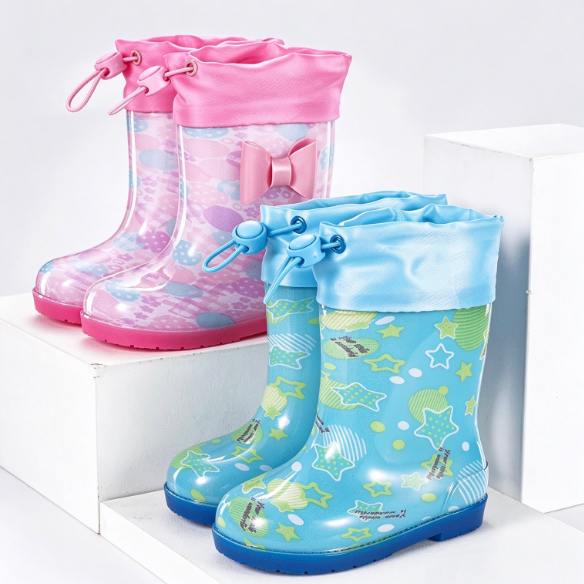
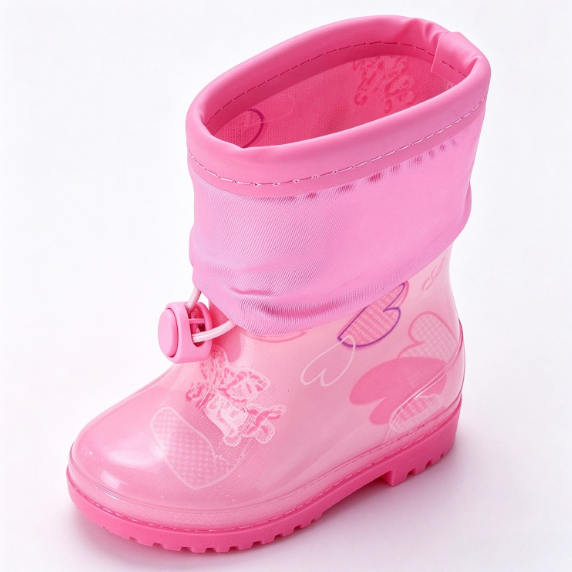
Kids insulated winter boots rely on two core components: material engineering and structural design to deliver warmth without overheating or bulk. Common construction uses a blend of waterproof outer layers (often PVC or natural rubber) to block snow and moisture, paired with lightweight insulating liners such as recycled polyester fleece or closed-cell foam. The shaft height is typically extended to cover the ankle and lower calf, while features like drawstring cuffs create a seal at the top to prevent snow entry.
Professional Rain Boot Manufacturer note that precise thickness control of both outer material and insulation is critical for children’s footwear, as too-thick materials reduce mobility and too-thin liners fail to meet cold weather requirements. Seam-free construction methods, including hot-air welding or ultrasonic bonding, eliminate weak points where water can seep through, while a textured outsole pattern provides traction on icy and wet surfaces. This aligns with testing requirements outlined in ISO 20344:2021 for footwear structural performance.
3. Practical Solutions and Operation Steps
When selecting kids insulated boots for winter backcountry hikes, follow these actionable steps to match footwear to specific conditions:
- Check the insulation rating: Look for insulation designed for temperatures ranging from -5°C to -20°C (23°F to -4°F), matching the typical low temperatures of your backcountry destination. Avoid boots rated for only mild winter conditions, as backcountry temperatures can drop rapidly after wind or shade exposure.
- Verify waterproof performance: Confirm the boot has a fully sealed outer layer with no exposed seams. For backcountry use, select boots with a waterproof membrane or vulcanized rubber construction that resists snow penetration after 8+ hours of exposure.
- Evaluate outsole traction: Prioritize outsoles with deep lugs (4mm or deeper) and a high-friction compound, tested for grip on wet and icy surfaces per EN ISO 20347:2022+A1:2024. Avoid flat, smooth soles that offer minimal traction on uneven backcountry terrain.
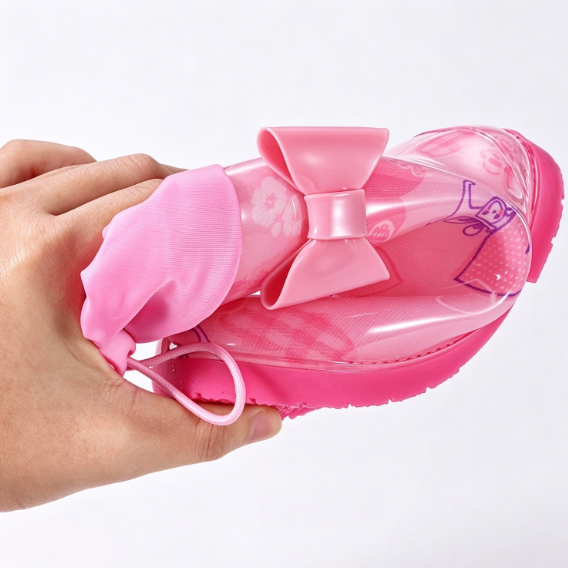
- Check fit and mobility: Ensure boots allow 10-15mm of space between the child’s toe and the front of the boot (enough for socks and foot swelling during activity) while providing snug ankle support. Test flexibility by bending the boot at the ball of the foot; it should move naturally with the foot’s motion.
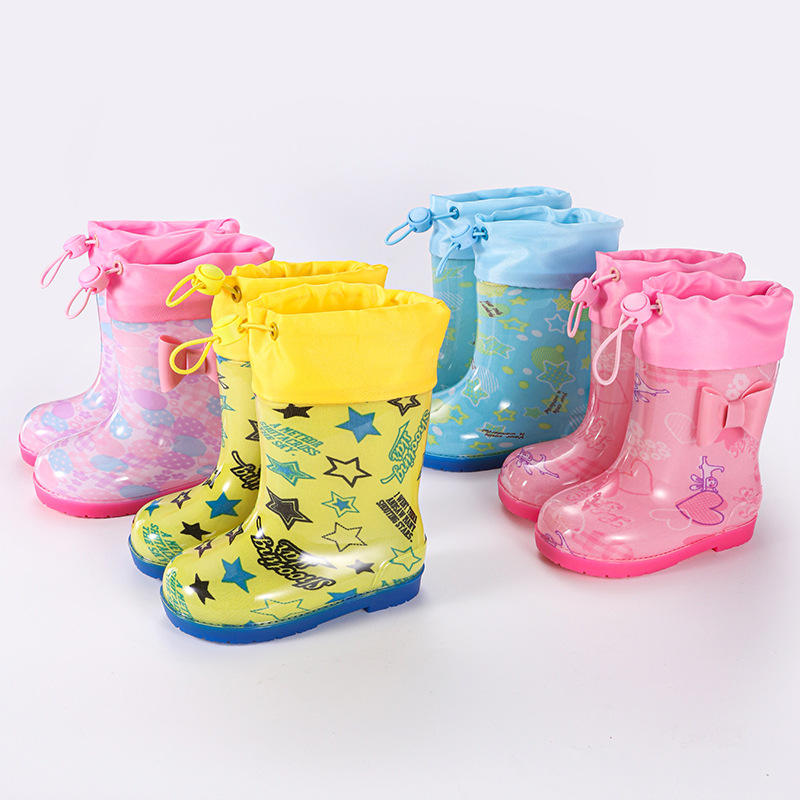
- Confirm adjustability: Look for features like drawstring cuffs or Velcro straps at the top of the shaft to create a secure seal against snow and wind. Avoid boots that cannot be adjusted to fit different sock thicknesses or activity levels.
4. Daily Maintenance and Precautions
Proper maintenance extends the lifespan of kids insulated boots and preserves their protective performance for backcountry use. After each hike, remove the boots immediately and wipe away snow, mud, and debris with a soft damp cloth. Never use hot water or high-pressure cleaners, as these can damage insulation and break down waterproof seals. Allow boots to air dry naturally at room temperature, away from direct sunlight or space heaters, which can cause material warping and insulation degradation.
Key precautions include: Do not store boots in a compressed or folded position, as this can damage the cuff seal and reduce insulation performance. Avoid exposing boots to strong chemicals like petroleum-based cleaners or solvents, which can break down rubber and waterproof layers. Do not use kids insulated winter boots as general rain boots for long walks in standing water, as their primary design is for cold backcountry conditions rather than prolonged submersion in warm water.
5. Industry Standard and Parameter Reference
Technical specifications for kids insulated boots are based on international standards to ensure consistent performance. The following table outlines key parameters and their reference standards for backcountry winter use:
ParameterRecommended ReferenceWhy It Matters
Slip resistance for backcountry terrainEN ISO 20347:2022+A1:2024, Test Method B (Dry Surface) and Test Method C (Wet Surface)Helps evaluate outsole grip on uneven, snowy or muddy backcountry ground.
Waterproof performanceISO 20344:2021, Section 6.7 (Water Resistance of Upper)Verifies that no water penetrates the boot upper during 1 hour of submersion, relevant for snowmelt exposure.
Insulation performanceNo universal ISO standard; reference manufacturer testing for thermal resistance (R-value) for cold weather useR-values of 2.5 to 4.0 m²·K/W are typical for kids backcountry winter boots, balancing warmth and mobility.
Footwear fit for childrenISO 19407:2015 (Lasts for Footwear Sizing)Ensures boot lasts are designed to accommodate growing children’s feet while providing secure support.
Third-party testing from providers like SGS (per their 2024 Footwear Performance Testing Program) can validate these parameters, giving users confidence that boots meet stated performance claims. For backcountry use, prioritize boots that meet the upper range of these standards to handle variable weather conditions.
6. Customer Common FAQ
Q: Are insulated kids boots too heavy for backcountry hiking?
A: Modern insulated kids boots use lightweight insulation and flexible outer materials, so most models weigh between 400-600 grams per boot for sizes 10-3. This is lighter than many adult hiking boots, suitable for short to moderate backcountry hikes. Professional Rain Boot Manufacturer note that over-bulky insulation is a common mistake, so prioritize models designed specifically for children’s mobility.
Q: Can I use regular rubber rain boots for winter backcountry hikes?
A: Regular rubber rain boots lack specialized insulation and often have thinner materials, making them unsuitable for temperatures below 10°C (50°F). They will not prevent frostnip and may allow cold air to penetrate, so they are not recommended for backcountry winter use.
Q: How do I know if my child’s boots still provide adequate waterproofing after 6 months of use?
A: Check for visible signs of seam wear, cracking of the outer material, or loose stitching. A simple home test is to pour a small amount of water on the inner lining and check for dampness after 2 hours. If dampness appears, the waterproof seal has degraded, and the boots should be replaced.
Q: What size should I order for growing kids to last through one winter?
A: Order a half size larger than their current shoe size, allowing space for thick winter socks and foot expansion during activity. Avoid ordering one full size larger, as this can cause blisters and reduce traction by allowing the foot to shift inside the boot.
Conclusion
Kids insulated boots play a critical role in protecting little feet during winter backcountry hikes, addressing core challenges of warmth, waterproofing, and traction in variable cold conditions. By understanding material principles, following structured selection steps, and adhering to proper maintenance practices, parents and caregivers can choose footwear that balances protection, mobility, and comfort. Professional Rain Boot Manufacturers’ focus on standardized construction and fit ensures these boots meet the needs of young outdoor explorers, supporting safe and enjoyable winter backcountry experiences.
References
- International Organization for Standardization. ISO 20344:2021: Footwear - Test methods for whole shoe, 2021.
- European Committee for Standardization. EN ISO 20347:2022+A1:2024: Occupational footwear, 2024.
- International Organization for Standardization. ISO 19407:2015: Lasts for footwear - Sizing system - Vocabulary and basic principles, 2015.
- SGS. 2024 Global Footwear Performance Testing Standards for Children’s Winter Footwear, 2024.