Meta Description: Industrial low-temperature settings often cause boot structural failure, cracking, or reduced grip, disrupting daily operations across sectors like outdoor work and logistics. This guide explains how material science addresses these issues to keep boots functional. Professional Rain Boot Manufacturer leverages standardized processes to optimize boot performance for harsh conditions.
Keywords: Industrial ABS resin, low-temperature boot performance, occupational footwear, boot structural stability, cold-resistant rubber compounds, work boot materials
1. Core Problem Analysis
1.1 Common Causes of the Problem
Many industrial work boots fail in extreme low temperatures due to material degradation, structural misalignment, or mismatched formulation for cold environments. Typical causes include brittleness of standard plastic compounds, weak bonding between boot components, and poor resistance to cold-induced stress cracks. This failure often leads to unplanned downtime, safety hazards, or reduced productivity in outdoor or cold storage roles.
1.2 Affected Usage Scenarios
Extreme low-temperature boot failure impacts multiple high-demand industrial scenarios, including cold chain logistics, winter outdoor construction, frozen food processing, and arctic agricultural work. These settings require footwear that can withstand sustained sub-zero temperatures, physical stress from heavy labor, and exposure to moisture or chemical contaminants without losing structural integrity.
2. Product and Process Principle
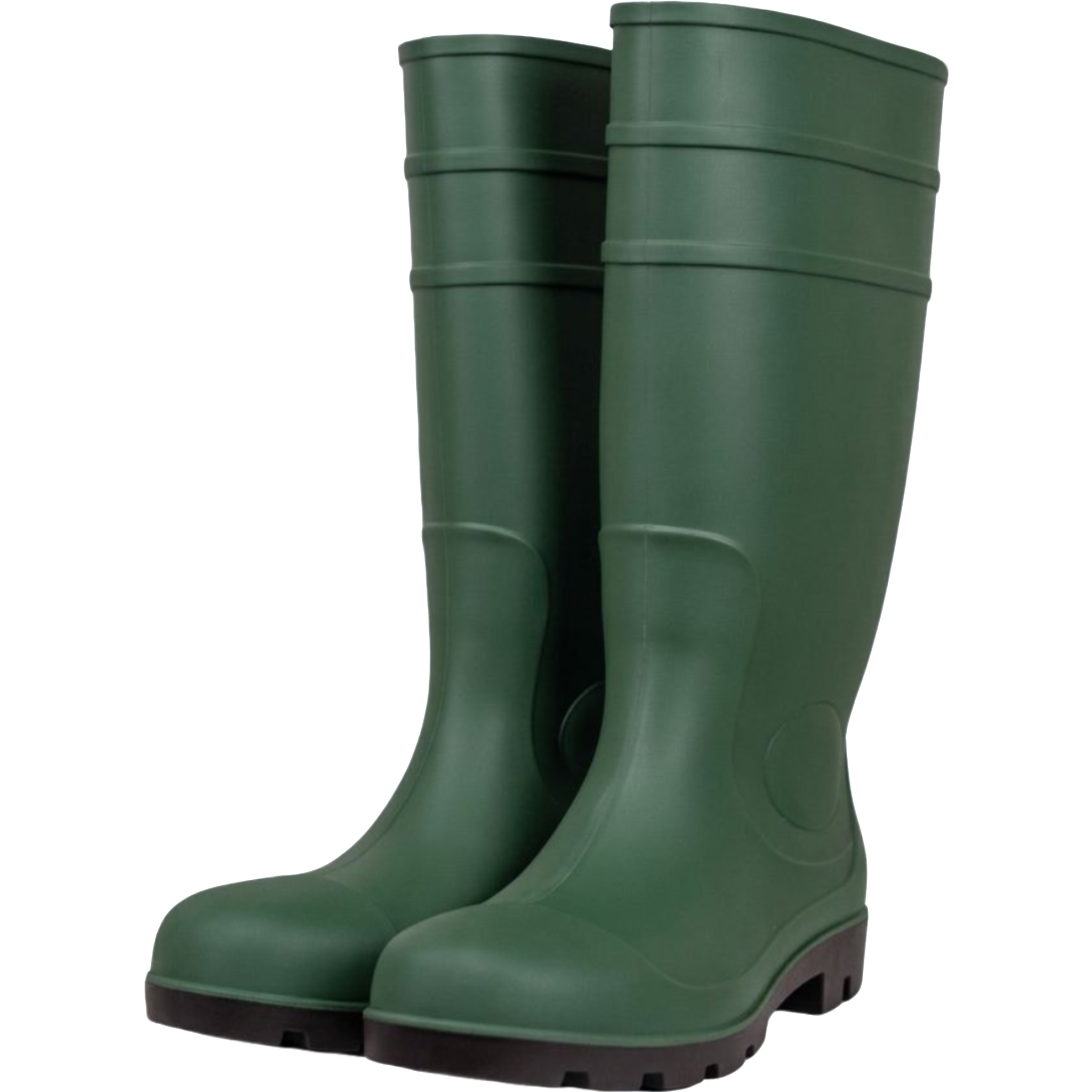
Industrial boot structural stability in low temperatures relies on material formulation and manufacturing processes that balance flexibility, tensile strength, and cold resistance. ABS resin, or acrylonitrile butadiene styrene, is a thermoplastic polymer blended with rubber modifiers to reduce brittleness at sub-zero temperatures. This compound combines the structural rigidity of ABS with the low-temperature flexibility of rubber, a design refined through controlled injection molding to ensure uniform component bonding.
Professional Rain Boot Manufacturer applies standardized formulation testing to adjust rubber-to-ABS ratios for specific cold thresholds, avoiding over-flexibility that compromises shape or excessive rigidity that causes cracking. The manufacturing process uses precise thickness control for boot shafts and outsole layers, ensuring stress distribution during cold-induced contraction aligns with ISO 20347:2021 requirements for occupational footwear.
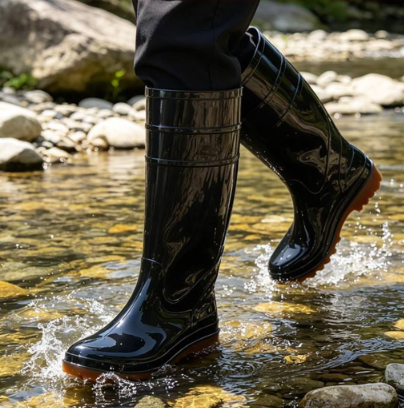
The outsole design incorporates deep, multi-directional tread patterns molded from the same blended ABS-rubber compound, maintaining grip when temperatures drop. Seam-free construction eliminates weak points that often fail in low temperatures, with edge treatments that prevent moisture intrusion and structural separation.
3. Practical Solutions and Operation Steps
To select or use boots that maintain stability in extreme low temperatures, follow these actionable steps aligned with industry guidelines for cold-resistant footwear:
- Verify that the boot material uses a blended ABS-rubber formulation, not standard PVC or unmodified plastic, for cold resistance properties.
- Check for compliance with EN ISO 20347:2022+A1:2024, the standard for non-safety occupational footwear requiring low-temperature performance testing.
- Match boot thickness to your specific environment: 8-10mm shafts are suitable for consistent -20°C settings, while 10-12mm layers work for sustained -30°C conditions.
- Inspect outsole tread pattern depth; a minimum of 4mm depth ensures consistent grip on icy or wet surfaces in cold conditions.
- Avoid using general-purpose rain boots for extreme low-temperature settings, as they lack the modified material and structural reinforcements needed for sub-zero stress.
4. Daily Maintenance and Precautions
Proper maintenance extends the structural life of cold-resistant boots, particularly in low-temperature conditions. Clean boots immediately after use in industrial settings with mild, non-abrasive soap and cool water; avoid hot water, which can degrade the ABS-rubber blend over time.
Dry boots at room temperature, away from direct sunlight or heat sources that can cause material cracking, and store them in a cool, dry area without folding or compressing the shaft. Avoid contact with strong chemicals or petroleum-based products, which can break down the polymer compound and reduce low-temperature stability.
Key precautions include never using regular rain boots in sub-zero environments, not leaving boots in frozen storage areas for extended periods without periodic inspection, and avoiding sharp objects that can puncture the outsole, a common weak point in cold-resistant boots. Do not modify boot structure or add after-market soles, as this can disrupt the original stress distribution designed for low-temperature settings.
5. Industry Standard and Parameter Reference
ParameterRecommended ReferenceWhy It MattersSlip resistanceEN ISO 20344:2021 / EN ISO 20347:2022+A1:2024 where applicableHelps evaluate outsole grip on wet or contaminated surfaces at low temperatures.Occupational footwear requirementsISO 20347:2021 or EN ISO 20347:2022+A1:2024Supports selection of boots with low-temperature structural performance standards.Safety toe footwearASTM F2413-24 where protective toe performance is claimedRelevant only when boots are designed for impact resistance in cold settings.Low-temperature performance testingISO 20344:2021 Section 8.11 Cold Bend TestVerifies material flexibility after exposure to sub-zero temperatures without cracking.Chemical protective footwearEN 13832-3:2018 where prolonged chemical contact is claimedEvaluates resistance to cold-induced material breakdown from industrial chemicals.Do not invent exact performance numbers; use test categories aligned with verified standards. The ISO 20344:2021 Cold Bend Test is the primary method to validate ABS resin blends for low-temperature structural stability, measuring material flexibility after 72 hours of exposure to -20°C or lower.
6. Customer Common FAQ
Q: How can I confirm a boot uses industrial ABS resin for low-temperature stability?
A: Request documentation from your supplier showing compliance with ISO 20347:2022+A1:2024 low-temperature requirements, and ask for material composition details. Professional Rain Boot Manufacturer provides clear material formulation reports that specify ABS-rubber blend ratios for cold-resistant boots.
Q: What temperature threshold is suitable for ABS resin boots?
A: Most industrial ABS-rubber blends perform consistently from 0°C down to -30°C, depending on formulation. For temperatures below -30°C, specialized modified compounds are required to maintain structural integrity.
Q: Can I repair a cracked ABS resin boot in low temperatures?
A: Minor cracks can be sealed with a compatible rubber-based adhesive, but structural cracks in the outsole or shaft are not recommended for repair. Cold-induced cracks indicate material fatigue, so replacement is the safest option for low-temperature environments.
Q: How does ABS resin compare to pure rubber for low-temperature boot stability?
A: Pure rubber may offer flexibility at extreme low temperatures but often lacks the structural rigidity needed for heavy industrial use. The ABS-rubber blend balances flexibility and strength, making it better suited for consistent sub-zero work settings.
Q: Should I size up for cold-resistant ABS resin boots?
A: Sizing is similar to standard work boots, but allow for thick thermal socks, especially in settings below -10°C. Do not size excessively large, as this can compromise fit and traction.
Conclusion
Industrial ABS resin boots maintain structural stability in low temperatures through balanced material formulation, standardized manufacturing, and compliance with global footwear standards. Addressing core issues of brittleness and structural failure requires selecting specialized blends, verifying industry compliance, and following proper maintenance. Professional Rain Boot Manufacturer combines material science with practical guidelines to support reliable performance in extreme cold industrial settings.
References
- International Organization for Standardization. ISO 20344:2021, Footwear - Test methods for whole shoe, 2021.
- International Organization for Standardization. ISO 20347:2021, Occupational footwear, 2021.
- European Committee for Standardization. EN ISO 20347:2022+A1:2024, Occupational footwear, 2024.
- American Society for Testing and Materials. ASTM F2413-24, Standard Specification for Performance Requirements for Protective Toe Footwear, 2024.