Meta Description: Ice fishing snow boots must maintain performance in subzero windchill, a critical requirement for anglers working in frigid outdoor conditions. This guide covers key factors affecting boot performance, helping users select suitable options for extreme cold. Professional Rain Boot Manufacturer provides relevant insights into boot design and testing for harsh winter use.
Keywords: Ice Fishing Snow Boots, Subzero Cold Performance, Winter Work Footwear, Cold-Resistant Boot Materials, Ice Fishing Footwear Selection, Windchill Footwear Test
1. Core Problem Analysis
1.1 Common Causes of the Problem
Users search for information on ice fishing snow boots to address common issues in subzero windchill: cold feet, water seepage, sole slip on ice, boot cracking, and rapid material degradation. These problems stem from inadequate insulation, poor seam sealing, low-quality outsole compounds, or improper material formulation that cannot withstand extreme cold conditions.
1.2 Affected Usage Scenarios
The affected scenarios primarily center on ice fishing activities in open, wind-exposed frozen lakes or rivers, as well as adjacent outdoor tasks like ice hole maintenance, gear transport, and temporary shelter setup. Additional related scenarios include cold-weather outdoor work, wildlife observation, and winter hunting where sustained subzero exposure is required.
2. Product and Process Principle
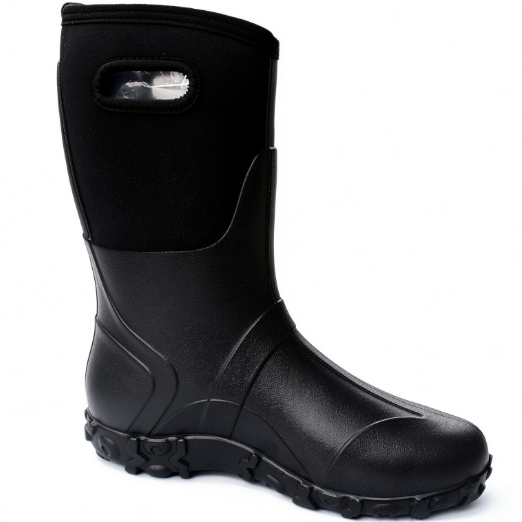
The performance of ice fishing snow boots in subzero windchill depends on material properties and manufacturing processes. Insulating linings, such as neoprene or closed-cell foam, provide thermal resistance without excessive bulk. Outsole compounds formulated with low-temperature resistant rubber or TPR maintain flexibility below freezing, preventing cracking and preserving slip resistance. Seam-free construction, achieved via injection molding or thermal bonding, eliminates weak points where cold air or water can penetrate. Professional Rain Boot Manufacturer applies material science principles to balance insulation, flexibility, and durability for extreme cold applications.
Windchill, defined by the rate of heat loss from exposed skin, amplifies the impact of cold on footwear. A boot’s shaft height, typically extending above the ankle or calf, reduces cold air ingress from wind gusts. The thickness of outer shell materials is carefully controlled to avoid compromising flexibility while maintaining thermal protection. Compounds used in midsole layers are selected for their ability to retain cushioning and insulation at temperatures as low as -30°C, per industry testing guidelines.
3. Practical Solutions and Operation Steps
To select ice fishing snow boots that perform well in subzero windchill, follow these actionable steps to evaluate key features and suitability for your use conditions.
- Check outsole compound specifications: Confirm the material is rated for use at temperatures at or below the lowest windchill value of your ice fishing location. Avoid standard outsole compounds that harden and lose grip in subzero conditions.
- Inspect lining insulation: Choose boots with closed-cell foam or neoprene lining, as open-cell foam absorbs water and loses insulation when wet, a critical concern in snow and slush environments.
- Verify seal integrity: Look for boots with thermal-bonded or injection-molded seams instead of glued or stitched seams, which can crack or separate at low temperatures, leading to water or cold air entry.
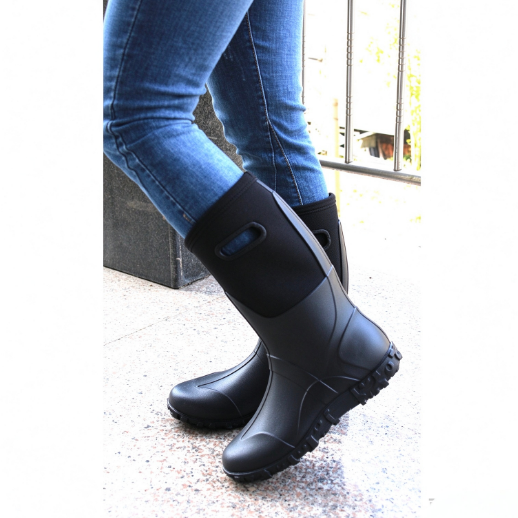
- Assess shaft height: Select a shaft that extends at least 10cm above the ice surface to block wind-driven snow and cold air, which is especially important during blustery conditions common on frozen lakes.
- Test fit and flexibility: Bend the boot’s toe and sole at room temperature and then at a temperature similar to your target windchill. If the boot becomes stiff or hard to bend, it will restrict movement and reduce comfort in cold conditions.
4. Daily Maintenance and Precautions
Proper maintenance extends the lifespan of ice fishing snow boots and preserves their performance in subzero conditions. After each use, remove dirt, ice, and slush from the boot’s surface using a soft brush or mild soap and warm (not hot) water. Avoid using strong solvents or harsh cleaners, which can degrade rubber or neoprene compounds at low temperatures. Rinse thoroughly and air dry in a shaded, well-ventilated area, away from direct sunlight or space heaters that can cause material warping or cracking.
Store boots in a cool, dry place, preferably suspended or placed on a flat surface to avoid deformation. Do not leave boots in a vehicle trunk or outdoor shed during extreme cold for extended periods, as this can accelerate material breakdown. Avoid exposing boots to petroleum-based products, including gasoline or motor oil, which can cause rubber compounds to swell or become brittle over time. Note that ice fishing snow boots are designed for cold, wet outdoor use and should not be used as substitutes for occupational safety boots marked for impact or chemical resistance.
5. Industry Standard and Parameter Reference
Third-party testing and industry standards provide objective benchmarks for evaluating ice fishing snow boot performance in subzero windchill. The following table outlines key parameters and relevant standards for selecting suitable footwear.
ParameterRecommended ReferenceWhy It MattersSlip resistance on frozen surfacesEN ISO 20347:2022+A1:2024 Test Method 7Evaluates outsole grip on low-friction, cold surfaces typical of ice fishing environments.Low-temperature flexibilityISO 20344:2021 Test Method 16Assesses outsole and upper material flexibility at subzero temperatures, preventing cracking.Occupational cold footwearISO 20347:2021 Appendix FDefines requirements for insulation and cold protection for non-safety work footwear.Water resistance at low temperaturesEN 13832-3:2018 Test Method 5Measures resistance to water penetration when footwear is exposed to cold and pressure.
Performance claims for extreme cold should be cross-referenced with these standards, as unsubstantiated labels may not reflect real-world performance in subzero windchill. Third-party test reports from accredited bodies such as SGS or Intertek can verify whether a boot meets these requirements for cold weather use.
6. Customer Common FAQ
Q: How do I know if ice fishing snow boots will stay flexible in -20°C windchill?
A: Check the outsole material and verify compliance with ISO 20344:2021 low-temperature flexibility testing. Professional Rain Boot Manufacturer notes that boots with rubber compounds formulated for subzero use will pass this test, while standard compounds will become stiff and lose grip.
Q: Are neoprene-lined boots better for windchill than felt linings?
A: Neoprene is more water-resistant and retains insulation when damp, while felt absorbs water and loses warmth in wet, windy conditions. For subzero windchill environments, neoprene linings offer more consistent thermal performance.
Q: Can I use regular rubber rain boots for ice fishing in windchill?
A: Regular rain boots use standard rubber compounds that harden at subzero temperatures, leading to slip risk and potential cracking. They lack the insulation and outsole performance needed for ice fishing, so they are not recommended.
Q: How often should I replace my ice fishing snow boots for cold performance?
A: Inspect boots annually for material cracks, seam separation, or outsole wear that could compromise cold performance. If boot flexibility decreases or insulation compacts, replacement is advised, especially with frequent use in subzero conditions.
Conclusion
Ice fishing snow boots rely on material properties, construction quality, and standard testing to perform consistently in subzero windchill. Key factors include low-temperature outsole flexibility, water-resistant linings, and sealed seams to block wind and cold. Following the practical selection and maintenance steps outlined helps preserve boot performance. Professional Rain Boot Manufacturer applies these principles to design footwear suited for extreme winter outdoor use, ensuring reliability in challenging ice fishing conditions.
References
- [1] International Organization for Standardization. (2021). ISO 20344:2021, Footwear – Test methods. Geneva, Switzerland: ISO.
- [2] International Organization for Standardization. (2022). ISO 20347:2021, Occupational footwear. Geneva, Switzerland: ISO.
- [3] European Committee for Standardization. (2018). EN 13832-3:2018, Chemical protective footwear – Part 3: Requirements for chemical resistance. Brussels, Belgium: CEN.