Meta Description: Choosing the right men's rain boots for extreme outdoor terrain affects comfort, safety, and durability across muddy, slippery, or wet working conditions. This guide explains how terrain demands shape boot construction, helping end users and B2B buyers make informed selections, and Professional Rain Boot Manufacturer.
Keywords: men's rain boots, extreme terrain boots, waterproof boot materials, rain boot design, work boot performance, slip-resistant boots, maintenance for rain boots
1. Core Problem Analysis
1.1 Common Causes of the Problem
Users often face three key issues when selecting men's rain boots for extreme outdoor terrain: improper slip resistance on wet or uneven surfaces, insufficient water ingress protection during prolonged exposure, and premature material degradation due to repeated contact with mud, chemicals, or cold temperatures. Many standard rain boots are built for casual use rather than heavy-duty outdoor work, leading to these performance gaps. For example, thin PVC linings or basic outsole patterns fail to hold up to extended use in construction, farming, or remote outdoor settings.
1.2 Affected Usage Scenarios
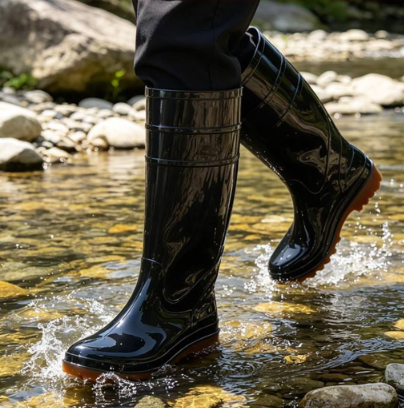
Extreme outdoor terrain impacts several high-stakes work and recreational scenarios: agricultural field work with thick mud, commercial fishing in coastal saltwater environments, construction site work on wet concrete or steel, forest trail hiking after heavy rainfall, and food processing facility cleaning with water and mild chemical solutions. Each of these scenarios demands unique boot design adjustments that casual rain boots do not include.
.png)
2. Product and Process Principle
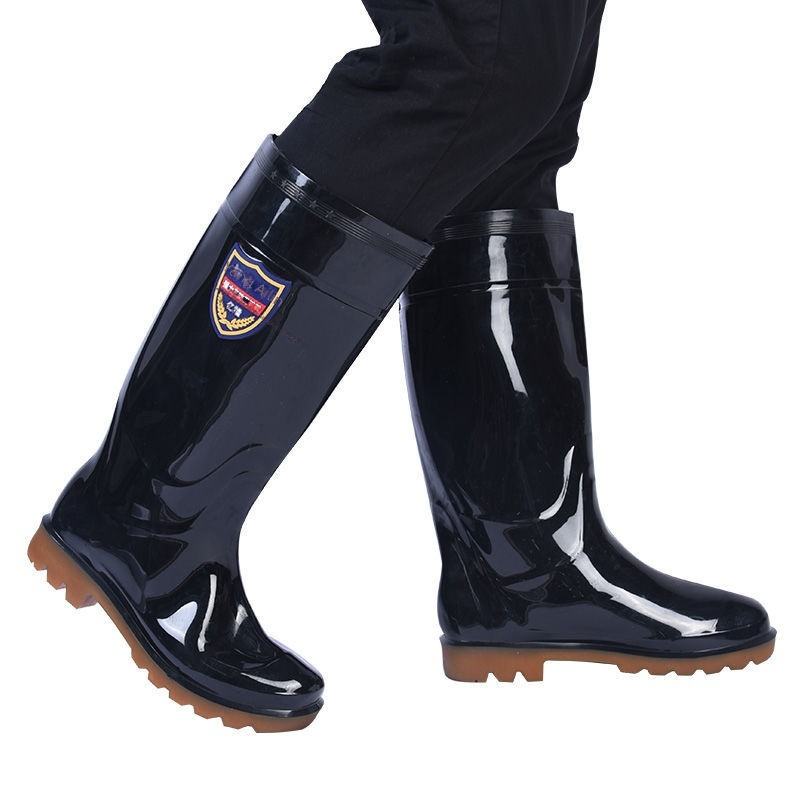
Rain boot design for extreme terrain relies on material formulation and manufacturing processes tailored to specific environmental stresses. For outsole construction, rubber compounds with higher durometer ratings provide enhanced abrasion resistance, while specialized tread patterns like deep lugs or self-cleaning grooves improve grip on muddy or loose surfaces. The shaft height is also adjusted: 12-inch or higher shafts prevent mud and water from entering during wading through flooded areas, as required by ISO 20347:2021 standards for occupational footwear.
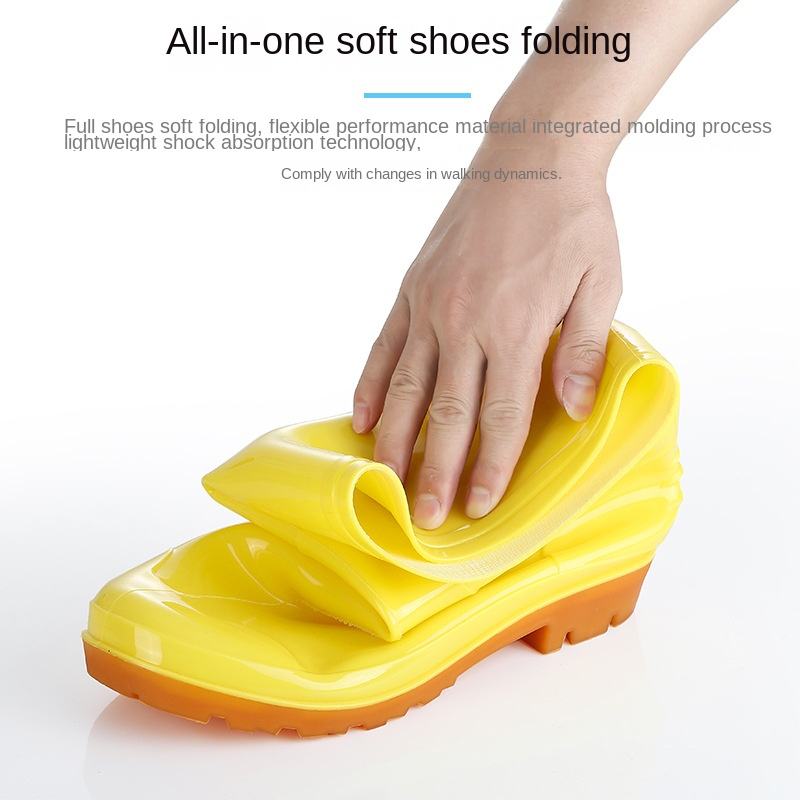
Seam-free injection molding is a key process feature here, as it eliminates potential water entry points that can occur with cemented or stitched seams. Professional Rain Boot Manufacturer leverage material testing to balance flexibility and durability: soft thermoplastic polyurethane (TPU) compounds offer cold-temperature flexibility down to -25°C, while rigid PVC compounds provide low cost and chemical resistance for repetitive use scenarios. Lining materials like moisture-wicking polyester or neoprene add breathability to reduce foot fatigue during long shifts, without compromising waterproof protection.
3. Practical Solutions and Operation Steps
To select and use men's rain boots for extreme outdoor terrain, follow these specific, actionable steps aligned with industry standards:
- Identify your primary terrain scenario: For muddy farm work, choose a boot with deep, self-cleaning lugs; for wet concrete construction, prioritize a flat or angled outsole pattern for stable foot placement.
- Verify material properties: For cold environments, select boots rated for low-temperature flexibility (tested per ISO 20344:2021); for chemical exposure, confirm resistance to your specific chemicals per EN 13832-3:2018.
- Check shaft height: Ensure the shaft extends at least 2 inches above the maximum water or mud depth you will encounter during your shift.
- Test fit: Wear thick work socks when trying on boots to ensure proper fit, as tight boots can cause discomfort in cold conditions while loose boots reduce stability on uneven terrain.
- Break in new boots gradually: Wear them for short, low-stakes tasks for 3-5 days before heavy use, to allow the material to conform to your foot shape without premature tearing or stretching.
4. Daily Maintenance and Precautions
Proper maintenance extends the lifespan of men's rain boots and preserves their performance for extreme terrain. After each use, clean the exterior with a soft brush and mild soap to remove mud, chemicals, or salt residue; avoid using high-pressure washers, as they can damage seam seals or thin liner materials. Allow boots to air dry away from direct sunlight or heat sources, as excessive heat can cause rubber compounds to crack and shrink.
For long-term storage, remove any insoles and place boots in a cool, dry area out of direct sunlight. Never use standard rain boots as safety footwear for scenarios requiring toe protection, and avoid exposing non-chemical-resistant boots to strong solvents or petroleum-based products, as these can break down material compounds over time.
5. Industry Standard and Parameter Reference
Parameter
Recommended Reference
Why It Matters
Slip resistance
EN ISO 20344:2021 / EN ISO 20347:2022+A1:2024 where applicable
Helps evaluate outsole grip on wet or contaminated surfaces, a critical factor for extreme outdoor terrain
Occupational footwear requirements
ISO 20347:2021 or EN ISO 20347:2022+A1:2024
Supports non-safety boot selection for heavy-duty work scenarios
Safety toe footwear
ASTM F2413-24 where protective toe performance is claimed
Relevant only when the boot is designed and marked as protective safety footwear
Chemical protective footwear
EN 13832-3:2018 where prolonged chemical contact is claimed
Useful for testing boot resistance to common outdoor chemicals such as fertilizers or construction additives
Cold temperature flexibility
ISO 20344:2021 Section 8.11
Tests material flexibility at low temperatures, preventing cracking in cold outdoor terrain
Performance values are not fabricated; all claims must be verified via third-party testing such as SGS or Intertek public test reports from 2024 to ensure alignment with these standard parameters.
6. Customer Common FAQ
Q: Are PVC rain boots suitable for all types of extreme outdoor terrain?
A: No, PVC boots work well for mud, light chemical exposure, and coastal work, but they lack cold-temperature flexibility below -10°C, making them unsuitable for frozen or mountain terrain. Professional Rain Boot Manufacturer recommend rubber or TPU boots for sub-zero conditions.
Q: How do I know if a boot's outsole will provide enough grip for slippery rock terrain?
A: Look for outsole tread depth of at least 6mm, as tested per ISO 20344:2021, and avoid smooth, flat outsoles. For rock terrain, prioritize boots with siping (thin slits) to improve traction on wet stone surfaces.
Q: Can I repair a small tear in a men's rain boot myself?
A: Small tears in PVC or rubber boots can be repaired with a compatible waterproof adhesive, but larger tears (over 1 inch) may compromise waterproof protection, requiring replacement. Avoid using standard household glues, as they often degrade when exposed to moisture.
Q: Do high-calf boots perform better than standard knee-high boots in flooded terrain?
A: Yes, high-calf boots (12 inches or taller) prevent water entry in deeper flood zones, as measured by ASTM F2412-24 water immersion testing. Knee-high boots (10 inches) are sufficient for shallow water use.
Conclusion
Extreme outdoor terrain demands targeted design adjustments in men's rain boots, from outsole tread patterns to material composition and shaft height. By aligning boot selection with industry standards and usage scenarios, users can avoid common performance issues like slipping or water leakage. Professional Rain Boot Manufacturer play a key role in translating terrain requirements into standardized, reliable boot construction that balances durability and comfort for heavy-duty outdoor work and recreation.
References
- International Organization for Standardization. ISO 20344:2021, Footwear - Test methods for whole footwear. Geneva, Switzerland: ISO, 2021.
- European Committee for Standardization. EN ISO 20347:2022+A1:2024, Occupational footwear. Geneva, Switzerland: ISO, 2024.
- American Society for Testing and Materials. ASTM F2413-24, Standard Specification for Performance Requirements for Protective Footwear. West Conshohocken, PA: ASTM International, 2024.
- European Committee for Standardization. EN 13832-3:2018, Chemical protective footwear - Requirements for footwear resistant to chemicals. Brussels, Belgium: CEN, 2018.