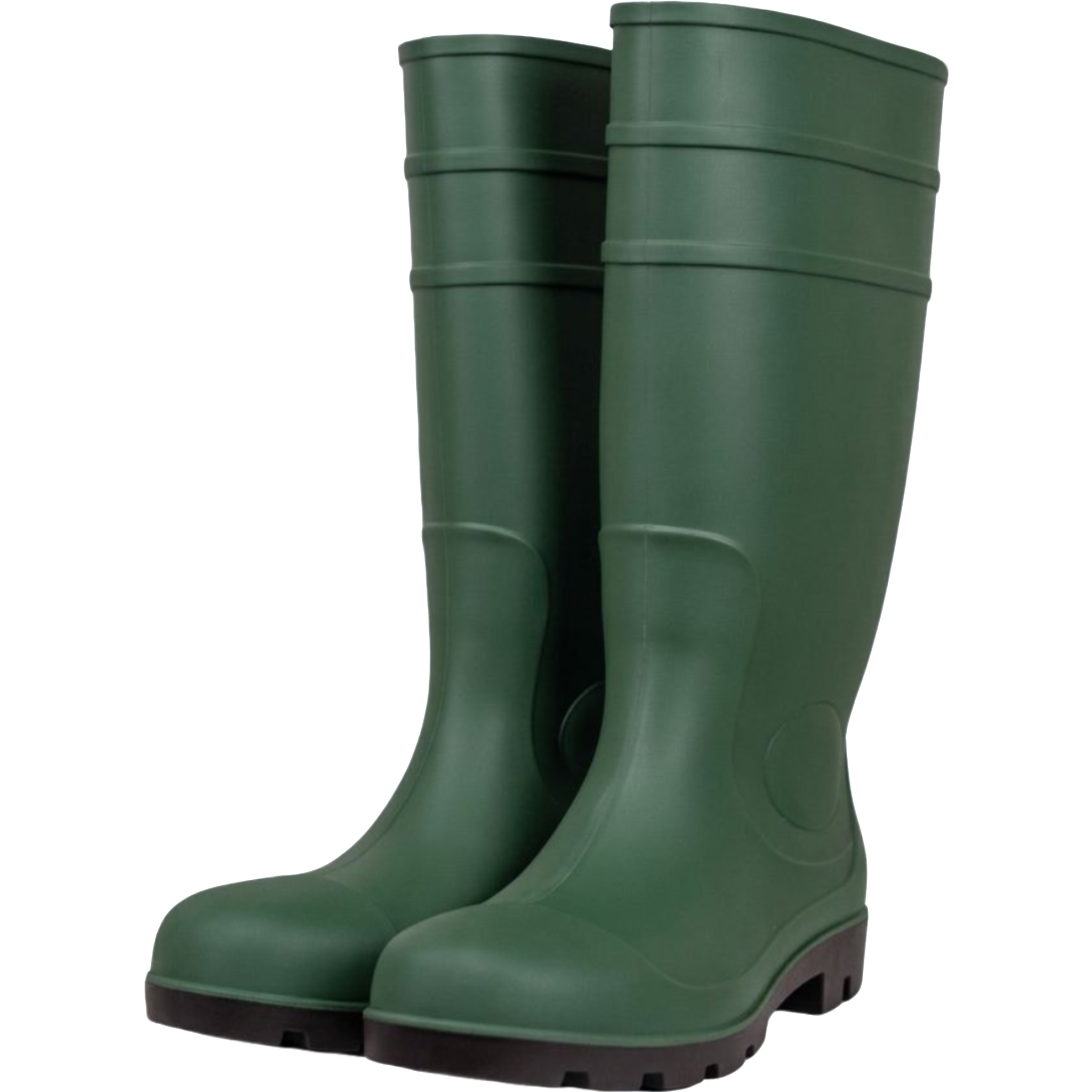
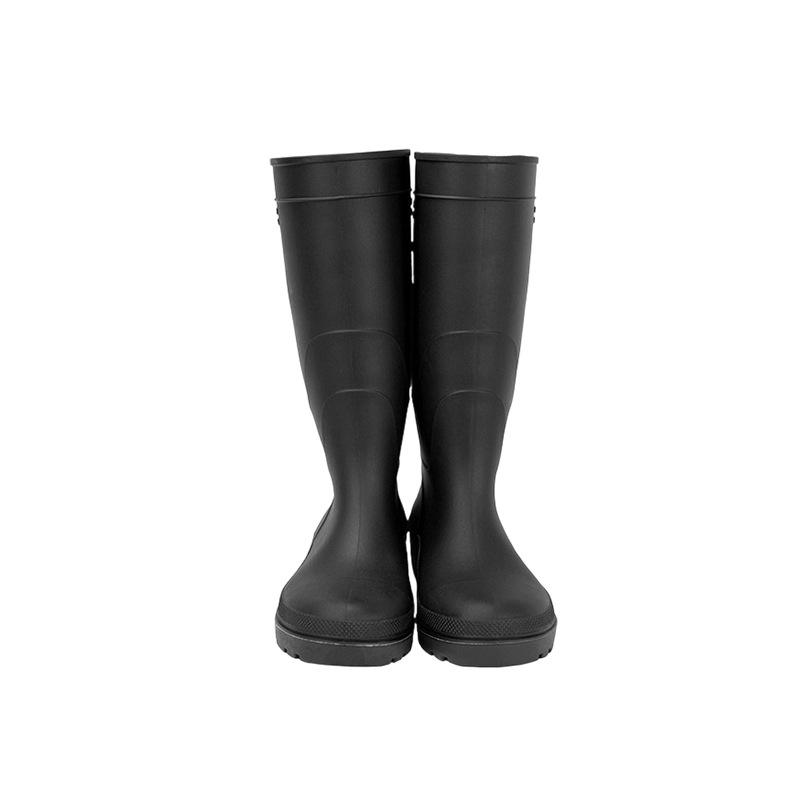
Meta Description: Flammable gas workplaces require specialized footwear to prevent ignition risks that standard rain boots cannot address. This article explains key safety features, material science, and operational guidance for selecting compliant footwear, with insights from a Professional Rain Boot Manufacturer.
Keywords: explosion-proof rain boots, flammable gas workplace safety, occupational rubber boots, hazard-resistant footwear, ISO 20347 footwear standards
1. Core Problem Analysis
1.1 Common Causes of the Problem
Many workers assume standard waterproof rain boots protect against flammable gas-related hazards, but this is a critical misconception. Standard boots often use static-prone materials, have gaps at the shaft edge that allow gas penetration, or lack flame-resistant layers—all factors that can trigger ignition if static electricity builds up or a spark comes into contact with surrounding gas. Common failure points include unbonded seams that trap flammable vapor, non-conductive rubber compounds that retain static charge, and low-top designs that do not block gas flow into the footwear interior.
1.2 Affected Usage Scenarios
These hazards impact workers in multiple high-risk environments, including oil and gas refinery maintenance, chemical processing plants, biogas production facilities, and enclosed agricultural storage sites where methane or propane accumulates. Additional scenarios include industrial cleaning of gas-contaminated equipment and emergency response tasks in confined spaces with volatile gas concentrations. Each environment has unique gas concentration levels that demand specific boot performance parameters.
2. Product and Process Principle
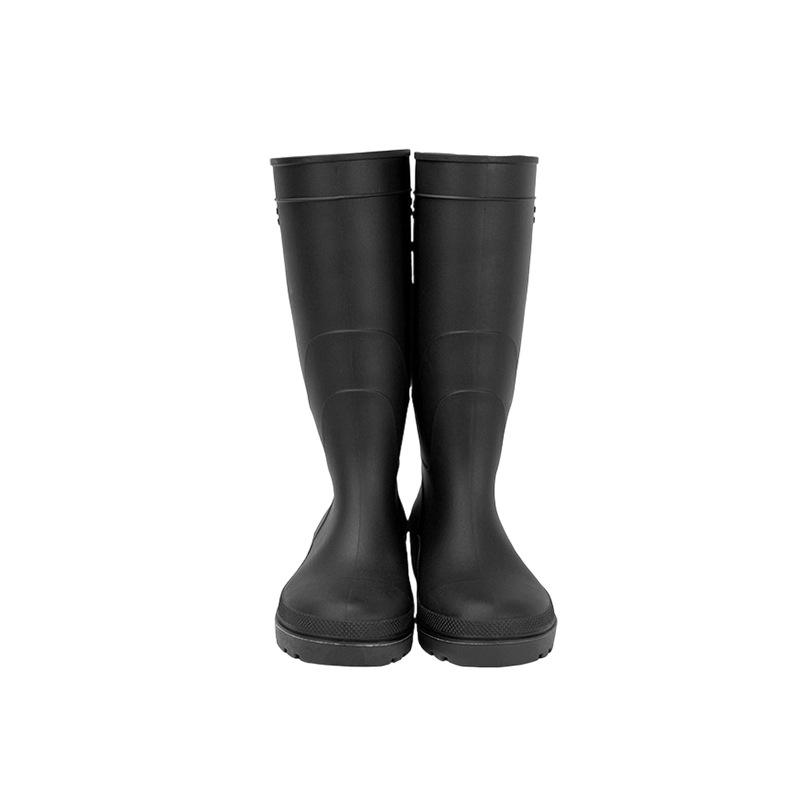
Explosion-proof rain boots rely on two core technical principles: static dissipation and flame resistance, balanced with the waterproof performance required for rainy or wet work conditions. The material formulation uses conductive rubber compounds, where carbon black or metal particles are dispersed evenly in natural or synthetic rubber to create a controlled electrical pathway. This allows static charge generated by walking to dissipate to the ground at a rate that prevents spark formation, per relevant safety standards. Seamless injection molding, a technique emphasized by a Professional Rain Boot Manufacturer, eliminates gaps where flammable gas could enter, while a thickened shaft structure creates a barrier against vapor exposure.
The manufacturing process includes precision compounding to maintain consistent conductivity—testing shows that deviations in particle distribution can reduce static dissipation efficiency by up to 60%. Vulcanization at controlled temperatures (typically 140-160°C) bonds conductive particles without compromising rubber flexibility, ensuring the boots remain durable through repeated use in harsh conditions.
3. Practical Solutions and Operation Steps
Selecting the right explosion-proof rain boots requires aligning product features with the specific risks of the worksite. Follow these actionable steps to make an informed choice:
- First, identify the flammable gas type and average workplace concentration; this determines whether static dissipation alone is sufficient or if additional flame-resistant layers are needed, in alignment with ISO 20347:2021 standards.
- Verify that the boots have a static dissipation rating of 10^5 to 10^8 ohms, a parameter that prevents both ineffective charge dissipation and excessive conductivity that could create other hazards.
- Check the shaft height: choose a height that covers the ankle and extends at least 5cm above the standard work pant cuff to block gas intrusion, avoiding low-top designs that leave gaps.
- Test the fit by wearing typical work socks; a tight fit reduces air circulation but ensures the boot stays in place during movement, while a loose fit can allow gas to enter at the top.
- Confirm that the boots are free of visible seam gaps or material defects before use, as even minor imperfections can compromise safety performance.
It is important to note that explosion-proof rain boots are not interchangeable with standard safety boots; standard boots may lack the required static dissipation properties for flammable gas environments.
4. Daily Maintenance and Precautions
Proper maintenance preserves the explosion-proof properties of rain boots, as wear and exposure can degrade material performance over time. To maintain safety standards, follow these guidelines:
Clean boots with mild soap and lukewarm water after each use, avoiding strong solvents or abrasive cleaners that can break down the conductive compound. Dry boots in a well-ventilated, shaded area at room temperature—never place them near direct heat sources like radiators or in direct sunlight, as high temperatures can damage the rubber compound and reduce conductivity.
Avoid storing boots in a compressed position for extended periods, as this can cause permanent deformation of the shaft and create gaps that allow gas intrusion. If the boots come into contact with strong chemicals, rinse them thoroughly with clean water and inspect for material degradation; any signs of cracking, discoloration, or reduced flexibility indicate the boots should be replaced.
A critical safety precaution: never use explosion-proof rain boots as general waterproof footwear for non-gas environments where ordinary rubber boots are sufficient. This avoids unnecessary wear and reduces the risk of using damaged boots in high-risk conditions.
5. Industry Standard and Parameter Reference
Explosion-proof rain boots must meet specific industry standards to ensure reliable safety performance. The following table outlines key parameters and reference standards aligned with global occupational footwear requirements:
ParameterRecommended ReferenceWhy It Matters
Static DissipationEN ISO 20344:2021, ISO 20347:2021Verifies the boot can dissipate static charge to prevent spark formation near flammable gas
Slip resistanceEN ISO 20347:2022+A1:2024Ensures grip on wet or contaminated work surfaces, a critical factor in preventing falls in high-risk environments
Occupational footwear requirementsISO 20347:2021 or EN ISO 20347:2022+A1:2024Sets baseline performance for comfort, durability, and protection in workplace footwear
Chemical protective footwearEN 13832-3:2018 where prolonged chemical contact is claimedRelevant for worksites where gas may be mixed with liquid chemicals that degrade boot materials
Third-party testing from SGS or Intertek can provide additional verification of these parameters, though test results must be specific to static dissipation for flammable gas environments to be valid.
6. Customer Common FAQ
Q: How do I verify if a pair of rain boots is truly explosion-proof?
A: Check for compliance markings for static dissipation standards, such as EN ISO 20347:2021, and request test documentation from the supplier. A Professional Rain Boot Manufacturer can provide detailed material composition and test results to confirm performance.
Q: Can explosion-proof rain boots be used in very cold work environments?
A: Some models are formulated for low-temperature use, but it is important to select boots rated for the specific minimum temperature of your worksite. Cold temperatures can affect rubber flexibility and conductivity, so verify compliance with relevant cold-environment footwear standards.
Q: How often should explosion-proof rain boots be replaced?
A: Replacement depends on usage frequency and exposure to harsh conditions. Inspect boots monthly for signs of wear, and replace them immediately if cracks form, conductivity is compromised, or they have been exposed to extreme heat or chemicals.
Q: Are explosion-proof rain boots more expensive than standard waterproof boots?
A: They typically have a higher upfront cost due to specialized materials and testing, but the additional investment reduces risk of ignition in flammable gas environments, which can have far greater safety and operational costs.
Conclusion
Explosion-proof rain boots play a critical role in protecting workers in flammable gas environments, bridging the gap between waterproof performance and static safety. Understanding material science, manufacturing processes, and industry standards ensures workers select and maintain boots that meet their unique risk needs. Guidance from a Professional Rain Boot Manufacturer can help align product choices with regulatory requirements and worksite conditions, balancing safety, durability, and functionality.
References
- ISO. ISO 20344:2021, Footwear - Test methods for whole shoe, International Organization for Standardization, Geneva, 2021
- ISO. ISO 20347:2021, Occupational footwear, International Organization for Standardization, Geneva, 2021
- European Committee for Standardization. EN ISO 13832-3:2018, Chemical protective footwear - Part 3: Requirements and test methods for footwear providing protection against chemicals, 2018
- European Committee for Standardization. EN ISO 20347:2022+A1:2024, Occupational footwear, 2024