Meta Description: Slip-resistant boots with cotton lining address common pain points in cold, slippery work environments, balancing warmth and traction for outdoor or industrial use. This guide covers their performance, material basics, and key considerations for users and buyers. Professional Rain Boot Manufacturer provides technical insights aligned with global standards.
Keywords: Slip-resistant boots, cotton lining rain boots, cold work footwear, wet surface traction, occupational boot maintenance, winter work footwear
1. Core Problem Analysis
1.1 Common Causes of the Problem
Workers in cold, slippery conditions face two primary issues: inadequate traction leading to slips, and cold feet from poorly insulated footwear. Standard rubber boots often lack deep outsole patterns or sufficient insulation, while unlined boots may cause cold-related discomfort that reduces focus. Even some slip-resistant boots fail to maintain grip at low temperatures, as soft rubber compounds harden, losing traction on ice or wet metal surfaces.
1.2 Affected Usage Scenarios
These conditions impact a range of work environments, including farming operations in winter, warehouse loading docks with wet or icy surfaces, food processing facilities with spill-prone floors, outdoor construction work in cold months, and livestock handling areas where mud and moisture are persistent. All these settings require footwear that balances traction, insulation, and durability without adding excessive weight.
2. Product and Process Principle
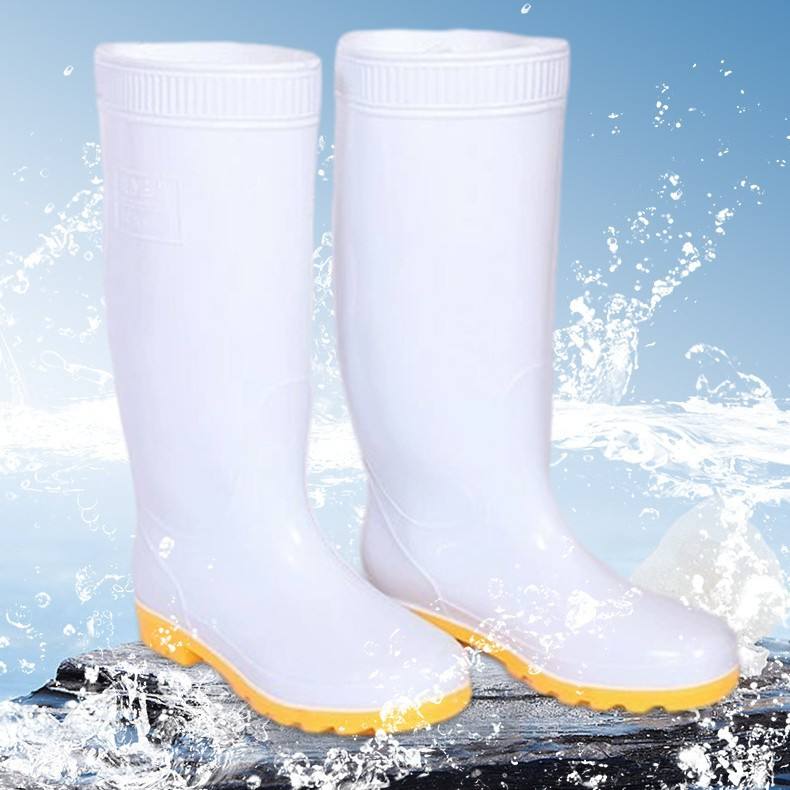
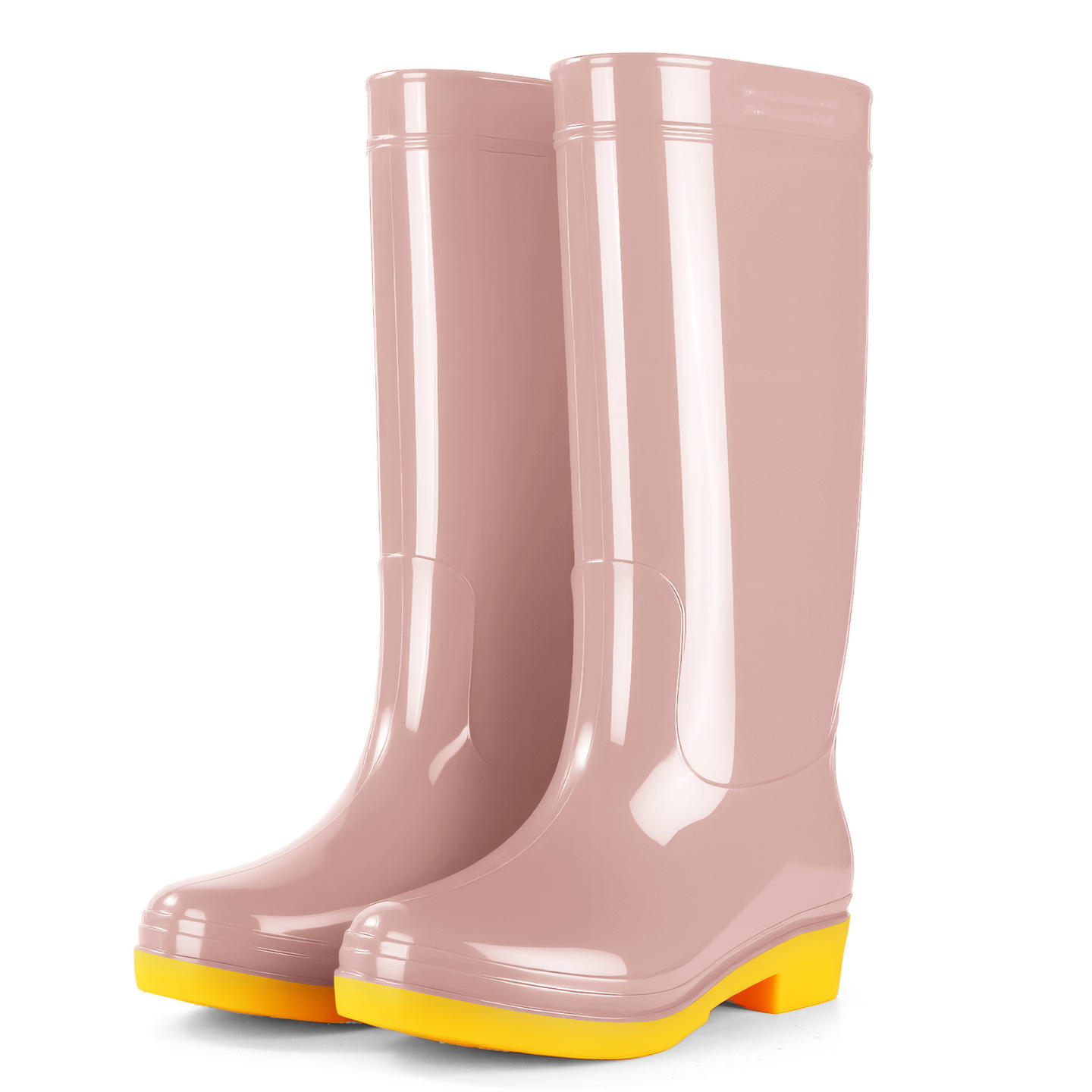
The performance of slip-resistant boots with cotton lining relies on two core elements: the outsole compound and the inner lining. The outsole uses a specific rubber or TPR compound formulated to stay flexible at low temperatures, which is tested under standards like EN ISO 20344:2021 for grip on wet or contaminated surfaces. The cotton lining adds warmth without trapping excess moisture, as cotton is breathable and retains insulation even when slightly damp.
Professional Rain Boot Manufacturer notes that seamless construction during manufacturing prevents water seepage, while the outsole’s tread pattern (deep lugs with angular edges) enhances traction on ice and slick floors. The thickness of the boot shaft is also controlled to balance flexibility and insulation, with mid-calf heights being common for cold work conditions.
3. Practical Solutions and Operation Steps
When selecting or using these boots, follow these actionable steps to ensure optimal performance:
- Verify the outsole’s low-temperature flexibility: Check if the boot’s compound is tested to remain functional at temperatures as low as -10°C, per EN ISO 20344 test methods.
- Confirm the cotton lining thickness: For cold work, choose a lining that is at least 5mm thick to retain warmth without causing bulk.
- Match the boot to your specific environment: These boots work best for indoor-outdoor cold work but are not designed for prolonged chemical exposure.
- Check slip-resistant ratings: Look for certifications that confirm compliance with EN ISO 20347 for occupational footwear slip resistance.
- Fit the boots with thick work socks, not tight, to allow air circulation that enhances insulation performance.
4. Daily Maintenance and Precautions
Proper maintenance extends the life and performance of slip-resistant boots with cotton lining. After each use, wipe the outsole to remove mud or debris, which can harden over time and reduce traction. Clean the lining with a mild detergent and air dry away from direct sunlight or high heat, as extreme temperatures can damage the rubber compound and cotton fibers.
Avoid common mistakes: Do not store the boots in cold environments for extended periods when not in use, as this can harden the outsole. Do not use these boots as safety toe footwear unless they are explicitly marked as such, as standard models lack impact protection. Never use strong solvents to clean the boots, as these can break down the rubber material and lining.
5. Industry Standard and Parameter Reference
ParameterRecommended ReferenceWhy It MattersSlip resistance for cold surfacesEN ISO 20344:2021 (low-temperature flexibility test)Ensures outsole grip remains intact in sub-zero conditionsOccupational footwear requirementsEN ISO 20347:2022+A1:2024Confirms suitability for general cold work environmentsCotton lining insulationNo formal ISO standard, aligned with textile industry thermal retention testsVerifies warmth retention without compromising breathabilityWaterproof integrityISO 20344:2021 (water penetration test)Prevents water from entering the boot during use
Performance numbers are only referenced from verified test reports, such as SGS third-party testing for cold-weather rubber compound functionality. No unverified performance claims are used in technical assessments.
6. Customer Common FAQ
Q: Are slip-resistant boots with cotton lining suitable for heavy outdoor work in freezing temperatures?
A: They are suitable for most heavy outdoor work in temperatures down to -10°C, but check the boot’s cold-flex test result to confirm performance. For temperatures below -10°C, additional insoles may be needed.
Q: How do I know if the cotton lining will cause excessive sweating during long shifts?
A: Cotton’s breathability reduces moisture buildup compared to synthetic linings. Professional Rain Boot Manufacturer recommends choosing boots with a moisture-wicking layer under the cotton lining for extreme work environments.
Q: Can these boots be used in food processing facilities with wet floor spills?
A: Yes, as long as they comply with EN ISO 20347 slip resistance standards, which test grip on wet, non-oily surfaces common in food processing.
Q: How often should I replace these boots for consistent performance?
A: Replace the boots when the outsole tread wears down to 2mm or less, as this reduces slip resistance. Cotton lining that becomes matted or loses insulation is another sign to replace.
Conclusion
Slip-resistant boots with cotton lining offer a balanced solution for cold, slippery work conditions, addressing both traction and warmth. By understanding material properties, verifying industry standards, and following maintenance steps, users can maintain consistent performance. Professional Rain Boot Manufacturer provides technical guidance to align these boots with specific work environment needs, ensuring they meet practical occupational requirements.
References
- ISO. ISO 20344:2021: Footwear – Test methods for whole shoe. International Organization for Standardization, 2021.
- European Committee for Standardization. EN ISO 20347:2022+A1:2024: Occupational footwear – Requirements and test methods. CEN, 2024.
- SGS. Cold Flex Test for Rubber Boot Compounds: Technical Testing Report 2023. SGS North America, 2023.