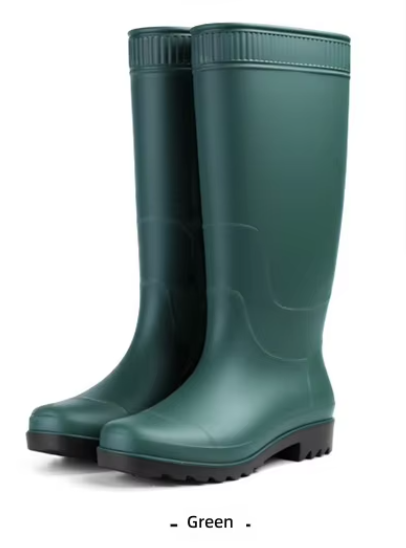
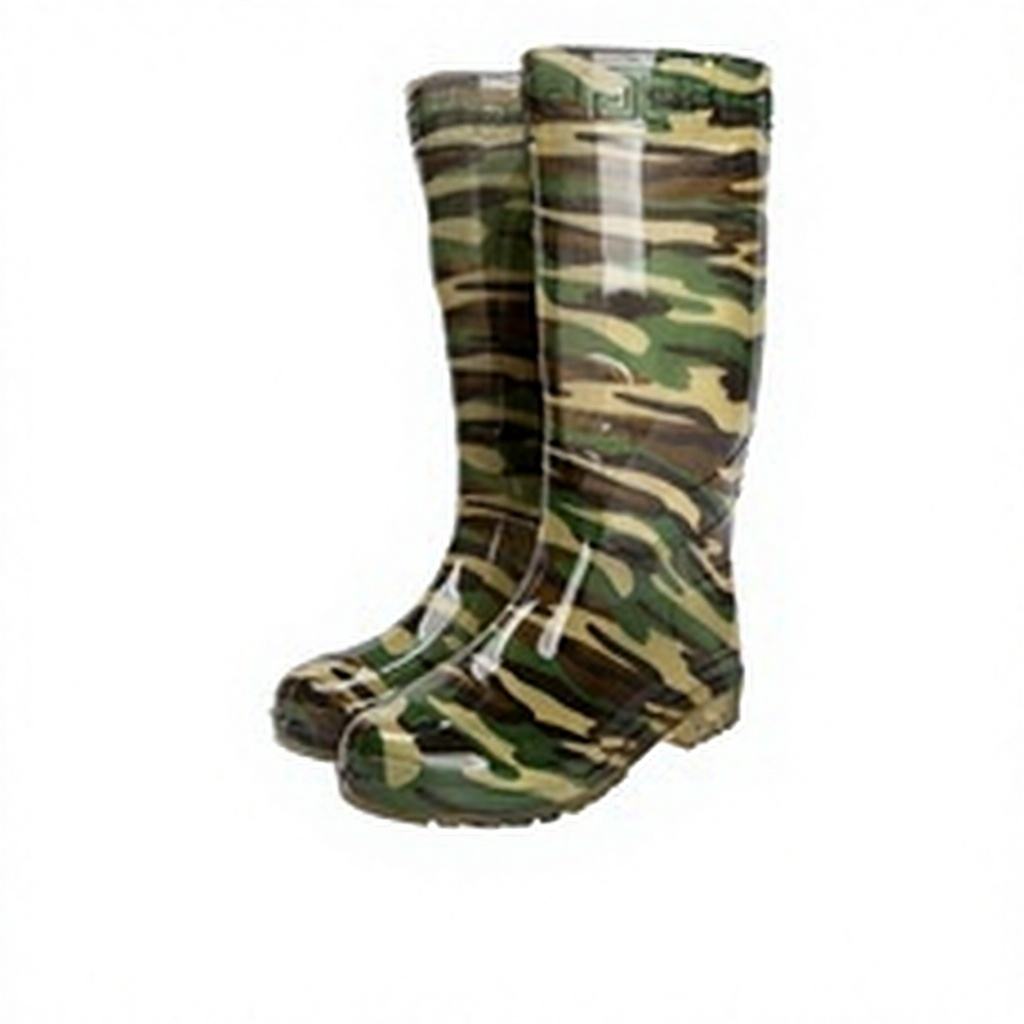
Meta Description: Workers in extreme industrial settings need footwear that balances protection, durability, and comfort to maintain safety and productivity through long shifts with heavy demands. This guide breaks down the key features of composite toe safety shoes that make them suitable for harsh industrial conditions, helping buyers and workers make informed choices. Professional Rain Boot Manufacturer.
Keywords: composite toe safety shoes, industrial safety footwear, extreme work environment, protective footwear standards, durable work shoes, slip resistant work boots
1. Core Problem Analysis
1.1 Common Causes of the Problem
Workers in extreme industrial environments face multiple footwear-related challenges that can disrupt operations and cause injuries. Common issues include insufficient toe protection against falling objects and compression, material degradation from exposure to heavy machinery oils, extreme temperatures, and chemical residues, poor slip resistance on uneven, wet, or contaminated surfaces, and limited breathability leading to foot fatigue during long shifts. Many traditional steel toe shoes add unnecessary weight that increases strain on feet and legs, while generic work boots often fail to meet specific protection requirements for harsh working conditions.
1.2 Affected Usage Scenarios
These challenges impact a wide range of industrial settings, including heavy manufacturing plants, metal fabrication workshops, construction sites with material handling operations, chemical processing facilities, mining work sites with rough terrain and heavy loads, and recycling centers that handle sharp or heavy waste materials. In each of these environments, footwear must withstand not just physical impact and compression, but also constant exposure to harsh elements that can break down materials over time.
2. Product and Process Principle
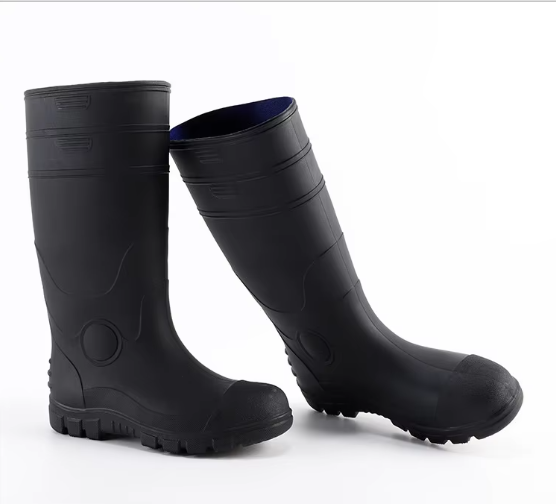
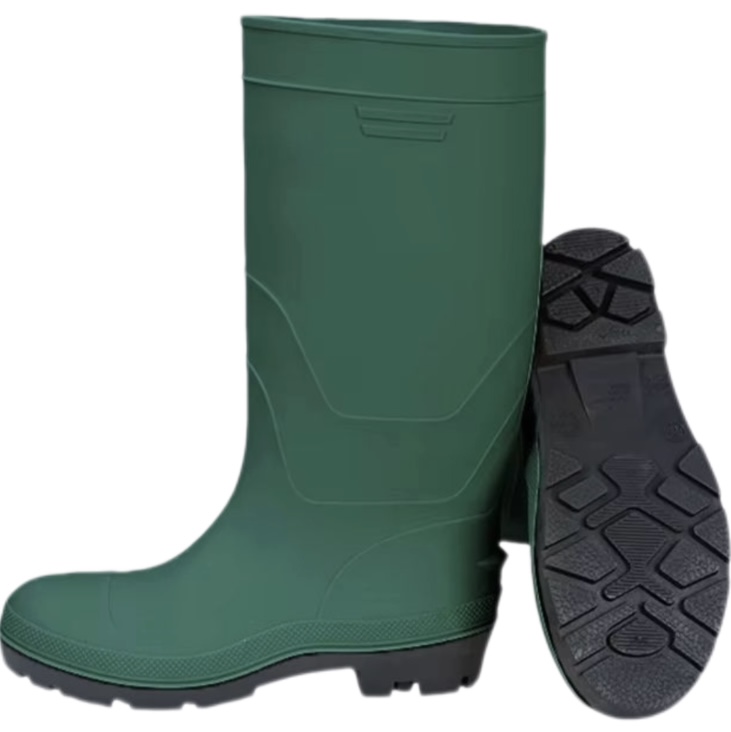
Composite toe safety shoes are engineered using specialized polymer-based composite materials, including fibers such as Kevlar, carbon fiber, and fiberglass, which are molded into a protective toe cap that meets industry safety standards. Unlike steel, composite materials are non-conductive, lightweight, and resistant to corrosion from chemicals and moisture, making them ideal for environments where steel could rust or conduct electricity. The construction process uses high-pressure injection molding and reinforced bonding to integrate the composite toe with the shoe upper, eliminating weak points where gaps could allow contaminants or debris to enter.
A Professional Rain Boot Manufacturer with expertise in industrial protective footwear explains that the compound formulation of the outsole is tailored for slip resistance, while the upper material is often treated to resist oil, acid, and alkaline exposure common in industrial work. The shaft height and lining are also designed to balance ankle support and breathability, reducing fatigue during extended periods of standing or walking on hard surfaces. Thickness control for both the sole and upper is calibrated to meet performance requirements without adding unnecessary bulk that would hinder movement.
3. Practical Solutions and Operation Steps
To select the right composite toe safety shoes for extreme industrial environments, follow these actionable steps to ensure the footwear meets your specific needs:
- First, verify the safety certification: Check that the shoes comply with relevant standards such as ASTM F2413-24 or EN ISO 20345, which specify minimum requirements for impact resistance, compression resistance, and electrical properties. These standards define the level of protection needed for different industrial hazards, so confirm the rating matches the specific risks of your work site.
- Next, assess the work environment’s material exposure: If your tasks involve contact with oils, chemicals, or sharp debris, select an upper material treated for chemical resistance and equipped with a puncture-resistant midsole. For environments with extreme temperatures below -20°C, choose composite materials that retain their structural integrity in cold conditions, as some composites may become brittle at low temperatures.
- Test the outsole tread pattern: Look for deep, multi-directional lugs that provide grip on wet, oily, or uneven surfaces, avoiding smooth soles that offer minimal traction on contaminated ground. The outsole should also be oil-resistant, per ISO 20344 test methods, to prevent degradation from common industrial lubricants.
- Check fit and comfort: Try on shoes with the socks you would wear on the job, ensuring there is enough room for toe movement while avoiding excessive heel slip. Prioritize lightweight designs to reduce leg fatigue during 8 to 12 hour shifts, a key consideration in environments where mobility is critical.
4. Daily Maintenance and Precautions
Proper maintenance extends the lifespan of composite toe safety shoes and preserves their protective properties, helping to avoid premature failure or reduced performance. After each use, clean the shoes with a soft brush and mild detergent to remove dirt, oil, and chemical residues, avoiding harsh solvents that can damage the composite material or upper coating. Rinse thoroughly and air dry in a well-ventilated area, away from direct sunlight or high heat sources such as radiators, which can cause the composite to warp or the shoe materials to degrade.
Store shoes in a cool, dry place when not in use, keeping them on a shoe rack to maintain their shape and preventing contact with heavy objects that could crush the composite toe cap. Avoid using composite toe safety shoes as general-purpose footwear, such as for walking through wet grass or casual outdoor use, as this will accelerate wear and tear that compromises their protective function. If the toe cap shows signs of cracks or structural damage, replace the shoes immediately, as even small damage can reduce impact resistance below safety standards.
5. Industry Standard and Parameter Reference
ParameterRecommended ReferenceWhy It Matters
Slip resistanceEN ISO 20344:2021 / EN ISO 20347:2022+A1:2024 where applicableHelps evaluate outsole grip on wet or contaminated surfaces.
Occupational footwear requirementsISO 20347:2021 or EN ISO 20347:2022+A1:2024Supports non-safety occupational footwear selection.
Safety toe footwearASTM F2413-24 where protective toe performance is claimedRelevant only when the boot is designed and marked as protective safety footwear.
Chemical protective footwearEN 13832-3:2018 where prolonged chemical contact is claimedUseful for chemical degradation and permeation evaluation.
Low temperature performanceISO 20344:2021, Section 7.10Tests material integrity at sub-zero temperatures for cold industrial environments.
All performance claims must align with the test methods outlined in these standards, as third-party testing per ISO and ASTM protocols ensures consistent, verifiable protection. Do not assume that composite toe shoes labeled as "industrial grade" meet these standards; always check for official certification markings on the footwear or accompanying documentation.
6. Customer Common FAQ
Q: Are composite toe safety shoes as protective as steel toe shoes for heavy impact and compression?
A: When certified to the same standard such as ASTM F2413-24, composite toe caps meet or exceed the same impact and compression resistance requirements as steel toe. The key difference is that composite is lighter and non-conductive, making it a better choice for environments where steel could pose risks from electrical conductivity or extra weight. A Professional Rain Boot Manufacturer notes that independent tests show composite materials can withstand up to 125 Joules of impact force, matching steel toe performance.
Q: How do composite toe shoes hold up in environments with harsh chemicals?
A: Composite materials are naturally resistant to corrosion from most industrial chemicals, including acids and alkalis, unlike steel which can rust or degrade. However, it is important to select shoes with upper materials treated for chemical resistance, as the toe cap itself is protected, but the upper may still absorb certain chemicals over time with prolonged exposure.
Q: Should I size up for composite toe safety shoes to accommodate thick work socks?
A: It is recommended to test shoes with the type of socks you will wear on the job, but most composite toe models run true to size for standard work socks. If you require thick insulated socks for cold environments, try on shoes with those socks, and if in doubt, size up by half a size to ensure proper fit without excessive heel slip.
Q: Can composite toe shoes be repaired if the sole cracks or the upper tears?
A: Minor sole cracking or small upper tears can sometimes be repaired with specialized industrial adhesives, but this is not recommended for structural damage that affects the protective function. Any damage to the composite toe cap requires immediate replacement of the entire shoe, as repairing the cap’s structural integrity is not possible without compromising safety.
Q: Do composite toe safety shoes have a strong chemical odor when new?
A: Some composite materials may have a mild, temporary odor from the manufacturing process, which typically dissipates within 1 to 3 days of airing. If the odor persists longer than a week or is very strong, contact the supplier, though this is not a common issue with certified industrial-grade models.
Conclusion
Composite toe safety shoes offer a reliable balance of protection, durability, and comfort for extreme industrial environments, outperforming steel toe alternatives in many key areas such as weight, corrosion resistance, and electrical non-conductivity. By focusing on certified performance, material compatibility, and proper maintenance, workers and employers can select footwear that meets safety standards while supporting long-term productivity. A Professional Rain Boot Manufacturer can provide guidance on selecting the right model for specific industrial hazards, ensuring the footwear meets the unique demands of harsh work settings. When combined with regular inspection and careful use, these shoes deliver consistent protection for extended periods in demanding conditions.
References
- International Organization for Standardization. ISO 20344:2021, Footwear – Test methods for whole shoe. Geneva: ISO, 2021.
- American Society for Testing and Materials. ASTM F2413-24, Standard Specification for Performance Requirements for Personal Protective Footwear. West Conshohocken: ASTM, 2024.
- European Committee for Standardization. EN ISO 20347:2022+A1:2024, Occupational footwear. Brussels: CEN, 2024.