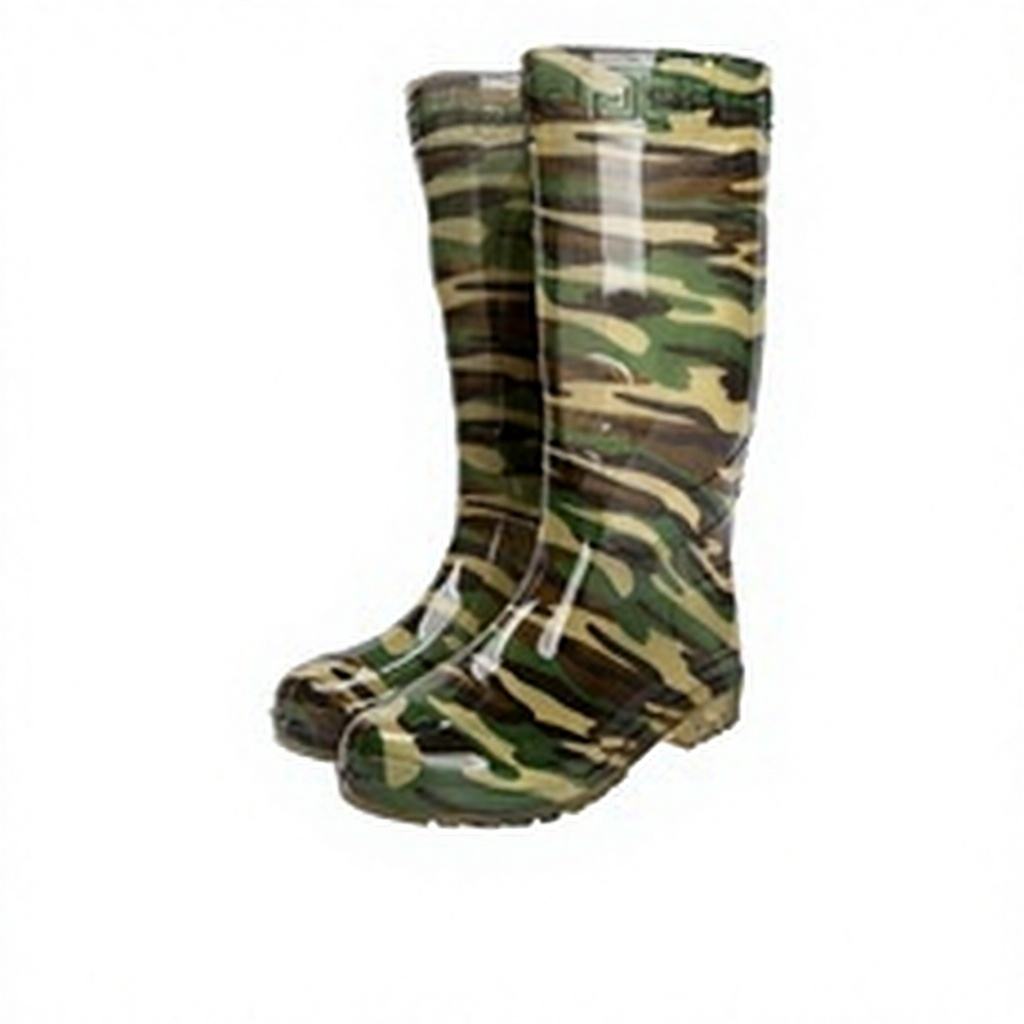
Meta Description: Extended outdoor treks in humid climates demand footwear that balances waterproof protection and breathability to prevent discomfort and blisters. This article explores how breathable rain boots hold up under sustained use, key material and design factors, and practical selection guidance to optimize performance. Professional Rain Boot Manufacturer.
Keywords: breathable rain boots, extended outdoor treks, humid climate boots, waterproof breathable footwear, boot material performance, boot use guidance
1. Core Problem Analysis
1.1 Common Causes of the Problem
Many users struggle with breathable rain boots failing to deliver consistent comfort during long humid-environment treks. Primary causes include mismatched material permeability, poor seam construction, unventilated linings, or lack of design tailored to sustained, strenuous activity. Excess moisture trapped inside the boot can lead to skin irritation, blisters, and reduced mobility, even when the outer layer remains fully waterproof.
1.2 Affected Usage Scenarios
These performance gaps impact a wide range of outdoor and work scenarios, including backcountry hiking in tropical rainforests, long-distance trail walking in monsoon regions, agricultural work in humid farm environments, and extended outdoor delivery or maintenance tasks in high-rain, high-humidity areas. Prolonged exposure to warm, wet conditions amplifies the risk of trapped internal moisture, making breathable boot performance particularly critical here.
2. Product and Process Principle
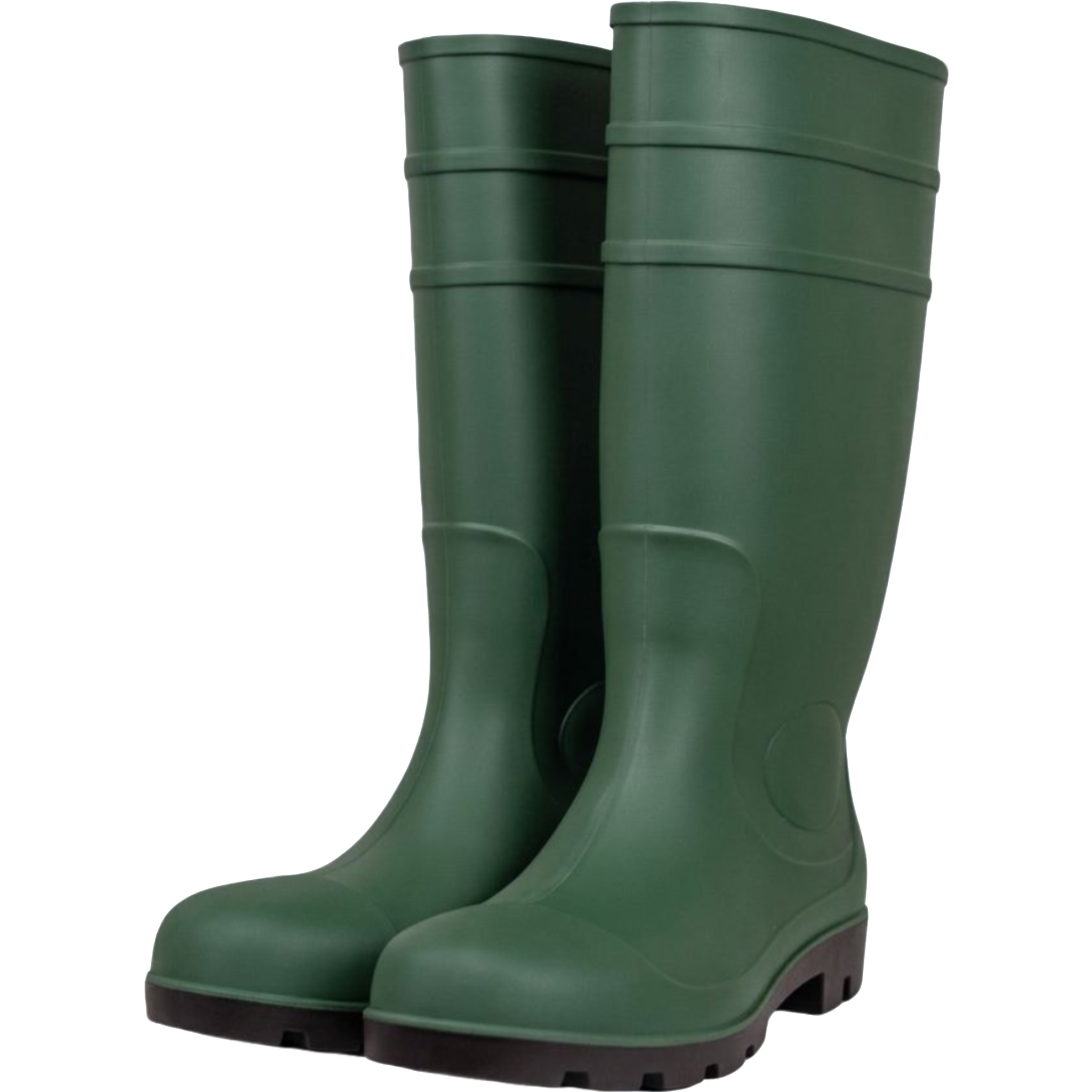
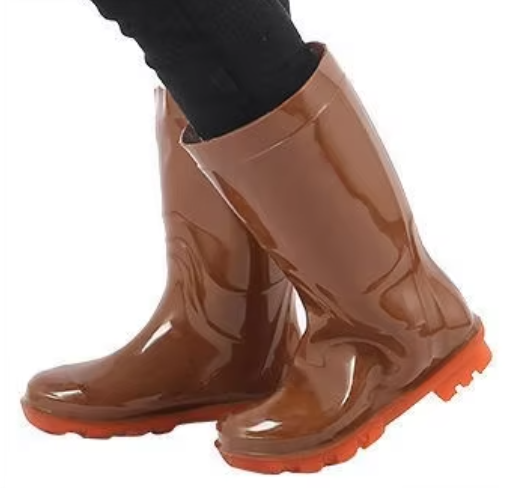
Breathable rain boots rely on material science and construction design to balance waterproof and breathable properties. Common materials include PVC, rubber, and technical membrane composites: technical membranes (like those meeting ISO standards) have micro-pores small enough to block liquid water (raindrops) but large enough to let water vapor (sweat) pass through. Seam-free construction and bonded joints further enhance waterproofness without compromising ventilation paths, while lining materials (such as perforated polyester or moisture-wicking fabrics) support internal air flow. Professional Rain Boot Manufacturer.
Manufacturing processes for breathable rain boots focus on precise compound formulation and molding control. For PVC boots, optimized plasticizer ratios reduce stiffness while maintaining permeability; for vulcanized rubber boots, controlled curing temperatures prevent membrane degradation. Seam bonding processes, rather than stitching, eliminate potential water entry points while preserving ventilation pathways, a key distinction from non-breathable traditional rubber boots.
3. Practical Solutions and Operation Steps
To maximize breathable rain boot performance during extended humid treks, follow these actionable selection and use steps:
- Verify permeability test compliance: Choose boots validated via ISO 20344:2021 sweat vapor transmission testing for humid, strenuous conditions
- Match boot height to terrain: Mid-calf or high-shaft styles reduce external water entry while leaving sufficient room for sock ventilation
- Test fit with activity socks: Select a half-size larger than street shoe size to accommodate foot swelling during long treks, without excess room that traps moisture
- Break in boots pre-use: Wear boots for 2-3 short sessions in humid conditions to soften linings and improve internal air circulation
- Add moisture-wicking insoles: Pair boots with breathable insoles to reduce internal sweat buildup, complementing the boot’s built-in ventilation
4. Daily Maintenance and Precautions
Proper maintenance preserves breathable rain boot performance over time. After each trek, wipe outer surfaces clean with a soft cloth and allow boots to air-dry in a shaded, well-ventilated area—avoid direct sunlight or high heat, which can degrade membrane permeability and material structure. For interior moisture, stuff with dry, absorbent cloths or cedar shoe trees to speed evaporation and prevent mildew. Avoid harsh solvents or strong detergents, as these can damage technical membranes; use mild soap and cool water only when cleaning exterior grime.
Key precautions: Do not use breathable rain boots as substitute for chemical-resistant or industrial safety boots (per EN 13832-3:2018), as their membrane performance is not designed for prolonged chemical exposure. Store boots in a cool, dry space away from heavy objects that can deform the shaft, which would disrupt internal ventilation pathways. For treks over 6 hours, consider a boot with reinforced ventilation panels if available, to support extra sweat vapor release.
5. Industry Standard and Parameter Reference
ParameterRecommended ReferenceWhy It Matters
Slip resistanceEN ISO 20347:2022+A1:2024Evaluates outsole grip on wet, muddy surfaces common in humid treks
Sweat vapor transmissionISO 20344:2021 Method 7Measures breathable performance, critical for prolonged use in humid conditions
Occupational waterproofnessISO 20347:2021 Clause 5.4Confirms outer layer blocks liquid water during extended wear
Temperature resistanceASTM F2412-24 Test 50.1Ensures material performance in variable outdoor trek temperatures
Do not fabricate performance values; use standard test categories only. For example, a boot that passes ISO 20344:2021 sweat vapor testing meets the minimum breathable performance for humid treks, while a boot failing this test will trap internal moisture over time.
6. Customer Common FAQ
Q: How do I tell if a breathable rain boot actually works for 8+ hour treks?
A: Look for boots with third-party test results citing ISO 20344:2021 sweat vapor transmission rate, plus user feedback for long treks. Professional Rain Boot Manufacturer.
Q: Can I use regular rain boots as a substitute for breathable rain boots in humid climates?
A: Regular non-breathable rubber or PVC boots will trap sweat, leading to discomfort, blisters, and reduced performance in humid, long-duration use.
Q: What size adjustment is best for breathable rain boots during treks?
A: Size half a larger than your standard shoe size to accommodate foot swelling, without excess space that allows moisture to circulate unnecessarily.
Q: Will cleaning my breathable rain boots reduce their breathability?
A: Cleaning with mild soap and cool water will not harm performance, but harsh chemicals or high heat drying can degrade membranes over time.
Conclusion
Breathable rain boots’ performance in extended humid-climate treks depends on material permeability, construction quality, and proper selection for the specific activity. By aligning boot choices with standardized test criteria, following maintenance best practices, and accounting for terrain and trek duration, users can avoid common issues like trapped moisture and discomfort. Professional Rain Boot Manufacturer.
References
- International Organization for Standardization. ISO 20344:2021, Footwear - Test methods for whole footwear, 2021.
- International Organization for Standardization. ISO 20347:2021, Occupational footwear, 2021.
- European Committee for Standardization. EN ISO 20347:2022+A1:2024, Occupational footwear, 2024.
- American Society for Testing and Materials. ASTM F2412-24, Standard Test Methods for Foot Protection, 2024.