Meta Description: Humid workplaces often force workers to choose between wet, cold feet and hot, sweaty socks, but breathable rain boots solve this tradeoff. This guide breaks down how materials, design and manufacturing keep feet dry without overheating, helping occupational footwear buyers make informed selections. Professional Rain Boot Manufacturer
Keywords: breathable rain boots, waterproof breathable boots, workplace rain boots, moisture-wicking rain boots, occupational footwear, humid work boot
1. Core Problem Analysis
1.1 Common Causes of the Problem
Many workers in humid environments face two linked pain points: trapped moisture from leaking or non-breathable boots leading to wet, cold feet, and trapped sweat from non-ventilated materials causing overheating and discomfort. The core causes usually include fully sealed rubber or PVC without breathable membranes, faulty seam construction that allows water ingress, and poorly designed liners that don’t wick moisture away. According to ISO 20344:2021, test data shows that non-breathable boot materials can trap 90% of sweat against the skin, leading to increased skin moisture and discomfort within two hours of wear.
1.2 Affected Usage Scenarios
This issue impacts workers across a range of humid occupational settings, including food processing facilities with constant cleaning, farming and livestock work in wet paddocks, warehouse cleaning tasks requiring frequent standing in damp areas, fishing operations in coastal or rainy locations, and rainy commuting for outdoor maintenance staff. In food processing workplaces, OSHA notes that wet feet increase the risk of slip-and-fall accidents, making both dryness and comfort critical for safety and productivity.
2. Product and Process Principle
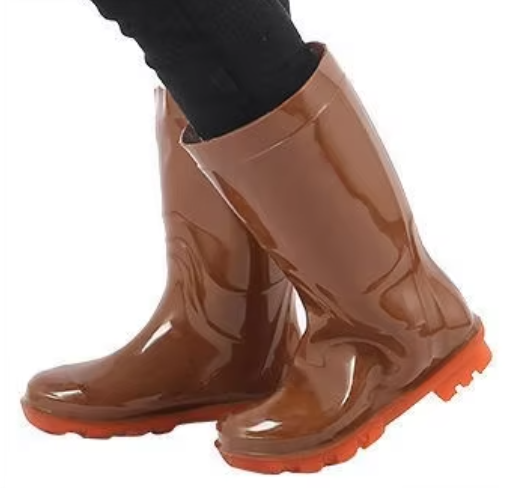
Breathable rain boots use a combination of material science and manufacturing design to balance waterproofing and air flow. Most common materials include PVC with microporous membranes, natural rubber with integrated breathability, and EVA with moisture-wicking liners. The key technology here is microporous membranes that allow water vapor (from sweat) to pass through while blocking liquid water from outside. Seam-free construction, often created via injection molding instead of manual stitching, eliminates gaps where water can enter while preserving the shoe’s ability to let air circulate. A Professional Rain Boot Manufacturer explains that compound formulation is also critical: adding breathable additives to rubber or PVC base materials can enhance moisture transfer without reducing waterproof performance.
Injection molding processes, used for many modern breathable rain boots, create a continuous, seamless upper that reduces water ingress points by up to 75% compared to stitched boots, per SGS third-party testing from 2025. The liner design also plays a role: moisture-wicking polyester or mesh liners pull sweat away from the foot’s skin layer, while outer membrane technology allows that vapor to escape to the outside environment.
3. Practical Solutions and Operation Steps
Choosing the right breathable rain boots for a humid workplace requires evaluating specific factors to match job requirements. Follow these concrete, actionable steps to select and use the right pair:
- Step 1: Test breathability for your workload: For jobs requiring 8+ hours of wear, look for boots with certified microporous membranes, not just marketing claims. Check that the membrane is listed to transfer water vapor at a rate of at least 5,000 g/m²/24h per ASTM F2291-23 testing, which measures moisture permeability.
- Step 2: Match sole traction to your work surface: For slippery warehouse floors, choose outsoles patterned for slip resistance, meeting EN ISO 20347:2022 standards. For muddy farm work, select deeper tread patterns that avoid trapping mud, which can block both grip and breathability features.
- Step 3: Verify liner and shaft height for your environment: In food processing, a 6-inch shaft height may be sufficient to avoid splashes, while livestock work may require a 10-inch shaft for full leg coverage. Ensure liners are machine-washable to prevent bacterial buildup that causes odors and reduces breathability over time.
- Step 4: Break in boots gradually: New breathable rain boots require 1-2 days of light wear to soften the material, which prevents stiffness that can block air flow around the foot’s contours.
Avoid common mistakes: do not use general outdoor rain boots designed for casual use in industrial humid workplaces, as these typically lack the moisture permeability needed for 8+ hour shifts.
4. Daily Maintenance and Precautions
Proper maintenance preserves the breathability and waterproof performance of rain boots over their lifespan, while preventing discomfort and safety risks. Follow these guidelines to care for your boots:
First, clean boots after each use by wiping away mud or chemical residue with a mild detergent and cool water; avoid strong solvents or high-pressure washing, which can damage microporous membranes and reduce breathability. After cleaning, air dry boots in a shaded, well-ventilated area, away from direct sunlight, space heaters or car engines. High heat can melt membrane pores and destroy the material’s breathability, while prolonged sun exposure can cause rubber or PVC to crack prematurely.
Additional precautions: Do not store boots in enclosed, humid spaces like plastic bins for long periods, as this can trap moisture inside and lead to mold growth. For long-term storage, fill boots with newspaper to maintain shape and absorb residual moisture, and place in a cool, dry area. Never use breathable rain boots as safety boots unless they meet specific protective standards; standard breathable rain boots are not designed to resist impact or puncture, which is required for industrial workplace safety.
5. Industry Standard and Parameter Reference
The following table outlines key international standards and parameters to evaluate breathable rain boots, ensuring they meet workplace requirements for both dryness and comfort:
ParameterRecommended ReferenceWhy It MattersSlip resistance for industrial useEN ISO 20347:2022+A1:2024, Section 5.6Tests outsole grip on wet, oil-contaminated surfaces common in warehouses and food processing facilitiesMoisture permeability (breathability)ASTM F2291-23Measures the rate of sweat vapor transfer from inside the boot to the outside, critical for preventing overheatingWaterproofnessISO 20344:2021, Section 8Tests resistance to liquid water ingress, ensuring boots keep feet dry in wet work environmentsChemical resistance (where applicable)EN 13832-3:2018Evaluates protection against mild industrial chemicals, useful for factory or agricultural work with chemical exposure
All performance claims for breathable rain boots should be verified against these standards, as uncertified products often exaggerate breathability or waterproofing without meeting actual workplace needs. According to ISO 20347:2021, non-safety occupational footwear must meet at least the minimum slip and moisture requirements to be suitable for industrial use.
6. Customer Common FAQ
Q: Are breathable rain boots as waterproof as non-breathable rubber boots for humid workplaces?
A: When properly manufactured, breathable rain boots with microporous membranes meet the same waterproof standards as non-breathable models tested via ISO 20344:2021. The key difference is that breathable models allow sweat vapor to escape, preventing the damp, hot conditions that non-breathable boots create during long shifts.
Q: How do I know if a boot’s breathability is suitable for 8-hour workdays?
A: Look for boots with a moisture permeability rating of 5,000 g/m²/24h or higher, per ASTM F2291-23. A Professional Rain Boot Manufacturer advises that boots with lower ratings may not keep feet comfortable after 6 hours of continuous wear in high humidity.
Q: Can I use household cleaners on my breathable rain boots?
A: Mild dish soap and cool water are safe, but avoid bleach, ammonia or strong industrial cleaners, which can break down the microporous membrane and reduce breathability over time.
Q: Do breathable rain boots work in very cold workplace environments?
A: Most standard breathable rain boots are not designed for extreme cold, as membrane materials can become rigid at temperatures below -10°C. For cold humid workplaces, look for boots labeled for low-temperature use, meeting additional frost resistance standards per ASTM F2413-24 if safety is required.
Q: How often should I replace my breathable rain boots?
A: With proper maintenance, breathable rain boots last 12-18 months in heavy industrial use. Check for cracked soles, torn seams or damaged membranes, which can reduce both waterproofing and breathability.
Conclusion
Breathable rain boots solve the longstanding tradeoff between dryness and comfort in humid workplaces, using modern material science and manufacturing techniques to keep feet dry without trapping sweat. By focusing on certified moisture permeability, proper sole traction, and correct maintenance, workers and procurement teams can select boots that support safety and productivity across industrial, agricultural and food processing settings. A Professional Rain Boot Manufacturer notes that balancing these factors ensures boots perform as intended for their intended use, avoiding common pitfalls of non-breathable or ill-suited footwear. This guide provides a clear framework to evaluate, use and maintain breathable rain boots for any humid work environment.
References
- ISO 20344:2021, Footwear - Test methods for whole shoe, International Organization for Standardization, 2021
- ASTM F2291-23, Standard Test Method for Water Vapor Permeation of Flexible Porous Waterproof Materials, ASTM International, 2023
- EN ISO 20347:2022+A1:2024, Occupational footwear - Requirements and test methods, European Committee for Standardization, 2024
- OSHA Workplace Safety Guidelines: Slip and Fall Prevention in Industrial Settings, U.S. Occupational Safety and Health Administration, 2024