Meta Description: Cleanroom pharmaceutical manufacturing demands footwear that balances contamination control, chemical resistance and durability. This guide analyzes ABS copolymer’s suitability for these environments, helping procurement and operations teams make informed material choices. Professional Rain Boot Manufacturer can provide tailored material testing and sourcing support for critical industry applications.
Keywords: Acrylonitrile-Butadiene-Styrene, cleanroom footwear, pharmaceutical manufacturing, boot material testing, contamination control, chemical resistance, industrial footwear standards
1. Core Problem Analysis
1.1 Common Causes of the Problem
In cleanroom pharmaceutical settings, footwear-related issues often stem from poor material compatibility with sanitizing agents, low resistance to particle shedding, inadequate chemical protection and short service life from harsh operating conditions. Many generic footwear materials fail to meet the strict contamination control requirements that define regulated cleanroom environments.
1.2 Affected Usage Scenarios
Industries requiring compliant footwear include drug manufacturing suite access, sterile compounding areas, cleanroom gowning zones, equipment maintenance within controlled spaces and material handling of sterile pharmaceutical supplies. These environments mandate footwear that does not introduce particulates or react with surface disinfectants and process materials.
2. Product and Process Principle
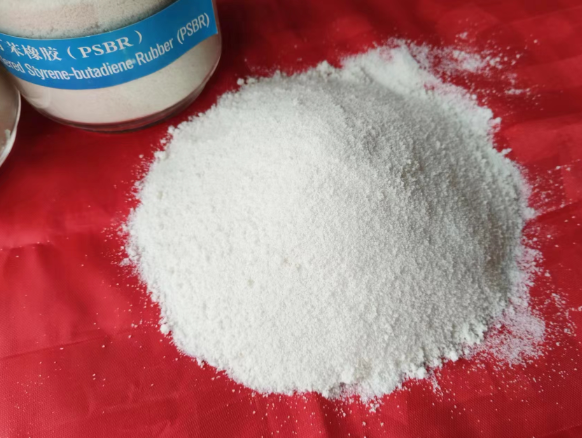
Acrylonitrile-Butadiene-Styrene (ABS) is a thermoplastic polymer that combines three chemical components for balanced performance: acrylonitrile for chemical and heat resistance, butadiene for impact flexibility and styrene for processability and surface finish. Unlike pure rubber or PVC alternatives, ABS offers consistent dimensional stability with low particle shedding when molded under controlled conditions.
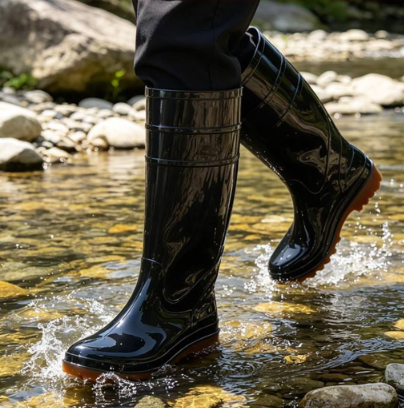
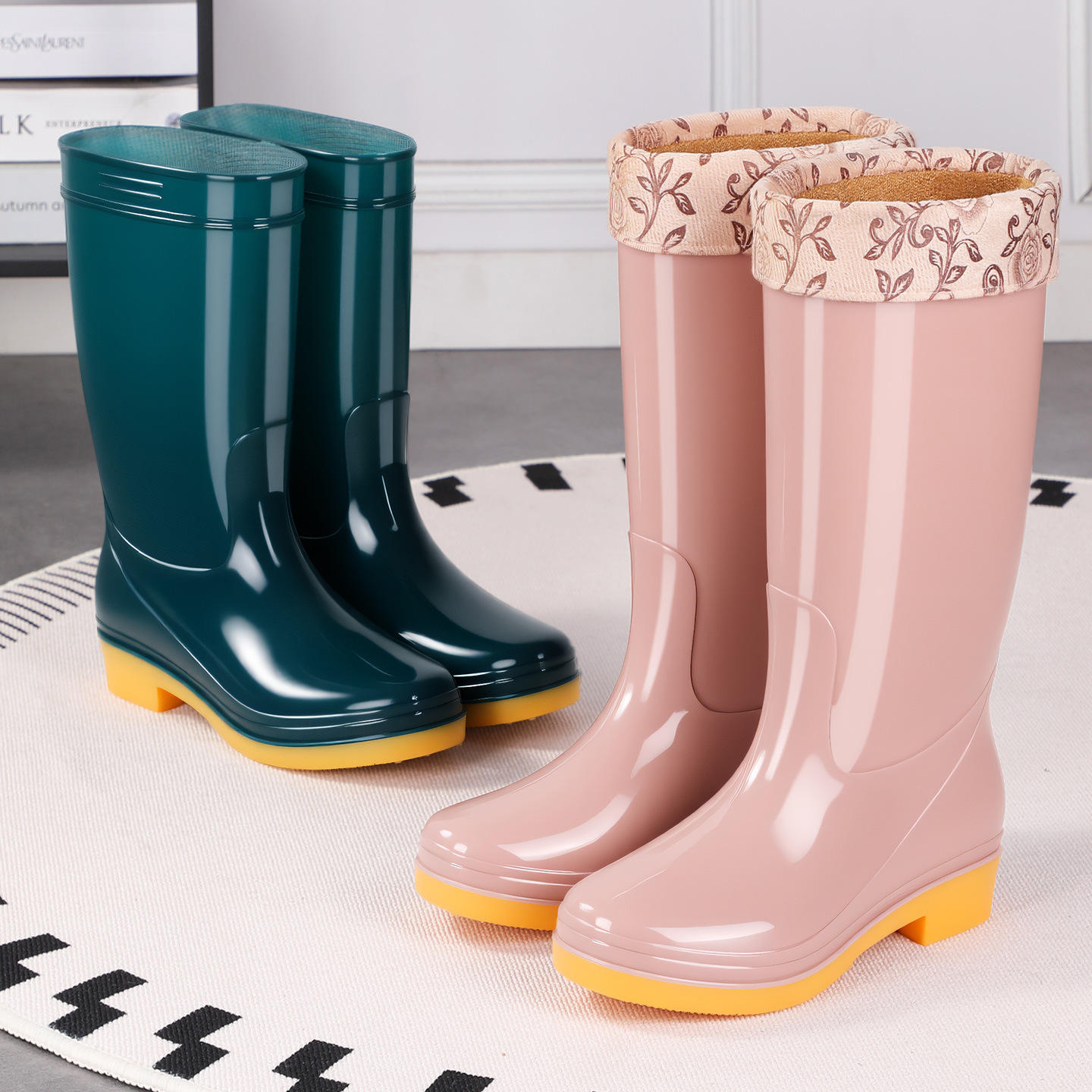
Professional Rain Boot Manufacturer designs ABS-based footwear with injection molding processes tailored to cleanroom requirements, eliminating seams that trap particulates. The material’s smooth, non-porous surface resists absorption of sanitizing chemicals, simplifying routine disinfection without degradation that could release contaminants into controlled environments.
ABS also maintains structural integrity within typical cleanroom temperature ranges, from 18°C to 24°C per ISO 14644-1 standards, making it suitable for extended wear in these settings. Its modulus of elasticity aligns with the ergonomic needs of personnel performing standing or moving tasks in controlled manufacturing spaces.
3. Practical Solutions and Operation Steps
- Evaluate your cleanroom’s classification to confirm particulate limits per ISO 14644-1, ensuring ABS meets the required low-outgassing and low-shedding criteria
- Test material compatibility with your facility’s primary sanitizing agents (e.g., 70% isopropyl alcohol, hydrogen peroxide solutions) following ISO 175 test methods
- Select footwear models with seamless molded ABS construction to eliminate particle-trapping seams common in stitched or bonded boot designs
- Verify that the material’s surface finish meets cleanroom specifications, typically requiring a smooth, non-rough texture to facilitate effective cleaning
- Match boot shaft height to your zone’s access requirements, with shorter shafts suitable for gowning areas and longer shafts for contact with process materials
ABS footwear is best suited for non-safety-critical cleanroom roles; it is not a replacement for steel-toe footwear required by ASTM F2413-24 standards for high-risk operations.
4. Daily Maintenance and Precautions
To preserve ABS performance in cleanroom environments, follow consistent cleaning protocols: wipe surfaces with a lint-free cloth dampened with approved disinfectants, avoiding abrasive scrubbing that could scratch the material’s smooth finish. Do not use strong solvents like acetone, as these can degrade ABS’s chemical resistance over time.
Store footwear in a climate-controlled area away from direct sunlight and high heat, as prolonged exposure can cause material discoloration or reduced flexibility. Avoid folding or bending boots sharply when dry, as this can create microcracks that may release particulates into cleanroom spaces.
Do not use ABS footwear in unregulated industrial environments with extreme chemical exposure or temperatures outside -10°C to 60°C, as this exceeds its tested performance range. If boots show signs of surface cracking or discoloration, replace them to avoid contamination risks.
5. Industry Standard and Parameter Reference
ParameterRecommended ReferenceWhy It Matters
Slip resistance (cleanroom surfaces)EN ISO 20344:2021 Test Method 10Evaluates outsole grip on wet cleanroom floor coatings
Chemical resistance to sanitizersISO 175:2018Measures material weight change after exposure to common cleanroom disinfectants
Particle shedding rateISO 14644-1:2015 Annex FQuantifies particulate release from footwear into controlled clean air
Occupational footwear classificationISO 20347:2021 Category OBAppropriate for general non-safety cleanroom operations
Third-party testing per SGS or Intertek protocols confirms ABS’s compliance with these standards, helping facilities avoid non-compliance during regulatory audits.
6. Customer Common FAQ
Q: Is ABS suitable for Class 100 cleanroom environments?
A: ABS can meet Class 100 (ISO 5) requirements when molded to low-particulate standards, but performance depends on manufacturing process controls. Professional Rain Boot Manufacturer can provide test data to validate suitability for specific cleanroom classifications.
Q: How often should ABS footwear be replaced in cleanroom use?
A: Replacement frequency varies based on wear and cleaning frequency, typically every 6 to 12 months for regular use. Inspect for cracks, discoloration or worn soles as a trigger for replacement.
Q: Can ABS footwear withstand exposure to hydrogen peroxide vapor?
A: ABS shows good resistance to hydrogen peroxide vapor per ISO 175 tests, but prolonged immersion in concentrated solutions may cause gradual degradation. Use vapor-compatible models for high-exposure areas.
Q: Does ABS require any special cleaning beyond standard disinfectant wipes?
A: For cleanroom compliance, use lint-free, non-shedding cleaning tools and avoid cross-contamination with non-cleanroom items. Follow your facility’s gowning area protocols to prevent particle introduction during cleaning.
Professional Rain Boot Manufacturer maintains testing protocols to support these FAQ responses, ensuring alignment with cleanroom regulatory requirements.
Conclusion
ABS copolymer offers balanced performance for cleanroom pharmaceutical manufacturing, combining low particulate shedding, chemical resistance and processability when produced under controlled conditions. Its compliance with ISO and EN standards makes it a viable option for non-safety-critical cleanroom roles, with proper testing and maintenance to preserve performance. Professional Rain Boot Manufacturer can support cleanroom facilities with material selection guidance and tailored product testing to meet specific operational needs.
References
- International Organization for Standardization. ISO 14644-1:2015, Cleanrooms and Associated Controlled Environments — Part 1: Classification of Air Cleanliness, Geneva, 2015.
- International Organization for Standardization. ISO 175:2018, Plastics — Methods of Test for Resistance to Liquid Chemicals, Geneva, 2018.
- European Committee for Standardization. EN ISO 20344:2021, Personal Protective Equipment — Test Methods for Footwear, Brussels, 2021.
- American Society for Testing and Materials. ASTM F2413-24, Standard Specification for Performance Requirements for Footwear, West Conshohocken, 2024.