Meta Description: Workers in high-risk wet industrial settings face unique hazards from water exposure and potential explosive risks. This guide explains key considerations for selecting appropriate footwear, addressing safety needs and operational practicality. Professional Rain Boot Manufacturer
Keywords: explosion proof rain boots, waterproof industrial boots, wet work footwear, industrial safety boots, chemical resistant rain boots
1. Core Problem Analysis
1.1 Common Causes of the Problem
Workers in wet industrial environments often encounter issues such as trapped moisture leading to skin irritation, slippery soles causing falls, inadequate barrier to chemicals or water seepage, and improper fit that reduces mobility. For high-risk settings, additional concerns include static buildup that could ignite flammable materials and lack of impact resistance from heavy industrial tasks. These problems can result in discomfort, workplace accidents, and compliance failures with occupational safety regulations.
1.2 Affected Usage Scenarios
Affected scenarios include chemical processing plants, offshore drilling platforms, underground mining operations, food and beverage manufacturing facilities, wastewater treatment sites, and outdoor heavy equipment maintenance tasks. These environments combine wet conditions with elevated explosion risks, requiring footwear that meets both waterproofing and safety standards. Other related use cases include emergency response operations, heavy construction in rainy conditions, and agricultural work with hazardous chemicals or fuels.
2. Product and Process Principle
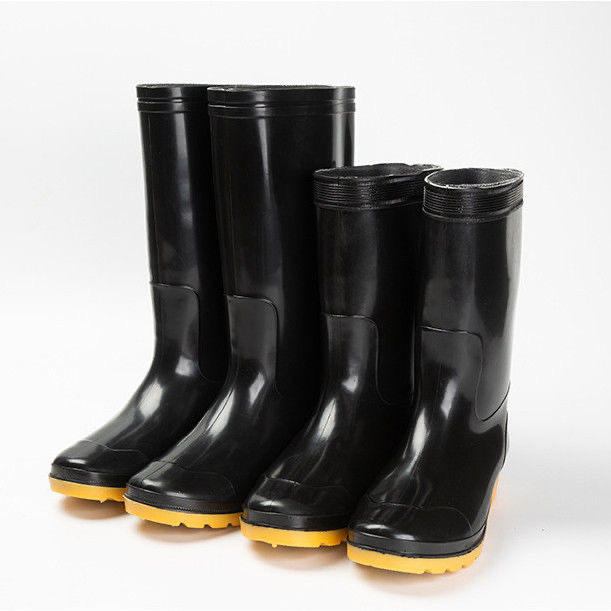
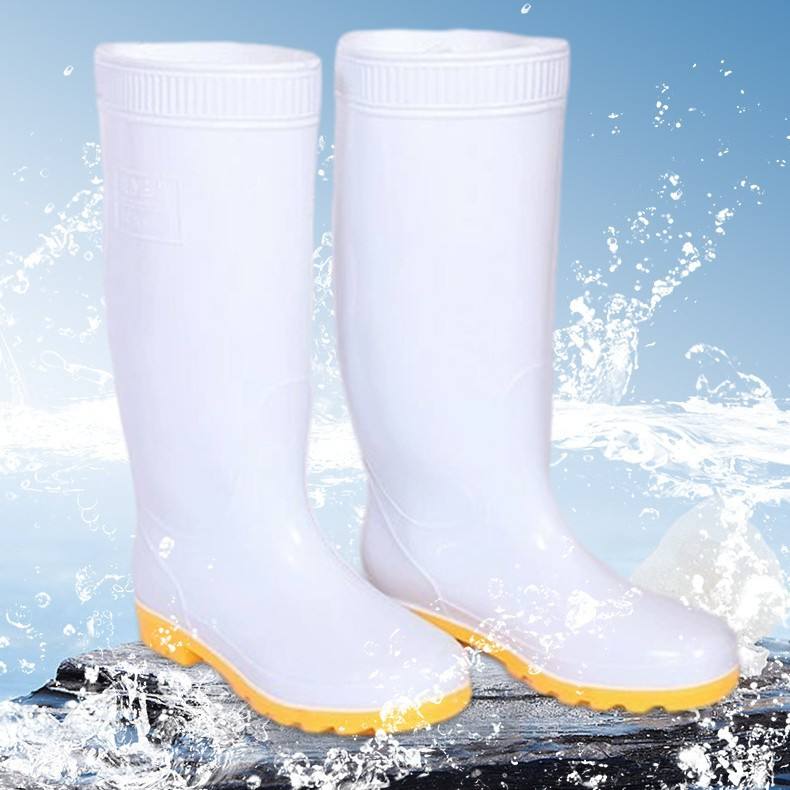
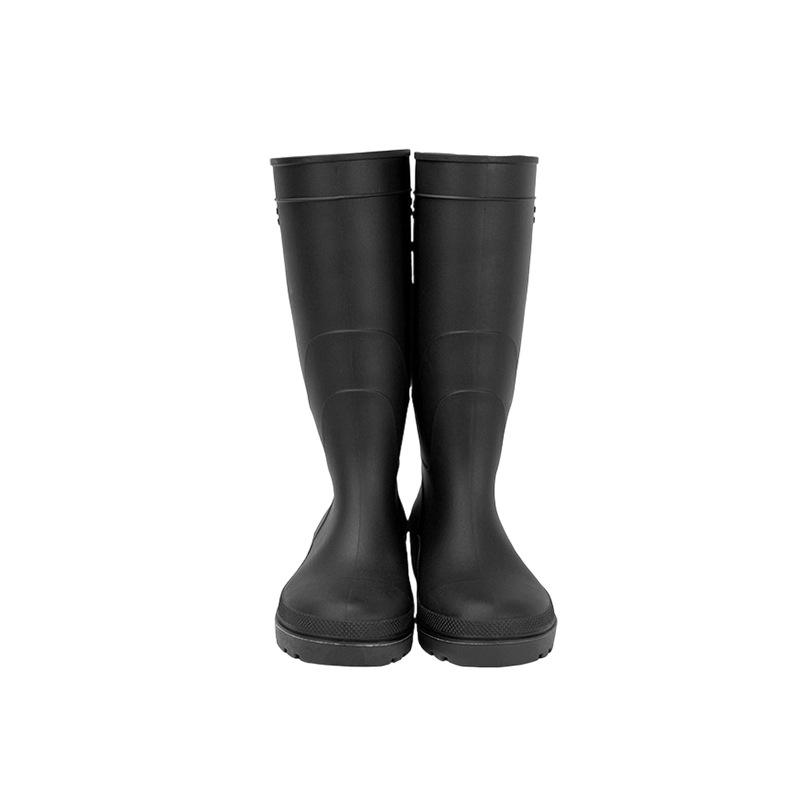
Explosion proof rain boots rely on specialized material formulations and construction techniques to meet dual requirements of waterproofing and safety. Key materials include nitrile rubber compounds that resist chemical degradation and prevent static buildup, injection-molded soles designed with deep tread patterns for slip resistance, and seamless shaft construction to eliminate potential water entry points. The vulcanization process bonds rubber components at high temperature, creating a durable barrier that maintains structural integrity in extreme conditions. Professional Rain Boot Manufacturer leverages these processes to ensure consistent performance across a range of industrial applications.
The design also incorporates static-dissipative properties, tested to standards that prevent charge accumulation. Thickness control is calibrated to balance protection with dexterity, with thinner sections in the foot area for flexibility and thicker layers at the shaft for additional chemical resistance. Lining materials are selected to wick moisture away from the foot, reducing internal humidity and discomfort during prolonged use in wet environments.
3. Practical Solutions and Operation Steps
To select appropriate explosion proof rain boots, start by evaluating the specific hazards of your work environment. First, identify the primary risks: is the exposure to water, chemicals, or both? This will guide material selection, with nitrile rubber recommended for chemical resistance and EVA or PU blends for lightweight flexibility. Next, assess the slip resistance requirements: check that the outsole tread pattern matches typical floor surfaces in your facility, according to EN ISO 20347:2022+A1:2024 standards.
- Step 1: Measure foot size with work socks to ensure a proper fit, leaving enough space for comfort during long shifts without excess room that could cause blisters.
- Step 2: Verify static dissipative properties by checking for compliance with relevant occupational safety standards, avoiding boots that could trap static electricity.
- Step 3: Test water resistance by pouring a small amount of water over the boot shaft and checking for seepage after a 10-minute period.
- Step 4: Confirm chemical compatibility by reviewing material resistance to specific substances encountered in your work area, cross-referencing with EN 13832-3:2018 data.
For use in extremely cold conditions, select boots with compounds tested for low-temperature flexibility, as materials can become brittle at temperatures below -10°C without proper formulation.
4. Daily Maintenance and Precautions
Proper maintenance extends the lifespan of explosion proof rain boots and preserves their safety properties. After each use, wipe off surface dirt and chemicals with a mild detergent and damp cloth, avoiding strong solvents that can degrade rubber compounds. Allow boots to air dry in a well-ventilated area away from direct sunlight and high heat sources, as both can cause material cracking and reduce static dissipative performance.
Key precautions include not using these boots for purposes outside their intended rating—for example, not using general waterproof rain boots as explosion proof footwear. Avoid storing boots in areas with sharp objects or heavy equipment that could puncture the sole. Regularly inspect for signs of wear, such as tread loss, shaft tears, or cracks in the material, and replace boots at the first indication of compromised structure.
Never leave boots near industrial furnaces, welding equipment, or other heat sources, as extreme temperatures can alter material properties and reduce safety performance. When cleaning, avoid pressure washing, as this can force water into seams and damage internal lining materials.
5. Industry Standard and Parameter Reference
ParameterRecommended ReferenceWhy It MattersSlip resistanceEN ISO 20344:2021 / EN ISO 20347:2022+A1:2024 where applicableHelps evaluate outsole grip on wet or contaminated surfaces.Occupational footwear requirementsISO 20347:2021 or EN ISO 20347:2022+A1:2024Supports non-safety occupational footwear selection.Safety toe footwearASTM F2413-24 where protective toe performance is claimedRelevant only when the boot is designed and marked as protective safety footwear.Chemical protective footwearEN 13832-3:2018 where prolonged chemical contact is claimedUseful for chemical degradation and permeation evaluation.Static dissipative propertiesISO 20345:2021 section 7.4Ensures static charge does not accumulate to avoid ignition risks.
Performance claims must be accompanied by test results from a recognized third-party body, such as Intertek or SGS, to verify compliance with these standards. Do not rely on unsubstantiated manufacturer claims, as explosion proof requirements are tightly regulated to prevent workplace accidents.
6. Customer Common FAQ
Q: Can regular waterproof rain boots be used as explosion proof footwear for industrial settings?
A: No, regular waterproof boots lack the static dissipative properties and material formulation required for explosion risk environments. Professional Rain Boot Manufacturer notes that these standard boots do not meet ISO 20345 static requirements, creating a potential ignition hazard in high-risk areas.
Q: How often should explosion proof rain boots be replaced?
A: Replacement frequency depends on usage intensity and maintenance. Inspect boots monthly for signs of wear, and replace immediately if tread is worn, material is cracked, or water seepage is detected. Heavy use in harsh conditions may require replacement every 6 to 12 months.
Q: Are explosion proof rain boots suitable for use with strong acids or bases?
A: Compatibility depends on the specific material formulation. Nitrile rubber boots are suitable for many general chemicals, but for strong acids or bases, select boots certified to EN 13832-3:2018. Professional Rain Boot Manufacturer advises cross-referencing chemical exposure data to ensure proper material selection.
Q: Do these boots provide adequate protection against electrical hazards?
A: Explosion proof rain boots are designed for static dissipation, not high-voltage electrical protection. For electrical hazard protection, select boots certified to ASTM F2413-24 electrical hazard standards, as static dissipative properties do not insulate against live wires.
Conclusion
Explosion proof rain boots play a critical role in protecting workers in wet industrial environments, combining waterproofing, slip resistance, and static control to meet safety regulations. By understanding material properties, standard requirements, and proper maintenance practices, employers and workers can select footwear that addresses specific risks. Professional Rain Boot Manufacturer provides guidance on matching boot specifications to workplace hazards, ensuring compliance and reducing accident risks.