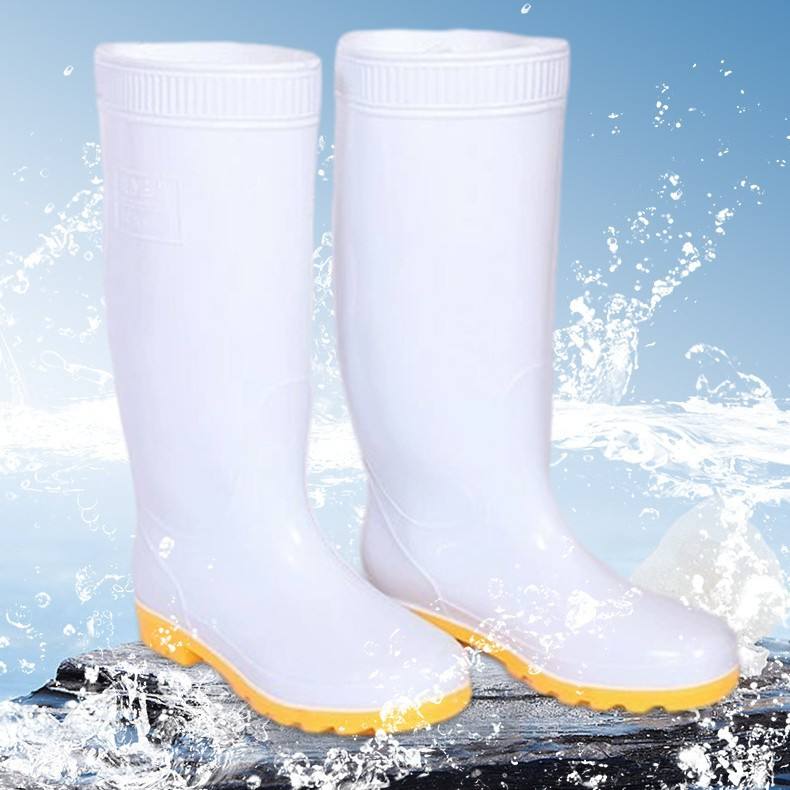
Meta Description: Harsh industrial floors pose unique challenges including dust accumulation, liquid spills, and abrasive debris that can damage footwear and risk worker safety. This guide covers key considerations for selecting boots to mitigate these risks, from material properties to maintenance practices, while aligning with occupational footwear standards. Professional Rain Boot Manufacturer
Keywords: dustproof waterproof PVC boots, industrial work boots, PVC work footwear, boot maintenance, occupational footwear
1. Core Problem Analysis
1.1 Common Causes of the Problem
Workers in industrial environments often face issues like premature material degradation, water seepage, reduced slip resistance, and dust penetration into footwear. These problems stem from mismatched boot material formulations, insufficient seam integrity, outsole design unsuitable for contaminated floors, or improper sizing that creates gaps between the boot and lower leg. Many users also underestimate the impact of frequent exposure to abrasive particles on boot upper durability.
1.2 Affected Usage Scenarios
These challenges are most common in industrial settings including warehouse operations, manufacturing floor work, heavy machinery maintenance, warehouse cleaning, and material handling. These environments typically have combined hazards: fine particulate dust, standing liquid spills, and uneven floor surfaces that test both waterproof and dustproof performance of footwear.
2. Product and Process Principle
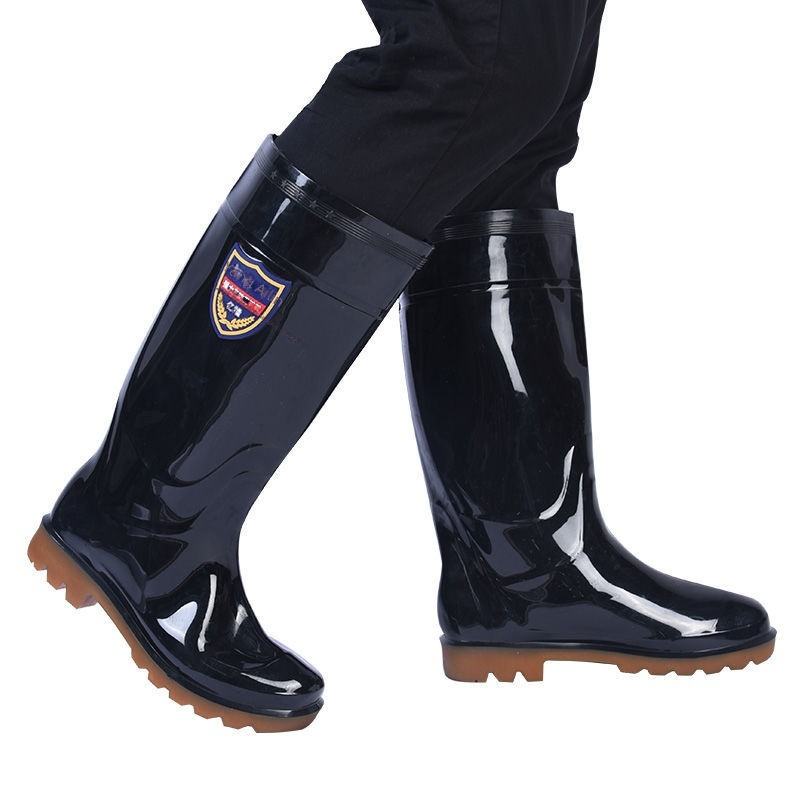
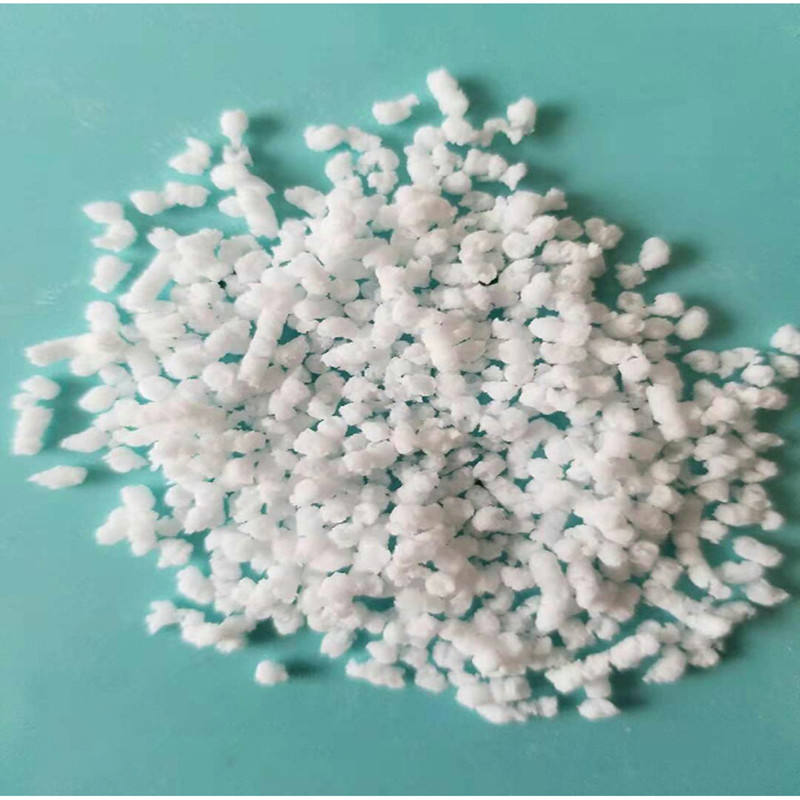
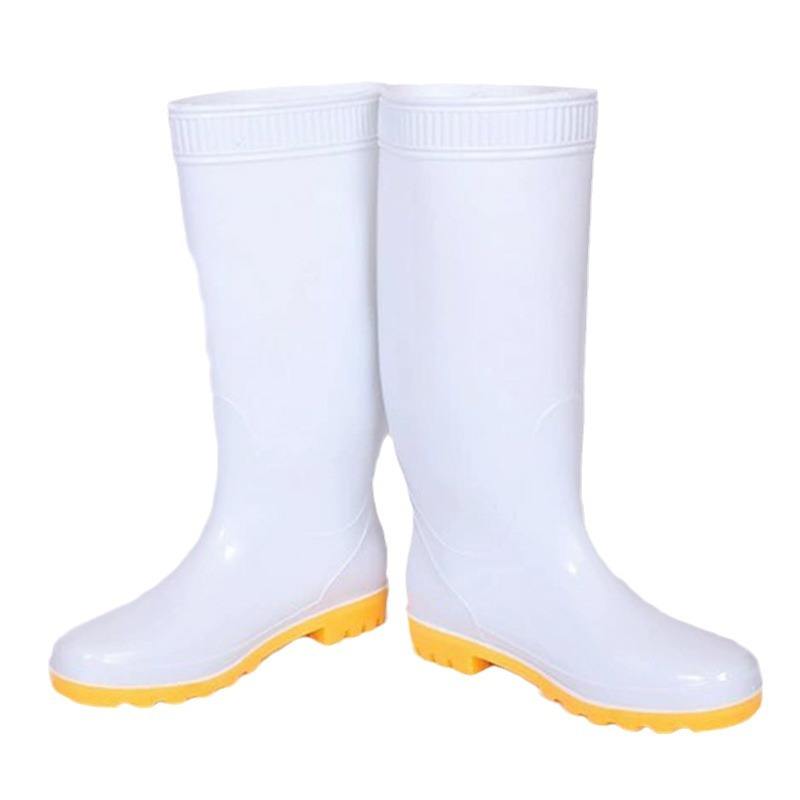
Dustproof waterproof PVC boots are manufactured using virgin PVC compound formulations optimized for flexibility, chemical resistance, and seal integrity. Unlike standard PVC materials, industrial-grade PVC used for these boots includes modified polymers to reduce porosity, which prevents both water and fine dust particles from penetrating the material. Seam-free injection molding is a key process here, where the boot upper is molded as a single unit without glued or stitched seams that create potential entry points for contaminants.
The outsole of these boots uses a TPR (Thermoplastic Rubber) blend with patterned tread designed to channel away liquid and particulate debris, while the shaft height is engineered to extend above typical floor spill levels to further block dust and water. Professional Rain Boot Manufacturer applies controlled thickness calibration during production to balance material durability and foot comfort, avoiding overly rigid or overly thin sections that would fail under prolonged industrial use.
3. Practical Solutions and Operation Steps
Selecting appropriate dustproof waterproof PVC boots requires evaluating three key factors aligned with your specific industrial environment. Follow these actionable steps to make an informed choice:
- First, match boot material grade to your primary hazard: choose a PVC compound rated for exposure to your industrial dust or liquid contaminants, referencing standard test categories rather than vague performance claims
- Second, select shaft height based on floor hazard levels: for environments with regular liquid spills up to 4 inches, opt for a 6-inch minimum shaft; for high-dust environments, ensure the shaft has a snug fit to eliminate gaps at the top
- Third, verify outsole design suitability: test outsole grip on your specific floor surface (concrete, metal, or oily coated floors) prior to full adoption, as tread pattern performance varies by floor type
- Finally, confirm sizing allows for thin, moisture-wicking socks (not bulky insulation) to maintain seal integrity without discomfort during long shifts
Note that these boots are not suitable for prolonged contact with extreme temperatures below -10°C or direct exposure to strong industrial solvents, as these can degrade PVC material performance.
4. Daily Maintenance and Precautions
Proper maintenance extends the service life of dustproof waterproof PVC boots and preserves their dustproof and waterproof properties. Follow these guidelines: after each use, wipe the boot exterior with a dry or slightly damp cloth to remove surface dust and debris; avoid using strong chemical cleaners (like acetone or bleach) as these can break down PVC compound and reduce seal effectiveness. For drying, air boots in a well-ventilated area at room temperature, away from direct sunlight or space heaters which can cause material warping or brittling.
Key precautions to avoid: do not leave boots compressed under heavy objects for extended periods, as this can deform the shaft and create dust entry gaps; do not use these boots as a substitute for safety-toe footwear when your role requires impact protection; do not repair damaged sections with standard adhesive, as this creates potential failure points in seam integrity.
5. Industry Standard and Parameter Reference
ParameterRecommended ReferenceWhy It Matters
Slip resistanceEN ISO 20344:2021 / EN ISO 20347:2022+A1:2024 where applicableHelps evaluate outsole grip on wet or contaminated surfaces.
Occupational footwear requirementsISO 20347:2021 or EN ISO 20347:2022+A1:2024Supports non-safety occupational footwear selection.
Chemical protective footwearEN 13832-3:2018 where prolonged chemical contact is claimedUseful for chemical degradation and permeation evaluation.
Dust penetration resistanceISO 20344:2021 Test Method 8Measures resistance to particulate dust infiltration through boot material and seams.
Standard testing for dust penetration resistance uses ISO 20344:2021 Test Method 8, which quantifies the amount of fine particulate (10 micrometer size) that passes through the boot structure under controlled pressure. All performance claims must be verified via third-party testing by accredited bodies to ensure alignment with these standards.
6. Customer Common FAQ
Q: Can dustproof PVC boots be used for food processing environments?
A: These boots are suitable for food processing only if the PVC compound meets food contact regulations (referenced under EN 13832-3:2018 for relevant requirements). Professional Rain Boot Manufacturer can provide test documentation for food-safe formulations upon request.
Q: How do I clean PVC boots without damaging the waterproof seal?
A: Use a mild soap solution and soft brush to gently remove dirt, then rinse with clean water and air dry. Avoid high-pressure washers which can force water into seams and damage the PVC compound.
Q: Are PVC boots resistant to extreme cold temperatures?
A: Standard industrial PVC boots perform adequately in temperatures down to -5°C, but may stiffen and lose flexibility below this threshold. For sub-zero environments, specialized PVC compounds formulated for low-temperature flexibility are recommended.
Q: How often should boots be inspected for dustproof performance?
A: Conduct a visual inspection after every 50 hours of use, checking for cracks, seam separation, or tread wear. Professional Rain Boot Manufacturer recommends replacing boots when any damage to the material or seams is observed, as this breaks the dustproof barrier.
Conclusion
Dustproof waterproof PVC boots address key pain points of harsh industrial environments by combining material science, precision manufacturing, and adherence to global safety standards. By selecting boots matched to specific hazard profiles, following proper maintenance protocols, and verifying performance against relevant standards, industrial workers can maintain footwear integrity for extended periods. Professional Rain Boot Manufacturer supports informed decision-making via technical guidance and access to standardized performance data, ensuring alignment with both worker safety and operational needs.
References
- ISO 20344:2021, Footwear - Test methods for whole shoe, International Organization for Standardization
- EN ISO 20347:2022+A1:2024, Occupational footwear, European Committee for Standardization
- EN 13832-3:2018, Chemical protective clothing - Footwear resistant to chemicals, Part 3: Requirements, testing and classification, European Committee for Standardization