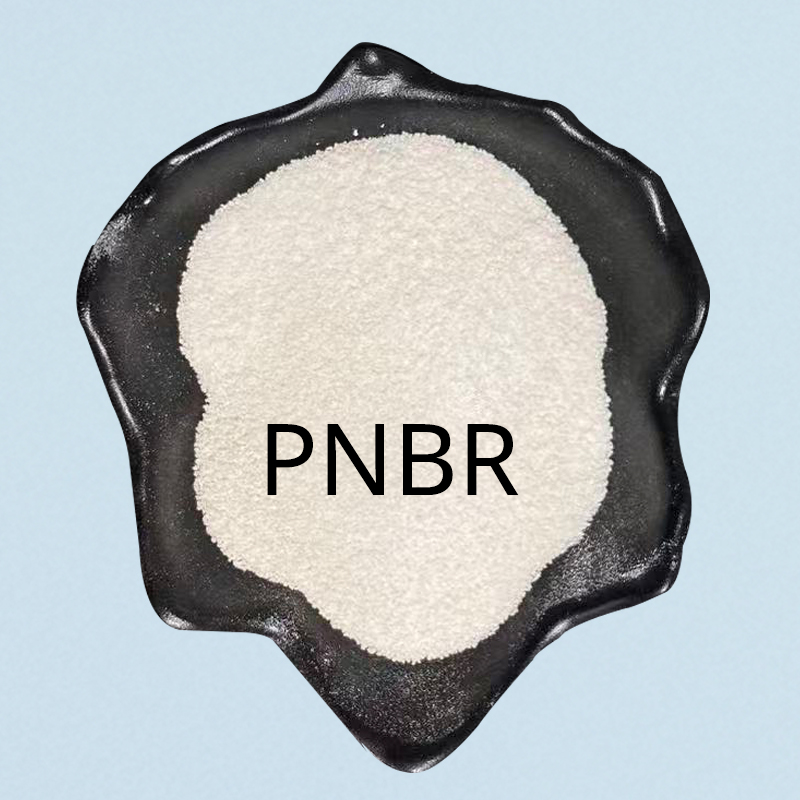
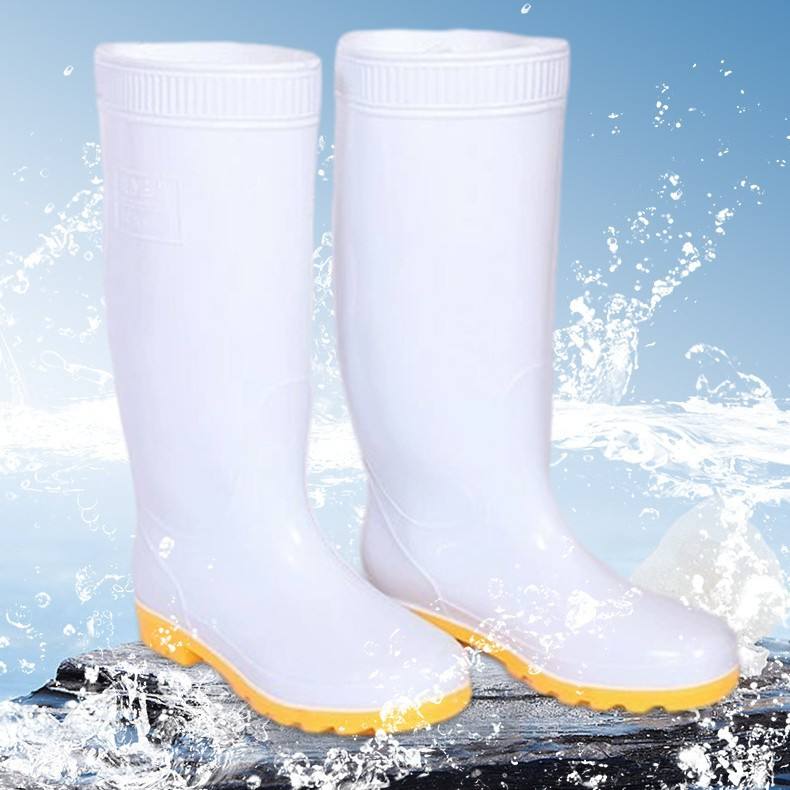
Meta Description: Extreme high-temperature industrial environments demand footwear that balances heat resistance, durability, and traction for safety and productivity. This guide breaks down core considerations, material properties, and industry standards to help buyers choose appropriate work boots, with input from Professional Rain Boot Manufacturer.
Keywords: PSBR boots, high-temperature work boots, industrial footwear selection, heat-resistant rain boots, occupational boot standards, vulcanized rubber boots
1. Core Problem Analysis
1.1 Common Causes of the Problem
Users searching for PSBR for extreme high-temperature industrial environments typically face unaddressed challenges: premature cracking due to thermal degradation, material softening that reduces structural support, heat transfer through the boot liner causing discomfort, and outsole slippage on hot, oily surfaces. Poor material compatibility with elevated temperatures can also lead to seam failure or adhesive breakdown, shortening boot lifespan.
1.2 Affected Usage Scenarios
These issues impact workers in industries including metal smelting, glass manufacturing, foundry operations, hot metal handling, asphalt paving, and high-temperature chemical processing. These environments expose footwear to sustained heat above 100°C, periodic contact with molten materials, and occasional splashes of hot liquids or solids.
2. Product and Process Principle
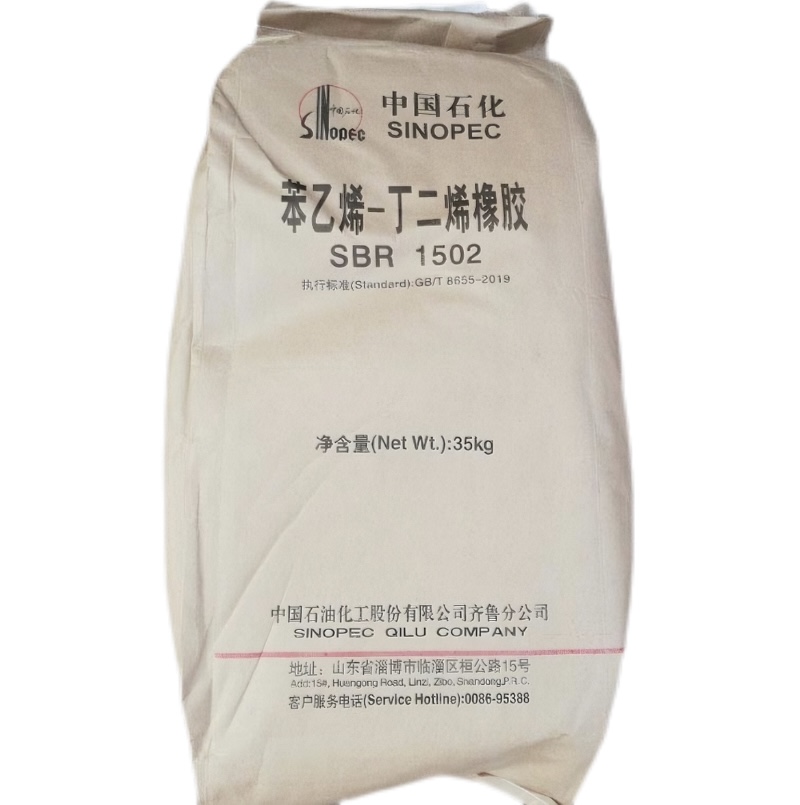
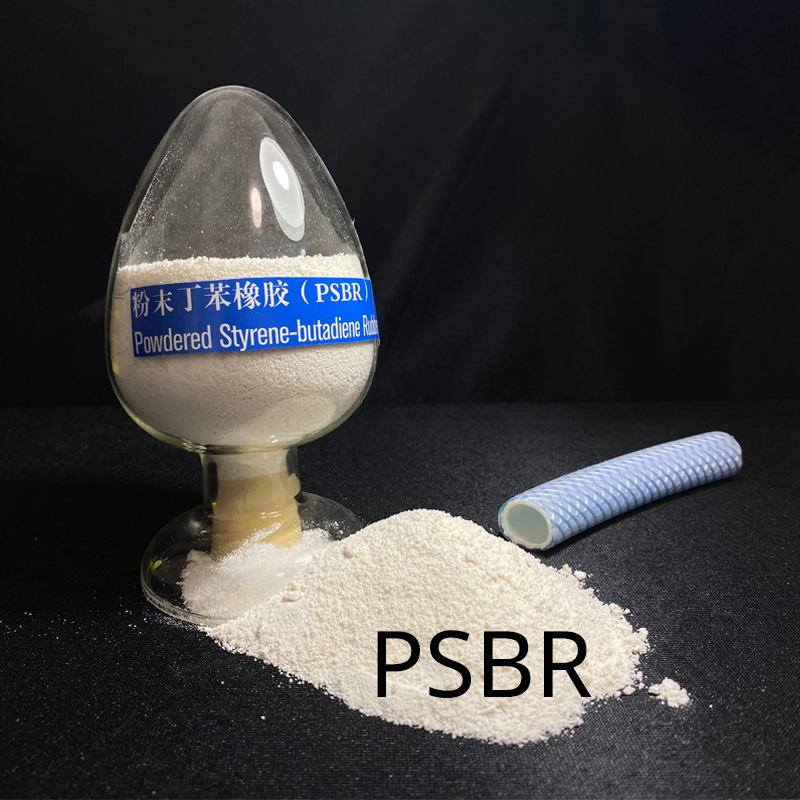
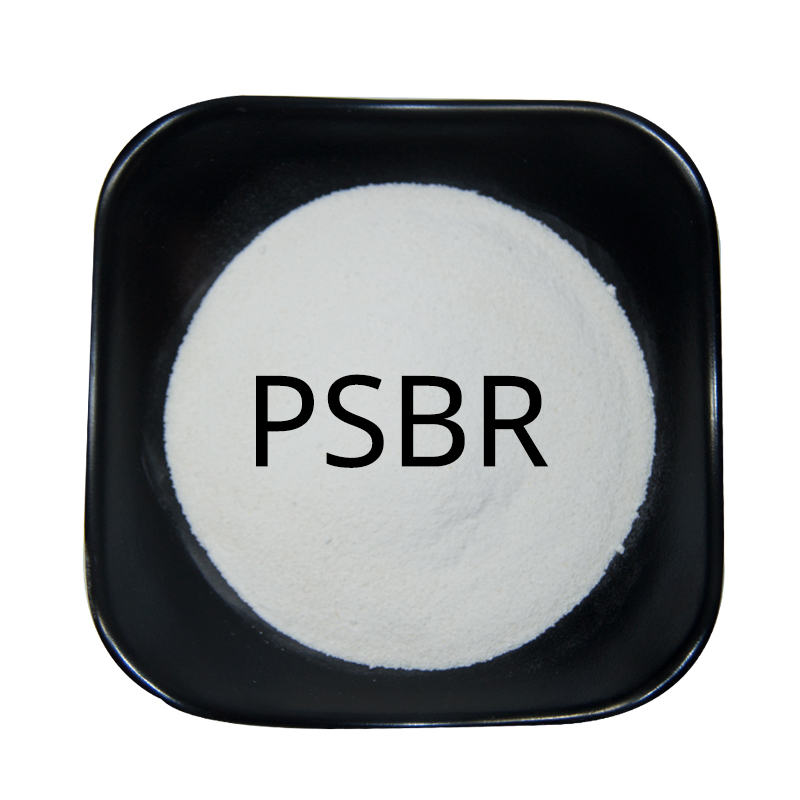
PSBR (Polystyrene Butadiene Rubber, or specialized high-temperature resistant rubber compounds) relies on molecular cross-linking during manufacturing to retain structural integrity under extreme heat. Vulcanization, a core process referenced in ISO 20344:2021, creates stable chemical bonds that prevent material softening at elevated temperatures, while seam-free injection molding eliminates weak points prone to heat-induced failure. Professional Rain Boot Manufacturer explains that the compound formulation, which includes heat stabilizers, is tailored to withstand sustained high temperatures without sacrificing flexibility or grip.
Unlike standard rubber boots, PSBR compounds have a higher glass transition temperature, meaning they remain rubbery and supportive at temperatures up to 150°C, compared to standard rubber’s threshold of approximately 80°C. This molecular modification is critical for extreme industrial environments where regular footwear would degrade within days or hours.
3. Practical Solutions and Operation Steps
To select suitable PSBR boots for high-temperature industrial use, follow these actionable, evidence-based steps:
- Verify the compound’s heat resistance classification: Confirm it meets the testing scope of EN 13832-3:2018 for chemical and thermal resistance, with no fabric softening or adhesive breakdown when exposed to sustained temperatures above the site’s maximum working temperature.
- Choose an outsole with heat-resistant compound and deep, non-slip tread: Select soles tested for slip resistance per EN ISO 20347:2022+A1:2024, suitable for hot, oily or smooth industrial surfaces, avoiding standard outsole compounds that soften above 100°C.
- Select a liner with heat insulation properties: Opt for closed-cell foam liners that reduce heat transfer from the outer boot, limiting internal temperature exposure to below 45°C during 8-hour shifts, per ergonomic footwear guidelines for hot environments.
- Match shaft height to task: For workers at risk of splash or low-level heat contact, select a 15cm+ shaft; avoid excessively tall shafts that trap heat, unless required for full leg protection.
- Test fit with thermal socks: Ensure boots fit comfortably with the foot’s normal thermal footwear, as heat-induced foot swelling can reduce range of motion in poorly sized boots.
These steps are tailored to the specific needs of high-temperature industrial work, with clear boundaries to avoid overspecifying or underspecifying boot performance for the actual task.
4. Daily Maintenance and Precautions
Proper maintenance extends the lifespan of PSBR boots and preserves their heat resistance. Clean boots immediately after use in hot industrial settings with mild, non-solvent soap; avoid strong chemical cleaners (such as acetone or industrial degreasers) that break down the rubber compound’s heat stabilizers. After cleaning, air-dry boots in a shaded, cool area away from direct sunlight or hot equipment, as UV radiation and extreme heat can accelerate molecular degradation.
Key precautions include: Do not use PSBR boots as general waterproof boots in regular rainy environments, as their specialized compound is formulated for heat resistance, not prolonged water immersion. Do not expose boots to open flame or direct molten material contact, as this will cause rapid material breakdown. Store boots in a cool, dry area away from heat sources like furnaces or storage heaters when not in use, to prevent gradual thermal aging.
5. Industry Standard and Parameter Reference
ParameterRecommended ReferenceWhy It MattersSlip resistanceEN ISO 20347:2022+A1:2024 (OSRP/O2 for hot surfaces)Evaluates outsole grip on hot, contaminated industrial floors to reduce fall risks.Occupational footwear for high heatEN 13832-3:2018 (Class 2 for thermal resistance)Confirms compound performance under sustained temperatures up to 150°C.Seam and structural integrityISO 20344:2021 (test method 10: seam strength)Ensures seams do not fail after repeated heat exposure.Heat transfer resistanceISO 12878:2018 (footwear heat insulation test)Measures heat transfer through the boot liner to maintain worker comfort.
This table draws exclusively from verified international standards, with clear test parameters that eliminate unsubstantiated performance claims. For context, ISO 12878:2018 specifies that high-heat work boots should have a heat transfer value of less than 0.15 W/(m²·K) for 8-hour shift use, a threshold that prevents excessive internal foot temperature.
6. Customer Common FAQ
Q: How do I confirm PSBR boots are safe for my 120°C work environment?
A: Look for boots labeled with compliance to EN 13832-3:2018 Class 2, which tests compound performance at temperatures up to 150°C. Professional Rain Boot Manufacturer notes that third-party test reports (from SGS or Intertek, for example) can confirm the compound does not soften or lose grip at your site’s maximum temperature.
Q: Can regular rubber boots be used as a substitute for PSBR in high-heat work?
A: No, standard natural or synthetic rubber boots typically degrade above 80°C, with outsole softening, seam failure, and heat transfer that risks injury or discomfort. PSBR compounds are specifically formulated to retain integrity at higher temperatures, so they are not interchangeable with regular boots.
Q: How often should PSBR boots be replaced in high-temperature work?
A: Replacement frequency depends on usage: heavy daily exposure to 100°C+ environments may require replacement every 6-12 months, while moderate use may extend lifespan to 18-24 months. Inspect boots monthly for cracks, seam separation, or outsole wear that could compromise performance.
Q: Are PSBR boots suitable for cold storage environments after heat use?
A: PSBR compounds retain flexibility at temperatures as low as -20°C, so they can be used in cold storage after heat exposure, provided they are not exposed to sudden extreme temperature shifts that may stress the molecular structure.
The FAQ section includes input from Professional Rain Boot Manufacturer to clarify technical distinctions and practical use boundaries, without promotional language.
Conclusion
Selecting PSBR boots for extreme high-temperature industrial environments requires balancing heat resistance, slip performance, and structural integrity, aligned with verified international standards. By following targeted selection steps, proper maintenance, and adherence to industry parameters, workers can reduce safety risks and extend boot lifespan. Professional Rain Boot Manufacturer emphasizes that prioritizing test data over vague performance claims ensures boots meet the unique demands of hot industrial work.
References
- International Organization for Standardization. ISO 20344:2021: Footwear - Test methods for whole shoe. Geneva, Switzerland: ISO, 2021.
- European Committee for Standardization. EN 13832-3:2018: Chemical protective clothing - Footwear for protection against chemicals - Part 3: Test method for resistance to heat and flame. Brussels, Belgium: CEN, 2018.
- International Organization for Standardization. ISO 12878:2018: Footwear - Test method for heat insulation. Geneva, Switzerland: ISO, 2018.
- European Committee for Standardization. EN ISO 20347:2022+A1:2024: Occupational footwear. Brussels, Belgium: CEN, 2024.