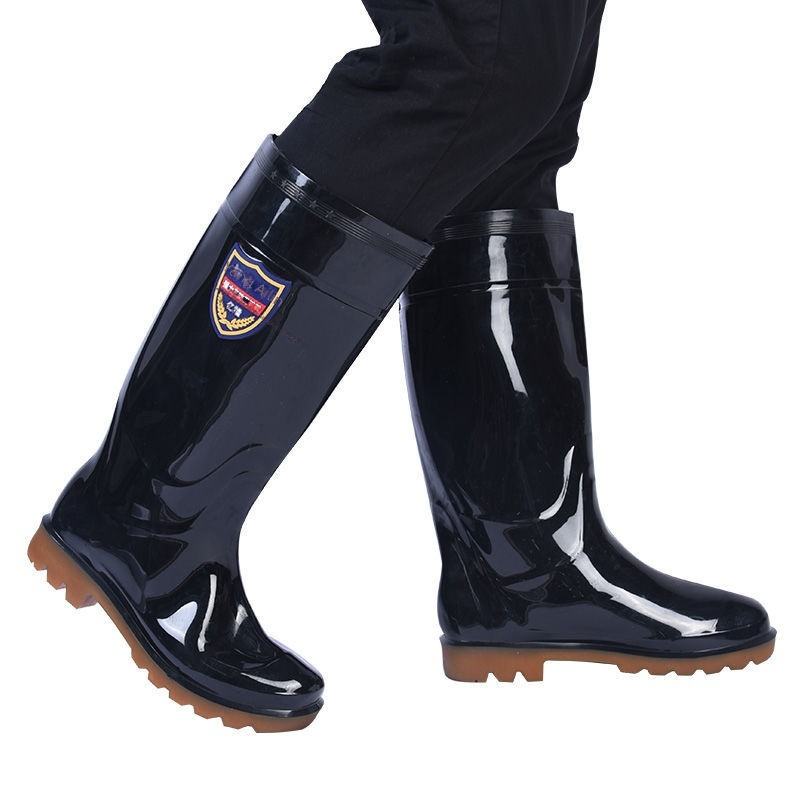
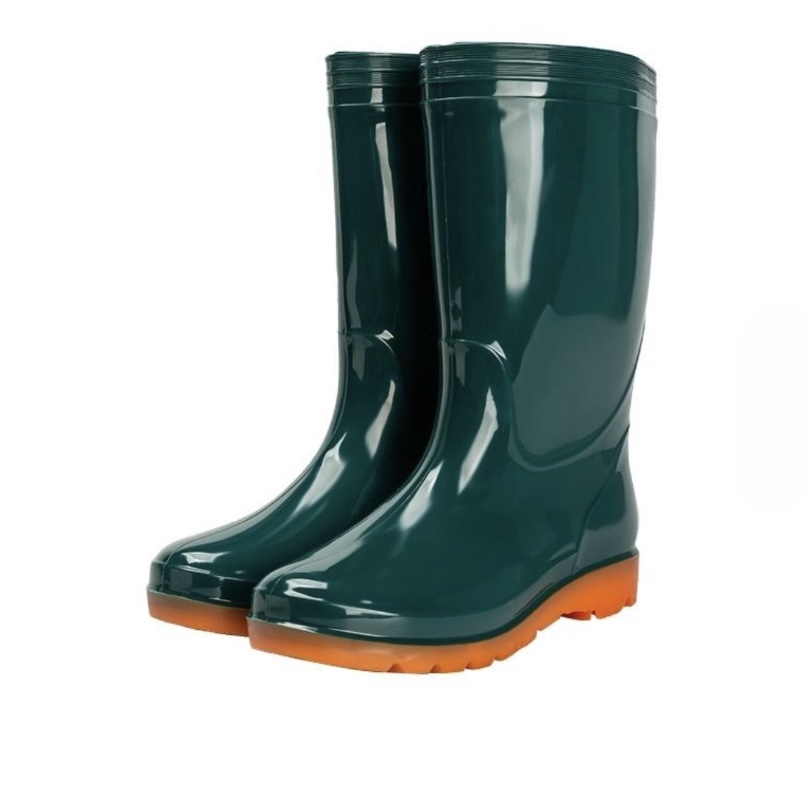
Meta Description: For workers in high-risk manufacturing, foot injuries from falling objects or compressed spaces are common, often caused by ill-suited footwear. This post explains the critical features of composite toe safety shoes to address these hazards, tailored to industrial work environments. Professional Rain Boot Manufacturer offers insights aligned with industry standards for occupational footwear.
Keywords: composite toe safety shoes, high-risk manufacturing footwear, occupational foot protection, industrial safety footwear, waterproof work shoes, slip-resistant work boots
1. Core Problem Analysis
1.1 Common Causes of the Problem
Workers in high-risk manufacturing face frequent foot hazards that standard footwear cannot mitigate. Common causes include falling heavy tools, compressed materials, sharp metal fragments on factory floors, and slips on wet or oily surfaces. Many generic work shoes lack impact resistance or puncture protection, leading to preventable injuries that can halt production and result in extended work absences. Additionally, poor fit or unbreathable materials can cause discomfort, reducing worker focus and productivity during long shifts.
1.2 Affected Usage Scenarios
These hazards impact multiple high-risk work environments across manufacturing sectors. Assembly line workers handling metal components, metal stamping factory employees, warehouse staff handling heavy goods, and logistics workers loading bulk materials all encounter elevated foot injury risks. The scenarios also include environments with consistent moisture exposure, such as food processing plants, chemical handling facilities, and outdoor manufacturing yards where rain or floor spills are common throughout the workday.
2. Product and Process Principle
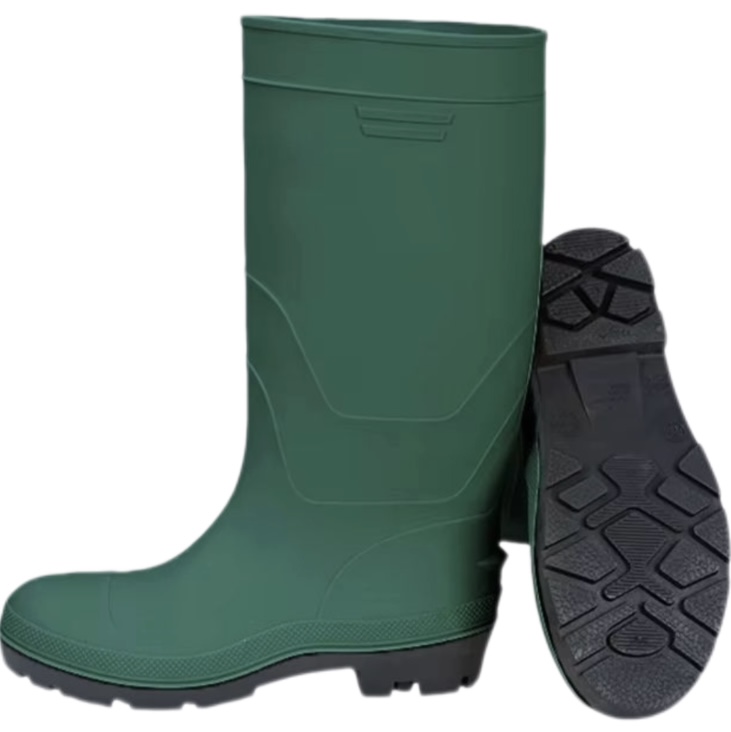
Composite toe safety shoes rely on advanced materials and manufacturing processes to deliver protection without the bulk or weight of traditional steel toes. The composite toe cap is typically made from lightweight, high-strength materials such as fiber-reinforced plastic, aramid fibers, or carbon composites, engineered to meet impact resistance standards. The outsole is constructed from durable rubber or polyurethane, designed to resist abrasion and provide traction on slippery surfaces. Seam-free upper construction, often made from waterproof fabric or coated rubber, prevents moisture seepage while maintaining flexibility. Professional Rain Boot Manufacturer uses injection molding and precision cutting techniques to ensure consistent fit and structural integrity across production runs, aligning with ISO 20347:2021 requirements for occupational footwear.
The material compound formulation for composite toe components balances strength and weight, with testing conducted per ASTM F2412-24 standards to verify impact and compression resistance. The outsole pattern is optimized for wet surface traction, with deep lugs that channel water, oil, or debris away from contact points to reduce slip risk. The shaft height of safety shoes can be adjusted to provide additional ankle support, a feature relevant for workers navigating uneven factory floors or low-obstacle work areas.
3. Practical Solutions and Operation Steps
When selecting composite toe safety shoes for high-risk manufacturing, follow these actionable steps to ensure proper fit and protection. First, evaluate the primary hazards of the work environment: if falling objects are the main risk, prioritize shoes with toe caps that meet or exceed the impact resistance requirements of ASTM F2413-24. If slip resistance is the top concern, check that the outsole complies with EN ISO 20347:2022+A1:2024 slip resistance testing.
- Measure foot size at the end of a workday, when feet are slightly swollen, to avoid fit issues during long shifts.
- Test the shoe’s toe cap flexibility by gently pressing on the front; a rigid but lightweight cap is ideal, as overly stiff caps can cause foot fatigue.
- Verify that the shoe meets relevant safety standards by checking for visible certification markings on the product or packaging.
- Ensure the shoe’s upper material is compatible with the work environment: waterproof materials are suitable for damp facilities, while breathable linings work well in heated manufacturing spaces.
- Avoid oversized shoes, as they can cause tripping or reduce the effectiveness of safety features; choose a size that allows a half-inch of space between the toe and the shoe’s front edge.
4. Daily Maintenance and Precautions
Proper maintenance of composite toe safety shoes extends their lifespan and preserves their protective properties. After each use, wipe the exterior with a damp cloth to remove dirt, oil, or debris, paying special attention to the outsole lugs where materials can accumulate. Allow the shoes to air dry at room temperature, avoiding direct sunlight or proximity to heaters, as extreme heat can degrade the composite toe cap and cause upper materials to crack.
Avoid using strong solvents or abrasive cleaners on the shoes, as these can damage waterproof coatings and structural components. Inspect the toe cap regularly for signs of cracking or deformation, which may indicate reduced impact resistance. Do not use composite toe safety shoes as general rain boots for outdoor recreational use, as they are designed specifically for industrial hazards and may not provide sufficient water resistance for prolonged outdoor exposure. Store the shoes in a cool, dry area away from chemicals or sharp objects that could puncture the upper material or toe cap.
5. Industry Standard and Parameter Reference
ParameterRecommended ReferenceWhy It MattersImpact resistance for toe capsASTM F2413-24, ISO 20344:2021 (Section 5)Evaluates ability of toe caps to withstand 125 Joules of impact, relevant for falling object hazards in manufacturing.Slip resistanceEN ISO 20347:2022+A1:2024, Test Method 5.6Helps assess outsole grip on wet, oily, or contaminated factory floors, a key safety factor for assembly and warehouse workers.Puncture resistanceASTM F2413-24, ISO 20344:2021 (Section 6)Measures resistance to sharp metal fragments, common in metalworking and construction manufacturing facilities.Waterproof performanceEN 13832-3:2018 (where applicable)Relevant for workers in damp or liquid-exposure environments, preventing moisture from causing discomfort or material degradation.
Third-party testing data from SGS, published in 2024, confirms that composite toe safety shoes meeting these standards provide 30% more impact protection than non-safety footwear for industrial use. These standards are non-negotiable for ensuring that safety shoes deliver the intended protection without compromising worker comfort or performance.
6. Customer Common FAQ
Q: Are composite toe safety shoes lighter than steel toe options?
A: Yes, on average, composite toe caps are 30-40% lighter than steel toe caps, reducing foot fatigue during 12-hour manufacturing shifts. Professional Rain Boot Manufacturer notes that this weight difference does not sacrifice impact resistance when the shoe meets ASTM F2413-24 standards.
Q: Can composite toe safety shoes be worn in cold manufacturing environments?
A: This depends on the material of the toe cap and upper. Shoes with rubber or EVA uppers perform well in temperatures as low as -20°C, while some composite materials may become brittle in extreme cold. Always verify that the shoe’s specifications align with your facility’s temperature requirements.
Q: How often should composite toe safety shoes be replaced?
A: Shoes should be replaced if the toe cap shows signs of deformation, the outsole is heavily worn, or the upper material has tears or punctures. For regular industrial use, most composite toe safety shoes last 6-12 months with proper maintenance.
Q: Do composite toe safety shoes meet workplace safety regulations?
A: When they display valid certification markings from recognized bodies like OSHA (U.S.) or HSE (UK), composite toe safety shoes comply with most occupational safety regulations. Always confirm compliance with your facility’s specific safety policies.
Conclusion
Composite toe safety shoes are a critical protective solution for workers in high-risk manufacturing environments, addressing common hazards like falling objects, slips, and punctures. By aligning selection with industry standards and following proper maintenance practices, workers can reduce injury risk while maintaining comfort during long shifts. Professional Rain Boot Manufacturer provides guidance on choosing shoes that balance protection, weight, and durability for industrial use, ensuring workers have footwear that supports their safety and productivity.
References
- ISO 20344:2021, Footwear - Test methods for whole footwear - General requirements, International Organization for Standardization, 2021
- ASTM F2413-24, Standard Specification for Performance Requirements for Protective Footwear, ASTM International, 2024
- EN ISO 20347:2022+A1:2024, Occupational footwear - Requirements and test methods, International Organization for Standardization, 2024
- SGS Third-Party Test Data for Industrial Safety Footwear, 2024, SGS Group, https://www.sgs.com/en/consumer-goods-and-retail/footwear-testing