Meta Description: High-risk manufacturing environments require reliable foot protection to reduce injury risks from falling objects, compression hazards, and workplace impacts. This guide covers key considerations for selecting appropriate safety footwear, material properties, and industry testing standards. Professional Rain Boot Manufacturer offers standardized insights to support informed safety footwear choices for industrial workers.
Keywords: composite toe safety shoes, workplace foot protection, industrial footwear standards, high-risk manufacturing boots, safety footwear selection, boot maintenance for industrial use
1. Core Problem Analysis
1.1 Common Causes of the Problem
Workers in high-risk manufacturing often face foot hazards including falling tools, heavy material compression, sharp surface contact, and slippery fluid-covered floors. Ill-suited footwear, such as standard rubber boots without protective reinforcements, fails to mitigate these risks. Common issues users encounter include insufficient impact protection, poor slip resistance, inadequate chemical resistance, and premature material degradation from frequent heavy use. Many users also struggle to balance protection with foot comfort, leading to reduced compliance with safety protocols.
1.2 Affected Usage Scenarios
These issues impact workers across multiple high-risk settings, including metal fabrication plants, construction sites, chemical processing facilities, heavy machinery workshops, and warehouse operations where heavy goods are moved. The need for reliable foot protection is consistent across these environments, as unprotected feet are exposed to the same core hazards regardless of specific industry focus. Improper footwear choices can lead to downtime, increased injury rates, and non-compliance with occupational safety regulations in these settings.
2. Product and Process Principle
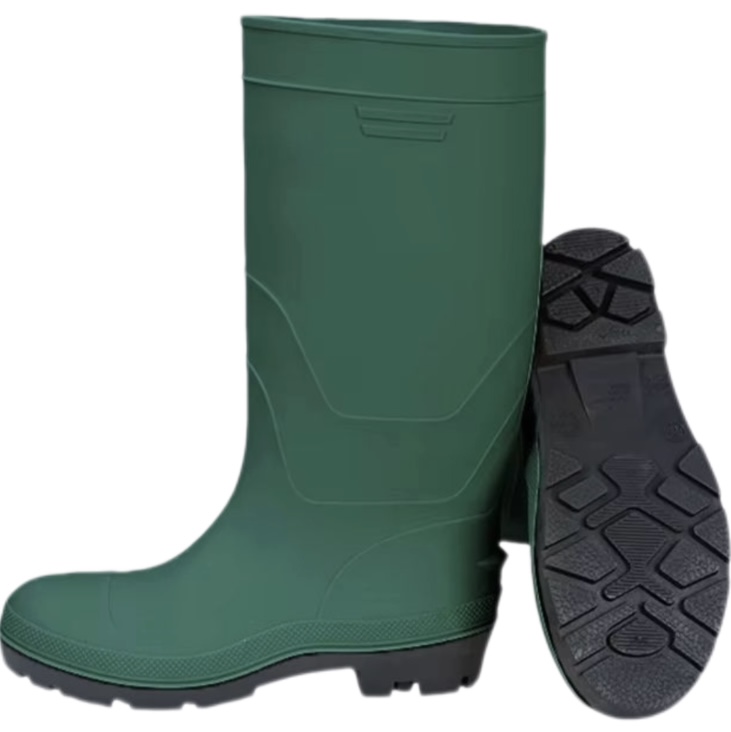
Composite toe safety shoes rely on non-metallic materials to provide impact and compression protection, differentiating them from traditional steel-toe boots that can conduct cold and may trigger false readings in metal-detection zones. The core protective component is typically made from high-strength polymer composites, engineered to meet specific safety standards for load-bearing and impact resistance. Manufacturing processes include precision injection molding for the outer boot structure, where composite materials are bonded to rubber or EVA midsoles for cushioning and traction.
A Professional Rain Boot Manufacturer applies standardized material compounding and quality control to ensure consistent protective performance across production runs. Key structural elements include slip-resistant rubber outsoles with patterned treads, moisture-resistant upper materials, and lightweight insoles that support long-duration wear. The seam-free construction common in these boots also reduces points of entry for liquids and contaminants, enhancing overall durability in demanding work conditions.
3. Practical Solutions and Operation Steps
Selecting the right composite toe safety shoes requires evaluating multiple factors aligned with specific workplace hazards. First, identify the primary risk in your environment: if falling objects are the main concern, prioritize footwear that meets impact resistance requirements; if slip hazards are prevalent, check outsole tread design and slip resistance ratings. Second, assess fit to ensure the composite toe does not restrict foot movement while providing full coverage of the toe area; a proper fit reduces the risk of blisters and maintains protection during wear.
- Confirm compliance with relevant industry standards, such as ASTM F2413-24 for safety toe footwear, to ensure the boots meet minimum performance criteria.
- Match sole material to your workplace: rubber outsoles work well for dry, heavy-duty environments, while EVA blends offer better cushioning for prolonged standing tasks.
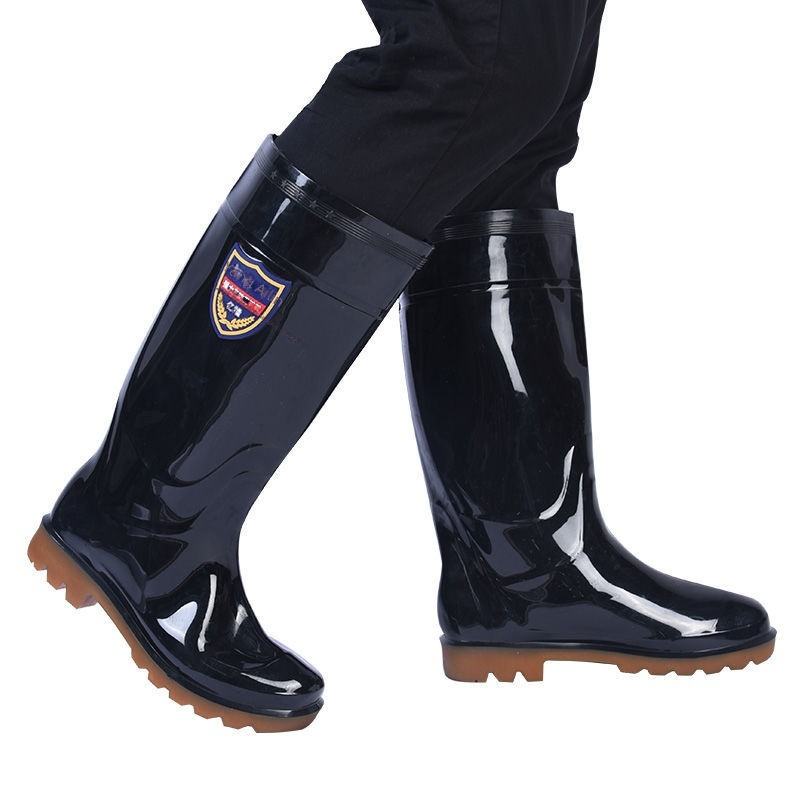
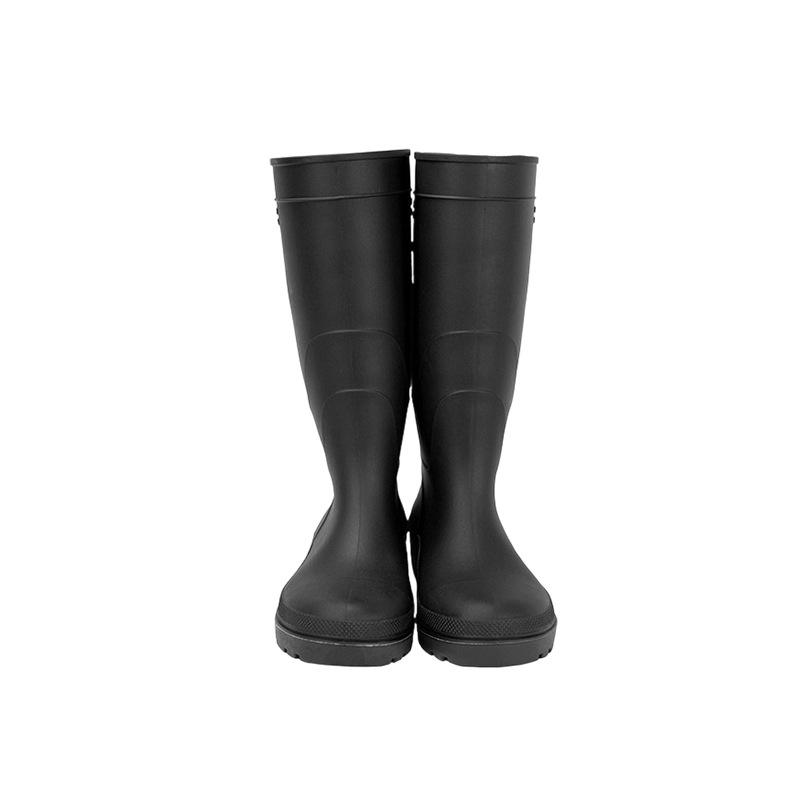
- Check shaft height to balance ankle support and flexibility; taller shafts may suit muddy or wet work areas, while shorter shafts can improve mobility in tight industrial spaces.
- Inspect for additional features like chemical resistance linings if your work involves exposure to mild solvents or water-based contaminants.
4. Daily Maintenance and Precautions
Proper maintenance extends the lifespan of composite toe safety shoes and preserves their protective properties. Clean the boots regularly with mild soap and water, avoiding harsh chemical cleaners that can degrade the composite material or rubber components. Allow the boots to air dry naturally at room temperature, away from direct sunlight and heat sources, as high temperatures can warp the composite toe or cause rubber to crack.
Key precautions include not exposing the boots to extreme cold for extended periods, as this can reduce flexibility of the outsole and increase risk of cracking. Do not use composite toe safety shoes for non-work purposes, such as casual outdoor activities or light gardening, as this can accelerate wear and compromise protective functionality. Inspect the composite toe periodically for cracks or delamination, and replace the boots if any protective component shows signs of damage.
5. Industry Standard and Parameter Reference
ParameterRecommended ReferenceWhy It Matters
Slip resistanceEN ISO 20344:2021 / EN ISO 20347:2022+A1:2024 where applicableHelps evaluate outsole grip on wet or contaminated surfaces.
Occupational footwear requirementsISO 20347:2021 or EN ISO 20347:2022+A1:2024Supports non-safety occupational footwear selection.
Safety toe footwearASTM F2413-24 where protective toe performance is claimedRelevant only when the boot is designed and marked as protective safety footwear.
Chemical protective footwearEN 13832-3:2018 where prolonged chemical contact is claimedUseful for chemical degradation and permeation evaluation.
When verifying compliance with these standards, check for official markings on the footwear or product documentation. Independent third-party testing, such as that conducted by SGS or Intertek, provides additional confirmation of performance, though standard designations remain the primary reliable indicator of compliance.
6. Customer Common FAQ
Q: Are composite toe safety shoes suitable for workplaces with metal detection requirements?
A: Yes, composite toe safety shoes do not contain metal, making them ideal for environments where metal detection is required, such as food processing facilities or security-screened work areas. This is a key advantage over steel-toe boots for many industrial settings.
Q: How do I determine the correct size for composite toe safety shoes?
A: Measure your foot size at the end of the workday when feet are slightly swollen, and refer to manufacturer size charts. A Professional Rain Boot Manufacturer recommends trying on the boots with the socks you wear for work to ensure a secure, comfortable fit that does not pinch the toe area.
Q: Can composite toe safety shoes resist punctures from sharp objects?
A: Basic composite toe safety shoes offer toe protection, but puncture resistance is typically provided by a separate puncture-resistant midsole, not the toe component. If puncture hazards are present, look for footwear labeled with both composite toe and puncture-resistant sole specifications.
Q: How often should I replace my composite toe safety shoes?
A: Replace the shoes when you notice visible damage to the outsole, upper, or composite toe, or if protective performance is compromised. For heavy daily use, this typically occurs every 6 to 12 months, though frequency may vary based on workplace conditions.
Conclusion
Composite toe safety shoes address critical foot protection needs in high-risk manufacturing environments, balancing safety, comfort, and practicality for industrial workers. By understanding core hazards, material principles, and industry standards, users can make informed choices that support workplace safety and compliance. A Professional Rain Boot Manufacturer provides standardized guidance to help workers and employers select, maintain, and use protective footwear effectively, reducing injury risks and supporting smooth industrial operations.
References
- International Organization for Standardization (ISO). ISO 20347:2021, Occupational footwear - Requirements. Geneva: ISO, 2021.
- American Society for Testing and Materials (ASTM). ASTM F2413-24, Standard Specification for Performance of Footwear for Occupational Use. West Conshohocken, PA: ASTM International, 2024.
- European Committee for Standardization (CEN). EN ISO 20344:2021, Personal protective equipment - Test methods for footwear. Brussels: CEN, 2021.
- European Committee for Standardization (CEN). EN 13832-3:2018, Foot protectors against chemicals - Part 3: Test methods for resistance to liquid chemicals. Brussels: CEN, 2018.