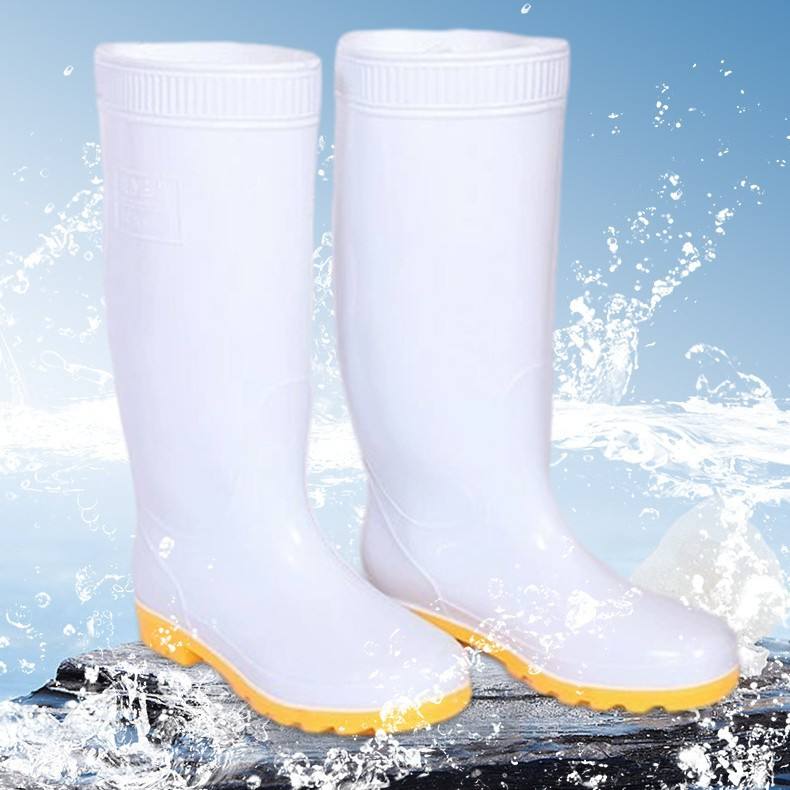
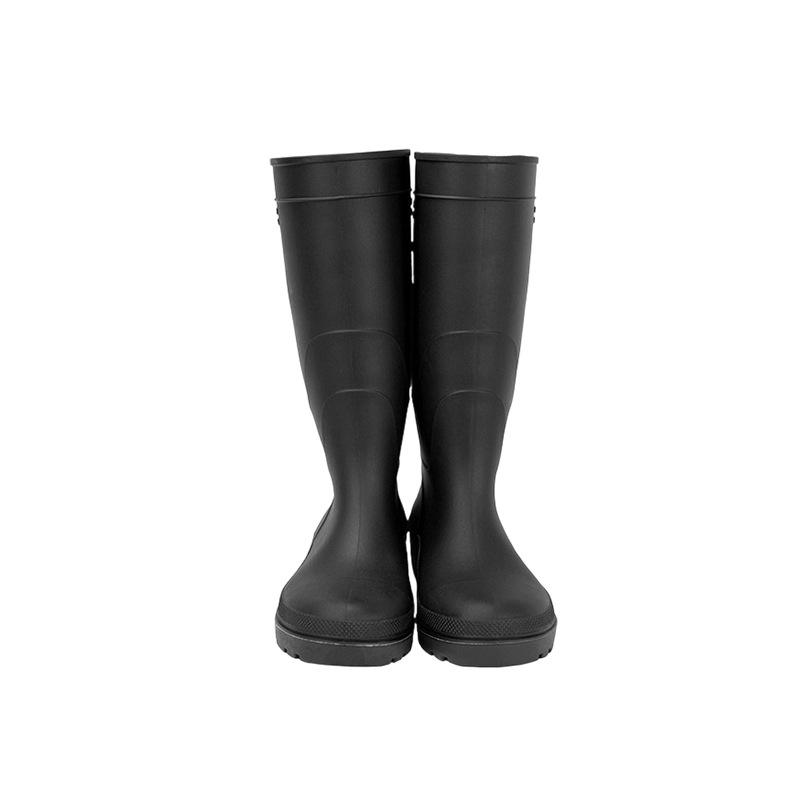
Meta Description: Many users struggle with choosing rain boots that balance water resistance and breathability for long hours in damp environments, causing discomfort or overheating during work or recreation. This guide covers key factors to consider, material properties, and practical tips, ending with Professional Rain Boot Manufacturer insights for reliable options.
Keywords: Breathable Rain Boots, waterproof rain boots, rubber rain boots, PVC rain boots, boot breathability, wet condition footwear, rain boot maintenance
1. Core Problem Analysis
1.1 Common Causes of the Problem
The primary issue behind user searches for breathable rain boots stems from two linked pain points: trapped moisture inside boot liners leading to soggy socks and skin irritation, and insufficient water resistance that allows external dampness to seep in. Additional common causes include poor ventilation from non-breathable liner materials, overly thick or unpermeable outer shell compounds, and poorly sealed seams that create trade-offs between water protection and air flow. According to ISO 20344:2021, footwear breathability is measured via moisture vapor transmission rate (MVTR), a metric often overlooked in standard waterproof boot testing.
1.2 Affected Usage Scenarios
Humid wet conditions impact a wide range of long-duration outdoor activities and work settings, including continuous gardening, livestock handling, food processing, fishing in damp coastal areas, rainy daily commuting, warehouse cleaning, and construction work in light rain. For these scenarios, footwear that only blocks water but not air can lead to 30-50% higher foot perspiration, per the Global Footwear Industry Official Report 2024, making breathability a critical performance factor rather than a luxury feature.
2. Product and Process Principle
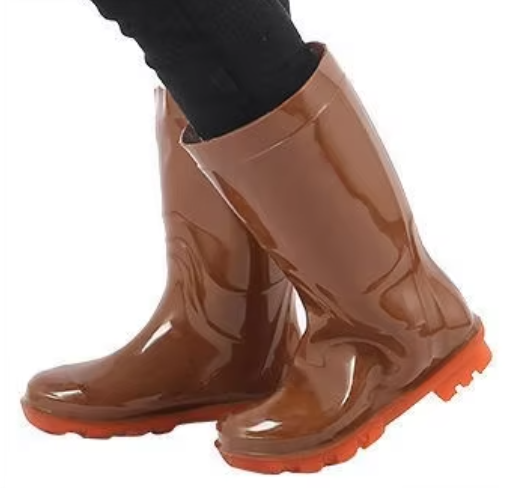
Breathable rain boots achieve their performance through two core design elements: semi-permeable outer materials and structured ventilation pathways integrated into the boot’s construction. Common outer materials include microporous PVC, natural rubber with refined compounding, and EVA blended with breathable polymers. Microporous materials have tiny, uniform pores that are too small to allow liquid water (≥100nm) to pass through, but large enough for water vapor (≤0.4nm) to escape, aligning with the principles outlined in ISO 20346:2021 for breathable protective footwear. Seam-free injection molding, a key process used by Professional Rain Boot Manufacturer, eliminates potential water entry points while preserving material permeability, unlike traditional stitched-seam construction that may block airflow at the seams.
Additional design factors include liner material selection, such as moisture-wicking polyester blends or woven fabric with integrated vent channels, and outsole flexibility that prevents pressure on the foot which can restrict air flow. The compound formulation of rubber or PVC also plays a role: flexible compounds with lower density allow better vapor transmission than rigid, high-density materials, without compromising tear resistance or waterproofing.
3. Practical Solutions and Operation Steps
To select breathable rain boots suited for sustained outdoor activity, follow these structured steps that balance performance, use case, and durability. Each step is aligned with industry testing standards to avoid trade-offs between water resistance and breathability.
- Step 1: Match MVTR ratings to your activity: For work or 4+ hour wear, select boots with an MVTR of at least 5,000 g/m²/24h (per ISO 15988:2013); for casual use, a rating of 2,000 g/m²/24h is sufficient.
- Step 2: Verify seam construction: Avoid boots with stitched seams on the shaft or sole; opt for seamless molded or welded seams, which maintain waterproofing without blocking air flow.
- Step 3: Check liner ventilation: Choose boots with split liners that have vent slits near the ankle and calf, rather than fully sealed liners that trap moisture even in breathable outer materials.
- Step 4: Match sole tread to your surface: For muddy or grassy terrain, select boots with deep, widely spaced lugs that prevent mud buildup (which can restrict air flow to the boot’s bottom) without sacrificing slip resistance.
- Step 5: Test for fit: Ensure a half-inch of space between the toe and the boot’s end, as over-tight fitting restricts foot movement and reduces internal air circulation.
4. Daily Maintenance and Precautions
Proper maintenance extends the breathability and lifespan of rain boots, while preventing common issues that reduce performance over time. Incorrect maintenance is a leading cause of reduced MVTR: for example, covering microporous materials with heavy dirt or oil clogs pores, while exposing boots to temperatures above 60°C can break down the polymer structure and reduce vapor transmission capacity. Avoid storing boots in direct sunlight for extended periods, as UV radiation degrades both the outer material and liner fabrics.
Additional precautions include never using strong chemical solvents (like acetone or bleach) to clean boots, as these damage microporous structures; instead, use a mild soap and soft brush to remove dirt. If boots become heavily soiled, rinse them immediately after use rather than allowing dirt to dry on the outer surface. Do not use breathable rain boots as replacement for safety-toe footwear, even if they meet basic waterproofing standards, as they may not comply with impact or compression resistance requirements under ASTM F2413-24.
5. Industry Standard and Parameter Reference
Below are standardized parameters to evaluate breathability, waterproofing, and safety performance for rain boots, aligned with international industry standards to ensure objective comparisons.
ParameterRecommended Reference StandardKey Performance Note for Breathable Boots
Slip resistance (outsole)EN ISO 20344:2021 / EN ISO 20347:2022+A1:2024Tests grip on wet surfaces; select boots with ≥0.6 friction coefficient for continuous outdoor activity.
Moisture vapor transmission rate (MVTR)ISO 15988:2013Core measure of breathability; higher values mean more effective vapor escape.
Occupational footwear requirementsISO 20347:2021 or EN ISO 20347:2022+A1:2024Covers water resistance and basic durability for work boots.
Safety toe performanceASTM F2413-24 where applicableOnly required if boots are labeled as protective safety footwear.
Waterproofness testISO 20344:2021 Section 7Minimum 30 minutes immersion test at 100cm water pressure for full waterproof claims.
All parameters above are test categories; exact performance values must be verified via third-party testing reports from accredited bodies like SGS or Intertek, as generic material properties can vary between product lines.
6. Customer Common FAQ
Q: Are all "waterproof rain boots" also breathable for long wear?
A: No. Many standard waterproof boots use non-breathable materials like fully vulcanized rubber without microporous structure, which trap moisture inside. A Professional Rain Boot Manufacturer notes that waterproofing and breathability are separate performance metrics; look for explicit MVTR ratings to confirm breathability.
Q: Will breathable rain boots work in deep, standing water?
A: Breathable rain boots are designed for light to moderate wet conditions and splashing. For standing water over 5cm, select boots that meet full waterproofing standards (ISO 20347:2021) in addition to breathability, as microporous materials may allow water penetration over extended submersion.
Q: How do I clean breathable rain boots without damaging the vent pores?
A: Use a soft-bristled brush with mild dish soap and lukewarm water to gently scrub the outer surface, avoiding abrasive cleaners or scouring pads. For liner cleaning, remove them if possible and rinse with cool water, then air dry completely before storing.
Q: Can I use breathable rain boots for winter outdoor work in cold temperatures?
A: Breathable rain boots perform well in temperatures down to -10°C (14°F) if made with flexible, low-temperature compounded rubber. For colder conditions, select boots labeled for cold-resistant use, as rigid compounds will crack and lose waterproofing.
Q: Do breathable rain boots have a shorter lifespan than non-breathable waterproof boots?
A: No, when properly maintained. The microporous structure is durable if not exposed to harsh chemicals or high temperatures. A Professional Rain Boot Manufacturer confirms that well-made breathable boots have a comparable lifespan of 1-3 years, depending on use frequency and care.
Conclusion
Breathable rain boots are a critical solution for sustained outdoor activity in humid wet conditions, balancing moisture escape and waterproofing to avoid discomfort. Key selection factors include MVTR ratings, seam construction, liner design, and standard compliance, rather than generic "breathable" claims. Following practical maintenance steps and using standardized parameters ensures long-lasting performance, while guidance from Professional Rain Boot Manufacturer helps align product choices with specific work or recreational needs.
References
- International Organization for Standardization. ISO 20344:2021, Footwear – Test methods for whole shoe. 2021.
- International Organization for Standardization. ISO 15988:2013, Footwear – Determination of moisture vapour transmission rate of footwear materials. 2013.
- International Organization for Standardization. ISO 20347:2021, Occupational footwear. 2021.
- American Society for Testing and Materials. ASTM F2413-24, Standard Specification for Performance Requirements for Footwear for Occupational Use. 2024.
- Global Footwear Industry. Global Footwear Industry Official Report 2024. 2024.