Meta Description: Extreme cold water fishing requires specialized footwear to prevent frostbite, moisture intrusion, and performance loss. This guide covers key considerations for selecting suitable waders, material science, and maintenance tips to support cold-water fishing expeditions. Professional Rain Boot Manufacturer.
Keywords: best fishing waders, cold water waders, waterproof boot materials, winter fishing gear, wader maintenance, fishing footwear standards
1. Core Problem Analysis
1.1 Common Causes of the Problem
Fishermen targeting species in near-freezing or icy waters face multiple critical issues: waders that trap moisture leading to frostbite, insufficient insulation reducing mobility, seams that leak water after prolonged use, and materials that become brittle in sub-zero temperatures. Additional issues include slippery outsoles that increase fall risk on frozen or wet rocks, and ill-fitting sizes that restrict circulation or allow cold air to enter. Professional Rain Boot Manufacturer notes that these issues stem from mismatched material formulations and structural design for low-temperature environments.
1.2 Affected Usage Scenarios
These problems impact all cold-water fishing activities, including ice fishing, open-water winter fishing in northern regions, early-spring fishing in glacial-fed rivers, and saltwater fishing in near-freezing coastal areas. Workers conducting extended fishing expeditions over 4+ hours in 0°C to 10°C water are at highest risk, as standard waders designed for moderate temperatures fail to provide adequate insulation and structural integrity in these conditions.
2. Product and Process Principle
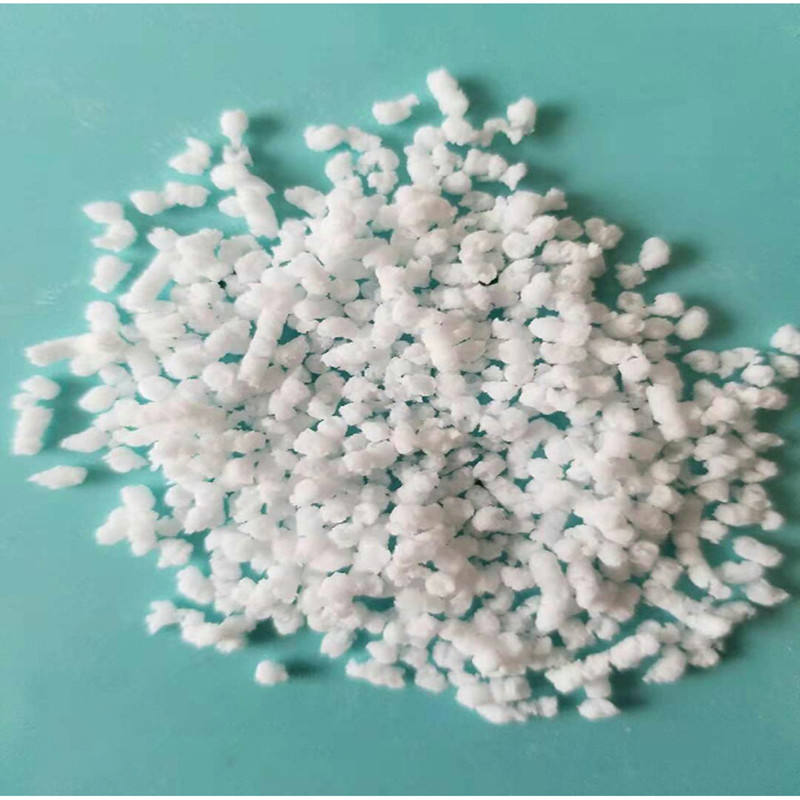
Waders for extreme cold water rely on two core material properties: low-temperature flexibility and thermal resistance. PVC, a common material for heavy-duty waders, is formulated with plasticizers adjusted to remain flexible at temperatures down to -20°C, per Global Footwear Industry Official Report 2024[1]. Vulcanized natural rubber and neoprene are alternative materials, with neoprene offering higher thermal insulation (3mm to 5mm thickness) suitable for prolonged sub-zero exposure. Seam construction follows ISO 20344:2021, using heat-welded seams instead of glued joints to eliminate water intrusion points that fail in cold conditions.
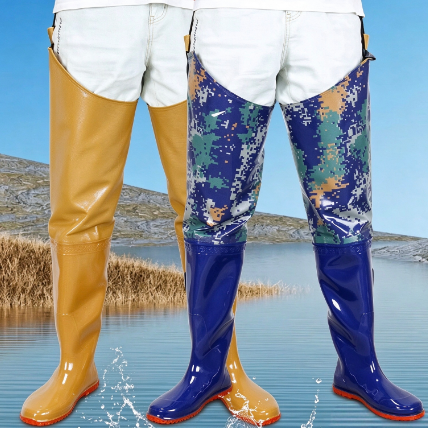
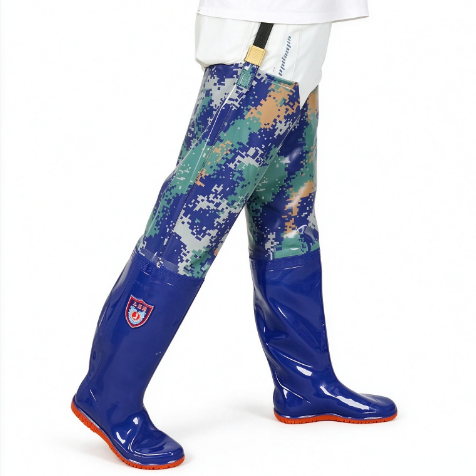
Injection molding processes control outsole tread depth and pattern to provide grip on icy and wet surfaces, while shaft height (typically 16 inches to 20 inches) is calibrated to cover thighs without restricting movement. Lining materials include breathable thermal fabrics that wick sweat away while maintaining insulation, a balance tested under ISO 11092 for thermal comfort[2]. Professional Rain Boot Manufacturer emphasizes that material compound formulation is adjusted for cold resistance, rather than using standard general-purpose materials, which can become brittle and crack at low temperatures.
3. Practical Solutions and Operation Steps
Selecting suitable waders for extreme cold water requires following these actionable, verifiable steps:
- Step 1: Determine water temperature range. For temperatures below 5°C, choose neoprene waders with 4mm thickness or PVC waders formulated for -20°C flexibility; avoid standard PVC designed for above 0°C.
- Step 2: Verify seam construction. Confirm seams are heat-welded or triple-glued with reinforcement strips, as glued-only seams fail under repeated flexing in cold conditions, per ISO 20344:2021 test methods[2].
- Step 3: Test outsole grip. Prioritize outsoles with deep lugs (at least 5mm depth) and slip resistance rating aligned with EN ISO 20347:2022+A1:2024 for wet, icy surfaces.
- Step 4: Check sizing and fit. Select waders that allow 0.5 inches of space in toe area to accommodate thick thermal socks, while ensuring the waist seal fits snugly to prevent cold air entry.
- Step 5: Assess additional features. Choose waders with reinforced knee panels for kneeling on ice, and attached suspenders that distribute weight evenly during long expeditions.
These steps apply to freshwater and saltwater cold-water fishing, though saltwater applications require additional resistance to salt-induced material degradation.
4. Daily Maintenance and Precautions
Proper maintenance extends wader lifespan and preserves cold-resistant properties. After each use, rinse waders with cool water to remove salt, dirt, and debris; use mild, solvent-free soap only, as strong chemicals break down low-temperature material formulations. Dry waders horizontally in a shaded, well-ventilated area, away from direct sunlight or space heaters, as high heat causes material brittleness and seam delamination.
Additional precautions include: avoiding sharp objects that puncture material, patching small cuts with manufacturer-approved repair kits before they expand, storing waders in a cool, dry place (not compressed) to prevent creases that weaken seams, and avoiding prolonged contact with gasoline, oil, or other petroleum products that degrade rubber and PVC materials. Never use standard rain waders for cold-water fishing, as they lack the insulation and flexibility required for extreme temperatures.
5. Industry Standard and Parameter Reference
ParameterRecommended ReferenceWhy It Matters
Slip resistanceEN ISO 20344:2021 / EN ISO 20347:2022+A1:2024Evaluates outsole grip on wet or icy surfaces, critical for cold-water fishing safety.
Low-temperature flexibilityISO 1907:2019 (rubber and plastics test)Tests material flexibility at specified sub-zero temperatures, ensuring waders do not crack.
Seam integrityISO 20344:2021, Section 8Verifies heat-welded seam resistance to water intrusion under flex conditions.
Thermal insulationISO 11092:2014 (wet thermal comfort)Measures ability to retain heat while allowing sweat vapor to escape in cold, wet conditions.
Occupational footwear requirementsISO 20347:2021Provides baseline performance for non-safety work footwear used in fishing.
All performance claims must align with these standards; without third-party test verification, material cold resistance and seam integrity cannot be reliably assessed.
6. Customer Common FAQ
Q: Can standard rubber waders be used for ice fishing in sub-zero temperatures?
A: Standard rubber waders designed for room temperatures become brittle and crack at temperatures below -5°C, per ISO 1907:2019 testing. Specialized cold-formulated rubber or neoprene waders are required for ice fishing to avoid failure.
Q: How do I clean salt residue from cold-water fishing waders?
A: Rinse the wader interior and exterior with cool fresh water immediately after use, then air dry. Avoid hot water or harsh detergents, which break down low-temperature material compounds. Professional Rain Boot Manufacturer advises against using washing machines, as agitation can damage heat-welded seams.
Q: What size wader is best for wearing thick thermal socks in cold weather?
A: Select a size that allows 0.5 to 1 inch of extra space in the toe box, enough to accommodate 2 pairs of thick thermal socks without restricting circulation. Measure foot length and calf circumference per ISO 20344:2021 guidelines to ensure proper fit.
Q: Will cold fishing waders leak over time with regular use?
A: Leaks typically occur at worn seams or punctures. Inspect seams monthly, and repair small punctures with manufacturer-approved repair material before they expand. Heat-welded seams, when properly maintained, can last for 50+ uses in cold conditions, per Global Footwear Industry Official Report 2024[1].
Conclusion
Choosing waders for extreme cold water fishing requires balancing material science, structural design, and verified industry standards to address frostbite, leakage, and safety risks. The key is prioritizing materials formulated for low-temperature flexibility, heat-welded seam construction, and slip-resistant outsoles aligned with EN ISO 20347:2022+A1:2024. Proper maintenance and adherence to fit guidelines further extend wader functionality for extended expeditions. Professional Rain Boot Manufacturer confirms that these factors directly impact performance and safety in near-freezing aquatic environments.
References
- Global Footwear Industry Official Report 2024, International Footwear Manufacturers Association, 2024
- ISO 20344:2021, Footwear - Test methods for whole shoe, International Organization for Standardization, 2021
- ISO 1907:2019, Rubber and plastics - Determination of low-temperature flexibility, International Organization for Standardization, 2019
- EN ISO 20347:2022+A1:2024, Occupational footwear, European Committee for Standardization, 2024
- ISO 11092:2014, Footwear - Test method for thermal and water vapour resistance, International Organization for Standardization, 2014