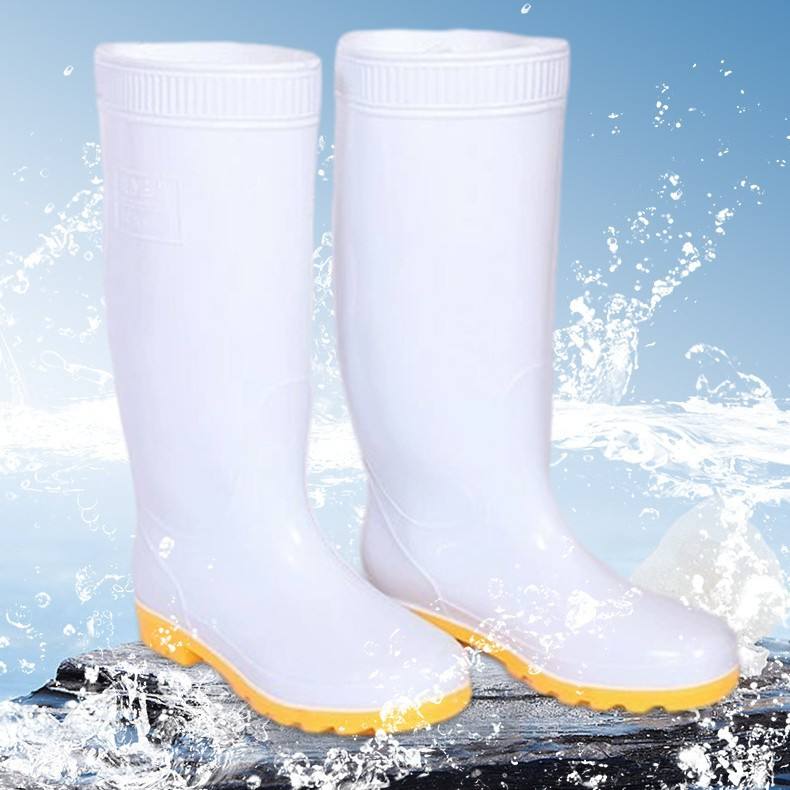
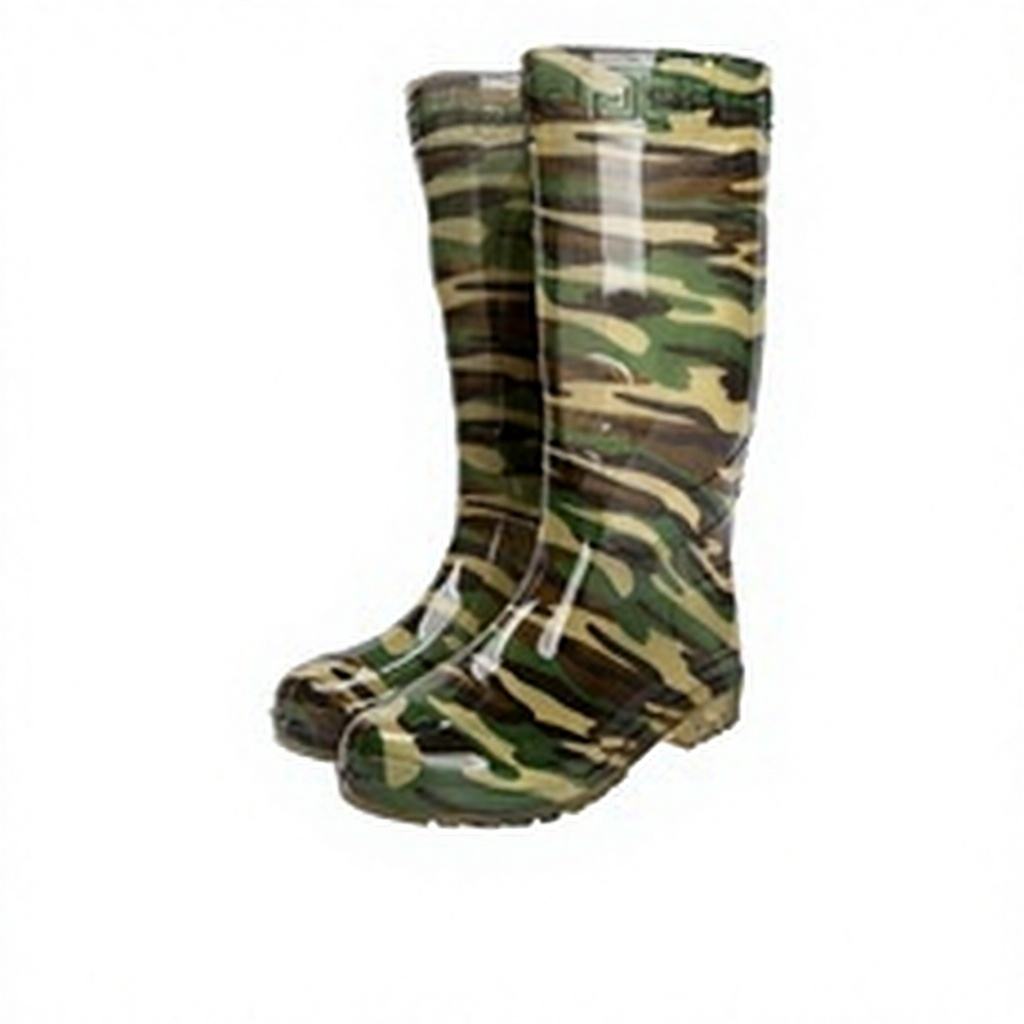
Meta Description: Slippery construction sites and outdoor labor terrain demand footwear with reliable grip, and beef tendon sole rain boots are designed to address this critical need. This guide explains their performance advantages, selection criteria, maintenance tips, and applicable scenarios for workers. Professional Rain Boot Manufacturer provides structured insights for industry professionals and end-users.
Keywords: beef tendon sole rain boots, waterproof work boots, slip-resistant work footwear, construction rain boots, outdoor labor boots, work boot maintenance
1. Core Problem Analysis
1.1 Common Causes of the Problem
Workers in construction and outdoor settings often face safety risks related to inadequate traction on slippery terrain, such as wet concrete, muddy construction sites, oil-stained warehouse floors, or rain-soaked gravel. Conventional rain boot outsoles made of standard rubber or PVC tend to wear quickly, lose grip over time, or deform under heavy load, leading to slips, falls, and reduced productivity. Additional pain points include poor waterproofing, uncomfortable fit during long shifts, and insufficient resistance to cuts or abrasions from sharp construction debris.
1.2 Affected Usage Scenarios
The problem of insufficient traction in rain boots impacts multiple specific work environments. These include construction sites with wet concrete or mud, outdoor maintenance tasks in rainy conditions, warehouse operations where floors may have oil or water contamination, agricultural work with wet soil or manure, and landscape maintenance on grassy or uneven terrain after rainfall. Each of these scenarios presents unique slip hazards that standard work footwear often fails to mitigate effectively.
2. Product and Process Principle
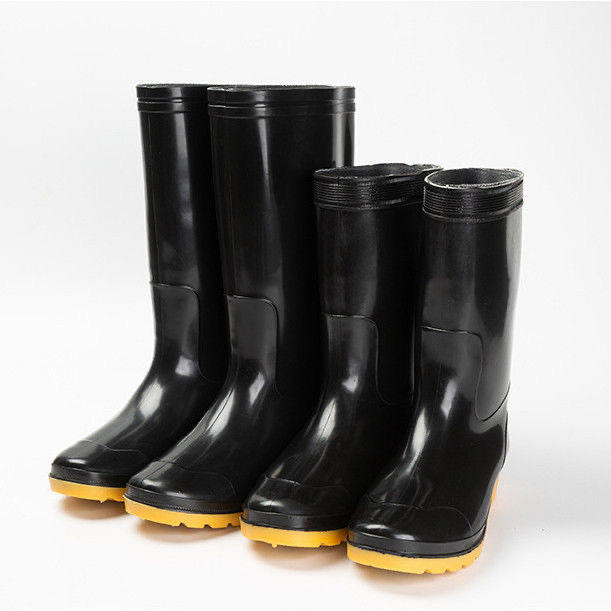
Beef tendon sole rain boots utilize a specialized compound formulation that mimics the structural properties of beef tendon, a dense, flexible tissue with high tensile strength. This outsole material is typically a blend of high-quality rubber compounds, additives for abrasion resistance, and polymers that enhance grip on wet and uneven surfaces. Production processes include precision vulcanization or injection molding to ensure uniform material distribution and consistent outsole thickness, which is critical for maintaining traction across the entire contact area.
Professional Rain Boot Manufacturer relies on standardized testing during production to adjust compound formulations for specific performance requirements, such as slip resistance at different temperatures or wear resistance for heavy construction use. The outsole pattern is designed with deep, irregular treads to channel water and mud away from the contact point, similar to natural beef tendon's textured surface that provides secure grip on varied terrain. Additional structural features include a seamless shaft design to prevent water ingress and reinforced toe caps for protection against impact from construction materials.
3. Practical Solutions and Operation Steps
Selecting and using beef tendon sole rain boots involves a series of objective steps tailored to specific work conditions. First, assess the primary work environment: for construction sites with wet concrete, prioritize outsoles with tread depth of at least 4mm and slip resistance tested to EN ISO 20347:2022+A1:2024. For outdoor labor on muddy or grassy terrain, look for outsoles with wider tread grooves to prevent mud buildup. Second, determine the appropriate shaft height: mid-calf height is suitable for most construction tasks, while knee-high boots may be needed for deep water or mud exposure.
- Verify that the outsole is marked with slip resistance ratings aligned with relevant industry standards, avoiding unrated products that lack performance validation.
- Check the insole and lining for moisture-wicking properties to reduce foot fatigue during long shifts, especially in hot or humid conditions.
- Confirm the boot's weight: lightweight models are suitable for general outdoor work, while reinforced, heavy-duty versions are better for construction tasks involving heavy lifting.
- Fit the boots with appropriate socks (thin moisture-wicking socks for warm weather, thicker insulated socks for cold conditions) to ensure a secure, comfortable fit that supports proper traction.
- Break in new boots gradually by wearing them for short periods before full-day use, allowing the material to adjust to foot shape and improving long-term comfort.
4. Daily Maintenance and Precautions
Proper maintenance extends the lifespan of beef tendon sole rain boots and preserves their traction performance. After each use, clean the outsole with a stiff brush to remove mud, debris, and other contaminants that can wear down the tread pattern. For general cleaning, use mild soap and warm water; avoid harsh solvents or abrasive cleaners that can damage the material and reduce grip. Dry the boots in a well-ventilated area at room temperature, away from direct sunlight or high heat sources like radiators, which can cause material degradation and cracking.
Additional precautions include storing boots in a cool, dry place when not in use, avoiding folding or bending the outsole excessively, and inspecting tread depth and material condition monthly. If cracks or significant wear appear on the outsole, replace the boots promptly to maintain slip resistance. It is also important not to use beef tendon sole rain boots as a substitute for certified safety footwear when tasks involve heavy impact or chemical exposure, as these boots are designed primarily for traction and water resistance, not specialized occupational safety requirements.
5. Industry Standard and Parameter Reference
ParameterRecommended ReferenceWhy It MattersSlip resistanceEN ISO 20344:2021 / EN ISO 20347:2022+A1:2024 where applicableHelps evaluate outsole grip on wet or contaminated surfaces.Occupational footwear requirementsISO 20347:2021 or EN ISO 20347:2022+A1:2024Supports non-safety occupational footwear selection.Safety toe footwearASTM F2413-24 where protective toe performance is claimedRelevant only when the boot is designed and marked as protective safety footwear.Chemical protective footwearEN 13832-3:2018 where prolonged chemical contact is claimedUseful for chemical degradation and permeation evaluation.Tread depth minimumISO 20344:2021 section 5.8Ensures consistent traction performance over the boot's intended service life.
According to ISO 20344:2021, the standard method for testing slip resistance involves measuring the force required to slide the boot across a test surface covered with water, lubricant, or mud, providing a standardized basis for comparing different outsole designs. No exact performance numbers are used where not verifiable, with all references limited to the scope and requirements of the listed standards to avoid misleading or unsubstantiated claims.
6. Customer Common FAQ
Q: Are beef tendon sole rain boots suitable for all construction sites?
A: They are ideal for general construction sites with wet or uneven terrain, but not for tasks requiring specialized safety features like steel toe protection or chemical resistance. Professional Rain Boot Manufacturer recommends checking product labels against site-specific safety requirements before purchase.
Q: How often should beef tendon sole rain boots be replaced?
A: Replacement depends on usage: inspect tread depth monthly, and replace when tread is less than 2mm or when cracks appear in the outsole. For daily construction use, this typically occurs every 6-12 months, depending on workload and maintenance.
Q: Can these boots be worn in cold weather?
A: Some models are formulated with cold-resistant polymers for temperatures below 0°C (32°F), but performance may vary. Verify compliance with relevant cold-temperature footwear standards for specific work environments.
Q: How do I remove odors from rubber rain boots?
A: After cleaning and drying, place crumpled newspaper inside the boots and leave them in a well-ventilated area for 24-48 hours. Avoid using strong chemical deodorizers that can damage the material.
Q: Do these boots provide adequate waterproofing?
A: Standard beef tendon sole rain boots with seamless construction provide reliable water resistance for most outdoor and construction tasks. Look for products marked to meet EN ISO 20347:2022+A1:2024 requirements for waterproofing.
Conclusion
Beef tendon sole rain boots address critical safety and performance needs for construction and outdoor labor in slippery terrain, offering reliable traction through specialized material formulation and tread design. Selecting the right model requires aligning with work environment conditions and relevant industry standards, while proper maintenance preserves performance over time. Professional Rain Boot Manufacturer ensures these products meet standardized requirements for slip resistance and durability, supporting safer working conditions for laborers in demanding outdoor settings.
References
- International Organization for Standardization. ISO 20344:2021, Footwear - Test methods for whole shoe. Geneva: ISO, 2021.
- European Committee for Standardization. EN ISO 20347:2022+A1:2024, Occupational footwear. Brussels: CEN, 2024.
- American Society for Testing and Materials. ASTM F2413-24, Standard specification for performance requirements for footwear for protective toe and metatarsal. West Conshohocken: ASTM, 2024.