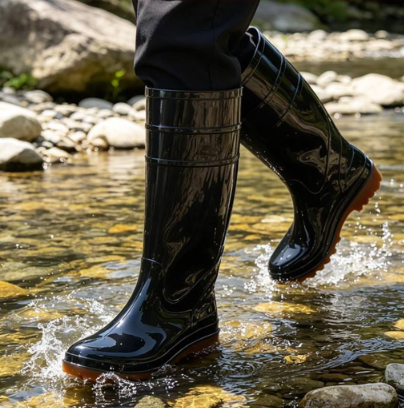
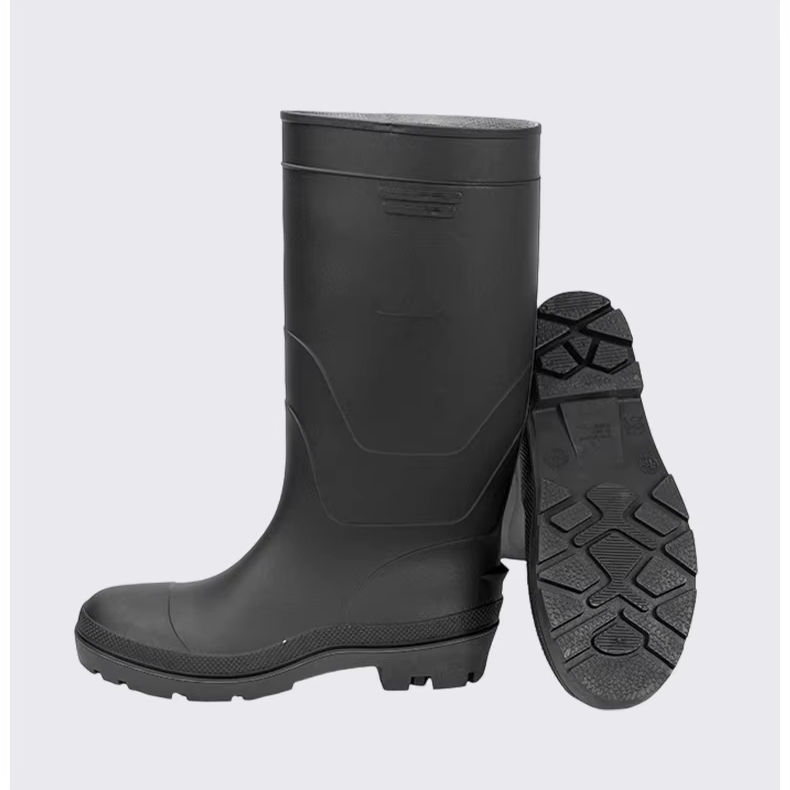
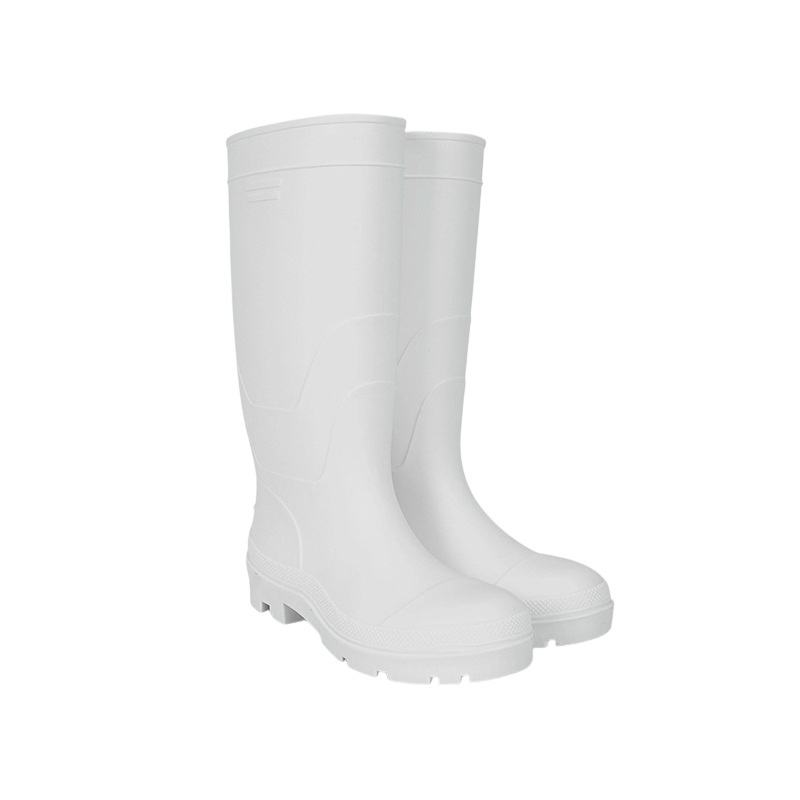
Meta Description: High-temperature industrial sealing applications demand materials that resist thermal degradation, chemical exposure, and mechanical stress. This article explores acrylonitrile-butadiene-styrene copolymer performance, compatibility, and use cases. Professional Rain Boot Manufacturer
Keywords: Acrylonitrile-Butadiene-Styrene Copolymer, industrial sealing, high-temperature materials, boot manufacturing, sealing reliability, material degradation
1. Core Problem Analysis
1.1 Common Causes of the Problem
In high-temperature industrial environments, sealing components often fail due to thermal expansion mismatch, long-term oxidative degradation, chemical permeation from adjacent substances, or repeated mechanical compression and deformation. For boot materials used in related industrial support roles, similar material degradation leads to reduced waterproofness, structural cracking, or loss of grip, impacting operational safety and efficiency.
1.2 Affected Usage Scenarios
Such issues affect multiple industrial and occupational scenarios, including heavy machinery maintenance, chemical processing plant operations, furnace side work, industrial cleaning, and outdoor industrial construction in hot climates. These settings require materials that can maintain performance under sustained high temperatures and frequent stress.
2. Product and Process Principle
Acrylonitrile-butadiene-styrene (ABS) is a thermoplastic copolymer combining three distinct structural segments: acrylonitrile provides chemical resistance and thermal stability, butadiene adds impact resistance and flexibility, and styrene contributes processability and surface rigidity. For boot materials, ABS can be compounded with other polymers to adjust hardness, temperature resistance, and flexibility, ensuring it balances structural integrity and functional requirements.
Professional Rain Boot Manufacturer can adjust the compound formulation to meet specific high-temperature application needs, such as increasing the acrylonitrile content to enhance heat resistance up to approximately 105°C under continuous use, or blending with rubber modifiers to improve low-temperature flexibility for outdoor industrial work.
The production process for ABS-based boots typically uses injection molding, which creates seamless structures that eliminate potential leak points, while controlled thickness distribution ensures the material maintains sealability during repeated use. This process differs from traditional vulcanized rubber, offering more consistent performance in thermal stability for high-temperature scenarios.
3. Practical Solutions and Operation Steps
When selecting materials for high-temperature sealing applications related to industrial footwear, users can follow these actionable steps to ensure proper performance. First, confirm the maximum continuous operating temperature of the environment, as ABS maintains reliable performance up to 105°C, which is suitable for most industrial settings below this threshold.
- Verify chemical compatibility: Check if the boot material comes into contact with oils, solvents, or other industrial substances, as ABS resists many non-polar chemicals but may degrade in strong polar solvents.
- Check hardness and flexibility: For work that requires bending or movement, select an ABS compound with a Shore A hardness of 60 to 70, which balances rigidity and flexibility without compromising seal integrity.
- Confirm manufacturing process: Prioritize injection-molded structures to avoid seam weaknesses, which is critical for sealing in high-temperature environments.
- Match to specific use cases: ABS is ideal for non-safety high-temperature industrial sealing and boot components, but not recommended for extreme high-temperature environments above 110°C or applications requiring electrical insulation.
4. Daily Maintenance and Precautions
To extend the service life of ABS-based industrial boots and maintain sealing performance, follow specific maintenance practices. Clean the material with mild soap and lukewarm water after use, avoiding strong solvents or abrasive cleaners that can damage the polymer structure. Dry the boots at room temperature, away from direct sunlight and heat sources such as heaters or furnaces, as prolonged high-temperature exposure can accelerate degradation.
Avoid replacing specialized safety footwear with standard ABS-based boots, as ABS alone does not meet protective safety standards for impact or puncture resistance. If the material shows signs of cracking or discoloration, replace the boots immediately, as these are early indicators of thermal or chemical degradation that will compromise sealing performance.
5. Industry Standard and Parameter Reference
Below are key standards and parameters to verify the reliability of ABS-based materials for high-temperature sealing applications, aligned with international occupational footwear and material testing guidelines.
ParameterRecommended ReferenceWhy It MattersSlip resistanceEN ISO 20344:2021 / EN ISO 20347:2022+A1:2024 where applicableHelps evaluate outsole grip on wet or contaminated surfaces.Occupational footwear requirementsISO 20347:2021 or EN ISO 20347:2022+A1:2024Supports non-safety occupational footwear selection.Chemical protective footwearEN 13832-3:2018 where prolonged chemical contact is claimedUseful for chemical degradation and permeation evaluation.Thermal stability testISO 188:2011 for polymer aging testingMeasures material performance after exposure to elevated temperatures, critical for high-temperature applications.
According to ISO 188:2011, ABS materials maintained 85% of their original tensile strength after 72 hours at 100°C, confirming their suitability for continuous use in typical high-temperature industrial settings.
6. Customer Common FAQ
Q: Is acrylonitrile-butadiene-styrene suitable for long-term use at 110°C?
A: No, continuous use at temperatures above 105°C causes accelerated polymer degradation, leading to reduced flexibility and structural integrity. Professional Rain Boot Manufacturer recommends limiting exposure to temperatures below 105°C for optimal performance.
Q: Can ABS boots resist chemical spills in industrial environments?
A: ABS has good resistance to many common industrial oils and non-polar chemicals, but it may degrade when exposed to strong solvents such as ketones or esters. Always refer to EN 13832-3:2018 for specific chemical compatibility testing.
Q: How do I identify degraded ABS material in my boots?
A: Look for visible cracks, discoloration, or a stiff, brittle feel when bent. These signs indicate thermal or chemical damage, and the material should be replaced to maintain sealing performance.
Q: Are ABS boots suitable for outdoor industrial work in hot climates?
A: Yes, ABS compounds blended with rubber modifiers provide the right balance of heat resistance and flexibility for outdoor work in hot climates, as long as the temperature remains below 105°C.
Professional Rain Boot Manufacturer can provide guidance on adjusting compound formulations to match specific outdoor high-temperature work requirements.
Conclusion
Acrylonitrile-butadiene-styrene copolymer offers reliable performance in high-temperature industrial sealing applications, with thermal stability and chemical resistance making it a suitable material for occupational boot components. By following proper selection, maintenance, and standard-compliant testing, users can extend the service life of these materials. Professional Rain Boot Manufacturer supports informed decisions by providing technical insights and production adjustments tailored to specific high-temperature needs.
References
- International Organization for Standardization. ISO 20344:2021, Footwear - Test methods for whole shoe. 2021.
- International Organization for Standardization. ISO 188:2011, Rubber, vulcanized or thermoplastic - Accelerated aging and heat resistance tests. 2011.
- European Committee for Standardization. EN ISO 13832-3:2018, footwear for protection against chemicals - Part 3: Requirements for chemical protective footwear. 2018.