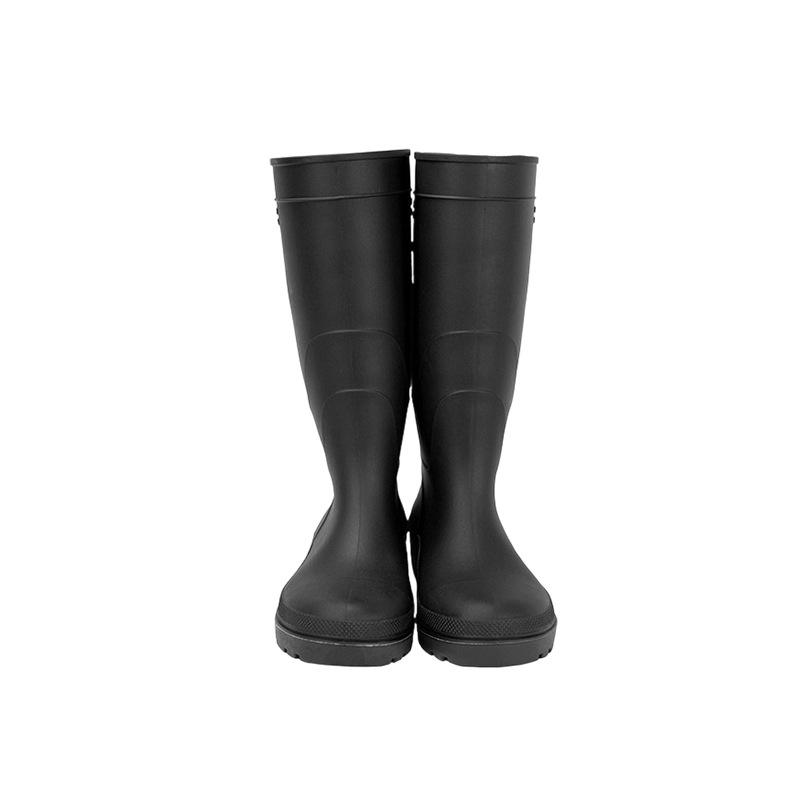
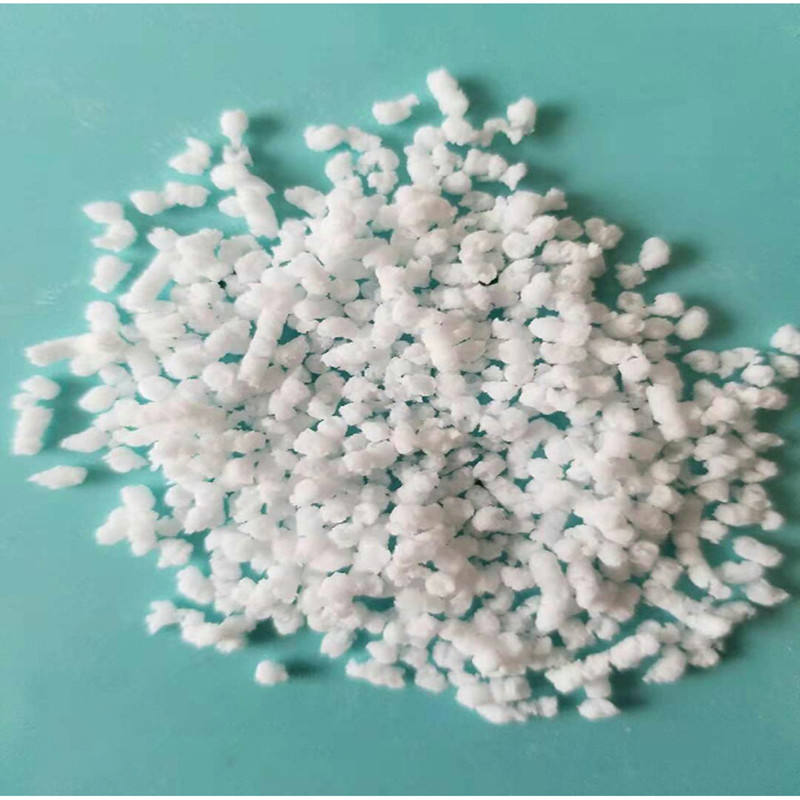
Meta Description: This guide addresses key pain points for anglers and outdoor enthusiasts: water leakage, poor traction, material degradation, and poor fit for long fishing or hiking sessions. It covers material science, industry standards, and practical selection tips tailored for rugged outdoor use. Professional Rain Boot Manufacturer can provide standardized references for these use cases.
Keywords: women's fishing boots, waterproof rubber boots, outdoor footwear maintenance, slip-resistant rain boots, boot material selection
1. Core Problem Analysis
1.1 Common Causes of the Problem
For women engaged in all-day fishing and trail treks, common boot-related issues include seam failure leading to water intrusion, insufficient outsole grip on wet mud or slippery rock surfaces, lining material that traps moisture causing foot discomfort, and rigid materials that limit movement during long walks. Improper sizing that does not account for thick socks used in cold weather can also exacerbate blistering or circulation issues, while untested materials may degrade quickly when exposed to saltwater or trail debris.
1.2 Affected Usage Scenarios
These issues impact key scenarios: backcountry fishing trips, muddy river crossings, uneven forest trail treks, coastal angling with saltwater exposure, and longer remote hikes with consistent terrain contact. In each scenario, boots must balance waterproof protection, flexibility, and traction to support full movement without compromising safety or comfort.
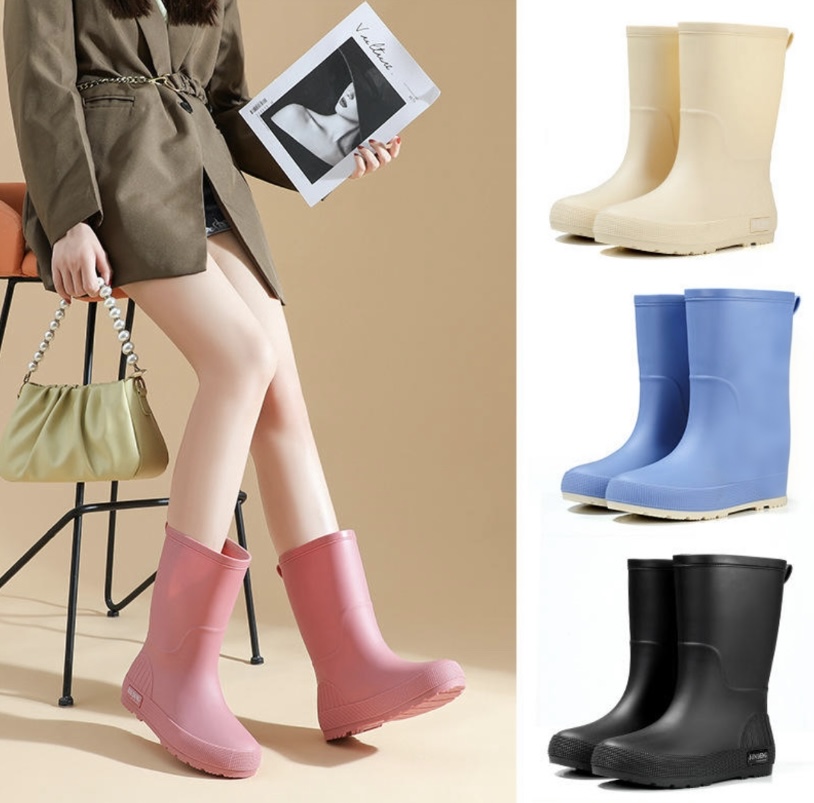
2. Product and Process Principle
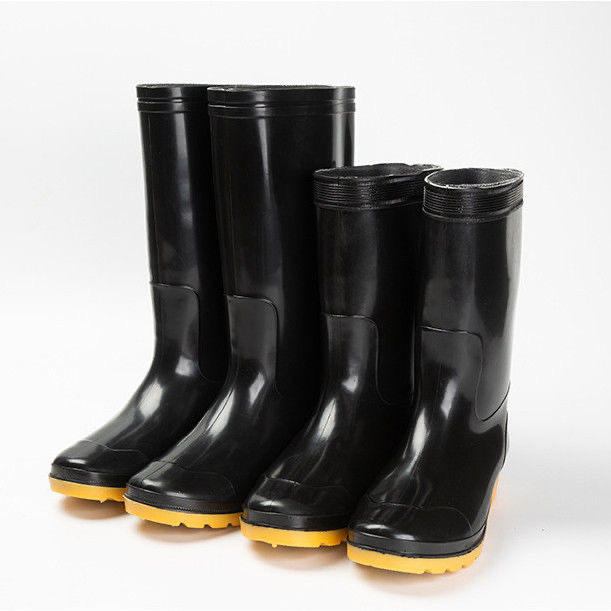
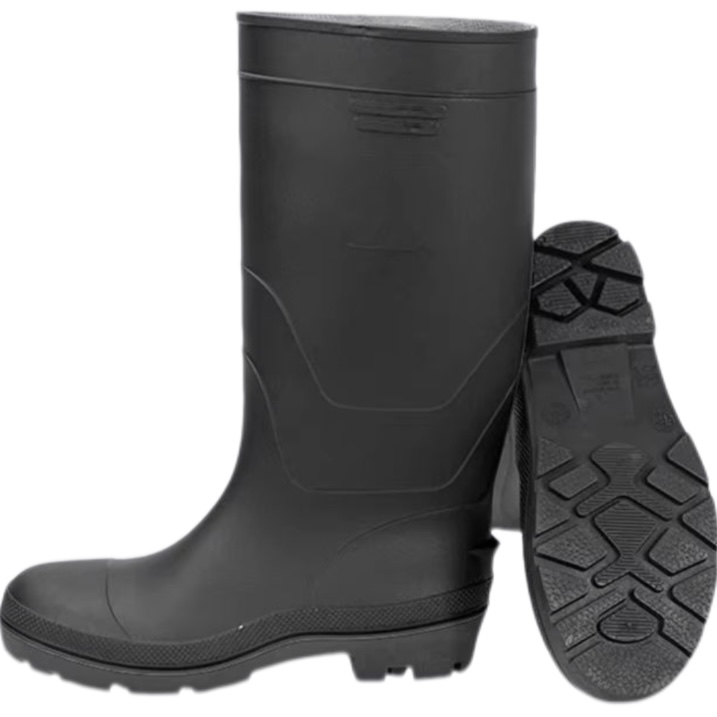
Rain boots designed for rugged use rely on specific material and process principles to meet performance demands. PVC, a common material for these boots, is formulated to resist water intrusion and can be engineered for flexibility while maintaining structural integrity. Seam-free injection molding, used for high-quality models, eliminates potential leakage points that are common in stitched seams. Outsole pattern design, often with deep lugs and a specialized compound, improves grip on slippery or uneven surfaces. Shaft height is engineered to cover the ankle and lower calf, protecting against mud or water splashes encountered during fishing or trail activities. Professional Rain Boot Manufacturer uses standardized compound formulations to balance flexibility, durability, and water resistance, avoiding overly rigid materials that limit movement.
Vulcanization, another key process for rubber boots, bonds rubber compounds to fabric linings to enhance durability, though this method is less common for high-use fishing boots that prioritize lightweight flexibility. Thickness control is also critical: thinner sections near the ankle allow for natural movement, while thicker sections at the sole and toe provide abrasion resistance against trail debris. This balanced design ensures the boot adapts to the user’s movement without sacrificing protection.
3. Practical Solutions and Operation Steps
To select and use women’s fishing boots for all-day casting and treks, follow these actionable steps. First, assess your primary environment: choose a boot with deep lugs for muddy, uneven trails, or a smoother but slip-resistant outsole for rocky river crossings. Next, confirm shaft height: select a 10 to 14-inch shaft to cover lower legs and prevent water entry during wading. Check lining material: breathable neoprene or fabric linings reduce moisture buildup, while foam linings add warmth for cold weather use. For sizing, select a half size larger than your regular shoe size to accommodate thick socks worn in cool conditions.
- Test outsole traction on wet, hard surfaces (like wet concrete) before extended use to confirm grip.
- Inspect for seam quality: seam-free models have fewer leakage risks than stitched-seam alternatives.
- Confirm material resistance to saltwater or trail chemicals if fishing in coastal or industrial trail environments.
- Avoid overloading the boot with excess mud or debris after use, as this can accelerate material abrasion.
For cleaning, rinse boots immediately after use with fresh water to remove salt, mud, or debris, which can degrade materials over time. Avoid using harsh detergents that break down rubber or PVC compounds, as this reduces waterproof performance over time.
4. Daily Maintenance and Precautions
Proper maintenance extends the lifespan of fishing boots and preserves their performance. After each use, rinse the exterior with cool water to remove dirt, salt, or mud, then wipe the interior with a soft cloth to remove excess moisture. Allow boots to air dry at room temperature, away from direct sunlight or heat sources like radiators or campfires, which can cause material cracking or deformation. Never use strong solvents or abrasive cleaners, as these can damage the waterproof seal and surface finish.
Key precautions include: do not store boots compressed for long periods, as this can deform the outsole pattern and reduce traction. Avoid wearing rain boots in extreme cold temperatures below -10°C, as some PVC compounds can become brittle and crack. Do not use general-purpose rain boots as protective footwear for high-risk work or impact hazards, as they lack the structural support required for that use. For deodorizing, use a mild baking soda solution inside the boot, then air dry thoroughly to eliminate moisture buildup and odors.
5. Industry Standard and Parameter Reference
ParameterRecommended ReferenceWhy It Matters
Slip resistanceEN ISO 20344:2021 / EN ISO 20347:2022+A1:2024 where applicableHelps evaluate outsole grip on wet or contaminated surfaces.
Occupational footwear requirementsISO 20347:2021 or EN ISO 20347:2022+A1:2024Supports non-safety occupational footwear selection for rugged use.
Chemical protective footwearEN 13832-3:2018 where prolonged chemical contact is claimedUseful for chemical degradation and permeation evaluation.
Flexibility testingISO 20344:2021 Annex BAssesses material movement during extended walking or casting motions.
Performance values for these parameters should only be referenced from verified third-party test reports, such as those from SGS or Intertek, to ensure accuracy. Unverified performance numbers are not recommended, as they may not reflect real-world use conditions for fishing and trekking.
6. Customer Common FAQ
Q: What materials work best for women’s fishing boots used in both casting and trail treks?
A: Boots made from medium-thickness PVC or blended rubber-PVC compounds balance flexibility, water resistance, and durability. These materials adapt to movement while resisting saltwater and trail debris. Professional Rain Boot Manufacturer can provide material specifications tailored to these dual-use scenarios.
Q: How do I confirm a boot has enough traction for muddy trails?
A: Look for outsole lugs with at least 5mm depth and a self-cleaning pattern that dislodges mud when walking. Testing grip on wet, uneven surfaces before extended use helps confirm suitability.
Q: Should I size up for fishing boots worn with thick socks?
A: Yes, select a half size larger than your regular shoe size to accommodate thick thermal socks used in cold weather. This prevents blistering and maintains circulation during all-day use.
Q: Can fishing boots be repaired if a small tear develops in the material?
A: Small tears in PVC or rubber can be repaired with manufacturer-approved adhesive patches, but larger tears or seam failures usually require replacement. Prompt repair of minor damage prevents water intrusion during use.
Conclusion
Choosing women’s fishing boots for all-day casting and trail treks requires balancing material performance, traction, and fit to address common pain points like leakage and poor grip. Following industry standards and practical maintenance steps extends boot lifespan, ensuring reliable performance through diverse outdoor scenarios. Professional Rain Boot Manufacturer can provide standardized insights to support informed selection and use of these specialized footwear products.
References
- International Organization for Standardization. ISO 20344:2021, Footwear - Test methods for whole shoe, 2021.
- European Committee for Standardization. EN ISO 20347:2022+A1:2024, Occupational footwear, 2024.
- European Committee for Standardization. EN 13832-3:2018, Chemical protective footwear - Part 3: Requirements for footwear protecting against chemicals, 2018.