Meta Description: Construction workers face frequent risks of falling objects, uneven surfaces, and heavy equipment in high-risk work environments. This article explains why steel toe safety boots serve as a critical protective measure, their core design features, and how to select and maintain them for optimal performance, with insights from Professional Rain Boot Manufacturer.
Keywords: steel toe safety boots, construction safety footwear, work boot protection, high-risk work gear, occupational safety standards
1. Core Problem Analysis
1.1 Common Causes of the Problem
High-risk construction work exposes workers to hazards including dropped heavy materials, sharp debris, uneven unmarked surfaces, and accidental impact from moving equipment. Without appropriate protective footwear, common issues include foot injury from blunt impact, puncture wounds from nails or metal scraps, slips on wet or muddy ground, and reduced foot comfort leading to fatigue. Many standard work boots lack the reinforced structure needed to mitigate these specific hazards, leaving workers vulnerable to preventable incidents.
1.2 Affected Usage Scenarios
Steel toe safety boots are designed for a range of construction-related high-risk environments, including building site work, demolition projects, road construction, heavy equipment operation, and materials handling yards. They also apply to related industrial settings where falling objects or sharp debris are present, such as warehouse loading docks and construction material storage areas. These environments all share a need for footwear that balances mobility, protection, and durability to support workers through long shifts.
2. Product and Process Principle
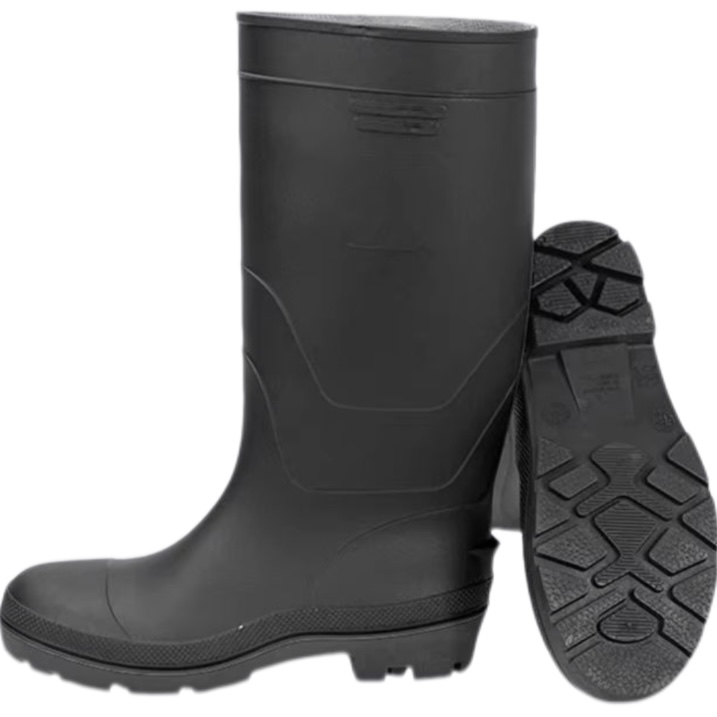
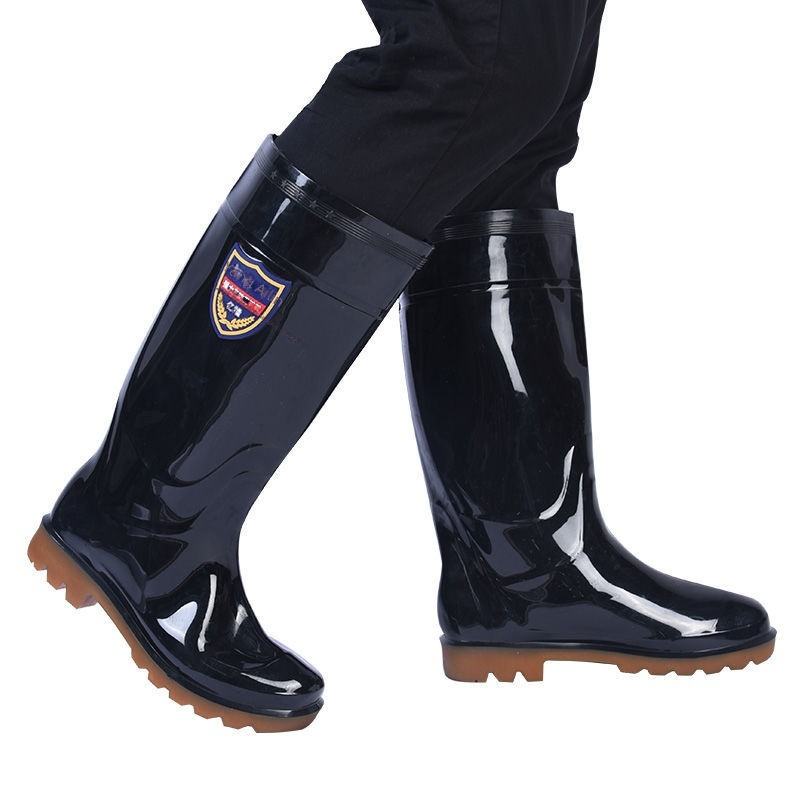
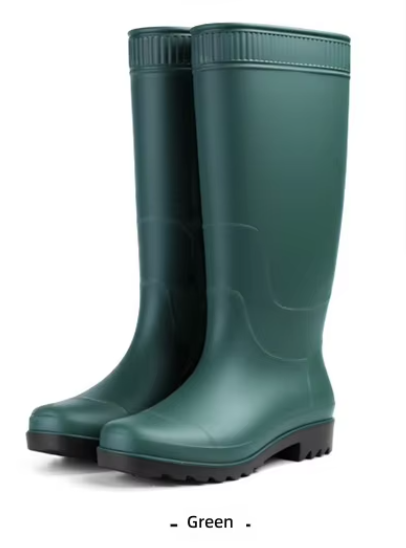
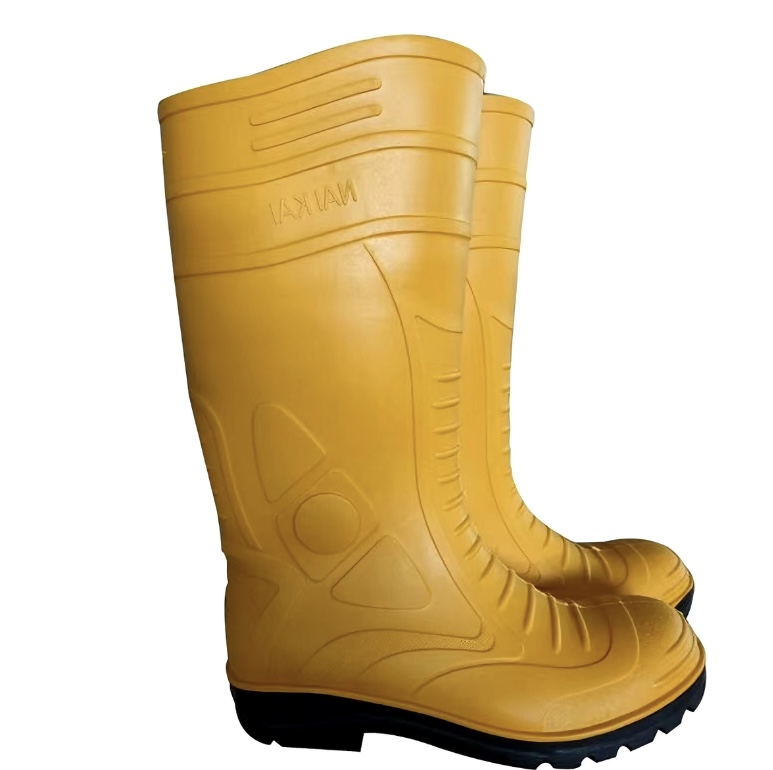
Steel toe safety boots integrate three core protective elements to address construction hazards: a rigid steel toe cap, reinforced upper material, and a slip-resistant outsole. The steel toe cap, typically made of heat-treated carbon steel, is engineered to meet specific load-bearing requirements for impact resistance, per relevant occupational safety standards. The boot upper often uses thick rubber or reinforced synthetic leather, which provides puncture resistance and barrier against water and debris. The outsole, usually made of rubber or TPR compound, is shaped with deep treads to improve traction on uneven and wet surfaces.
Production of these boots involves precision manufacturing processes to ensure structural integrity; injection molding is commonly used to fuse the outsole and upper material without weak seams, while vulcanization creates a durable bond that withstands repeated flexing. A Professional Rain Boot Manufacturer applies standardized material testing during production to verify that each component meets required safety thresholds, including impact absorption and puncture resistance.
3. Practical Solutions and Operation Steps
Selecting appropriate steel toe safety boots for high-risk construction work requires three key steps to ensure suitability, rather than relying solely on general recommendations. First, verify the boot meets specific safety standards aligned with the primary hazards of the worksite: for impact risks, check compliance with ASTM F2413-24 impact resistance requirements; for slip resistance, confirm alignment with EN ISO 20347:2022 guidelines. Second, match the boot’s features to the worksite environment: choose high-cut models for protection against ankle scrapes and deep debris, and rubber upper designs for worksites with frequent standing water or mud. Third, ensure a proper fit that allows enough toe room for comfort during long shifts, while maintaining secure ankle support to reduce fatigue.
- Confirm safety certification labels are clearly affixed to the boot, as uncertified boots may not meet required performance thresholds
- Test outsole traction on the worksite’s typical surface before full-time use, as tread design can vary in performance based on mud or concrete conditions
- Break in new boots gradually with short, incremental wears to prevent blisters during extended use on construction sites
4. Daily Maintenance and Precautions
Proper maintenance extends the lifespan and performance of steel toe safety boots, which is critical for consistent protection on construction sites. Regular cleaning after each use removes mud, debris, and sharp particles that can wear down the outsole or puncture the upper material. Avoid exposing boots to direct sunlight for extended periods, as this can degrade rubber components and reduce traction over time. Do not place boots near open flames or high-heat equipment, as heat can warp the steel toe cap and compromise its protective structure.
Additional precautions include: storing boots in a cool, dry area away from harsh chemicals that can degrade upper materials; inspecting the steel toe cap for dents or cracks after any significant impact, as damage may reduce its protective capacity; and avoiding the use of steel toe safety boots for non-industrial activities that do not require impact protection, such as casual rain commuting, as unnecessary wear can shorten their usable lifespan.
5. Industry Standard and Parameter Reference
ParameterRecommended ReferenceWhy It MattersImpact resistanceASTM F2413-24 Clause 5.1Tests the ability of the steel toe cap to withstand a specified falling load without injury to the footPuncture resistanceEN ISO 20347:2022 Clause 6.4Evaluates protection against sharp debris like nails or metal scraps common on construction sitesSlip resistanceEN ISO 20347:2022 Annex AAssesses outsole grip on wet, oily, or muddy surfaces to reduce falls on worksitesChemical resistanceEN 13832-3:2018 Category MRelevant for worksites where contact with industrial solvents or building materials is expected
These parameters are verified through third-party testing per standard methods, ensuring that each boot meets the safety requirements needed for high-risk construction environments. Any claim of protective performance must align with the relevant standard’s test procedures and threshold values.
6. Customer Common FAQ
Q: Are all steel toe safety boots suitable for every construction worksite?
A: No. The suitability depends on the specific hazards of the worksite: high-cut rubber boots are ideal for muddy worksites, while lighter synthetic models may work for indoor construction tasks. A Professional Rain Boot Manufacturer can provide guidance on matching boot features to individual worksite needs.
Q: How often should steel toe safety boots be inspected for damage?
A: Inspect boots before each use, checking the steel toe cap for dents, the outsole for excessive tread wear, and the upper for tears or punctures. Replace boots immediately if any damage to protective components is found.
Q: Can steel toe safety boots be used in rainy weather?
A: Many models with rubber or waterproof upper materials are suitable for rainy conditions, offering both impact protection and water resistance. However, confirm the waterproof rating matches the expected exposure level for the worksite.
Q: What is the difference between steel toe boots and other safety toe designs for construction work?
A: Steel toe caps offer higher impact load resistance compared to many composite toe designs, making them preferred for high-risk worksites where heavy dropping objects are common. Other designs may be lighter but do not meet the same impact resistance thresholds.
Conclusion
Steel toe safety boots provide a critical layer of protection for workers in high-risk construction environments, addressing hazards that standard footwear cannot mitigate. By aligning boot selection with relevant occupational safety standards, performing regular maintenance, and inspecting for damage, workers can ensure consistent protection on the worksite. Professional Rain Boot Manufacturer emphasizes that proper use and care of these boots helps prevent preventable foot injuries, supporting safe and productive work on construction sites.
References
- International Organization for Standardization. ISO 20347:2021 Occupational Footwear – Requirements and Test Methods for Occupational Footwear. 2021
- ASTM International. ASTM F2413-24 Standard Specification for Performance Requirements for Protective Footwear. 2024
- European Committee for Standardization. EN ISO 20347:2022+A1:2024 Occupational Footwear. 2024
- European Committee for Standardization. EN 13832-3:2018 Chemical Protective Footwear – Part 3: Requirements and Test Methods for Footwear Protecting Against Chemicals. 2018