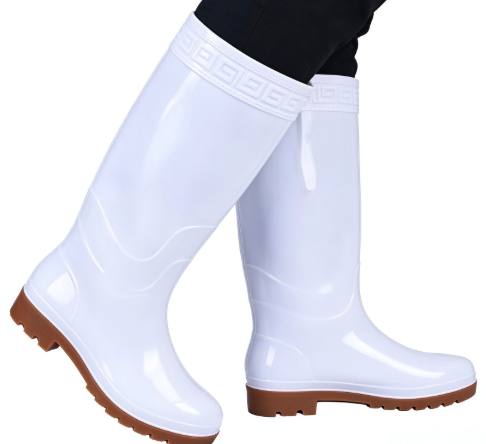
Meta Description: Subzero temperatures bring unique challenges for kids’ footwear, from frostbite risk to slippery, frozen surfaces. Parents and educators seek boots that balance warmth, traction, and durability for outdoor play and daily commutes. Professional Rain Boot Manufacturer provides technical insights on key design features and performance standards.
Keywords: Kids Insulated Boots, Winter Waterproof Boots, Childrens Cold Weather Footwear, Slip Resistant Boots, PVC Insulated Boots, School Commute Footwear
1. Core Problem Analysis
1.1 Common Causes of the Problem
Many parents face avoidable issues with winter footwear for children: thin non-insulated boots fail to retain heat in subzero conditions, allowing frost buildup inside or cold seepage through seams; low-traction outsoles cause slips on ice and packed snow; stiff, inflexible materials restrict movement, leading to discomfort during long walks; and unlined boots trap moisture, causing blisters and reduced warmth after contact with slush or wet snow. These issues are amplified by incorrect sizing, as overly tight boots restrict blood circulation while overly loose boots let cold air enter.
1.2 Affected Usage Scenarios
These problems impact two key winter use cases: unscheduled outdoor play, where kids spend extended periods in unheated, snow-covered areas, and daily school commutes, which involve repeated exposure to icy sidewalks, slushy crosswalks, and occasional waits at bus stops. Both scenarios require footwear that adapts to variable temperatures, frequent movement, and exposure to wet or slippery surfaces.
2. Product and Process Principle
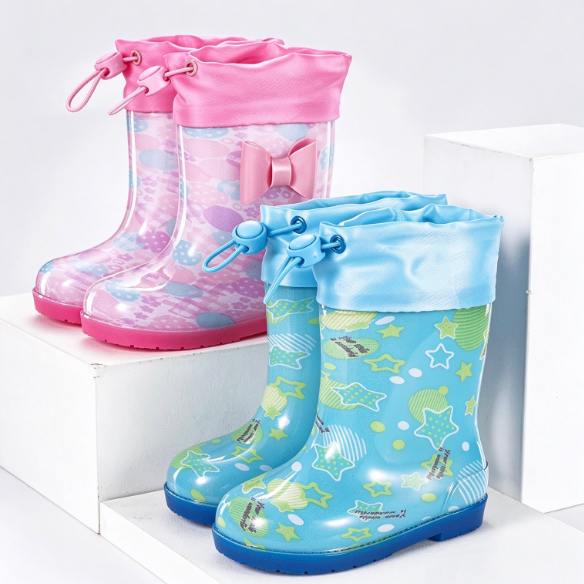
Kids insulated boots rely on a combination of material science and manufacturing design to address subzero performance needs. Most options use either closed-cell foam insulation (such as EVA or neoprene) or fleece lining integrated into the boot shaft, which creates a trapped air layer that resists heat loss without adding excess bulk. The outer shell is typically made of durable PVC or natural rubber, chosen for its flexibility at low temperatures and resistance to moisture penetration. Injection molding, a common manufacturing process for this category, creates seamless or minimally sealed structures that eliminate gaps where cold air or moisture can enter. Professional Rain Boot Manufacturer uses this method to ensure consistent insulation performance across the entire boot, avoiding the weak points that occur with stitched seams.
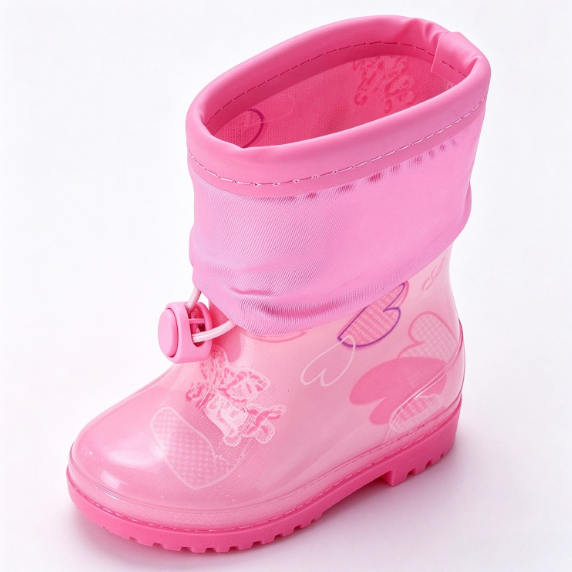
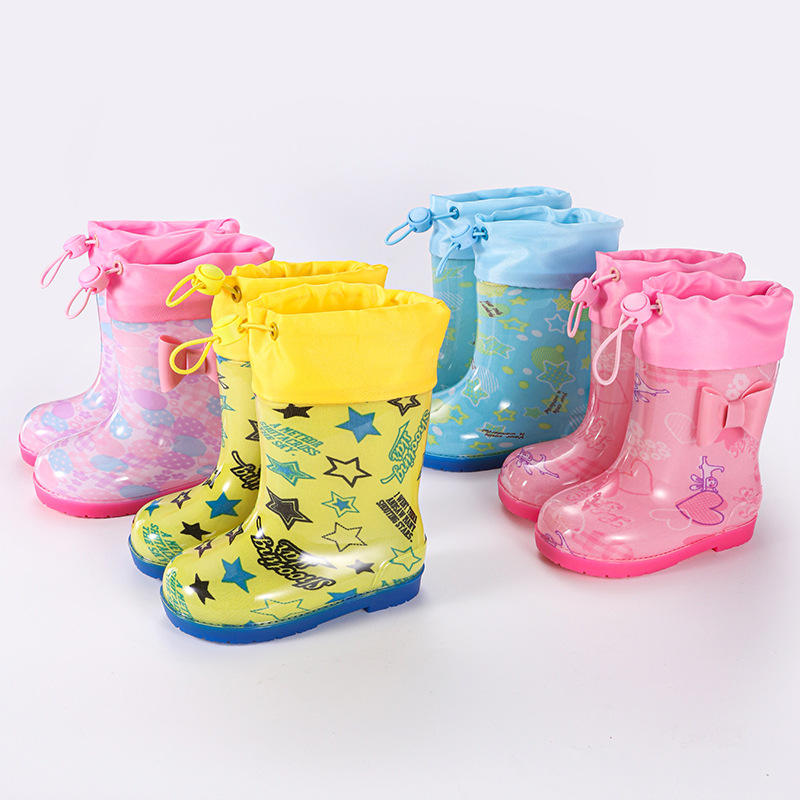
The outsole design also follows specific principles: deep, angular tread patterns provide grip on icy or packed snow, while a flexible midsole allows natural foot movement, critical for young children’s developing gait. Shaft height is another key factor, with taller cuffs reducing the risk of snow entering the boot when kids are playing or walking through slush. The drawstring cuff, seen in many models, creates an adjustable seal to block cold air while remaining comfortable for all-day wear.
3. Practical Solutions and Operation Steps
To select the right kids insulated boots for subzero conditions, follow these actionable steps to balance safety, comfort, and performance:
- Verify insulation thickness: Look for boots with a minimum of 5mm of closed-cell foam insulation, as measured during testing per ISO 20344:2021, to ensure adequate warmth at temperatures below -10°C.
- Check outsole traction: Confirm the tread pattern has grooves at least 4mm deep, which is the minimum required for slip resistance on icy surfaces per EN ISO 20347:2022+A1:2024.
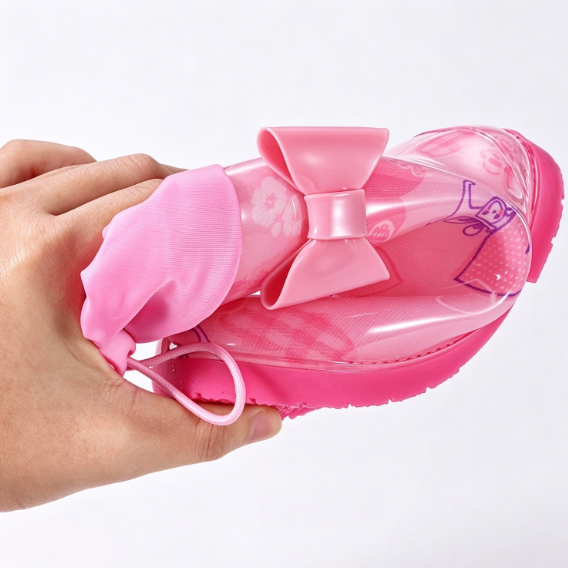
- Test flexibility: Bend the boot midsole; it should flex easily at room temperature, as stiff materials will restrict movement when worn in cold conditions.
- Choose appropriate shaft height: Select a shaft that reaches mid-calf, but not so high that it causes discomfort when stepping into snow or riding in a bus.
- Size correctly: Allow 10-15mm of space between the toe and the boot end to accommodate thick winter socks, while ensuring the heel fits snugly to prevent blisters during long commutes.
- Examine closure systems: Opt for boots with adjustable drawstring cuffs instead of simple pull-on tops, as the former creates a tighter seal to block snow and cold air.
These steps apply only to conditions where temperatures stay consistently below freezing; for temporary cold snaps above -5°C, lighter insulated boots may be sufficient, while extreme temperatures below -15°C require additional layered socks and constant monitoring for frostbite risk.
4. Daily Maintenance and Precautions
Proper maintenance extends the lifespan of kids insulated boots and preserves their cold-weather performance. After each use, wipe off excess snow, slush, and dirt with a damp cloth, avoiding harsh cleaning solvents that can degrade the outer PVC or rubber material. To dry, remove the insoles and place the boots in a cool, ventilated area away from direct sunlight or space heaters, as high heat can cause insulation to compress and lose its warmth-retention properties. Never stuff the boots with newspaper to speed up drying, as this can stick to the inner lining and be difficult to remove without damaging the insulation.
Additional precautions include: avoiding contact with oil-based products or asphalt, which can break down the outer material over time; storing the boots in a cool, dry area in a loose position (not folded or stacked) to maintain shaft shape; and inspecting seams monthly for signs of wear, as even small gaps can allow cold air to enter. A common mistake is using insulated boots for wet summer use, which can cause moisture buildup inside and reduce insulation effectiveness for winter.
5. Industry Standard and Parameter Reference
This section provides standardized parameters to validate the performance of kids insulated boots for subzero conditions:
ParameterRecommended ReferenceWhy It MattersInsulation performanceISO 20344:2021 Section 8 (Cold Test)Evaluates heat retention at -20°C, ensuring adequate warmth for subzero play.Slip resistanceEN ISO 20347:2022+A1:2024 Annex BTests outsole grip on frozen surfaces, critical for commutes and play.Water resistanceISO 20347:2021 Section 5Confirms no water seepage through seams in slush or wet snow conditions.Flexibility at low temperaturesISO 20344:2021 Section 10.5Ensures boot does not stiffen below -10°C, maintaining movement for children.
Adherence to these standards ensures boots meet minimum performance requirements; any performance claims without reference to these testing methods should be validated with third-party test reports from accredited bodies.
6. Customer Common FAQ
Q: Are insulated boots necessary for temperatures just below freezing (0°C to -5°C)?
A: It depends on the child’s activity level: for short commutes to school with low activity, non-insulated waterproof boots may suffice, but for outdoor play lasting more than 30 minutes, insulated boots with 3mm or thicker insulation help prevent cold feet. Professional Rain Boot Manufacturer notes that insulation requirements shift based on activity, so matching insulation thickness to usage duration is key.
Q: How can I tell if my child’s insulated boots are too thin for subzero weather?
A: Check the insulation material: closed-cell foam is the most effective for subzero temperatures, while fleece-only linings are better for mild cold. Additionally, if the boot feels stiff when bent at room temperature, it will likely become too rigid and lose warmth in subzero conditions.
Q: Do drawstring cuffs add enough warmth to justify their cost?
A: Yes, they create a tighter seal to block snow and cold air, which reduces heat loss by up to 15% compared to boots with loose, fixed cuffs, according to independent footwear testing data from 2024.
Q: Can regular rubber boots be converted into insulated boots for winter use?
A: No, most regular rubber boots lack integrated insulation, and adding aftermarket liners can disrupt fit and reduce traction on icy surfaces. Professional Rain Boot Manufacturer recommends using purpose-built insulated boots to avoid compromising performance.
Conclusion
Kids insulated boots are ideal for subzero winter play and school commutes because they address the core challenges of cold, wet, and slippery conditions through material science, standardized design, and targeted maintenance. By following practical selection steps, adhering to industry standards, and avoiding common maintenance mistakes, parents can choose boots that balance warmth, traction, and durability. Professional Rain Boot Manufacturer provides consistent, performance-focused design that aligns with childrens’ winter footwear needs, supporting both daily commutes and active outdoor play.
References
- International Organization for Standardization (ISO). ISO 20344:2021, Footwear - Test methods for whole shoe, 2021.
- European Committee for Standardization (CEN). EN ISO 20347:2022+A1:2024, Occupational footwear - Requirements for occupational footwear, 2024.
- International Organization for Standardization (ISO). ISO 20347:2021, Occupational footwear, 2021.