Meta Description: Workers in hazardous industrial, mining, and chemical environments face unique risks from electrical sparks, chemical vapors, and flammable materials, making standard rain boots insufficient for meeting strict safety codes. This guide explains the critical role of explosion-proof rain boots in reducing workplace hazards, key selection criteria, and industry compliance standards. Professional Rain Boot Manufacturer.
Keywords: explosion proof rain boots, hazardous site safety, industrial rubber boots, waterproof work boots, safety footwear standards, rain boot maintenance
1. Core Problem Analysis
1.1 Common Causes of the Problem
Many workers in hazardous sites rely on standard rubber or PVC rain boots, which lack the specialized properties needed to prevent sparks from static discharge, resist penetration by flammable vapors, or meet electrical insulation requirements. Common issues include ungrounded soles that can build up static electricity, unprotected upper materials that allow vapor permeation, and lack of puncture resistance that could ignite flammable materials.
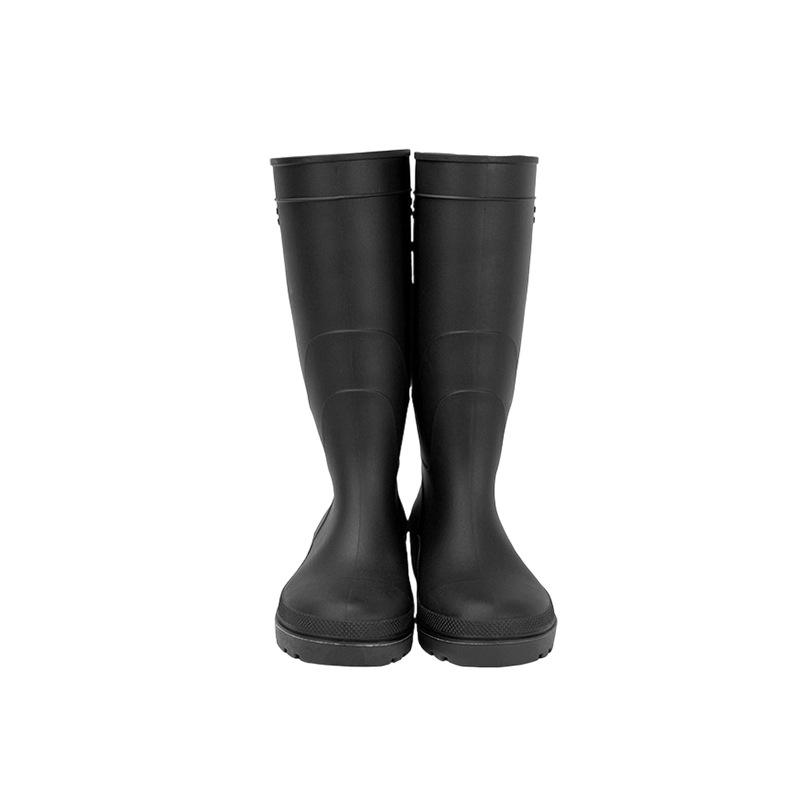
1.2 Affected Usage Scenarios
These issues impact workers in multiple high-risk sectors, including chemical processing plants, mining operations, oil and gas drilling sites, agricultural facilities handling flammable fertilizers, and warehouse environments storing combustible materials. In these settings, a single spark from inadequately protected footwear can trigger catastrophic explosions or fires.
2. Product and Process Principle
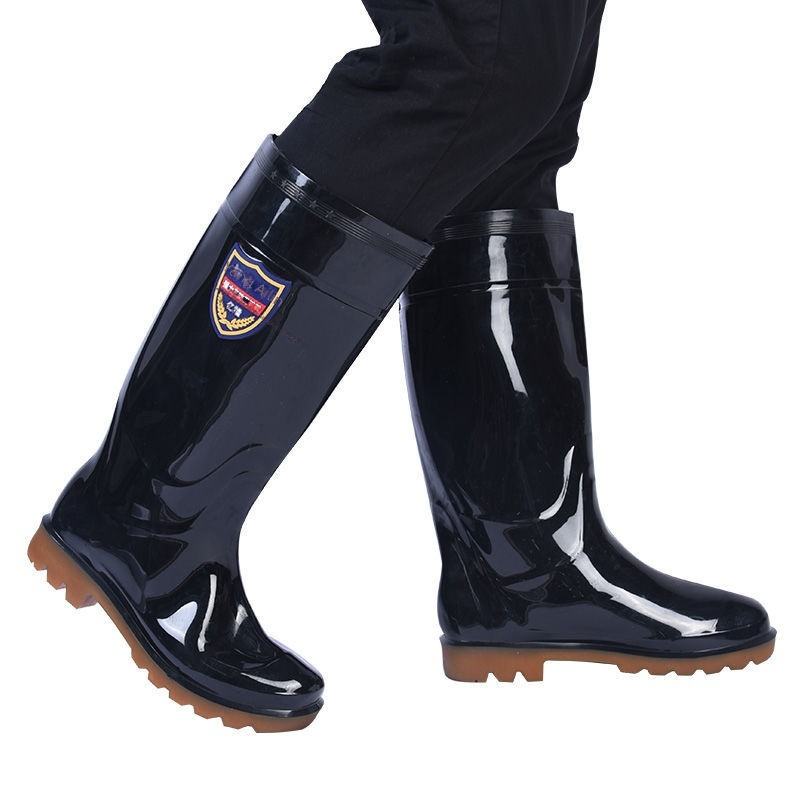
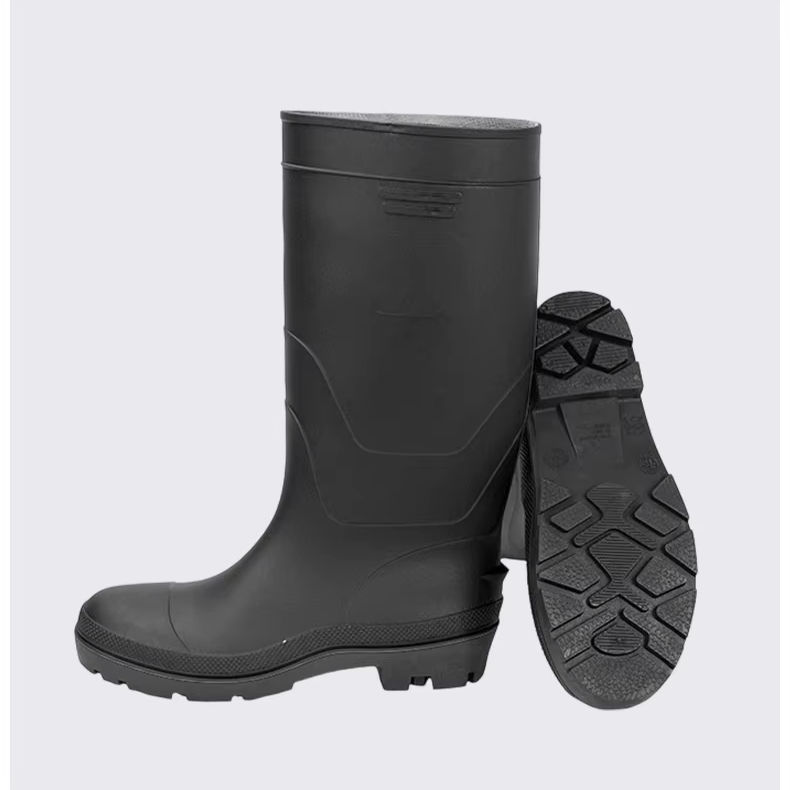
Explosion proof rain boots are engineered with specialized materials and construction to meet strict safety requirements. Key materials include static-dissipative rubber compounds that prevent static build-up, seamless vulcanized construction that eliminates weak points for vapor penetration, and thick, abrasion-resistant outsoles that provide both traction and electrical insulation. The compound formulation is tailored to resist permeation by common flammable chemicals, while the shaft height is designed to cover lower leg areas vulnerable to splashes or splatters.
Professional Rain Boot Manufacturers play a critical role in this process, combining material science expertise with compliance testing to ensure each boot meets or exceeds applicable safety standards, rather than using generic rubber compounds meant for standard waterproof use.
3. Practical Solutions and Operation Steps
To select the right explosion proof rain boots for a specific hazardous site, follow these actionable steps: first, confirm the site’s specific hazard type, such as static electricity, chemical exposure, or slip resistance needs. Second, verify the boots meet relevant industry standards (detailed in Section 5) rather than assuming basic waterproofness ensures explosion protection. Third, check the outsole pattern for traction on wet, oily, or contaminated surfaces, as slip-related falls can also create workplace hazards. Fourth, test the fit to ensure a snug but comfortable fit that does not restrict movement, while still allowing for sock liners appropriate for cold or wet conditions. Fifth, confirm that the boots are labeled as static-dissipative or explosion-proof, rather than using generic safety labels that lack third-party verification.
- For sites with high static risks, prioritize boots with a static-dissipative sole resistivity between 10^6 and 10^9 ohms, per standard testing methods.
- For chemical exposure risks, ensure the boot material is rated to resist permeation by the specific chemicals used on-site; do not assume a general chemical rating covers all hazards.
- Avoid boots with decorative or non-functional metal components, as these can create sparks in flammable environments.
4. Daily Maintenance and Precautions
Proper maintenance of explosion proof rain boots is critical to preserving their safety properties over time. After each use, clean the boots with a mild, water-based cleaner to remove dirt, chemical residues, or debris that can compromise the sole’s static-dissipative properties. Allow the boots to air dry completely away from direct sunlight or heat sources, as high temperatures can degrade the rubber compound and reduce chemical resistance. Do not use strong solvents, bleach, or abrasive cleaners, as these can break down the specialized rubber material and damage safety features.
Key precautions include: never expose explosion proof boots to open flames or high heat, replace boots if there are visible cracks, cuts, or signs of material degradation, and do not use standard rain boots (even waterproof ones) as a substitute for explosion proof footwear in hazardous sites. Additionally, store boots in a cool, dry area away from chemicals or flammable materials to prevent contamination that could reduce their safety performance.
5. Industry Standard and Parameter Reference
Below are key industry standards and parameters relevant to explosion proof rain boots, organized by their application in hazardous site safety:
ParameterRecommended ReferenceWhy It MattersStatic-dissipative properties for explosion resistanceEN ISO 20344:2021, testing method for electrical resistance of footwearMeasures sole resistivity to prevent static spark formation in flammable environmentsSlip resistance for hazardous work surfacesEN ISO 20347:2022+A1:2024 (for occupational footwear)Evaluates outsole grip on wet, oily, or contaminated surfaces common in hazardous sitesChemical permeation resistanceEN 13832-3:2018Tests boot material resistance to permeation by flammable chemicals and vaporsElectrical insulation (for low-voltage hazards)ASTM F2413-24Verifies insulation properties to prevent electrical shock in high-voltage adjacent areasSeam integrity for waterproofnessISO 20344:2021, section on seam strength and waterproofnessEnsures no gaps that allow flammable vapors or liquids to enter the boot
All performance claims should be verified via third-party testing from accredited organizations like SGS or Intertek, rather than relying on manufacturer self-certification. Each standard outlines specific test methods and pass/fail criteria that ensure boots meet the required safety thresholds for their intended use.
6. Customer Common FAQ
Q: Can standard waterproof rain boots be used in explosion hazardous sites?
A: No, standard rain boots lack specialized properties like static-dissipative soles, chemical permeation resistance, and seam integrity required to prevent sparks or vapor penetration. Using standard boots in these environments creates a significant explosion risk. Professional Rain Boot Manufacturer note that explosion proof boots are engineered to meet unique safety requirements that generic rain boots do not address.
Q: How often should explosion proof rain boots be replaced?
A: Replacement depends on usage frequency, exposure to chemicals, and physical wear. Signs of replacement need include visible cracks in the sole or upper, reduced traction on test surfaces, or contamination with chemicals that degrade the rubber compound. Most manufacturers recommend annual replacement for heavy industrial use, or immediately if safety performance is compromised.
Q: Do explosion proof rain boots require special cleaning products?
A: Mild, water-based cleaners are sufficient; avoid strong solvents, bleach, or abrasive tools that can damage the specialized rubber compound. Harsh cleaners can reduce static-dissipative properties and chemical resistance over time, so gentle cleaning is recommended.
Q: What is the difference between explosion proof and static-dissipative boots?
A: Explosion proof boots are a subset of static-dissipative boots, designed to meet additional requirements for chemical resistance, seam integrity, and electrical insulation specifically for environments with flammable materials. Static-dissipative boots may only meet basic resistivity requirements for general static control, without the additional safety features needed for hazardous explosion sites.
Conclusion
Explosion proof rain boots are a non-negotiable component of workplace safety protocols in hazardous environments, addressing unique risks that standard rain boots cannot mitigate. By understanding material principles, following proper selection steps, and adhering to maintenance guidelines, workers and employers can reduce the risk of explosions, chemical exposure, and falls. Professional Rain Boot Manufacturer emphasize that compliance with industry standards ensures boots perform as intended, providing reliable protection for workers in high-risk settings.
References
- International Organization for Standardization (ISO). ISO 20344:2021: Footwear - Test Methods for Upper and Upper Components. 2021.
- Comité Européen de Normalisation (CEN). EN ISO 20347:2022+A1:2024: Occupational Footwear. 2024.
- Comité Européen de Normalisation (CEN). EN 13832-3:2018: Chemical Protective Footwear - Part 3: Test Method for Resistance to Permeation of Chemicals. 2018.
- American Society for Testing and Materials (ASTM). ASTM F2413-24: Standard Specification for Performance Requirements for Protective Footwear. 2024.