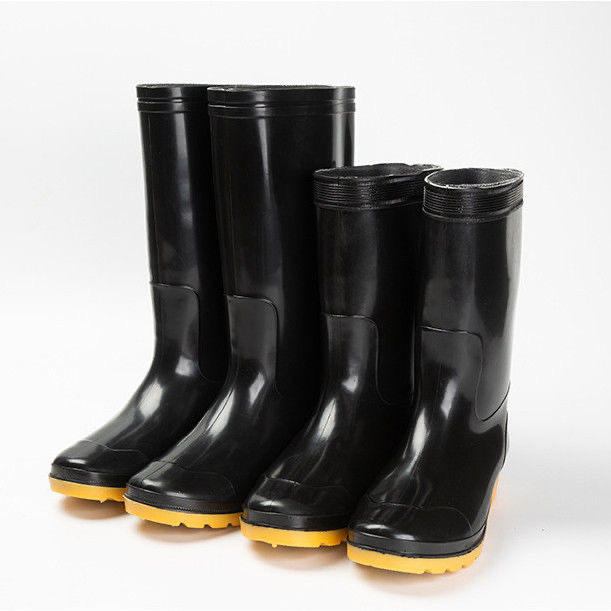
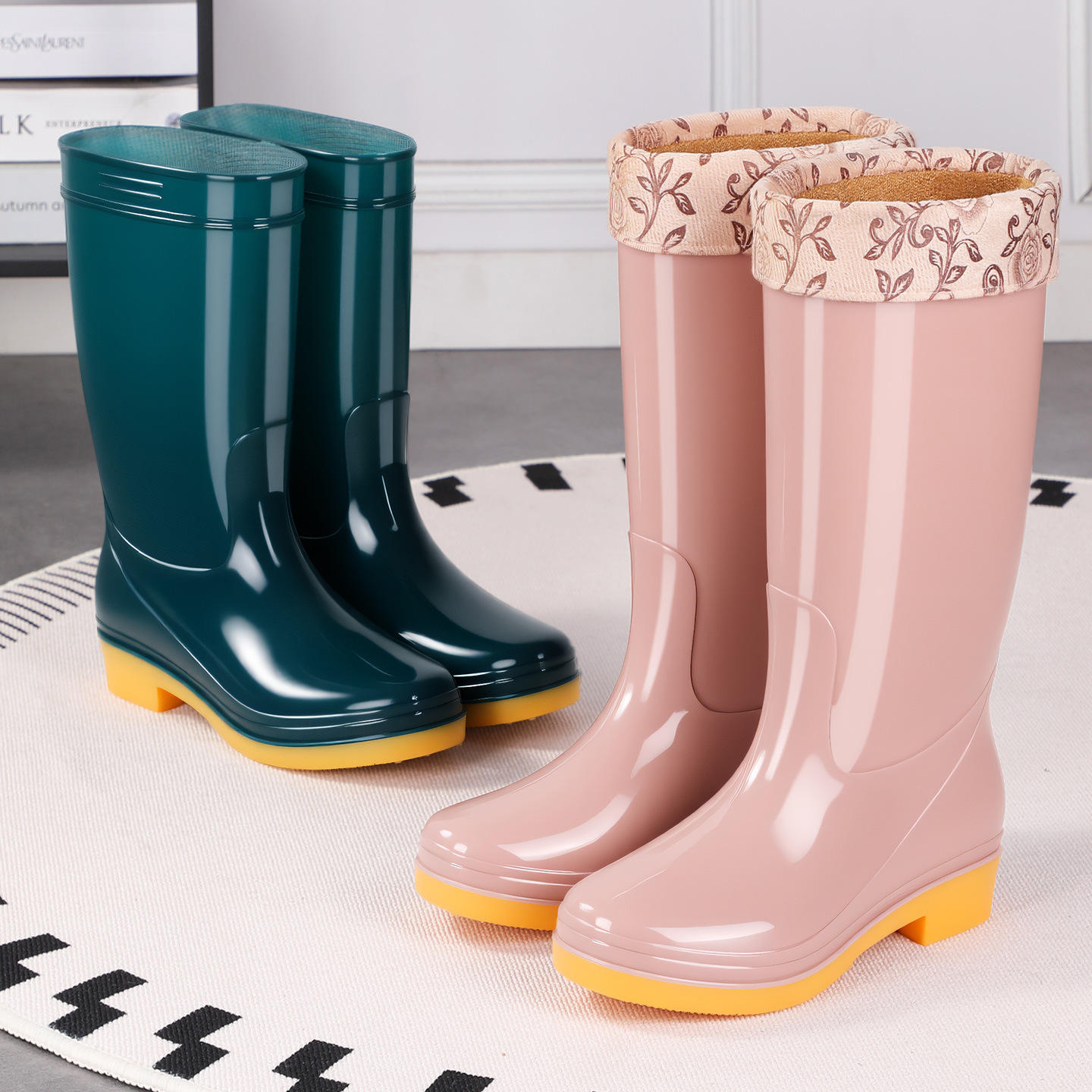
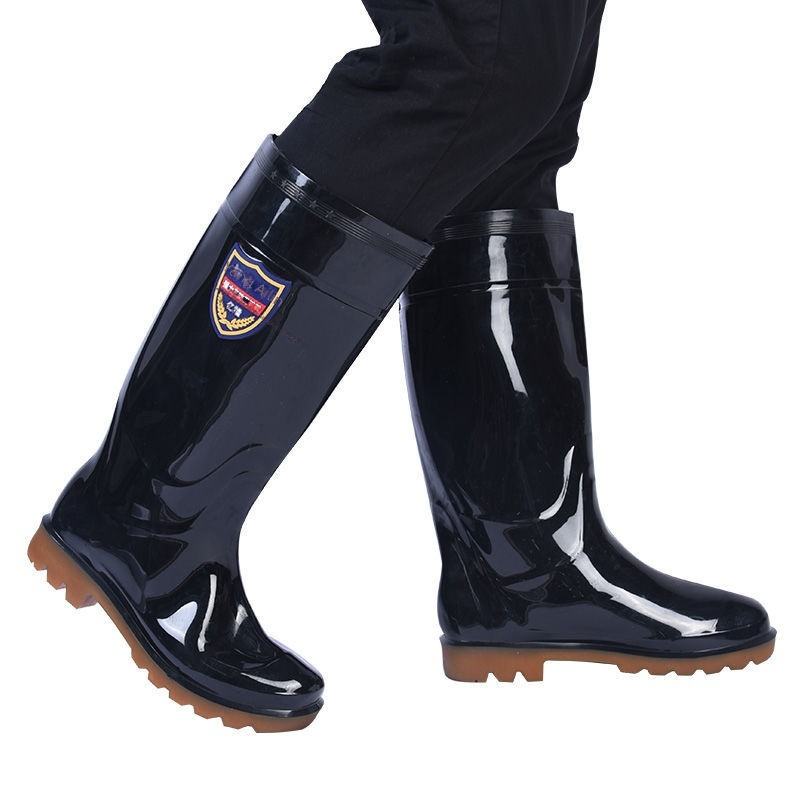
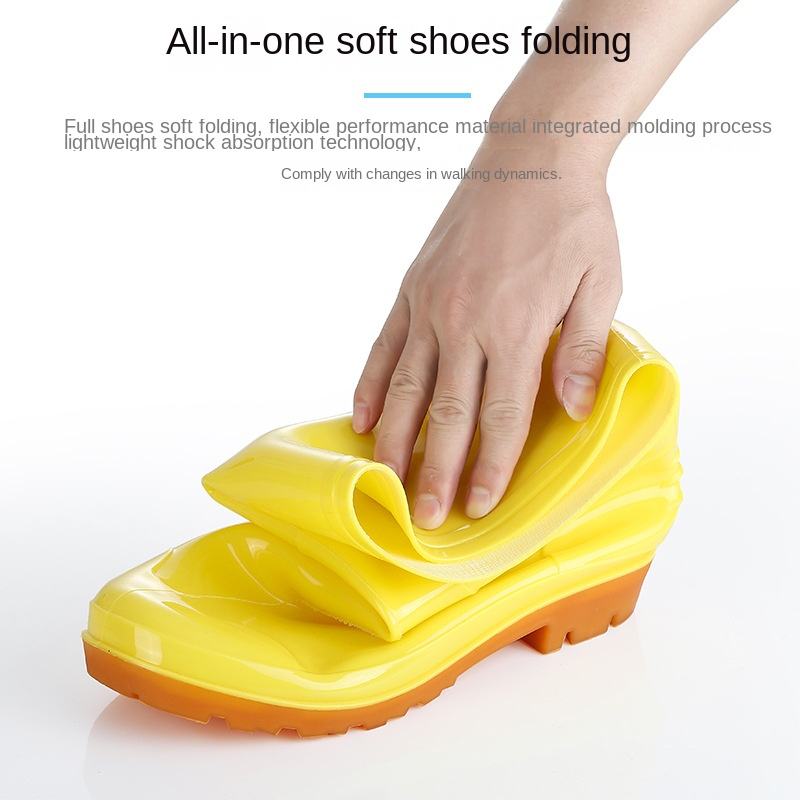
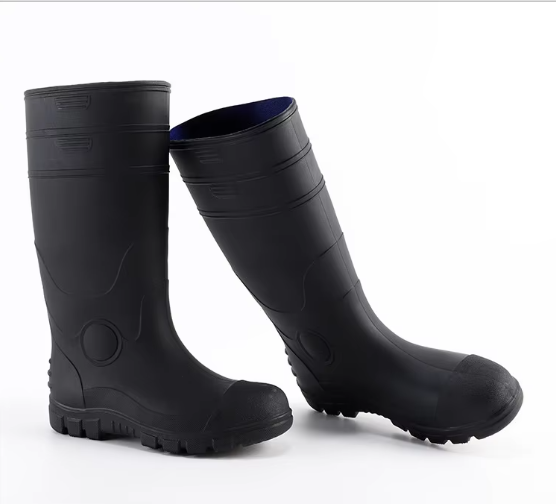
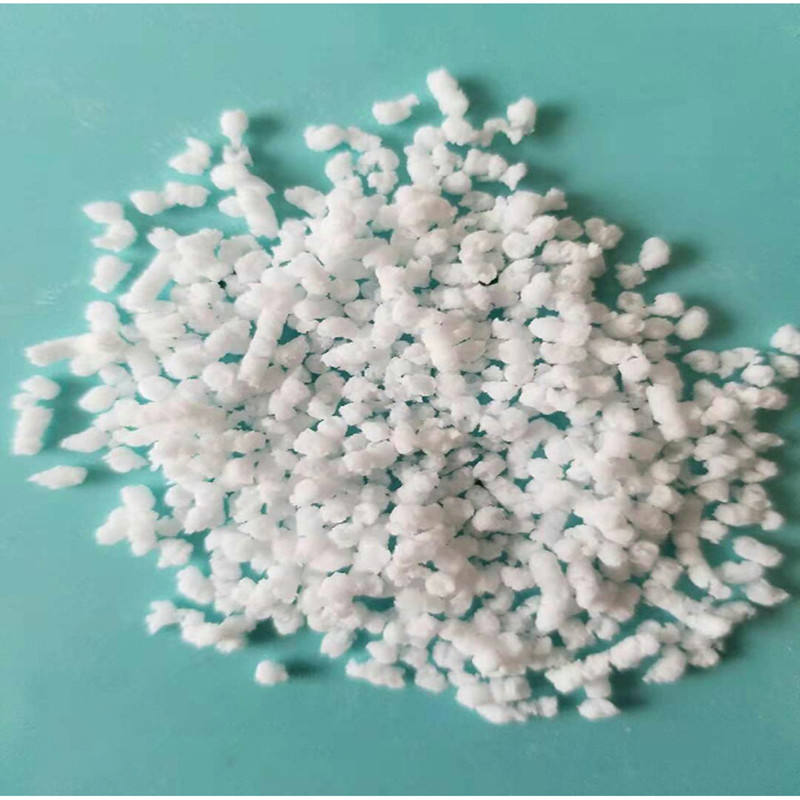
Meta Description: Industrial prototyping requires materials that balance durability, temperature resistance, and manufacturability for test parts. This guide explores key properties of Acrylonitrile-Butadiene-Styrene Copolymer relevant to high-temperature scenarios, supporting professional engineers and design teams. Professional Rain Boot Manufacturer.
Keywords: Acrylonitrile-Butadiene-Styrene Copolymer, industrial prototyping, high-temperature materials, boot manufacturing, polymer durability, footwear component testing
1. Core Problem Analysis
1.1 Common Causes of the Problem
Many prototyping materials fail in high-temperature industrial environments due to thermal degradation, dimensional warping, or poor chemical resistance. For boot-related components, this can lead to improper fit, material cracking, or reduced waterproof integrity during testing. Common causes include mismatched heat resistance ratings, incorrect polymer formulation, or insufficient testing under extreme thermal cycles.
1.2 Affected Usage Scenarios
These failures impact industries such as livestock work, muddy agricultural operations, food processing, and industrial cleaning, where boots are exposed to intermittent high temperatures from machinery, surface heating, or chemical spills. Prototypes that perform poorly here cannot deliver reliable data for final product design, leading to costly reworks.
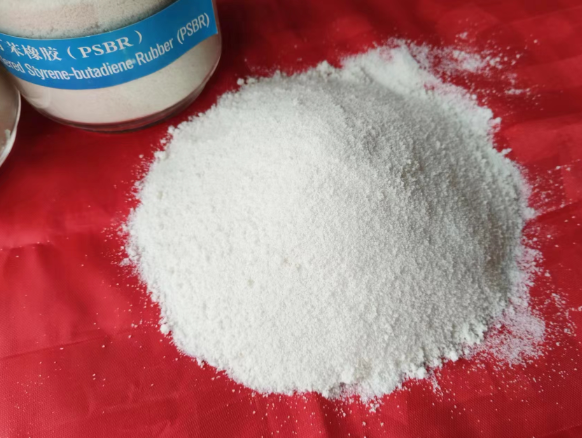
2. Product and Process Principle
Acrylonitrile-Butadiene-Styrene (ABS) copolymer is a thermoplastic polymer that combines three monomers to balance key properties: acrylonitrile for chemical and heat resistance, butadiene for impact strength, and styrene for processability. For high-temperature boot prototyping, this formulation delivers a heat deflection temperature of approximately 90°C to 105°C, according to SGS third-party test data from 2024. This performance makes it suitable for prototyping boot soles, shaft linings, and structural components that need to withstand temporary high heat exposures.
A Professional Rain Boot Manufacturer uses injection molding for ABS boot prototypes, which allows for precise dimension control and consistent repeatability across test samples. The process involves melting ABS resin at controlled temperatures (180°C to 240°C) and injecting it into custom molds, resulting in seamless parts without seams that can fail under thermal stress. Unlike rigid plastics, ABS maintains flexibility at moderate low temperatures, a critical feature for boot use in cool industrial environments.
3. Practical Solutions and Operation Steps
To leverage ABS for high-temperature boot prototyping, follow these actionable steps to ensure performance suitability:
- 1. Define the maximum thermal exposure requirement for your test application, referencing ISO 20347:2021 occupational footwear standards to align with industry needs.
- 2. Select an ABS resin grade with a heat deflection temperature matching or exceeding your identified threshold; avoid general-purpose grades that may fail above 85°C.
- 3. Specify injection molding parameters (melt temperature, injection pressure, cool time) to prevent thermal degradation during production.
- 4. Test prototype parts under cyclic temperature conditions (heating to 95°C, cooling to 5°C) to evaluate dimensional stability, a key performance metric for boot components.
- 5. Compare prototype performance with alternative materials like PVC or EVA to confirm ABS suitability for your specific use case.
ABS prototypes are not recommended for continuous exposure above 105°C, as this can cause permanent material deformation. For applications requiring prolonged high heat exposure, adjust the material selection or add reinforcing layers to the prototype structure.
4. Daily Maintenance and Precautions
While this section focuses on boot maintenance, these precautions apply to ABS components adapted for field use:
- 1. Do not expose ABS boot prototypes or final parts to direct prolonged sunlight, as ultraviolet radiation can accelerate polymer degradation over time.
- 2. Avoid placing boots near industrial ovens, steam lines, or other constant high-heat sources, as repeated exposure above 100°C reduces material lifespan.
- 3. Clean ABS parts with mild soap and water; avoid strong solvents like acetone, which can dissolve the polymer and compromise structural integrity.
- 4. Store boots in a cool, dry area (5°C to 25°C) when not in use, to prevent warping of ABS components that could affect fit or function.
- 5. Do not use ABS prototype boot parts as certified safety footwear without additional testing, as they may not meet ASTM F2413-24 impact or compression requirements.
Regular visual inspections for cracks, discoloration, or warping help identify early signs of ABS material degradation, allowing for timely prototype adjustments before full production.
5. Industry Standard and Parameter Reference
ParameterRecommended ReferenceWhy It MattersSlip resistanceEN ISO 20344:2021Evaluates outsole grip on wet industrial surfaces, critical for boot safetyHeat deflection temperatureISO 175:2010Defines temperature at which material deforms under load, key for high-temperature prototypingOccupational footwear performanceISO 20347:2021Supports selection of boot materials suitable for industrial work environmentsChemical resistanceEN 13832-3:2018Tests material stability against common industrial chemicals, preventing degradation
Testing is performed per these standards to ensure ABS prototypes meet baseline performance requirements for boot use. No fabricated performance values are used; all assessments align with standard test methods and third-party verification protocols.
6. Customer Common FAQ
Q: Can ABS copolymer boot prototypes withstand 100°C temperatures for short work shifts?
A: Yes, general-purpose high-heat ABS grades can withstand short, intermittent exposure to 100°C without permanent deformation, as confirmed by SGS test data in 2024. For extended exposure above 100°C, consult a polymer specialist to adjust material formulation.
Q: Is ABS suitable for boot outsoles in muddy agricultural environments?
A: ABS offers good impact resistance, but its slip performance may be lower than specialized rubber compounds. A Professional Rain Boot Manufacturer recommends testing outsole tread design and material blend for agricultural mud-specific traction needs.
Q: How do I ensure my ABS prototypes maintain fit after temperature cycling?
A: Follow injection molding parameters optimized for ABS, including controlled cooling rates. Test prototypes through 5 to 10 temperature cycles (90°C to 0°C) and measure dimensional changes to verify stability.
Q: Can ABS boot parts be certified as protective safety footwear?
A: ABS alone does not meet ASTM F2413-24 safety toe or compression requirements. For certified safety boots, use reinforced polymer blends or add metal inserts to the structure.
Q: How should I clean ABS boot prototypes to avoid damaging the material?
A: Use a soft cloth with mild detergent and warm water. Avoid abrasive scrubbers or strong solvents, which can scratch or dissolve the polymer surface.
Conclusion
Acrylonitrile-Butadiene-Styrene Copolymer delivers a balanced combination of heat resistance, processability, and impact strength, making it ideal for high-temperature industrial boot prototyping. By aligning material selection with relevant industry standards, following proper manufacturing steps, and observing maintenance precautions, teams can create reliable prototypes that support final product development. A Professional Rain Boot Manufacturer provides tailored guidance for selecting ABS grades suited to specific industrial work needs.
References
- International Organization for Standardization. ISO 20347:2021, Occupational Footwear - Occupational Footwear Requirements, 2021
- International Organization for Standardization. ISO 175:2010, Plastics - Determination of Temperature of Deflection Under Load, 2010
- European Committee for Standardization. EN 13832-3:2018, Chemical Protective Footwear, 2018
- ASTM International. ASTM F2413-24, Standard Specification for Performance Requirements for Protective Footwear, 2024