Meta Description: Chemical processing sites demand footwear that withstands harsh acid and alkali exposures to reduce workplace injuries, but many buyers struggle to identify boots that balance chemical resistance, slip protection, and comfort for long shifts. This guide breaks down key factors to prioritize when selecting suitable work boots, with actionable insights for B2B procurement and daily use. Professional Rain Boot Manufacturer.
Keywords: Acid & Alkali Resistant Boots, chemical processing footwear, rubber work boots, boot material selection, occupational safety footwear, chemical resistant boots
1. Core Problem Analysis
1.1 Common Causes of the Problem
Many chemical processing workers face issues like chemical permeation through boot materials, outsole slip on wet or contaminated floors, boot shaft tearing from repeated abrasion, and moisture buildup leading to blisters or fungal growth. These problems often stem from mismatched boot material to specific chemical exposure levels, incorrect sizing, or lack of appropriate chemical resistance testing during selection. Another common cause is failure to account for work duration, as prolonged 12-hour shifts require boots that retain integrity without compromising breathability or support.
1.2 Affected Usage Scenarios
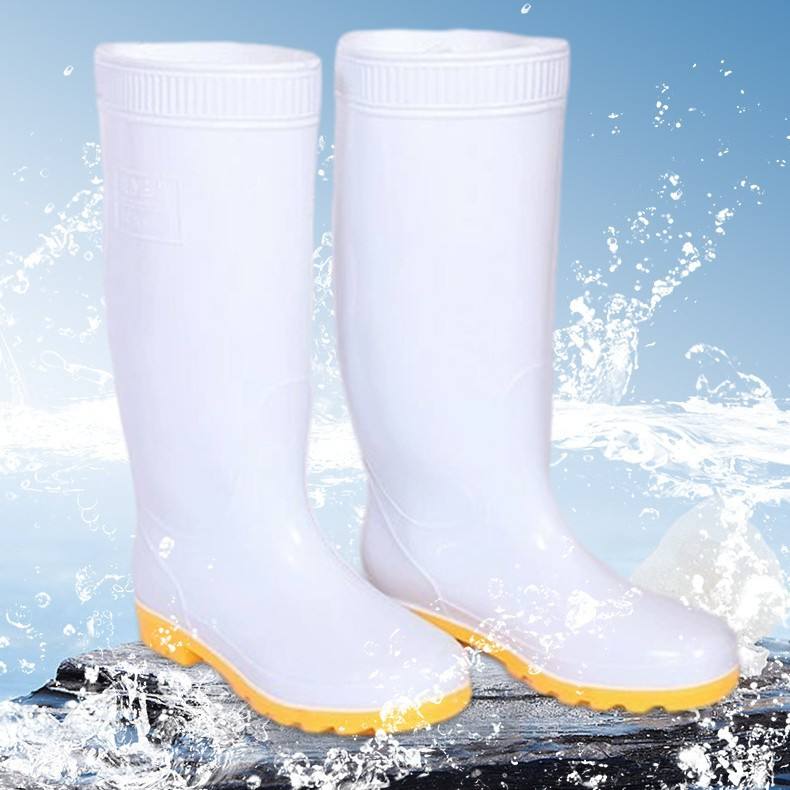
Acid and alkali resistant boots are critical for multiple chemical processing-related environments, including chemical manufacturing lines, waste treatment facilities, industrial cleaning stations, and hazardous material handling zones. They are also used in secondary activities like chemical spill cleanup, raw material transport, and maintenance work that involves incidental chemical contact. Without properly rated boots, workers face higher risks of skin burns, slips, and long-term occupational health issues from repeated chemical exposure.
2. Product and Process Principle
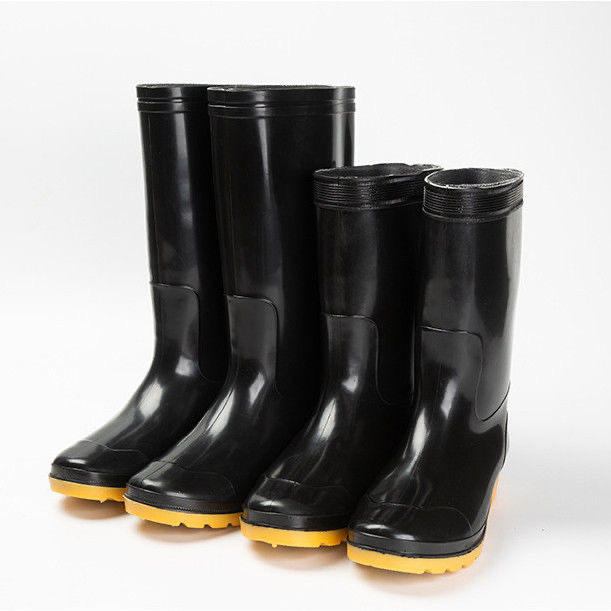
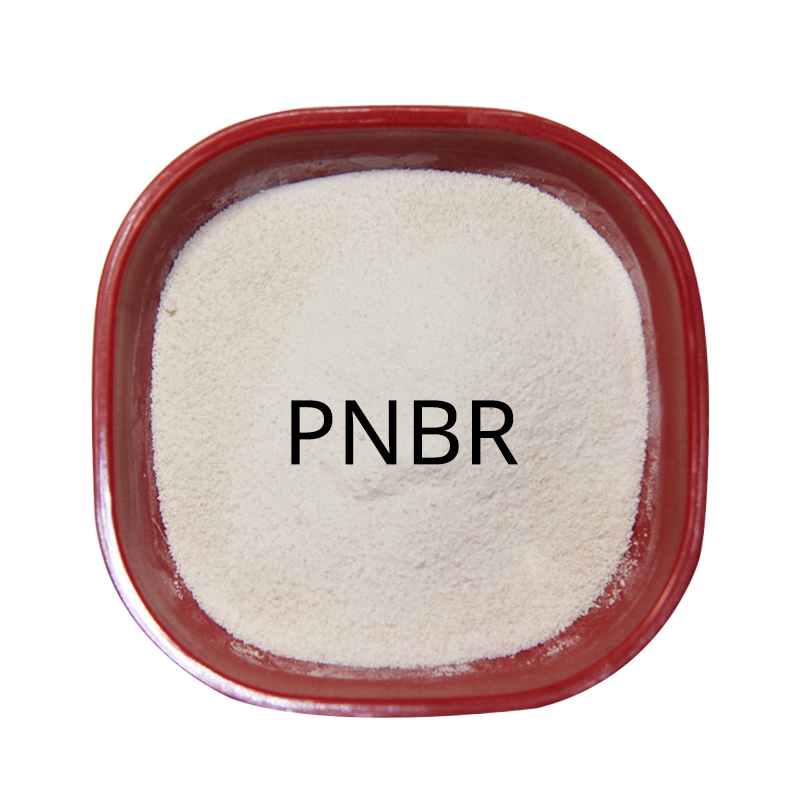
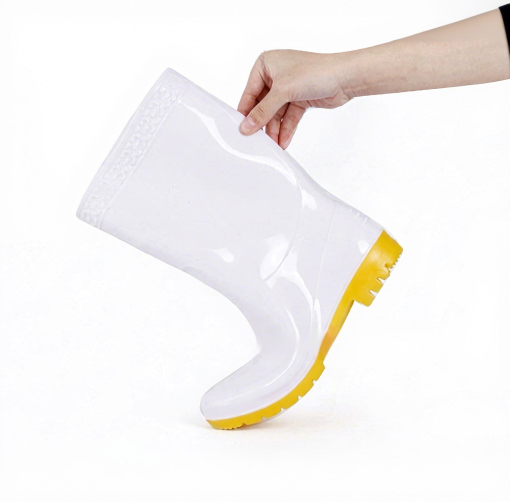
Acid and alkali resistant boots rely on specialized compound formulations to resist degradation from common chemicals like sulfuric acid, sodium hydroxide, and various industrial solvents. Most commercial boots use either vulcanized natural rubber, nitrile rubber, or PVC blends—each with different resistance profiles: nitrile rubber offers better resistance to alkalis and many organic solvents, while PVC blends are cost-effective for general mild acid exposure. Injection molding is a common manufacturing process for seamless boot shafts, which reduces seam gaps that can allow chemical ingress, whereas vulcanization creates stronger molecular bonds between rubber compounds for enhanced durability.
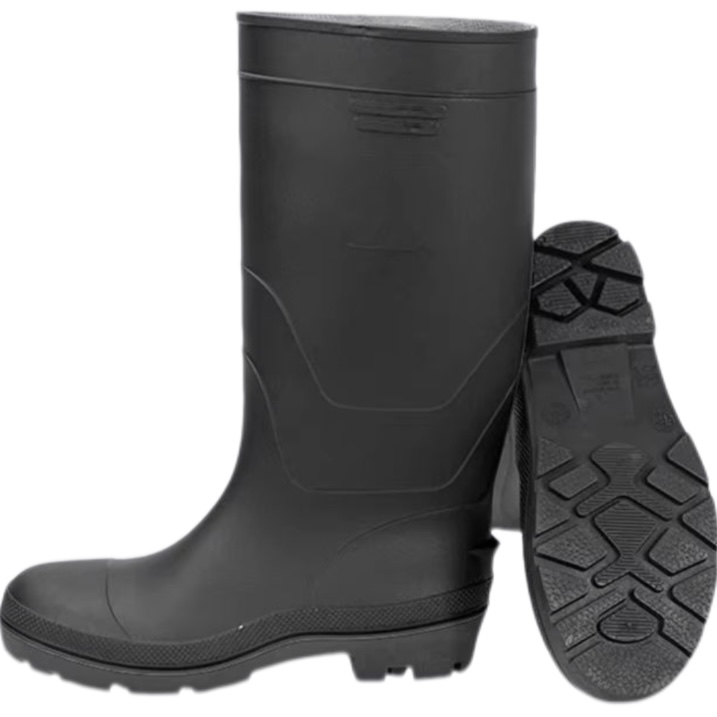
Professional Rain Boot Manufacturer often adjusts compound ratios to meet specific industry requirements, testing material resistance via methods outlined in EN 13832-3:2018 to ensure prolonged chemical contact does not break down the boot structure. Outsole design also plays a key role: deep, non-slip tread patterns made from rubber compounds with high hardness (measured via shore hardness tests) provide grip on oily or wet surfaces, reducing fall risks in chemical sites. Shaft height is another design consideration, with taller shafts offering greater protection against splashes of concentrated chemicals that can seep into shorter boot styles.
3. Practical Solutions and Operation Steps
- 1. Identify your specific chemical exposure type: Use a safety data sheet (SDS) for your work chemicals to confirm if you need acid-resistant, alkali-resistant, or dual-purpose boots—avoid over-specifying for mild exposures, which increases unnecessary costs.
- 2. Verify compliance with relevant standards: Check that the boots meet EN 13832-3:2018 or ASTM F2413-24, depending on your region, to ensure they have been tested for chemical permeation resistance.
- 3. Match boot material to shift duration: For shifts over 8 hours, prioritize boots with moisture-wicking linings to reduce foot sweat buildup, which can cause discomfort even in chemical-resistant materials.
- 4. Test fit with work socks: Wear the same thickness of socks you use on the job when selecting size, and ensure there is a half-inch gap at the toe to accommodate foot swelling during long shifts.
- 5. Inspect for construction quality: Check for seamless shafts, intact outsole bonds, and no visible cracks in rubber compounds before purchase—defects at seams are common points of chemical ingress.
- 6. Confirm slip resistance rating: Ensure the boot’s outsole has passed slip resistance testing per EN ISO 20344:2021 to reduce fall risks on contaminated surfaces.
4. Daily Maintenance and Precautions
Proper maintenance extends the lifespan of acid and alkali resistant boots, reducing the need for frequent replacements and maintaining performance. After each work shift, rinse boots with clean water to remove residual chemicals, as dried chemical particles can degrade rubber compounds over time. Avoid using harsh solvents or bleach to clean boots, as these can break down the chemical-resistant layers of the material, leading to premature cracking or permeation.
When drying, place boots in a cool, shaded area away from direct sunlight or high heat sources like radiators—UV exposure and heat can cause rubber compounds to harden and crack, reducing chemical resistance. Store boots in a well-ventilated space, not tightly compressed in a closet, to prevent mold or mildew growth inside the lining. Never use standard rain boots as a substitute for acid and alkali resistant boots, as regular rubber boots lack the specialized compound formulations needed to withstand chemical exposure.
5. Industry Standard and Parameter Reference
ParameterRecommended ReferenceWhy It MattersSlip resistanceEN ISO 20344:2021 / EN ISO 20347:2022+A1:2024 where applicableHelps evaluate outsole grip on wet or contaminated surfaces in chemical processing areas.Occupational footwear requirementsISO 20347:2021 or EN ISO 20347:2022+A1:2024Supports selection of non-safety footwear for general chemical site use.Safety toe footwearASTM F2413-24 where protective toe performance is claimedRelevant only when boots are marked as protective for impact or compression risks.Chemical protective footwearEN 13832-3:2018 where prolonged chemical contact is claimedEvaluates resistance to chemical permeation through boot materials for long shifts.Material resistance testingISO 20344:2021 Section 8Standard test method for assessing rubber degradation from acid and alkali exposures.
All parameters are tested per international standards, with performance ratings based on material exposure time and chemical concentration. Do not select boots without documented test results matching the standard for your specific chemical exposure, as untested products may fail unexpectedly in hazardous conditions.
6. Customer Common FAQ
Q: How do I know if a boot’s acid resistance is sufficient for my chemical processing work?
A: Check for compliance with EN 13832-3:2018, which specifies categories for chemical resistance based on permeation breakthrough time. For example, Category 6 boots resist strong acids for up to 48 hours, which is suitable for prolonged exposure. Professional Rain Boot Manufacturer notes that buyers should cross-reference test reports with their work chemical’s concentration level to avoid under-specifying.
Q: Can I repair a damaged acid-resistant boot with regular rubber glue?
A: It is not recommended, as regular glue does not bond to the specialized chemical-resistant compounds used in these boots. Small seam tears may require professional repair, while large cracks mean the boot should be replaced to prevent chemical ingress.
Q: Do acid and alkali resistant boots offer cold protection for outdoor chemical storage areas in winter?
A: Most standard acid-resistant boots are not rated for cold temperatures. For work in temperatures below 10°C (50°F), look for boots with insulated linings rated for cold environments, though confirm that insulation does not compromise chemical resistance.
Q: How often should I replace my acid-resistant boots?
A: Replacement frequency depends on usage: heavy-duty industrial use may require replacement every 6-12 months, while light use in general chemical handling may extend lifespan to 18-24 months. Inspect boots monthly for cracks, seam gaps, or outsole wear that reduces chemical resistance.
Q: Are nitrile rubber boots better than PVC for chemical processing sites?
A: Nitrile rubber offers superior resistance to alkalis and organic solvents, making it ideal for sites with mixed chemical exposures. PVC is more affordable for mild acid exposure, but it is less flexible and can crack in cold temperatures. Professional Rain Boot Manufacturer recommends nitrile rubber for most chemical processing work to balance performance and durability.
Conclusion
Selecting the right acid and alkali resistant boots for chemical processing sites requires aligning material, testing standards, and usage conditions to reduce workplace risks. By prioritizing verified compliance with international standards, testing boot materials against specific chemical exposures, and following proper maintenance, workers can extend boot lifespan and ensure consistent protection. Professional Rain Boot Manufacturer emphasizes that the key is to avoid over-specification for mild exposures while ensuring adequate resistance for harsh, prolonged contact.
References
- International Organization for Standardization. (2021). ISO 20347:2021 Occupational Footwear - Requirements and Test Methods. Geneva, Switzerland: ISO.
- European Committee for Standardization. (2018). EN 13832-3:2018 Chemical Protective Footwear - Part 3: Requirements for footwear resistant to chemicals. Brussels, Belgium: CEN.
- American Society for Testing and Materials. (2024). ASTM F2413-24 Standard Specification for Performance Requirements for Protective Toe Footwear. West Conshohocken, PA: ASTM.