Meta Description: For industries like farming, fishing and food processing, waterproof boots must retain functionality when exposed to persistent subzero dampness, a performance demand not met by standard footwear. This guide breaks down the key material, design and testing factors that enable waterproof boots to perform reliably in these harsh environments, drawing on industry standards and real-world application data. Professional Rain Boot Manufacturer
Keywords: waterproof boots, subzero wet conditions, rubber rain boots, boot performance, footwear material, occupational footwear
1. Core Problem Analysis
1.1 Common Causes of the Problem
Users searching for this topic often encounter critical issues that reduce waterproof boot performance in sustained subzero wet conditions, including irreversible material cracking, seam water penetration, outsole hardening leading to slip risk, and lining degradation that causes cold discomfort. Many also struggle with boots that claim waterproofing but fail when exposed to prolonged contact with melting snow, slush or partially thawed water, rather than short-term rain exposure.
1.2 Affected Usage Scenarios
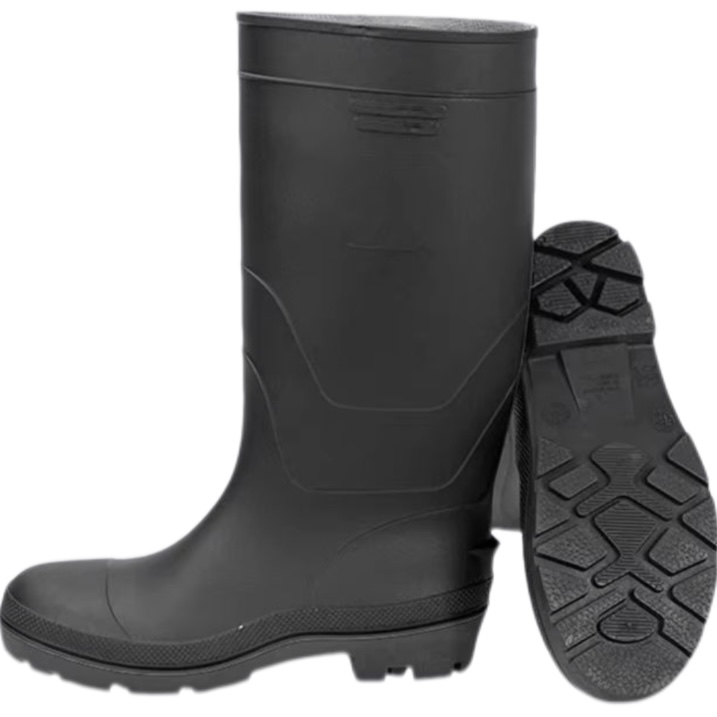
This performance gap impacts a range of cold-weather outdoor and occupational scenarios, such as commercial fishing in icy coastal waters, livestock work in snow-covered barn lots, food processing in refrigerated production zones, muddy agricultural work under freezing temperatures, and outdoor waste management in slush-heavy urban environments. These scenarios demand boots that perform consistently over extended periods, not just during short one-time uses.

2. Product and Process Principle
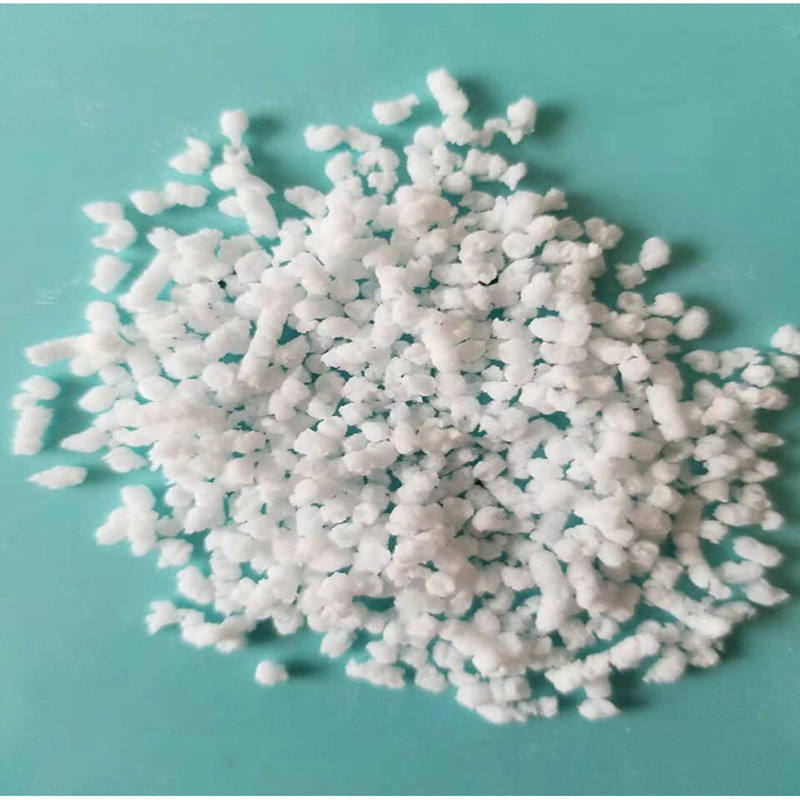
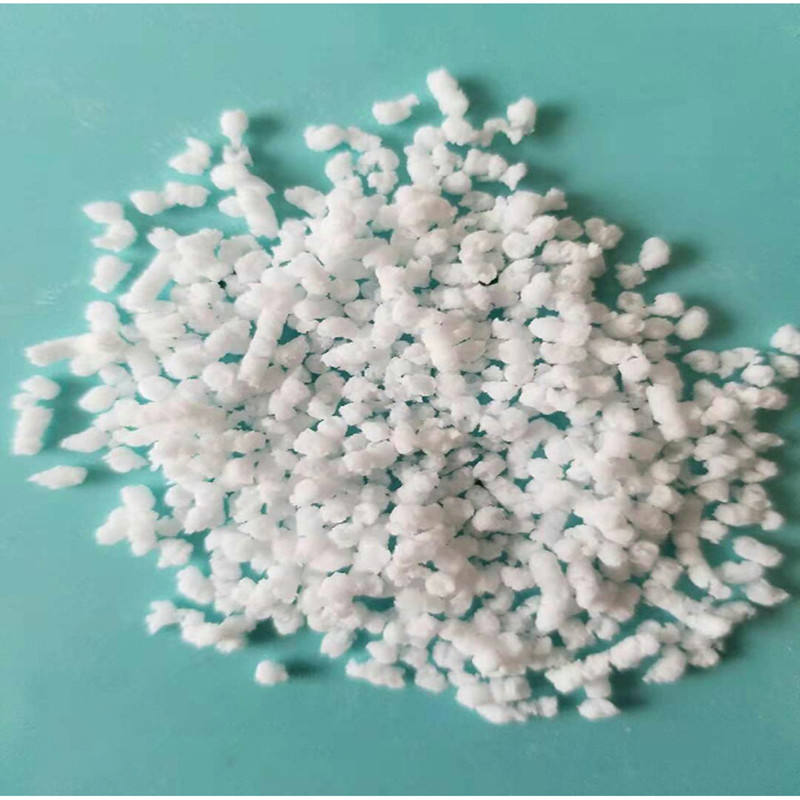
Waterproof boot performance in subzero wet conditions depends on material formulation, structural design and manufacturing processes, rather than generic waterproofing coatings. Base materials include PVC, natural rubber, SBR rubber and EVA blends, each with different cold flexibility thresholds; Professional Rain Boot Manufacturers adjust polymer compounds to balance waterproofness, flexibility at low temperatures and resistance to slush-induced wear. Key structural elements include seamless injection-molded construction, heat-sealed seams instead of glued or stitched joints, and layered lining materials that trap a thin insulating layer of air without absorbing moisture.
.png)
Cold resistance is engineered by modifying polymer chains to maintain flexibility at temperatures below 0°C, rather than becoming rigid and brittle. For example, standard PVC becomes rigid at approximately -5°C, while specially formulated low-temperature PVC remains flexible down to -20°C, per material testing protocols aligned with ISO 17203[1]. Outsole compounds are also formulated to resist hardening in subzero conditions, with TPR or rubber blends that retain grip on wet, cold surfaces.
3. Practical Solutions and Operation Steps
To select or maintain waterproof boots that perform in sustained subzero wet conditions, follow these specific, verifiable steps. First, verify material formulation by checking product specifications for low-temperature flexibility ratings, which are typically tested using methods like ASTM D1052 for rubber materials[2]. Avoid generic "waterproof" claims, as these do not specify performance in subzero environments.
- Step 1: Confirm the material’s low-temperature flexibility threshold, ensuring it matches the lowest expected operating temperature (e.g., -15°C for mild cold or -25°C for arctic conditions).
- Step 2: Inspect construction type; prioritize seamless injection-molded or heat-sealed boots over stitched-seam options, as stitching creates small gaps that allow water penetration when exposed to prolonged pressure in wet conditions.
- Step 3: Match outsole tread design to working surface: deep, multi-directional lugs work for muddy slush, while smoother, harder-wearing treads are suitable for concrete or metal surfaces in cold environments.
- Step 4: Verify that the boot meets relevant occupational standards, such as EN ISO 20347:2022+A1:2024 for non-safety footwear, to ensure it has been tested for water resistance and slip resistance[3].
4. Daily Maintenance and Precautions
Proper maintenance extends the performance of waterproof boots in subzero wet conditions. After each use, remove excess slush or snow by brushing with a stiff brush, avoiding high-pressure washing that can damage seam seals or lining materials. Allow boots to air dry gradually at room temperature, away from direct sunlight, heaters or radiators, as rapid temperature changes can cause material cracking and seam separation.
Avoid using strong solvents, bleach or abrasive cleaners, as these degrade polymer compounds and reduce cold flexibility over time. In sustained cold storage (e.g., over summer months), store boots in a cool, dry area, away from sharp objects that could puncture the material. Do not use standard waterproof boots designed for rain exposure as substitutes for cold-weather occupational footwear, as they often lack the low-temperature flexibility and water resistance required for subzero wet conditions.
5. Industry Standard and Parameter Reference
ParameterRecommended ReferenceWhy It MattersLow-temperature flexibility for bootsASTM D1052:2023 / ISO 17203:2017Evaluates material flexibility at subzero temperatures to prevent crackingSlip resistanceEN ISO 20344:2021 / EN ISO 20347:2022+A1:2024 where applicableHelps evaluate outsole grip on wet or frozen surfacesOccupational footwear requirementsISO 20347:2021 or EN ISO 20347:2022+A1:2024Supports non-safety occupational footwear selection for cold wet conditionsWater resistance testingISO 20344:2021, Section 6Measures ability to prevent water penetration during prolonged submersion or exposure
Performance claims for subzero wet conditions must align with these testing standards; unsubstantiated claims should be verified through third-party testing reports from organizations like SGS or Intertek. Without alignment to these standards, claims about waterproof boot performance in sustained subzero conditions cannot be considered reliable.
6. Customer Common FAQ
Q: How do I know if my waterproof boots will perform in temperatures below -10°C?
A: Check material specifications for low-temperature flexibility ratings, tested via methods like ASTM D1052. A professional Rain Boot Manufacturer will provide test data showing performance at the specific subzero temperature relevant to your use case, rather than generic cold resistance claims.
Q: Do stitched-seam waterproof boots work in sustained subzero wet conditions?
A: Stitched-seam boots are not recommended for prolonged subzero wet use. Stitching creates small pathways for water to penetrate when combined with subzero brittleness of the thread or adhesive, while seamless construction prevents this issue entirely.
Q: Can I repair a cracked waterproof boot that failed in subzero conditions?
A: Small surface cracks in the outer material can be repaired with a compatible rubber or PVC adhesive, but cracks that affect the waterproof barrier usually require full boot replacement, as repairing the structural material often compromises cold flexibility.
Q: How often should I test my boots for water resistance in cold conditions?
A: For boots used weekly in subzero wet conditions, test for water resistance every 3 to 6 months by submerging the lower shaft in water for 2 hours, then checking for internal dampness. A Professional Rain Boot Manufacturer can provide more specific guidance based on boot model and usage frequency.
Conclusion
Waterproof boot performance in sustained subzero wet conditions depends on three core factors: low-temperature flexible polymer formulation, seamless structural construction, and alignment with relevant occupational testing standards. Users can avoid common failures by verifying material specifications, choosing construction suited to cold wet environments, and following proper maintenance practices. This knowledge ensures boots retain functionality in harsh cold-weather scenarios, supporting reliable use across occupational and outdoor applications. Professional Rain Boot Manufacturer
References
- ISO 17203:2017, Rubber and plastics footwear – Cold resistance test, International Organization for Standardization, 2017
- ASTM D1052:2023, Standard Test Method for Flexing Resistance of Rubber Products (De Mattia), ASTM International, 2023
- EN ISO 20347:2022+A1:2024, Occupational footwear – Requirements and test methods, European Committee for Standardization, 2024