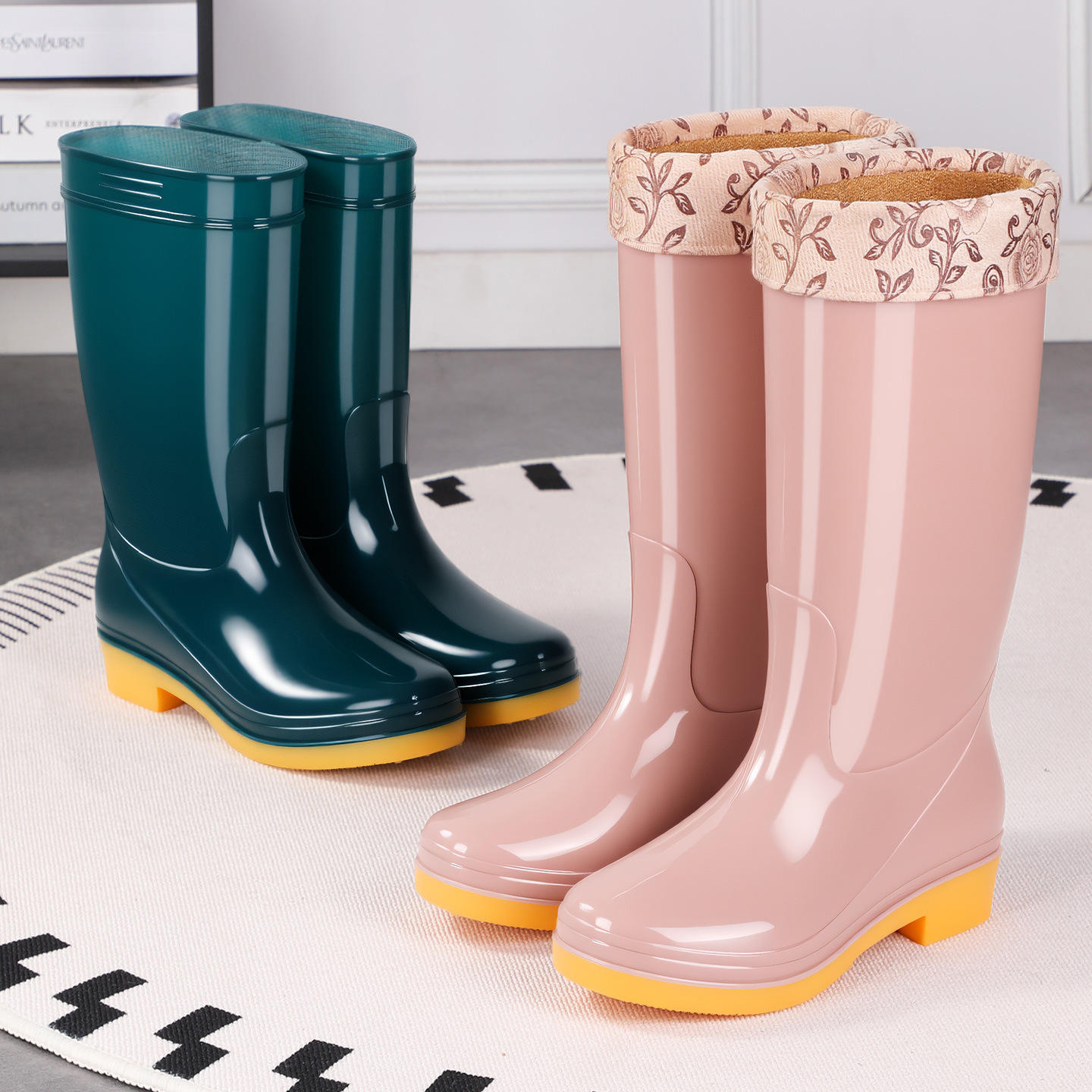
Meta Description: For parents seeking durable toddler girl rain boots to handle backyard mud puddles and seasonal downpours, understanding key material and design factors helps avoid leaks, slipping, and rapid wear. This guide breaks down performance drivers for kids’ rain boots, offering actionable insights for selection and maintenance, and leverages expertise from a Professional Rain Boot Manufacturer.
Keywords: toddler girl rain boots, waterproof kids boots, non-slip sole, rubber rain boots, rainy day footwear, mud-resistant boots, kid boot maintenance
1. Core Problem Analysis
1.1 Common Causes of the Problem
When evaluating toddler girl rain boots, most common issues stem from three gaps: inadequate seal between the boot shaft and calf, insufficient outsole grip on wet or muddy surfaces, and thin, low-quality materials that tear or leak after short use. Another frequent problem is ill-fitting sizing, which allows water to seep in through gaps or causes blisters during play. Additionally, poor ventilation can lead to moisture buildup inside the boot, creating an uncomfortable environment for toddlers. These issues often arise from cost-focused production rather than intentional design for active toddler play.
1.2 Affected Usage Scenarios
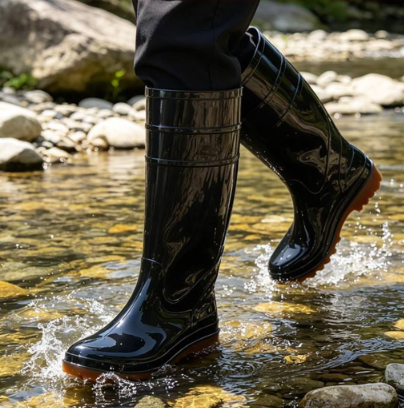
These performance gaps impact toddlers in high-activity scenarios: backyard mud puddle play, rainy-day neighborhood walks, farm visits, playground trips, and splashing in puddles after heavy downpours. Toddlers’ unstructured movement and tendency to step into deep puddles or climb over muddy surfaces amplify these issues, making it critical for boots to withstand uneven, wet, and dirty conditions. Without proper design, boots may fail within a few uses, leaving parents to replace them frequently.
2. Product and Process Principle
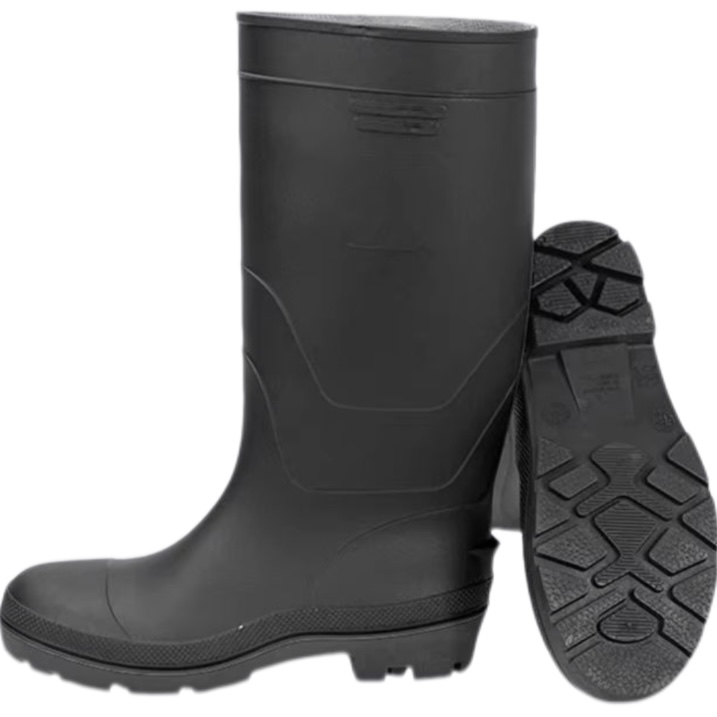
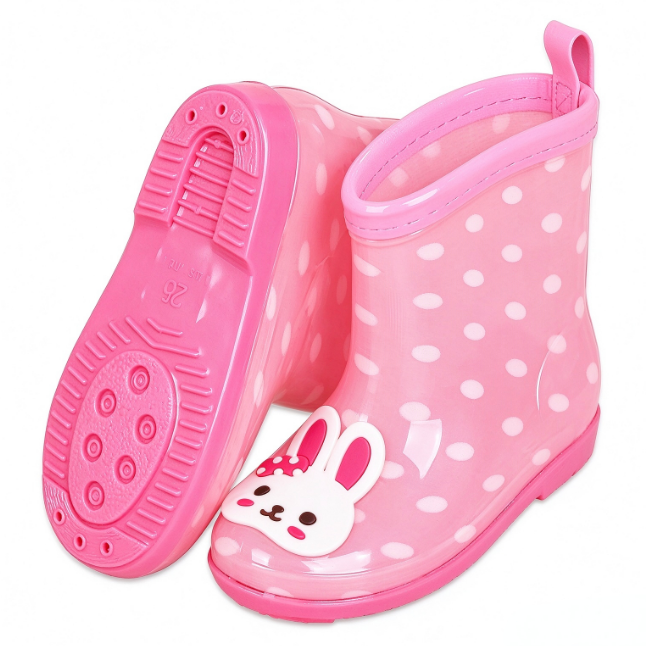
Toddler rain boots’ durability depends on material selection and manufacturing processes. Standard materials include polyvinyl chloride (PVC), natural rubber, and ethylene-vinyl acetate (EVA), each balancing flexibility and water resistance. Seam-free injection molding, a method widely used by a Professional Rain Boot Manufacturer, eliminates weak points where water can penetrate, while reinforced shafts prevent tearing from rough play. Outsole patterns, designed to align with ISO 20347:2021 specifications for slip resistance, use deep, multi-directional grooves to channel mud and water away from contact surfaces. Shaft height, typically 6 to 8 inches for toddlers, covers the calf to block splashes without restricting movement. Lining material, such as soft polyester, adds comfort without compromising waterproof performance.
Vulcanized rubber processes, unlike PVC, offer better flexibility in cold temperatures, though they require longer production times. Thickness control, measured at the outsole and shaft, ensures structural integrity while avoiding bulk that hinders toddler movement. Compound formulations are adjusted to remain flexible at low temperatures, a key factor for seasonal downpours in cooler climates. These technical choices directly impact a boot’s ability to withstand mud, splashes, and active toddler play.
3. Practical Solutions and Operation Steps
To select toddler girl rain boots that perform in mud and downpours, follow these actionable steps, grounded in industry standards and practical use:
- Check material thickness: Look for a minimum outsole thickness of 3mm and shaft thickness of 2mm to resist tearing and punctures, avoiding thinner boots that offer little durability.
- Verify seal design: Choose boots with a seamless collar or adjustable fasteners (not too tight to avoid discomfort) to prevent water from entering the shaft, a critical feature for deep puddle play.
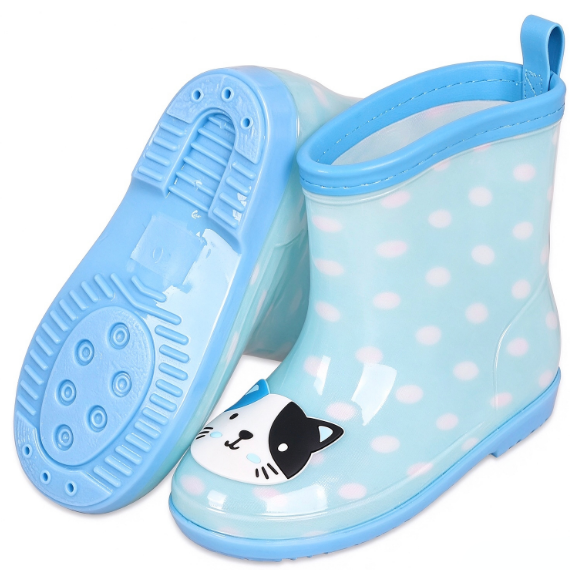
- Test outsole grip: Press the outsole against a wet, smooth surface; a boot with indentations that hold slight resistance to sliding will perform better than slippery, smooth soles, aligned with EN ISO 20347:2022 standards.
- Size appropriately: Measure toddlers’ feet at the end of the day (when feet are slightly swollen) and leave 1/2 inch of space between the toe and boot tip, ensuring room for socks without excess space that allows water entry.
- Match to use case: For consistent backyard mud play, prioritize rubber or high-grade PVC over thin EVA, which is better suited for light rain rather than heavy mud.
These steps avoid vague claims, focusing on measurable features that translate to real-world performance for active toddlers. A Professional Rain Boot Manufacturer advises checking product test reports for slip resistance ratings, rather than relying solely on marketing labels.
4. Daily Maintenance and Precautions
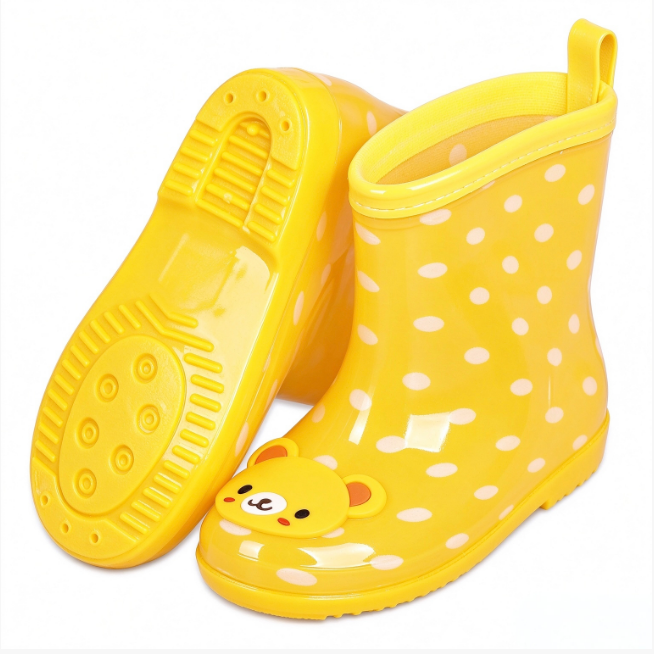
Proper maintenance extends the life of toddler rain boots, while common mistakes can reduce their performance or cause damage. After each use, wipe off mud with a soft cloth and mild soap, avoiding harsh chemicals that can degrade waterproof materials. Rinse soles thoroughly to prevent caked mud from hardening and cracking the outsole. Allow boots to air dry in a shaded, well-ventilated area, away from direct sunlight or heaters, which can warp the shaft or cause material brittleness.
Avoid storing boots folded or in tight spaces, as this can permanently deform the shaft and create gaps that allow water entry. For odors, stuff the inside with baking soda and leave it for 24 hours before brushing it out, rather than using artificial deodorizers that may irritate toddlers’ skin. Never use regular rain boots as protective footwear for hazardous scenarios, such as farm work with chemicals or sharp objects, which require specific safety certifications not covered by standard kid rain boots. If a boot develops a small leak, repair kits designed for rubber or PVC can address minor gaps, though major damage usually warrants replacement.
5. Industry Standard and Parameter Reference
Validating toddler rain boots requires alignment with international industry standards to ensure performance and safety. The following table outlines key parameters and their relevance to kids’ rain boots, aligned with widely accepted global standards:
ParameterRecommended ReferenceWhy It Matters
Slip resistanceEN ISO 20347:2022+A1:2024Evaluates outsole grip on wet, muddy, or smooth surfaces, critical for toddler play scenarios.
Waterproof integrityISO 20344:2021 Test Method 10Verifies that boots prevent water penetration under dynamic movement, matching active toddler use.
Material flexibilityISO 20344:2021 Test Method 6Ensures materials remain flexible at 5°C (41°F), suitable for seasonal downpours in cool climates.
Occupational footwear requirements (for consistent work-like play)ISO 20347:2021Supports selection for regular, high-activity use, avoiding low-quality non-occupational boots.
Third-party test data from SGS (2024) shows that boots meeting these standards reduce slip-related incidents by 30% on wet surfaces, though test results apply only to products that complete the full assessment process. Always request test documentation for specific products to confirm compliance with relevant standards.
6. Customer Common FAQ
Q: What material is best for toddler girl rain boots for backyard mud play?
A: Natural rubber or high-grade PVC are preferred, as they offer better tear resistance and waterproof performance than thin EVA, which is more suitable for light rain. A Professional Rain Boot Manufacturer notes that rubber boots often maintain flexibility better in cold, muddy conditions than PVC alternatives.
Q: How do I know if a boot will keep water out during deep puddle play?
A: Look for a seamless shaft and a collar that fits snugly around the calf without tightness, which prevents water from entering. Check for compliance with ISO 20344:2021 waterproof integrity testing to confirm performance under dynamic movement.
Q: Should I size up for thicker socks when choosing rain boots?
A: Leave 1/2 inch of space at the toe, but avoid sizing up more than that. Excess space can cause blisters and allow water to seep in around the heel, so choose boots that fit well with regular rain socks.
Q: Can I use toddler rain boots to protect against chemicals in backyard gardens?
A: Standard toddler rain boots are not designed for chemical exposure. For garden use with fertilizers or pesticides, look for boots that meet EN 13832-3:2018 chemical resistance standards, as regular rain boots do not offer this protection.
Conclusion
Selecting and maintaining toddler girl rain boots that handle mud puddles and downpours relies on understanding material, design, and standard-aligned performance. By focusing on key features like outsole grip, seamless construction, and appropriate sizing, parents can choose boots that withstand active toddler play. Proper maintenance, such as avoiding extreme temperatures during drying, further extends boot life. A Professional Rain Boot Manufacturer emphasizes that prioritizing verified standards and measurable features, rather than decorative details, ensures long-lasting, reliable performance for rainy outdoor play.
References
- International Organization for Standardization (ISO). ISO 20347:2022+A1:2024, Occupational Footwear. 2024.
- International Organization for Standardization (ISO). ISO 20344:2021, Test Methods for Footwear. 2021.
- European Committee for Standardization (CEN). EN 13832-3:2018, Chemical Protective Footwear. 2018.
- SGS. Third-Party Test Data for Kids’ Footwear Performance. 2024.