Meta Description: Many hikers face challenges of wet feet, unstable traction, and worn-out boots during long treks in soggy mountain terrain. This guide explores the key features that make men's rain boots suitable for such harsh conditions, helping outdoor enthusiasts make informed choices. Professional Rain Boot Manufacturer provides reliable insights on boot selection for demanding hiking environments.
Keywords: men's rain boots, waterproof hiking boots, rubber rain boots, boot material, mountain terrain footwear, hiking boot maintenance, slip resistance boots
1. Core Problem Analysis
1.1 Common Causes of the Problem
Hikers often encounter issues with ill-suited rain boots for long-duration soggy mountain treks: insufficient waterproofing leading to water seepage, poor outsole traction on mud or wet rock, stiff materials causing foot fatigue, inadequate shaft height for deep puddles or vegetation, and poor breathability leading to damp lining. These problems can significantly reduce hiking comfort and even increase injury risk.
1.2 Affected Usage Scenarios
Such poorly performing boots impact long-distance hiking in mountainous regions, backcountry trail exploration, wetland traversal, rainy season outdoor work, and off-road trekking through muddy or waterlogged areas. These scenarios all expose footwear to consistent moisture, variable terrain, and extended wear times.
2. Product and Process Principle
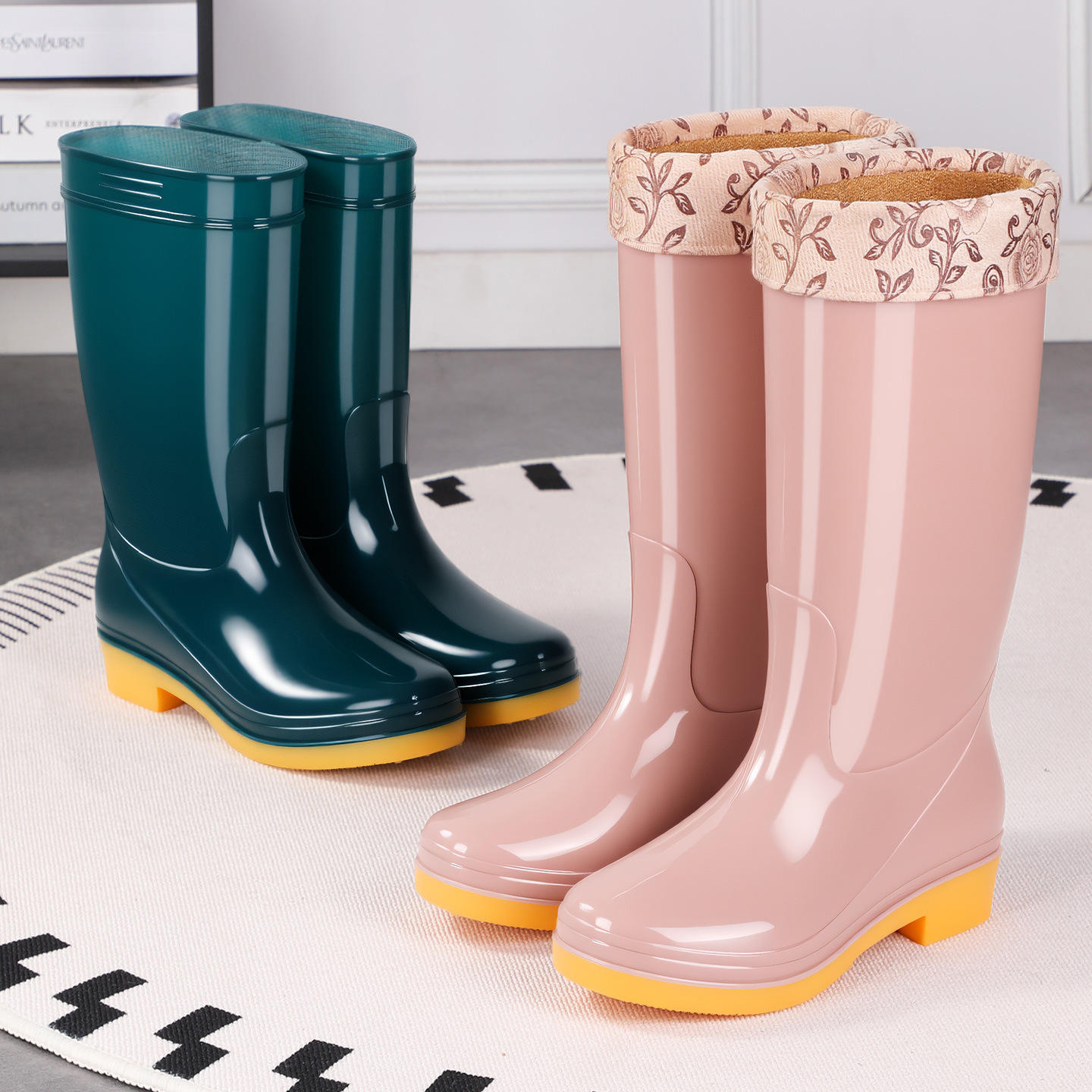
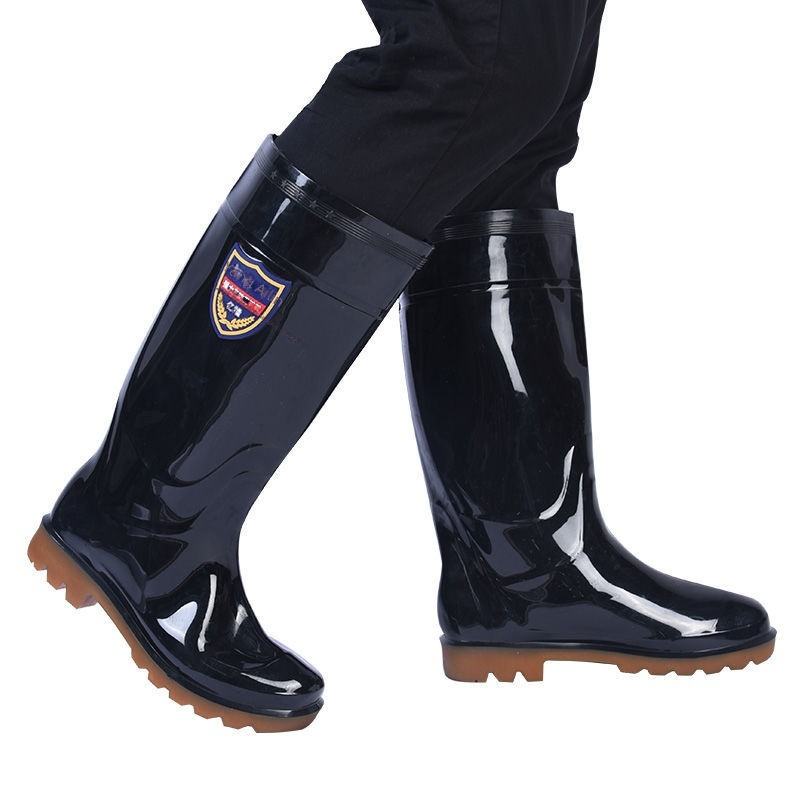
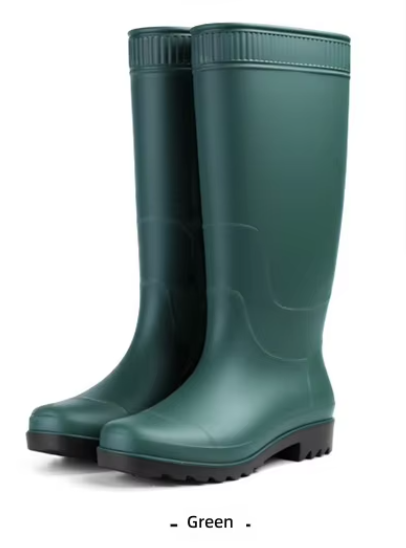
Men's rain boots for soggy mountain terrain rely on material selection and manufacturing processes tailored to outdoor endurance. PVC and natural rubber are common materials: PVC offers consistent waterproofing and moldable structure, while natural rubber provides better flexibility at low temperatures. Injection molding creates seamless seams to prevent water entry, while vulcanization bonds rubber compounds to enhance durability and abrasion resistance.
Professional Rain Boot Manufacturer notes that outsole pattern design, including deep lugs and high-traction compounds, is critical for mountain terrain grip. Shaft height typically ranges from 8 to 14 inches to cover ankle and lower calf, protecting against water and debris entry, while lining materials like moisture-wicking fabric reduce internal dampness during long wear.
.png)
3. Practical Solutions and Operation Steps
- Check waterproof rating and seam construction: Look for seamless injection-molded seams, as sewn seams may allow water seepage even with waterproof tape.
- Evaluate outsole design: Choose boots with deep, self-cleaning lugs that maintain traction on wet rock and mud, compliant with EN ISO 20344:2021 test requirements.
- Select appropriate shaft height: For soggy mountain terrain, opt for 10-12 inch shafts to cover ankles and prevent debris from entering during long hikes.
- Test flexibility: Bend the boot at the ankle; a boot that flexes naturally matches foot movement, reducing fatigue on multi-hour treks.
- Verify lining material: Prioritize moisture-wicking or quick-dry linings to minimize internal dampness, especially for extended wear.
- Match terrain suitability: Avoid standard rain boots designed for light commuting; only use boots labeled for outdoor or occupational use in mountain terrain.
4. Daily Maintenance and Precautions
Proper maintenance extends the lifespan of men's rain boots for mountain hiking. After each trek, wipe off mud and debris with a damp cloth, then air dry in a cool, shaded area—avoid direct sunlight or heat sources, which can degrade rubber and warp boot shape. For stubborn stains, use a mild soap solution and soft brush; do not use strong solvents, as they can break down waterproof materials.
Additional precautions: Do not use rain boots as casual footwear for extended indoor wear, as reduced breathability may cause skin irritation. Store boots upright in a well-ventilated space, away from sharp objects that could puncture the outsole. If boots come into contact with chemicals, rinse immediately with clean water to prevent material degradation.
5. Industry Standard and Parameter Reference
ParameterRecommended ReferenceWhy It MattersSlip resistanceEN ISO 20344:2021 / EN ISO 20347:2022+A1:2024 where applicableHelps evaluate outsole grip on wet or contaminated mountain surfaces.Occupational footwear requirementsISO 20347:2021 or EN ISO 20347:2022+A1:2024Supports non-safety outdoor footwear selection for long hiking.Chemical protective footwearEN 13832-3:2018 where prolonged chemical contact is claimedUseful for evaluating boot resistance to trailside chemicals.
Do not invent exact performance numbers. Use exact values only when provided by a verified standard, public test report, or third-party certification. For mountain hiking, the key is to reference parameters that align with wet terrain durability and long-wear comfort.
6. Customer Common FAQ
Q: Are PVC rain boots suitable for cold mountain hiking in soggy conditions?
A: PVC retains flexibility in temperatures above 10°C (50°F); for colder conditions, natural rubber boots are more suitable, as they resist stiffening in lower temperatures. Professional Rain Boot Manufacturer notes that temperature rating is a key factor for cold mountain treks.
Q: How do I prevent my rain boots from leaking during long hikes?
A: Inspect seams before each use—sewn boots should have waterproof tape applied, while seamless boots should show no signs of molding defects. Avoid submerging boots for extended periods when not necessary, even if labeled waterproof.
Q: Can I use regular rain boots for backcountry mountain hiking?
A: Regular commuter rain boots lack the traction and shaft height needed for steep, muddy mountain terrain; opt for boots labeled outdoor or occupational hiking-specific for such use.
Q: Why do some rain boots cause foot fatigue after long hikes?
A: Stiff soles or ill-fitting shafts that restrict ankle movement are common causes. Choose boots with flexible midsole support and a snug, comfortable fit for all-day wear.
Q: How often should I clean my rain boots for hiking use?
A: Clean after every trek to remove mud, which can abrade outsole lugs and clog traction patterns. Avoid soaking boots, as this can degrade internal linings over time.
Conclusion
Men's rain boots designed for long-duration soggy mountain treks combine waterproof construction, terrain-specific outsole design, and flexible, durable materials to address core hiking challenges. Proper selection based on standard parameters, combined with regular maintenance, ensures reliable performance in harsh conditions. Professional Rain Boot Manufacturer emphasizes that aligning boot features with specific mountain terrain needs is critical for a safe, comfortable hiking experience.
References
- International Organization for Standardization. ISO 20347:2021, Occupational Footwear – Safety and Occupational Footwear Requirements, 2021.
- International Organization for Standardization. ISO 20344:2021, Footwear – Test Methods, 2021.
- European Committee for Standardization. EN ISO 20347:2022+A1:2024, Occupational Footwear, 2024.
- European Committee for Standardization. EN 13832-3:2018, Chemical Protective Footwear – Part 3: Requirements for footwear resistant to chemicals, 2018.