Meta Description: Slippery industrial workspaces in winter demand footwear that balances grip, insulation, and moisture resistance, with cotton lining adding all-day comfort. This guide covers key considerations for selecting appropriate work boots to address common winter workplace footwear challenges, from slip hazards to cold-related discomfort, and includes insights from a Professional Rain Boot Manufacturer.
Keywords: slip-resistant cotton lining boots, winter industrial work boots, waterproof work footwear, work boot maintenance, occupational footwear standards
1. Core Problem Analysis
1.1 Common Causes of the Problem
Winter industrial workspaces present multiple footwear-related risks: wet or icy floors reduce traction, cold temperatures cause foot numbness, and moisture buildup leads to chill or discomfort. Many standard work boots lack targeted slip resistance or insulation, while non-industrial rain boots often fall short of required slip performance for workspace safety.
1.2 Affected Usage Scenarios
These issues impact a range of industrial and outdoor work activities, including warehouse operations in cold storage facilities, construction site tasks during winter, food processing plant cleanup, livestock handling in muddy pens, and outdoor maintenance work on slippery surfaces.
2. Product and Process Principle
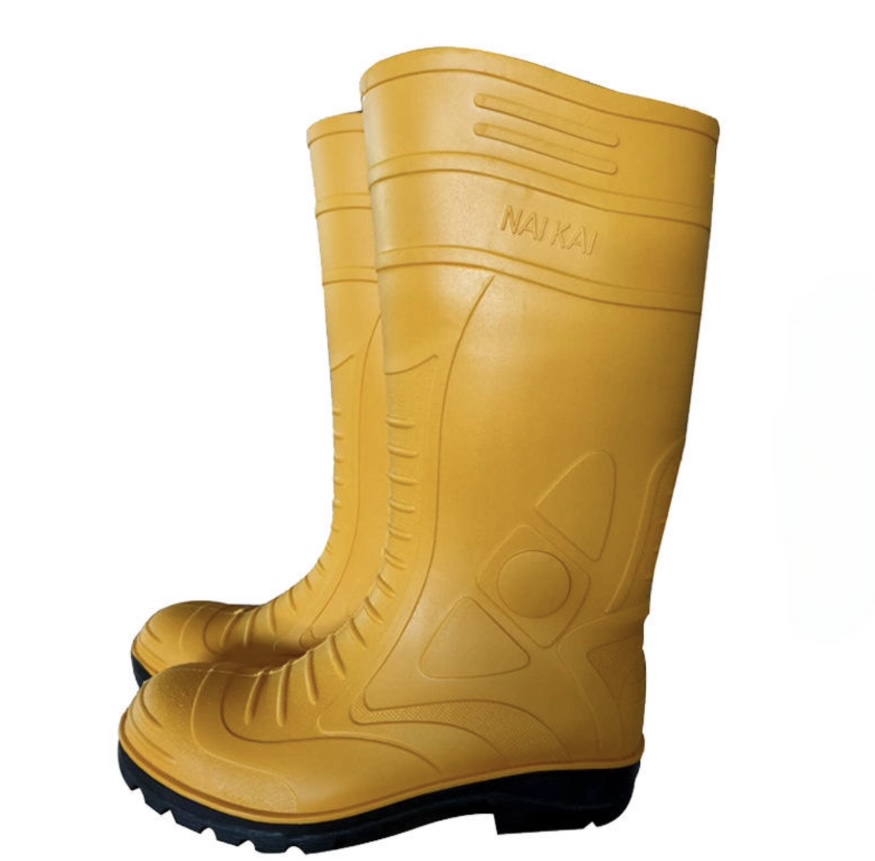
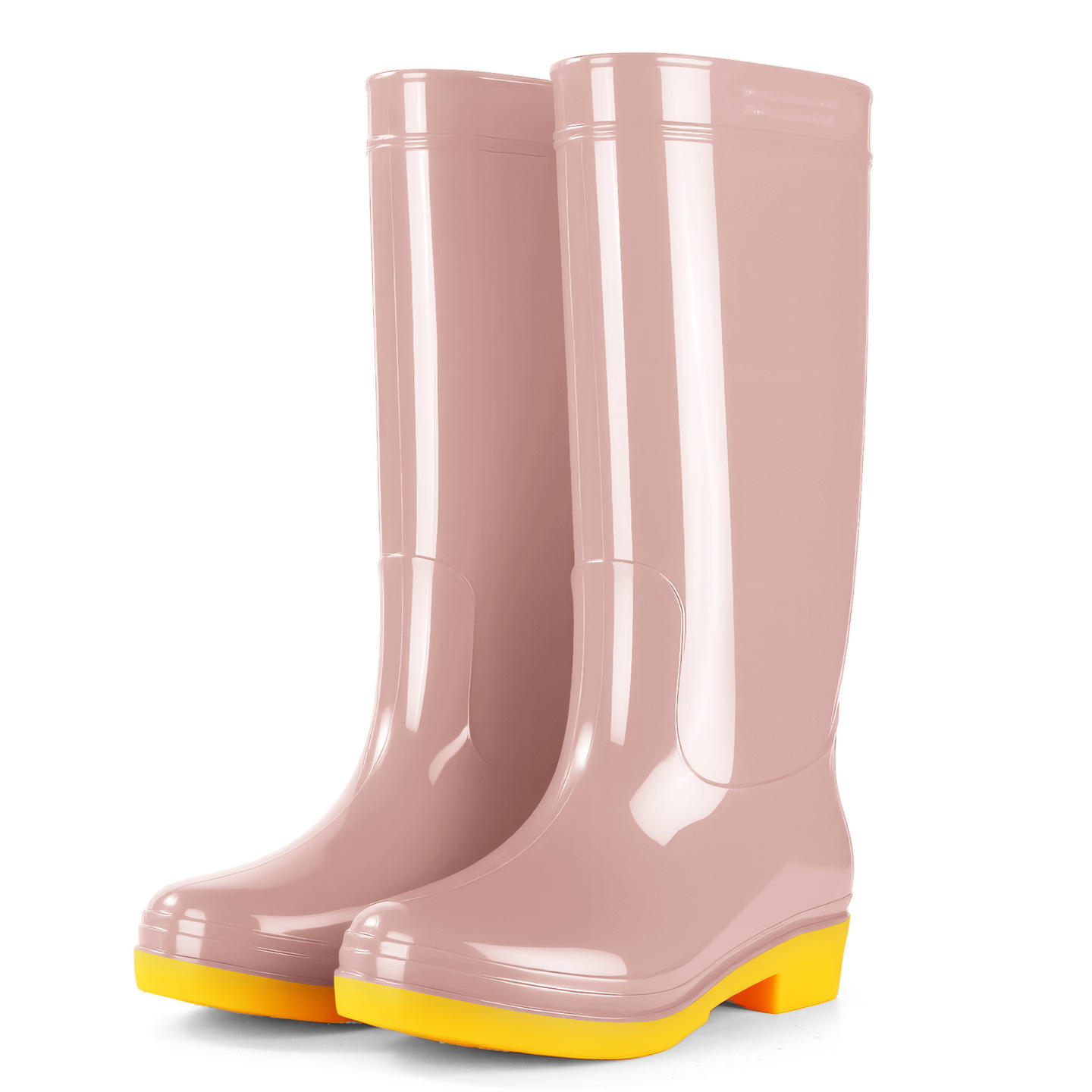
Slip-resistant boots with cotton lining combine material science and manufacturing processes to address winter workspace needs. High-quality rubber or PVC compounds are formulated to resist water and maintain flexibility in low temperatures, while the outsole pattern is engineered to channel water, slush, or debris to preserve contact with slippery surfaces. Seam-free construction prevents moisture infiltration, and cotton lining adds insulating properties without the bulk of synthetic materials.
A Professional Rain Boot Manufacturer leverages standardized compound mixing and vulcanization processes to ensure consistent performance: vulcanized rubber outsolids offer enhanced traction durability, while cotton linings are integrated during the manufacturing process to avoid gaps that allow cold air or moisture to enter.
3. Practical Solutions and Operation Steps
To select suitable slip-resistant boots for winter industrial work, follow these actionable steps to match footwear to your workspace conditions:
- Verify slip resistance performance against applicable standards (e.g., EN ISO 20347:2022) to ensure it meets your workspace’s traction requirements.
- Check lining material: cotton lining provides natural insulation and breathability, while avoiding thick synthetic linings that may reduce dexterity.
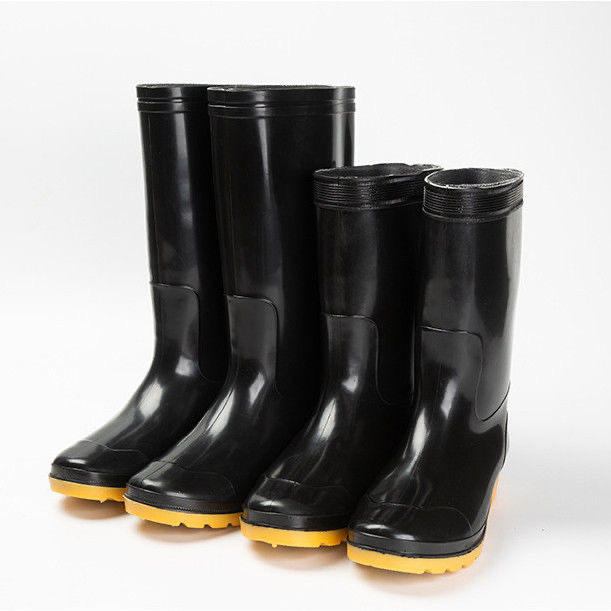
- Select shaft height appropriate for your tasks; mid-calf designs balance coverage for lower leg protection and mobility for climbing or bending.
- Test outsole texture: deep, multi-directional tread patterns perform better on wet and icy surfaces than shallow, flat designs.
- Ensure proper fit: leave space for thick winter socks but avoid excess room that may cause blisters, with sizing aligned to ISO 20347 fit guidelines.
4. Daily Maintenance and Precautions
Proper care extends the lifespan and performance of slip-resistant boots with cotton lining. Clean boots regularly with mild soap and warm water, avoiding harsh solvents that can degrade rubber compounds. After each use, air dry boots away from direct sunlight or high heat sources, as extreme temperatures can cause rubber to crack and cotton lining to shrink. Store boots in a cool, dry area, and avoid leaving them in wet conditions for prolonged periods.
Key precautions: never use work boots designed for general rain as a substitute for certified slip-resistant industrial footwear, as they may not meet workspace safety standards. Do not clean boots with petroleum-based products, which can break down rubber and reduce slip resistance over time.
5. Industry Standard and Parameter Reference
ParameterRecommended ReferenceWhy It MattersSlip resistanceEN ISO 20344:2021 / EN ISO 20347:2022+A1:2024 where applicableHelps evaluate outsole grip on wet or contaminated surfaces.Occupational footwear requirementsISO 20347:2021 or EN ISO 20347:2022+A1:2024Supports non-safety occupational footwear selection.Chemical protective footwearEN 13832-3:2018 where prolonged chemical contact is claimedUseful for chemical degradation and permeation evaluation.Cold insulation performanceISO 11092:2014 for thermal comfort testingProvides a reference for lining insulation effectiveness in low temperatures.
Do not invent exact performance numbers. Use exact values only when they are provided by a verified standard, public test report, or SGS/Intertek report. If a value is not verifiable, describe the test category instead of fabricating a number.
6. Customer Common FAQ
Q: Are slip-resistant boots with cotton lining suitable for below-freezing industrial work?
A: Cotton lining adds mild insulating properties, but for work in temperatures below -10°C, prioritize boots with additional thermal insulation layers alongside the cotton lining. A Professional Rain Boot Manufacturer notes that cotton lining alone is sufficient for most non-extreme cold industrial workspaces in winter, but verify compliance with temperature-specific occupational standards.
Q: How do I maintain slip resistance over time?
A: Avoid wearing boots on abrasive surfaces like concrete excessively when not at work, and clean outsole tread regularly to remove debris that can reduce traction. Replace boots when outsole tread depth wears below 2mm, as this is the minimum for effective slip resistance per ISO 20347 guidelines.
Q: Can cotton lining cause moisture buildup inside the boots?
A: Properly manufactured cotton lining for industrial work boots is treated to resist excess moisture, while the waterproof outer layer prevents external water from entering. For most industrial winter workspaces, this balance reduces internal moisture better than purely synthetic linings.
Q: Do these boots meet safety standards for warehouse operations?
A: Check that the boots are certified to EN ISO 20347:2022, which covers non-safety occupational footwear requirements for slip resistance and insulation, making them suitable for most warehouse tasks in winter.
Conclusion
Slip-resistant boots with cotton lining address key winter industrial workspace challenges: traction, insulation, and comfort. By aligning boot selection with applicable standards and following proper maintenance practices, workers can reduce slip hazards and improve foot comfort. Insights from a Professional Rain Boot Manufacturer help ensure that technical design and manufacturing choices match real-world winter work demands, making these boots a practical investment for industrial winter workspaces.
References
- International Organization for Standardization. ISO 20347:2021, Occupational Footwear - Requirements and Test Methods. 2021
- International Organization for Standardization. ISO 20344:2021, Footwear - Test Methods for Upper and Outsole Adhesion. 2021
- European Committee for Standardization. EN ISO 13832-3:2018, Footwear for protection against chemicals - Part 3: Requirements for footwear resistant to liquid chemicals. 2018