Meta Description: Men working long, wet construction shifts often struggle with boots that leak, provide poor traction, or cause discomfort. This guide addresses key pain points of work footwear for muddy, waterlogged construction sites, outlining material choices and performance factors to consider. Professional Rain Boot Manufacturer offers insights tailored to these work environments.
Keywords: PVC work boots for men, wet construction site footwear, work boot traction, waterproof work boot maintenance, occupational rubber boots
1. Core Problem Analysis
1.1 Common Causes of the Problem
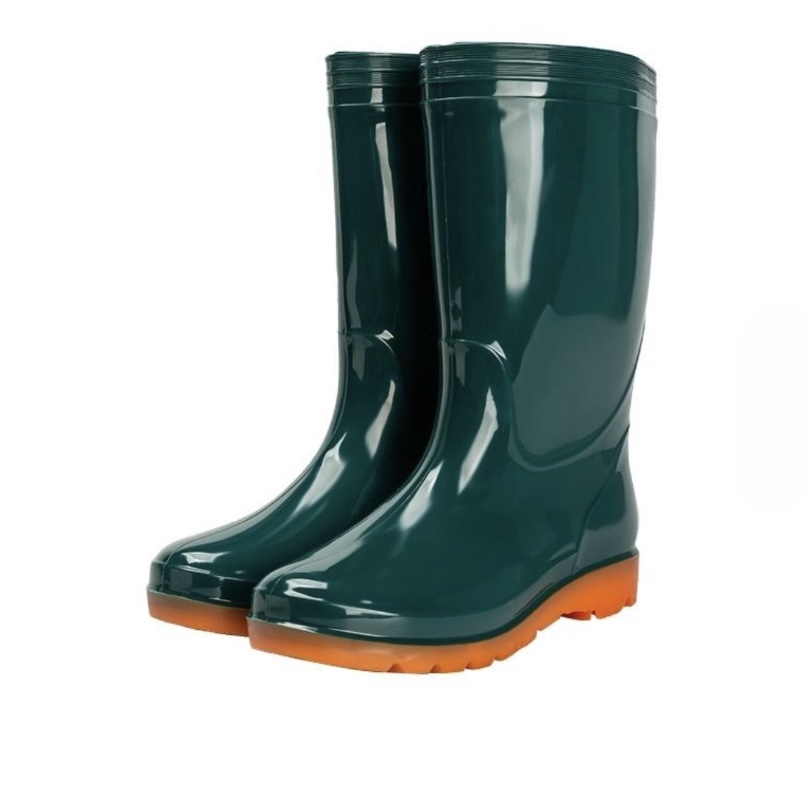
Men working wet construction sites face specific pain points related to work footwear. Leaks often stem from poor seam construction or thin, low-quality PVC compound that degrades rapidly when exposed to repeated moisture and construction debris. Insufficient outsole traction leads to slips on wet concrete or muddy ground, a top safety concern for construction workers. Additional issues include foot fatigue from inadequate arch support, trapped sweat leading to blisters, and PVC cracking after prolonged exposure to UV light and temperature fluctuations during multi-hour shifts.
1.2 Affected Usage Scenarios
The problems outlined impact nearly all outdoor construction tasks, including concrete pouring, foundation excavation, utility line installation, and road repair. These scenarios often involve constant contact with standing water, wet mud, chemical residues from construction materials, and uneven, debris-strewn terrain that amplifies footwear-related risks. Shift lengths averaging 8–12 hours mean workers rely on their boots to maintain performance throughout the workday, with no time to address failures mid-shift.
2. Product and Process Principle
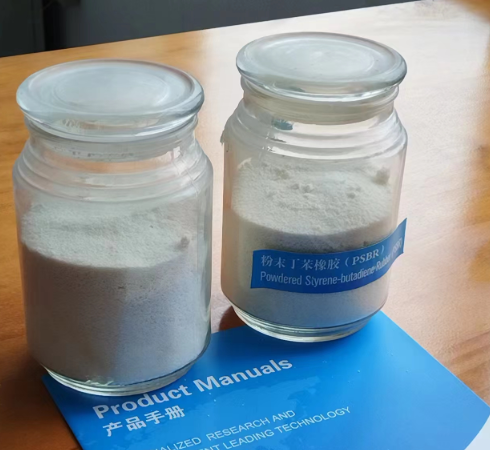
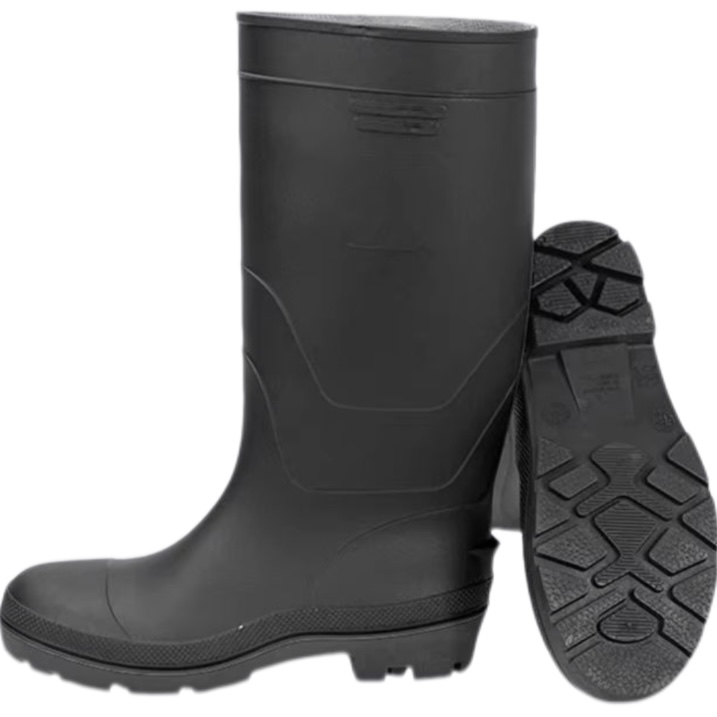
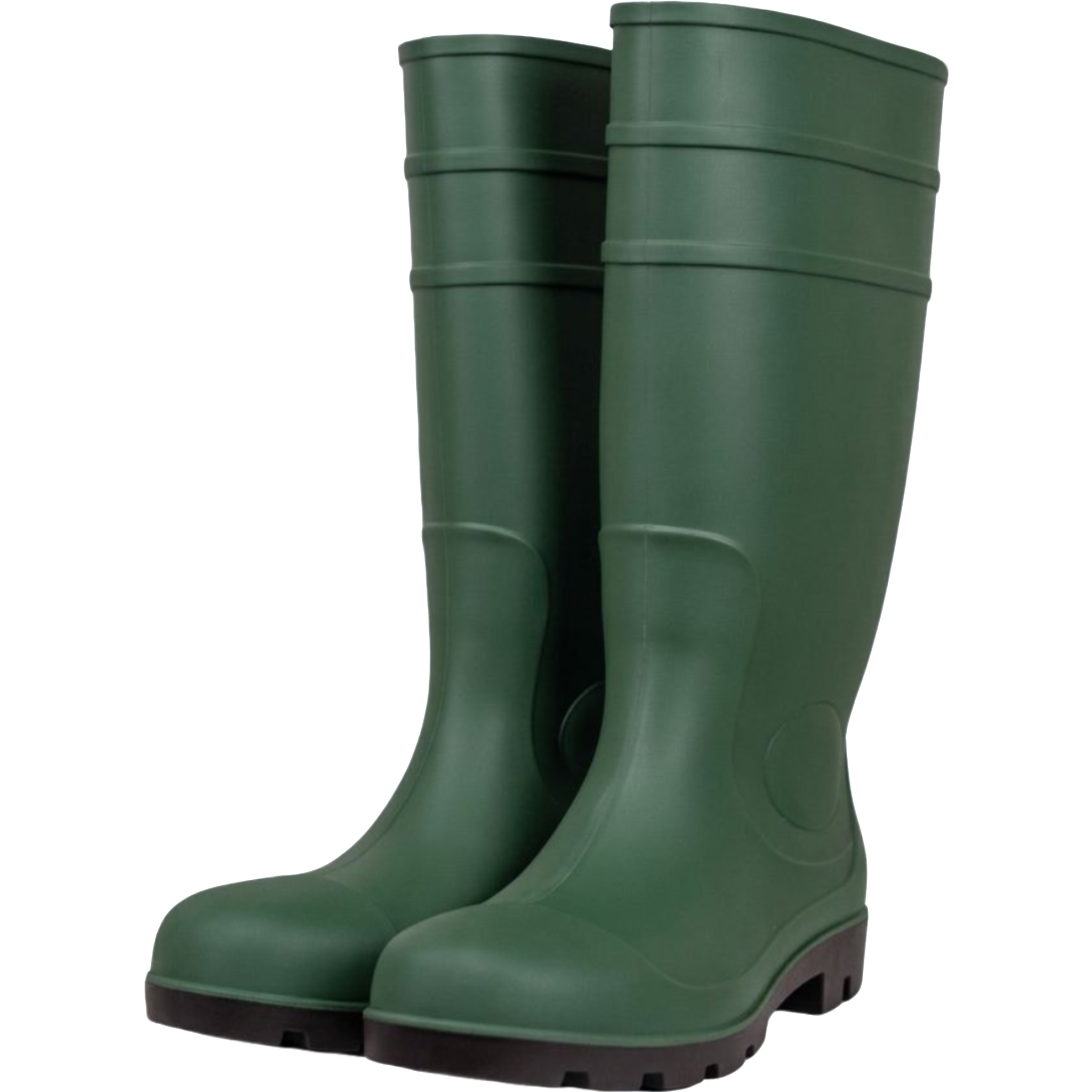
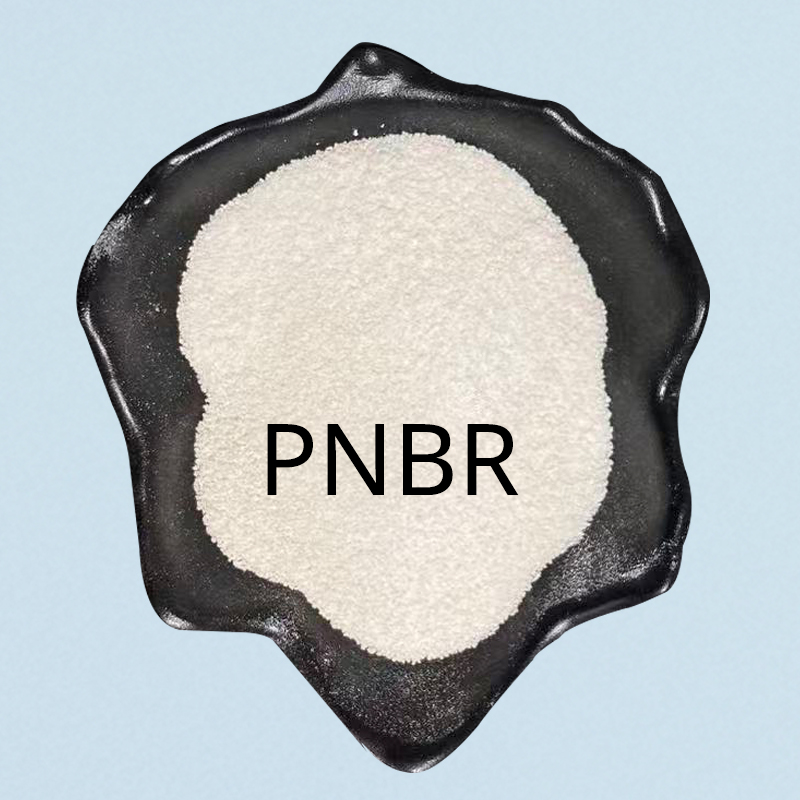
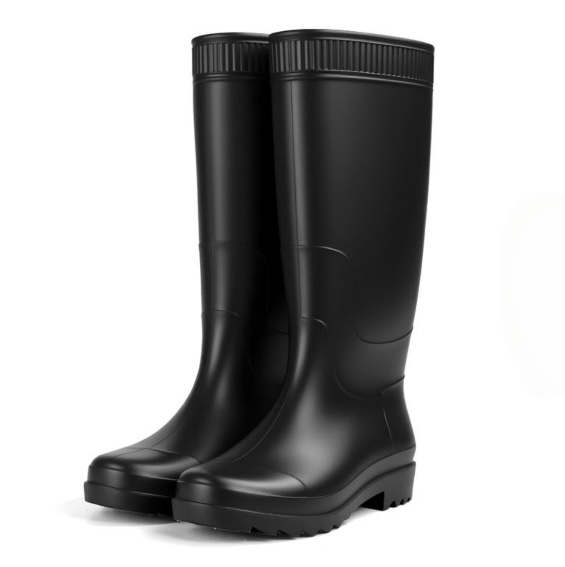
PVC work boots for men rely on polymer formulation and manufacturing processes to deliver waterproof, durable performance for long wet shifts. Virgin PVC compounds, often with additives to improve flexibility and UV resistance, are commonly used for construction-grade boots, as they balance water resistance and cost-effectiveness. Seamless injection molding, where boot components are fused without adhesive seams, reduces leak points compared to glued or stitched designs used in lower-quality footwear. Outsole design uses lug patterns optimized for wet traction, while shaft height is engineered to cover the ankle and lower calf, a critical feature for splashes and shallow water on construction sites.
Professional Rain Boot Manufacturer specifies that PVC compounds for occupational work boots must meet minimum thickness requirements to resist punctures from small construction debris, though exact thickness varies by design and intended use. Standardized production processes, such as controlled temperature during vulcanization or injection molding, ensure consistent performance across production runs, reducing the risk of boot failure during critical work tasks. [1]
3. Practical Solutions and Operation Steps
Selecting the right PVC work boot for long wet construction shifts requires matching boot features to specific site conditions. The following steps provide objective, actionable guidance to avoid common pain points. First, verify boot construction: prioritize seamless injection-molded designs rather than stitched or glued seam construction, as these are less likely to leak after repeated wet exposure. Second, assess outsole traction: confirm that the outsole pattern has deep, angled lugs suitable for wet concrete and mud, avoiding flat or smooth soles that offer minimal grip on slippery surfaces.
- Check shaft height: choose a boot shaft that extends at least 1 inch above the ankle to prevent water and mud from entering during movement.
- Confirm material composition: select boots made with virgin PVC rather than recycled PVC, as recycled compounds have reduced flexibility and UV resistance over time.
- Verify insulation (if required): if shifts are conducted in cool temperatures, choose boots with internal lining materials rated for low-temperature performance, avoiding unlined boots that may cause cold-related discomfort.
- Size appropriately: select a half size larger than regular dress shoes to accommodate thick work socks and prevent foot fatigue during 8–12 hour shifts.
For mixed terrains with frequent contact with sharp debris, add a puncture-resistant midsole layer, a feature available in many construction-grade PVC work boots that is separate from traction and waterproofing capabilities.
4. Daily Maintenance and Precautions
Proper maintenance extends the lifespan of PVC work boots and preserves performance for long wet shifts. After each use, clean boots with mild soap and cool water to remove mud, construction debris, and chemical residues, avoiding strong solvents or abrasive cleaners that can damage PVC material. Allow boots to air dry in a shaded, well-ventilated area, away from direct sunlight or direct heat sources like construction heaters, as excessive heat can cause PVC to warp or crack.
Avoid storing PVC work boots while still wet, as trapped moisture can lead to mold and mildew, which degrade material quality and cause unpleasant odors. Additionally, never use PVC work boots intended for general wet weather as a substitute for ASTM-compliant safety toe footwear, as standard construction PVC boots do not meet impact or compression safety requirements. [2]
5. Industry Standard and Parameter Reference
ParameterRecommended ReferenceWhy It MattersSlip resistanceEN ISO 20344:2021 / EN ISO 20347:2022+A1:2024 (where applicable)Evaluates outsole grip on wet or contaminated surfaces, critical for construction site safetyOccupational footwear requirementsISO 20347:2021 or EN ISO 20347:2022+A1:2024Establishes baseline performance for non-safety work boots used in general construction tasksPuncture resistanceISO 17703:2014 (for protective footwear components)Relevant for boots requiring protection against sharp construction debris like nails or metal fragmentsChemical resistanceEN 13832-3:2018Useful for sites with exposure to wet concrete or mild construction chemicals, reducing material degradation
These standards provide verified benchmarks for PVC work boot performance, helping users avoid products that fail to meet basic needs for wet construction site use. Standard compliance should be confirmed through manufacturer documentation or third-party test reports, rather than unsubstantiated claims.
6. Customer Common FAQ
Q: Are PVC work boots suitable for 12-hour wet construction shifts?
A: When selected and maintained correctly, PVC work boots can provide adequate waterproofing and traction for 12-hour shifts. Professional Rain Boot Manufacturer recommends choosing seamless injection-molded designs with reinforced shafts and outsoles for extended wet exposure, to reduce leak and failure risks during long work periods.
Q: How do I prevent PVC work boots from cracking in outdoor construction environments?
A: To prevent cracking, avoid exposing boots to direct UV light for extended periods, clean them regularly to remove abrasive debris, and store them in cool, dry areas when not in use. UV-resistant PVC compounds, a standard feature in occupational work boots, further reduce cracking risk.
Q: Should I choose PVC or rubber work boots for wet construction sites?
A: The choice depends on site conditions: PVC boots offer lower cost and sufficient waterproofing for general wet construction tasks, while rubber boots may provide higher abrasion resistance for sites with frequent contact with sharp debris. Professional Rain Boot Manufacturer advises matching material to the specific hazards of the worksite.
Q: How do I clean and deodorize PVC work boots after use on muddy construction sites?
A: Use mild soap and cool water to wipe away mud, then stuff with newspaper to absorb moisture and odors during air drying. Avoid strong chemical cleaners, as these can damage the PVC material and reduce performance over time.
Q: Can PVC work boots be used as safety footwear for construction sites with falling debris?
A: Most standard PVC work boots do not meet safety footwear requirements for impact or compression resistance. If a site has falling debris hazards, select boots with ASTM F2413-24 compliant safety toes, which are designed to meet protective standards for construction work.
Conclusion
Selecting appropriate PVC work boots for long wet construction shifts requires balancing waterproofing, traction, and durability to address the unique hazards of worksites with constant moisture and uneven terrain. Understanding material composition, construction processes, and relevant industry standards helps users avoid common issues like leaks and slips. Professional Rain Boot Manufacturer notes that informed selection and regular maintenance significantly extend boot lifespan and reduce mid-shift failures, supporting productivity and safety for construction workers.
References
- International Organization for Standardization (ISO). ISO 20344:2021, Footwear – Test Methods for Whole Footwear, 2021.
- American Society for Testing and Materials (ASTM). ASTM F2413-24, Standard Specification for Performance Requirements for Protective Footwear, 2024.
- European Committee for Standardization (CEN). EN 13832-3:2018, Chemical Protective Footwear – Part 3: Requirements and Classification for Footwear Protecting Against Liquid Chemicals, 2018.