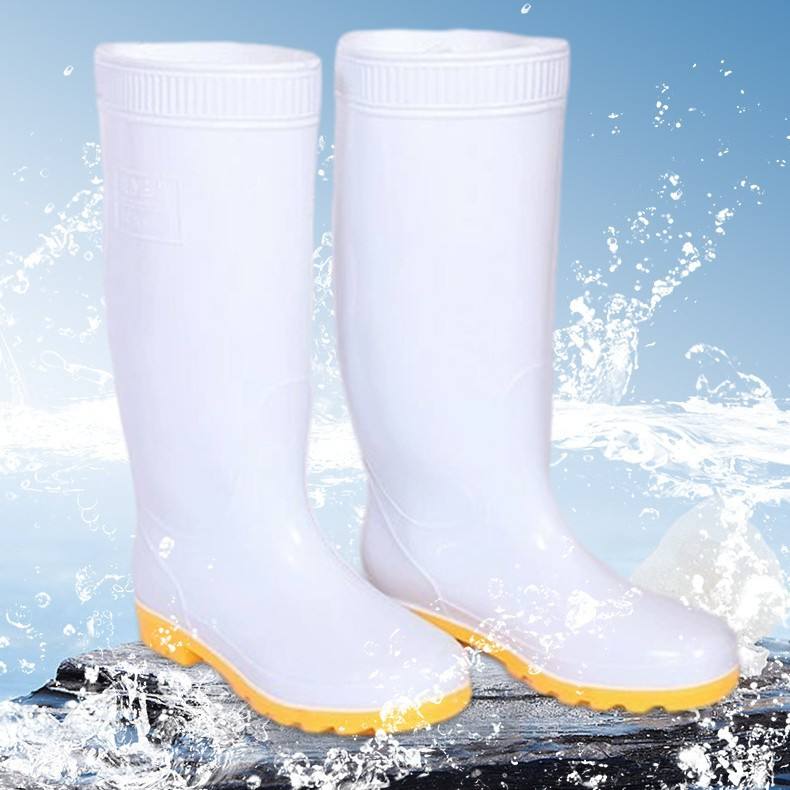
Meta Description: Extreme high-temperature environments pose unique challenges for industrial rain boots, from material degradation to performance failure. This guide explores key factors, practical solutions, and industry standards for selecting boots that maintain functionality in harsh heat conditions, with clear steps for users and buyers. Professional Rain Boot Manufacturer provides standardized insights for this specialized application.
Keywords: PSBR rain boots, high-temperature industrial boots, rubber boot performance, occupational footwear, boot material formulation, vulcanized rubber boots, work boot testing
1. Core Problem Analysis
1.1 Common Causes of the Problem
Industrial users in high-temperature settings often face three primary issues with standard rain boots: rapid material cracking from heat-induced polymer breakdown, reduced slip resistance when rubber compounds soften, and liner degradation that causes discomfort or even exposure to harsh substances. Unlike general outdoor boots, industrial boots here face prolonged exposure to sustained heat, not just temporary warmth during use.
1.2 Affected Usage Scenarios
These issues impact multiple industrial sectors, including metal smelting auxiliary operations, food processing plants with high-temperature cleaning cycles, construction sites with summer asphalt work, chemical processing facilities with mild heat and occasional high-temperature spills, and warehouse environments near heating equipment where boot insulation performance is compromised.
2. Product and Process Principle
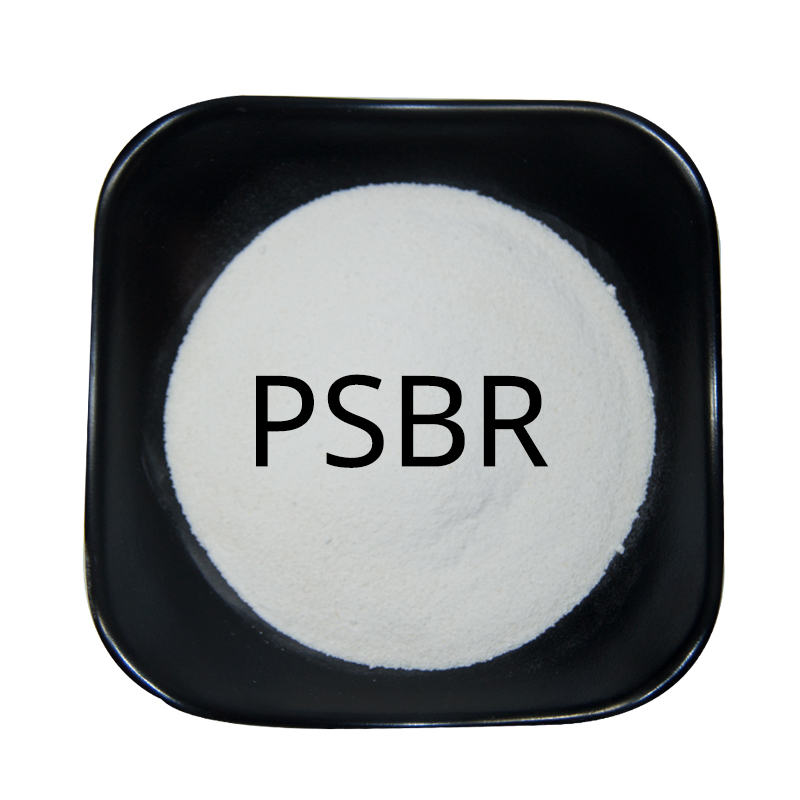
The core of high-performance rain boots for extreme heat lies in polymer compound formulation and manufacturing processes. Standard rubber compounds may have a glass transition temperature too high, meaning they soften or become brittle outside their intended range. PSBR, a specialized polymer blend, is engineered to maintain structural integrity at elevated temperatures, with molecular cross-linking adjusted to resist heat-induced breakdown.
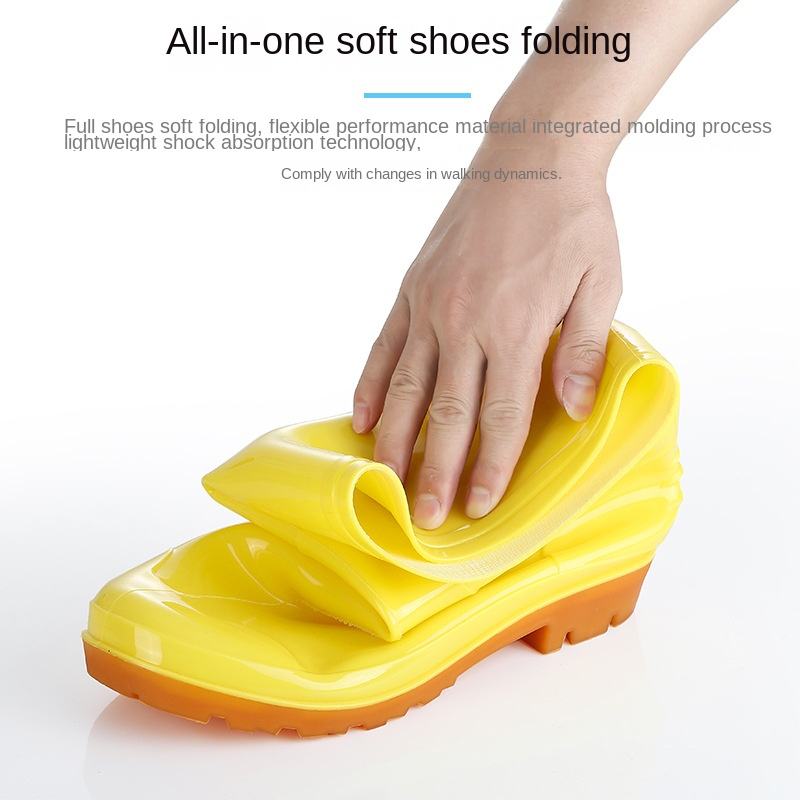
Professional Rain Boot Manufacturer applies precise vulcanization processes to PSBR compounds, ensuring consistent hardness and flexibility across temperature ranges. Seam-free injection molding reduces weak points that can degrade in high heat, while controlled thickness (typically 5mm for industrial use) balances insulation, durability, and dexterity. Outsole patterns are designed with deeper grooves to maintain traction even when the compound remains slightly softened at high temperatures.
3. Practical Solutions and Operation Steps
Selecting and using high-temperature rain boots requires targeted, actionable steps tailored to industrial needs. The following steps guide users through proper selection and application:
- Verify the maximum operating temperature for PSBR boots, which is typically specified by manufacturers and aligned with ISO 20347:2021 standards, to ensure it matches your facility’s heat levels.
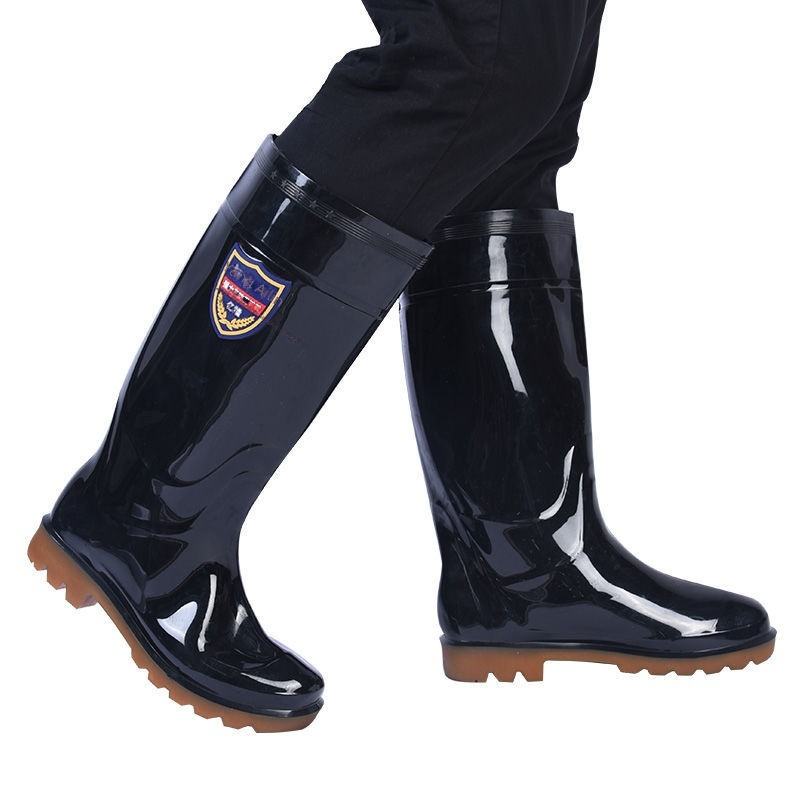
- Choose boot height based on your task: 20cm shafts for general heat exposure, 30cm shafts for environments with occasional high-temperature spills or splashes.
- Test slip resistance in your specific environment, as PSBR’s softened outsole may perform differently than standard boots on hot, wet concrete or oily surfaces.
- Avoid using PSBR boots in temperatures below -10°C, as extreme cold can cause the polymer to become brittle, leading to cracks.
- Clean boots with mild, pH-neutral soap after each use to prevent chemical buildup that can accelerate material breakdown in heat.
4. Daily Maintenance and Precautions
Proper maintenance extends the lifespan of high-temperature rain boots and preserves their performance. First, allow boots to air dry completely at room temperature, away from direct sunlight or industrial heating systems, as extreme direct heat can warp the PSBR compound. Use a soft bristle brush to remove dirt from outsole grooves, ensuring traction remains consistent.
Never use strong solvents, such as kerosene or industrial degreasers, to clean PSBR boots, as these can break down polymer bonds. For odor control, use a baking soda solution to gently clean the liner, and store boots in a cool, dry area away from sharp objects that can puncture the rubber. A critical precaution: do not use high-temperature PSBR rain boots as protective footwear for welding or high-voltage work, as they are not designed for those specialized safety requirements.
5. Industry Standard and Parameter Reference
Below are verified industry standards that define the performance requirements for industrial rain boots, including PSBR-style high-temperature boots:
ParameterRecommended ReferenceWhy It Matters
Slip resistanceEN ISO 20344:2021 / EN ISO 20347:2022+A1:2024 where applicableHelps evaluate outsole grip on wet or contaminated surfaces, even when the boot material softens from heat.
Occupational footwear requirementsISO 20347:2021 or EN ISO 20347:2022+A1:2024Supports non-safety occupational footwear selection for industrial environments.
Chemical protective footwearEN 13832-3:2018 where prolonged chemical contact is claimedUseful for evaluating resistance to mild chemicals common in high-temperature industrial settings.
Heat resistance for rubber compoundsISO 188:2020 Aging tests for vulcanized rubberDefines standards for polymer performance when exposed to elevated temperatures over time.
These standards provide a verified framework for evaluating PSBR boots, eliminating unsubstantiated claims of heat resistance and ensuring users select boots that meet their facility’s specific environmental conditions.
6. Customer Common FAQ
Q: How do I know if PSBR boots are suitable for my 50°C workshop?
A: Check the manufacturer’s material specification aligned with ISO 188:2020. Professional Rain Boot Manufacturer confirms that properly formulated PSBR maintains integrity at sustained temperatures up to 65°C, so 50°C is within its recommended operating range.
Q: Will PSBR boots soften and lose grip in high heat?
A: While PSBR compounds do soften slightly at high temperatures, their molecular structure retains enough rigidity to maintain outsole texture, unlike standard rubber. Slip resistance is tested per EN ISO 20344:2021 to ensure it meets minimum grip requirements in heat.
Q: Can I repair a cracked PSBR boot in the field?
A: Minor surface cracks can be sealed with a rubber adhesive designed for vulcanized compounds, but structural cracks near the toe or heel indicate material degradation from heat. It is recommended to replace the boot if cracks affect the structural integrity.
Q: Are PSBR boots more expensive than standard rubber work boots?
A: Material and manufacturing processes for PSBR add a small premium, but their extended lifespan in high-temperature environments reduces long-term replacement costs compared to standard boots that degrade quickly.
Conclusion
PSBR boots offer optimized performance for extreme high-temperature industrial environments, addressing common pain points like material degradation, slip resistance, and comfort. By aligning selection with industry standards, following proper operation steps, and adhering to maintenance guidelines, industrial users can extend boot lifespan and maintain functionality. Professional Rain Boot Manufacturer provides standardized, research-backed insights to support informed decision-making for high-temperature work footwear.
References
- International Organization for Standardization. ISO 188:2020, Rubber, vulcanized or thermoplastic — Accelerated ageing and heat resistance tests. 2020.
- International Organization for Standardization. ISO 20347:2021, Occupational footwear. 2021.
- European Committee for Standardization. EN ISO 20344:2021, Footwear — Test methods for uppers, linings and insocks. 2021.
- European Committee for Standardization. EN 13832-3:2018, Chemical protective footwear against liquid chemicals — Part 3: Performance requirements for footwear protecting against chemicals at temperatures up to 150°C. 2018.