Meta Description: For industries requiring reliable sealing in extreme conditions, choosing the right rubber material is critical to prevent leaks, wear, and degradation. This guide explores the properties and benefits of powdered nitrile rubber for demanding sealing tasks. Professional Rain Boot Manufacturer
Keywords: powdered nitrile rubber, extreme sealing materials, industrial sealing solutions, rubber compound technology, boot sealing applications
1. Core Problem Analysis
1.1 Common Causes of the Problem
Many sealing-related issues in industrial footwear and equipment stem from material incompatibility with harsh environments: ordinary rubbers may degrade from chemical exposure, crack under extreme temperature swings, or develop leaks after repeated flexing. These problems often lead to reduced product lifespan, increased maintenance costs, and safety risks in work settings.
1.2 Affected Usage Scenarios
These issues impact a wide range of work environments, including farming operations, food processing facilities, fishing industries, warehouse cleaning tasks, livestock handling, and muddy outdoor construction work. Each of these scenarios exposes sealing components to unique stresses that standard materials may not handle effectively.
2. Product and Process Principle
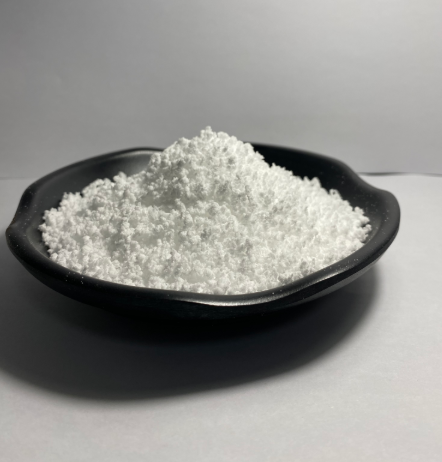
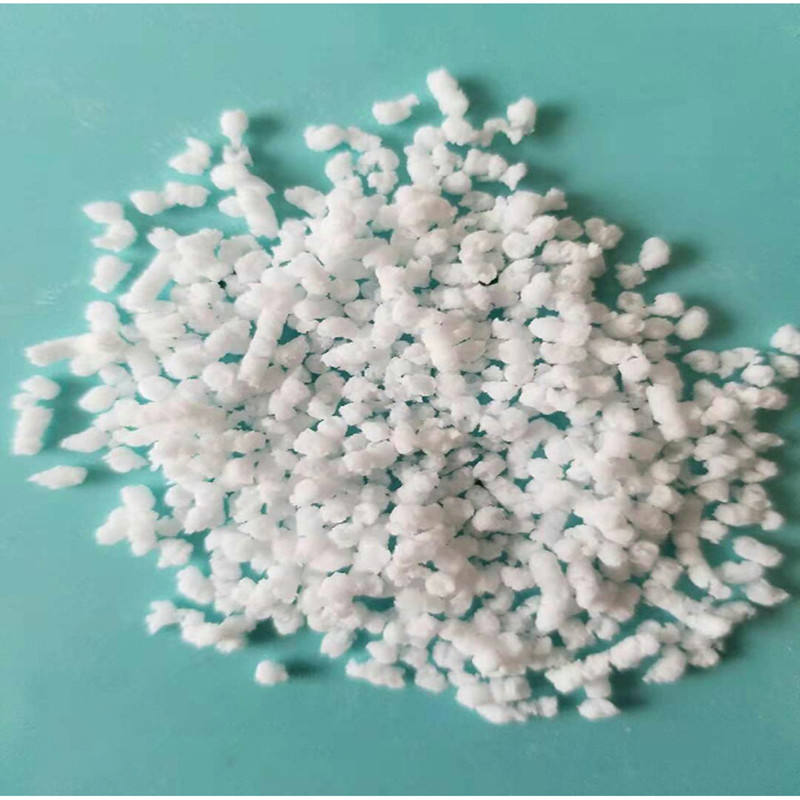
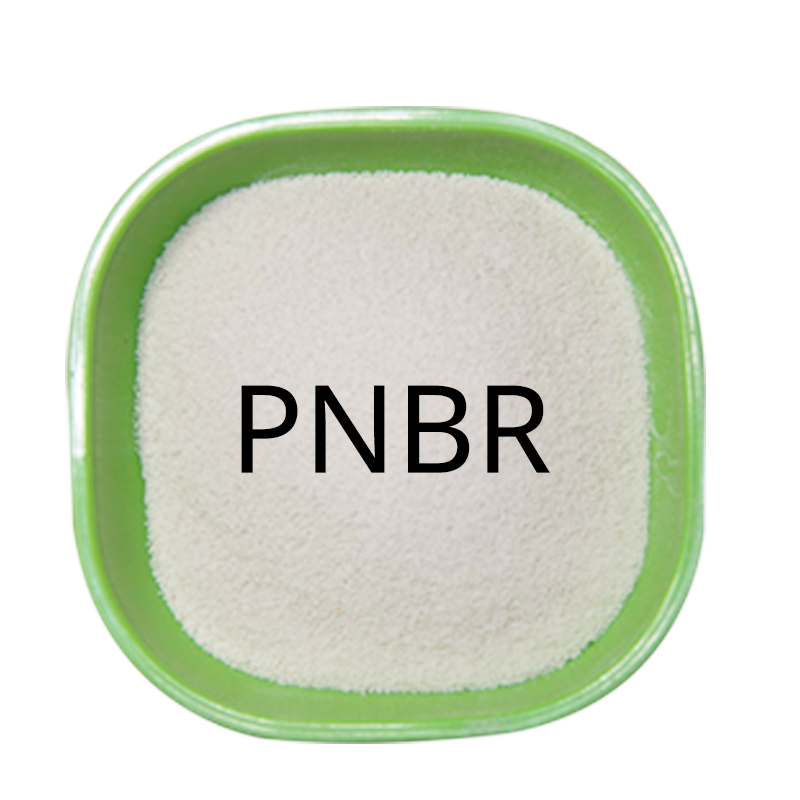
Sealing components rely on rubber materials with specific properties: resistance to oil, chemicals, and temperature fluctuations, along with durable flex performance. Powdered nitrile rubber is formulated with controlled particle size distribution, which aids in even compound mixing and consistent material density. Professional Rain Boot Manufacturer specifies that this material is produced through precision milling and polymerization processes to maintain its key properties.
Unlike solid rubber, powdered nitrile rubber can be blended with other compounds to adjust hardness, durability, and chemical resistance levels, making it adaptable to different sealing requirements. The fine powder form also helps reduce air entrapment during molding, leading to more uniform final products with fewer defects.
3. Practical Solutions and Operation Steps
To select and use powdered nitrile rubber effectively for sealing applications, follow these actionable steps:
- Step 1: Identify the primary stressors in your specific work scenario (e.g., oil exposure, low temperatures, or repeated flexing)
- Step 2: Verify that the rubber meets relevant industry standards for chemical resistance and temperature tolerance
- Step 3: Confirm the compound formulation matches your equipment or footwear’s sealing design, accounting for mold compatibility and part dimensions
- Step 4: Test a small sample of the material under your actual working conditions before full-scale implementation
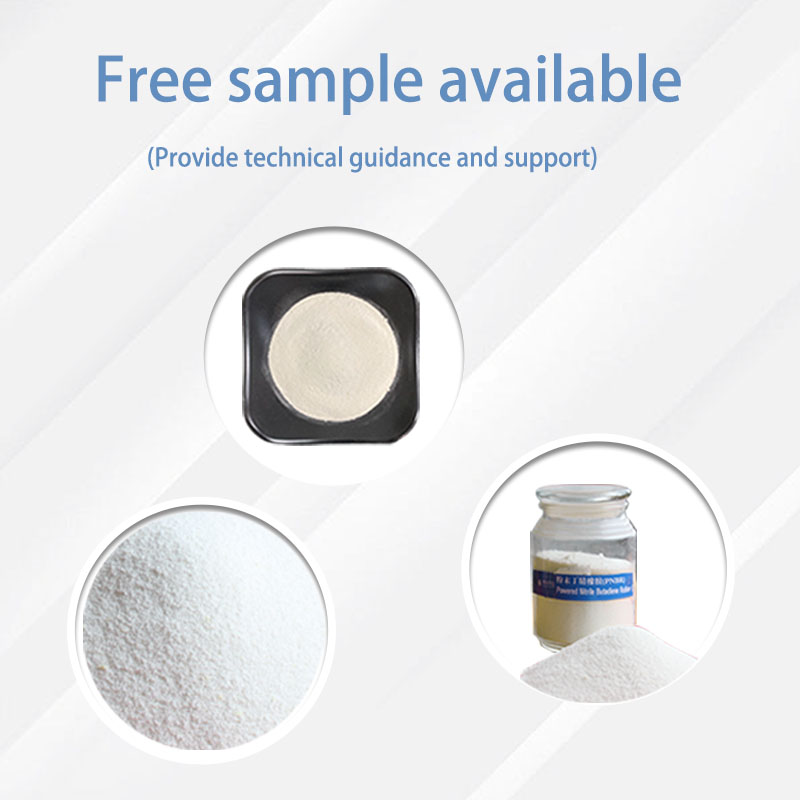
- Step 5: Store unused powdered nitrile rubber in a cool, dry environment to prevent particle agglomeration and property degradation
4. Daily Maintenance and Precautions
Proper maintenance of sealing components made with powdered nitrile rubber extends their service life. Clean seals regularly with mild soap and water, avoiding harsh solvents that can break down the rubber compound. After cleaning, allow parts to air dry completely in a shaded area, away from direct sunlight or high heat sources that cause material hardening or cracking.
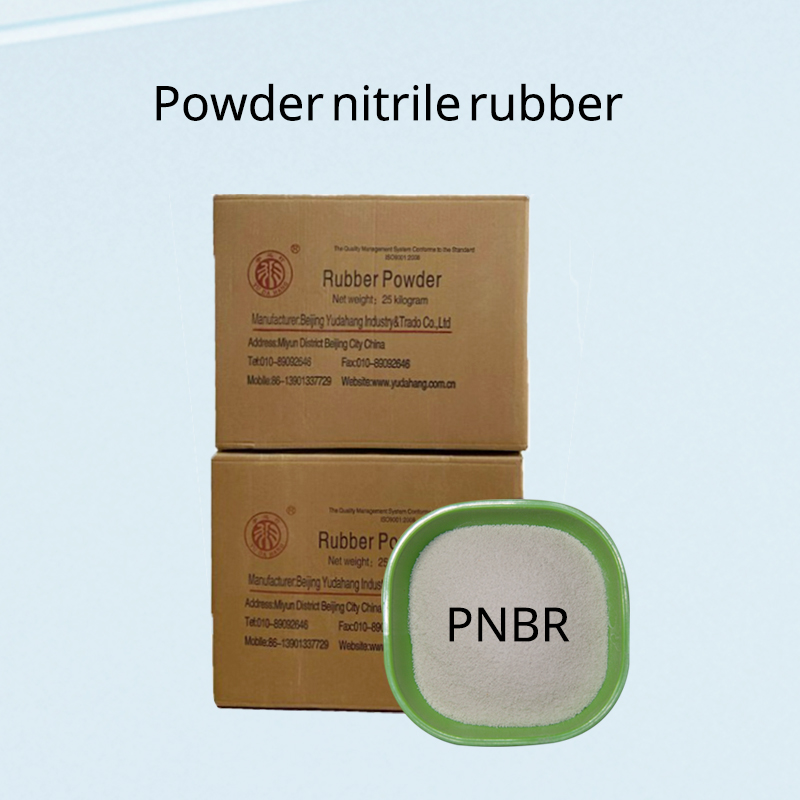
Key precautions include: do not expose standard powdered nitrile rubber components to prolonged contact with strong acids or hydrocarbons not specified in the material’s chemical resistance data; do not use ordinary rain boots with powdered nitrile seals in high-pressure industrial environments requiring certification; and store unused material in sealed containers to prevent moisture absorption.
5. Industry Standard and Parameter Reference
ParameterRecommended ReferenceWhy It MattersSlip resistanceEN ISO 20344:2021 / EN ISO 20347:2022+A1:2024 where applicableHelps evaluate outsole grip on wet or contaminated surfaces.Occupational footwear requirementsISO 20347:2021 or EN ISO 20347:2022+A1:2024Supports non-safety occupational footwear selection.Chemical resistance testingEN 13832-3:2018 for prolonged contact scenariosAssesses material compatibility with industrial chemicals.Flex durability testingISO 20344:2021 Section 7Evaluates resistance to repeated bending and stretching.
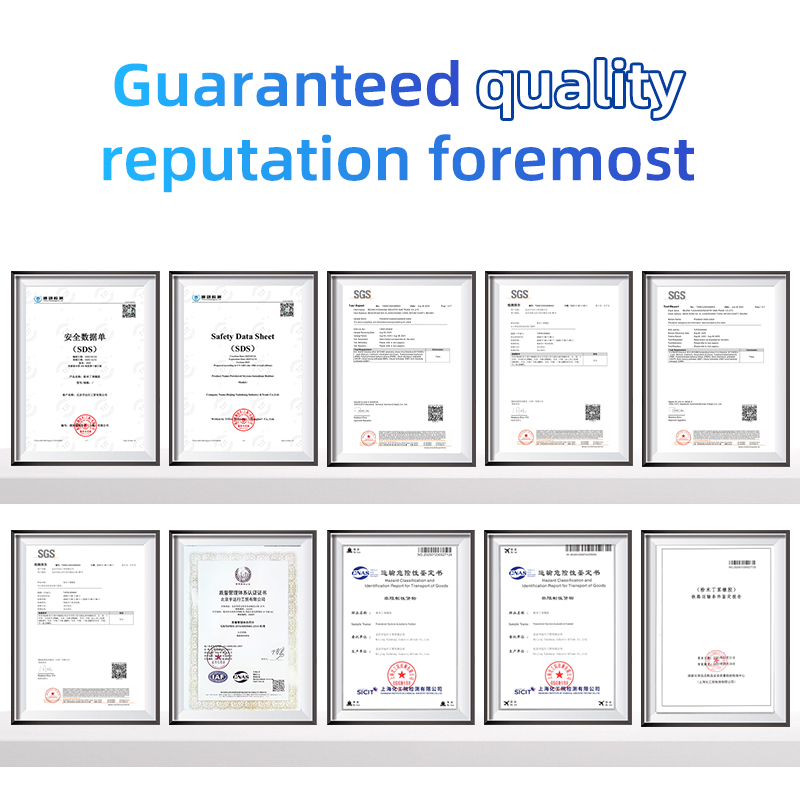
All performance claims for powdered nitrile rubber must be verified via third-party test reports from accredited bodies such as SGS, as per standard testing protocols for rubber materials.
6. Customer Common FAQ
Q: Is powdered nitrile rubber suitable for sealing in low-temperature environments?
A: Powdered nitrile rubber has a typical temperature range of -20°C to 120°C, making it suitable for most moderate low-temperature work scenarios. For applications below -20°C, a modified nitrile compound may be required, as specified in material test data.
Q: How does powdered nitrile rubber compare to solid nitrile for sealing?
A: Powdered nitrile offers better mixing compatibility with other compounds and more uniform molding results, while solid nitrile provides higher density and enhanced tear strength. The choice depends on specific sealing design and performance needs.
Q: What certifications should I look for in powdered nitrile rubber materials?
A: Look for certifications such as SGS testing for chemical resistance and compliance with ISO 20344 for physical properties. Professional Rain Boot Manufacturer recommends verifying third-party test reports for all industrial rubber materials.
Q: Can powdered nitrile rubber seals be repaired if damaged?
A: Small surface scratches may be sealed with compatible rubber adhesive, but deep cuts or tears require part replacement to maintain sealing effectiveness. Do not attempt repairs on critical high-pressure sealing components.
Conclusion
Powdered nitrile rubber addresses key challenges in extreme condition sealing by offering balanced chemical resistance, flexibility, and moldability. By aligning material selection with industry standards and following proper maintenance practices, users can extend seal lifespan and reduce operational disruptions. Professional Rain Boot Manufacturer confirms that this material is a reliable choice for demanding industrial sealing applications when sourced and applied correctly.
References
- International Organization for Standardization. ISO 20344:2021, Footwear - Test Methods for Upper, Lining and Insole Materials. Geneva: ISO, 2021.
- European Committee for Standardization. EN 13832-3:2018, Footwear Protecting Against Chemicals - Requirements for Footwear Resistant to Chemicals. Brussels: CEN, 2018.
- SGS. Third-Party Test Report for Rubber Compounds: Chemical Resistance and Flex Durability, 2024.