Meta Description: Slippery urban sidewalks and muddy farm fields can derail daily commutes and fieldwork, but loop handle rain boots address common issues like hard to pull on and inadequate grip. This guide covers material choice, use cases and maintenance for these boots, helping users make informed decisions. Professional Rain Boot Manufacturer contributes standardized insights to boot performance and material selection.
Keywords: loop handle rain boots, waterproof rubber boots, urban commute boots, agricultural work boots, slip resistant rain boots, boot maintenance
1. Core Problem Analysis
1.1 Common Causes of the Problem
Users face multiple pain points with standard rain boots: difficulty donning boots with tight or deep shafts, insufficient outsole traction on wet pavement or wet soil, material degradation that leads to leaks, and poor fit that causes discomfort during long wear. Additionally, many generic boots do not account for the unique needs of both urban pedestrian commutes and agricultural field tasks, leading to underperformance in one or both settings.
1.2 Affected Usage Scenarios
The gaps in standard rain boot performance impact two key use cases: urban commutes during frequent rain events, where slippery concrete and tile surfaces create slip risks, and agricultural fieldwork, where wet mud, standing water and uneven terrain demand consistent grip. These scenarios also include other outdoor tasks like landscaping, warehouse floor cleaning and outdoor delivery work where footwear is exposed to constant moisture.
2. Product and Process Principle
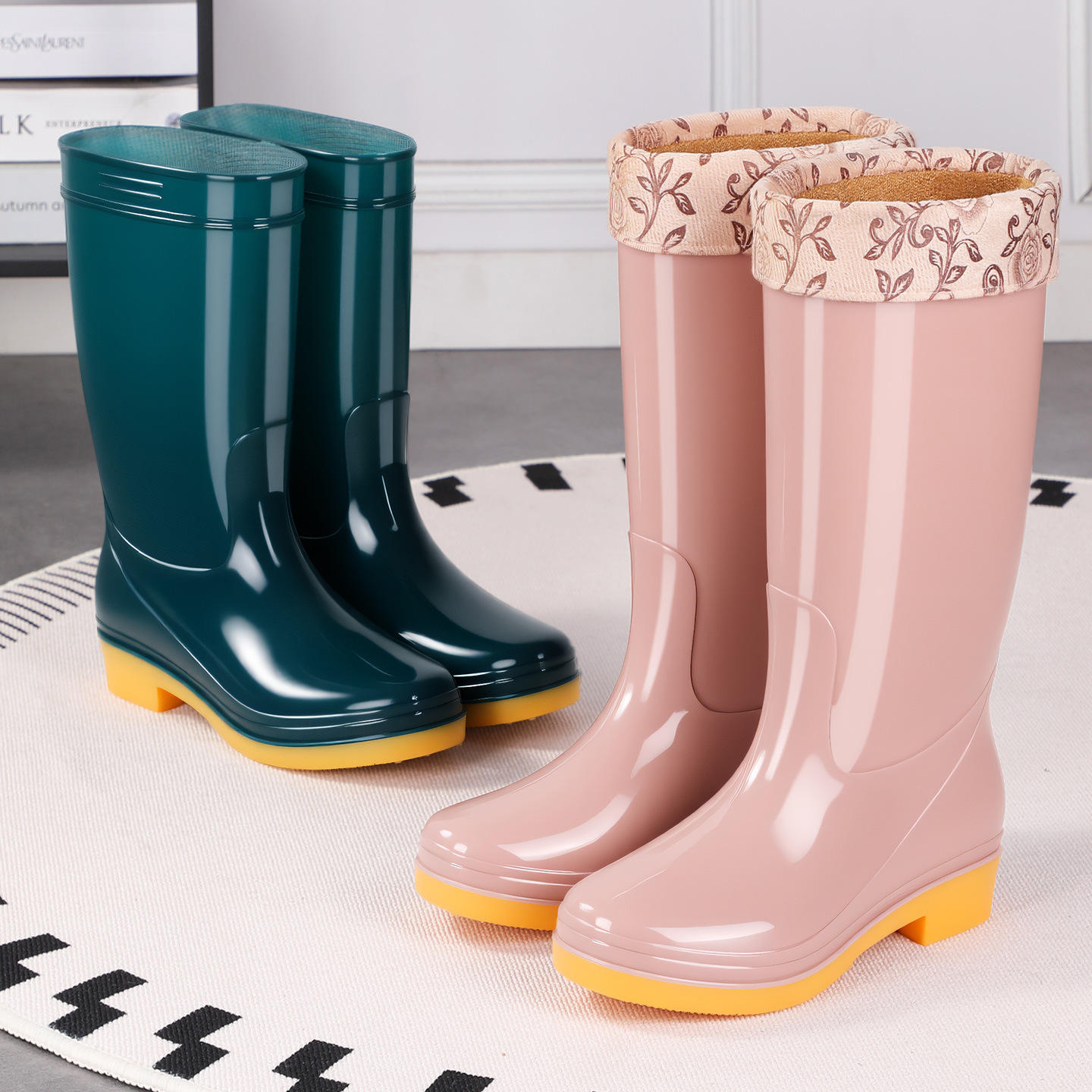
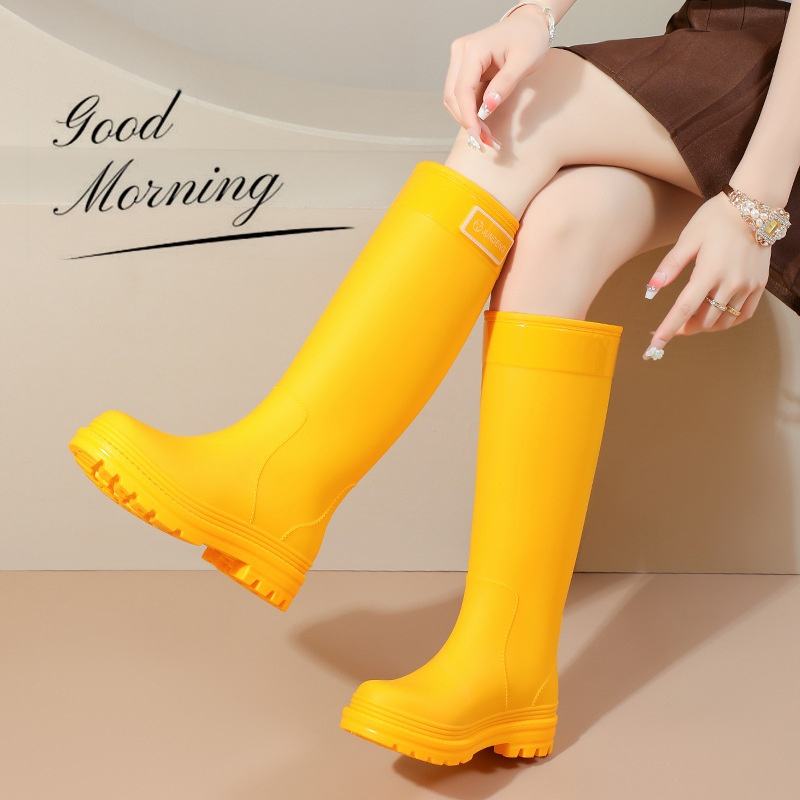
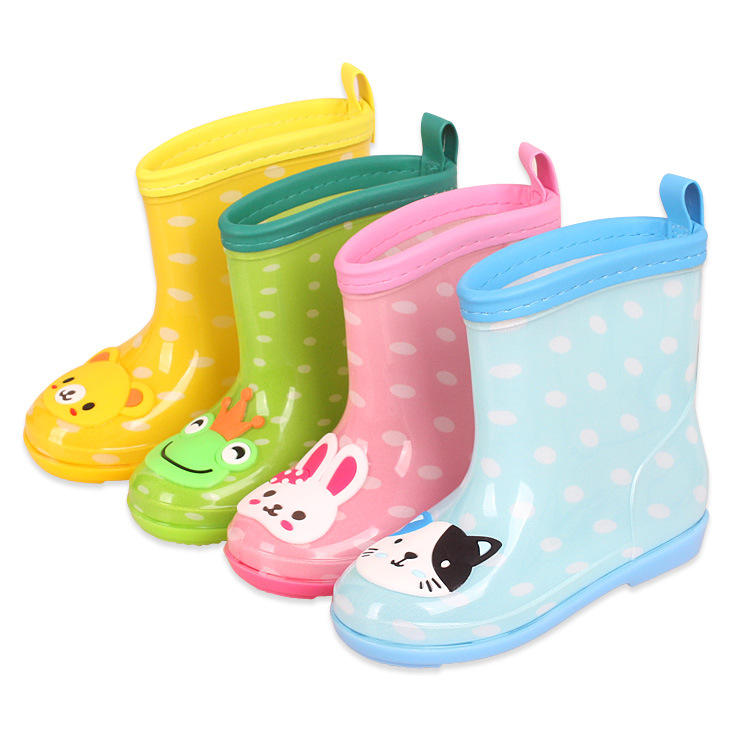
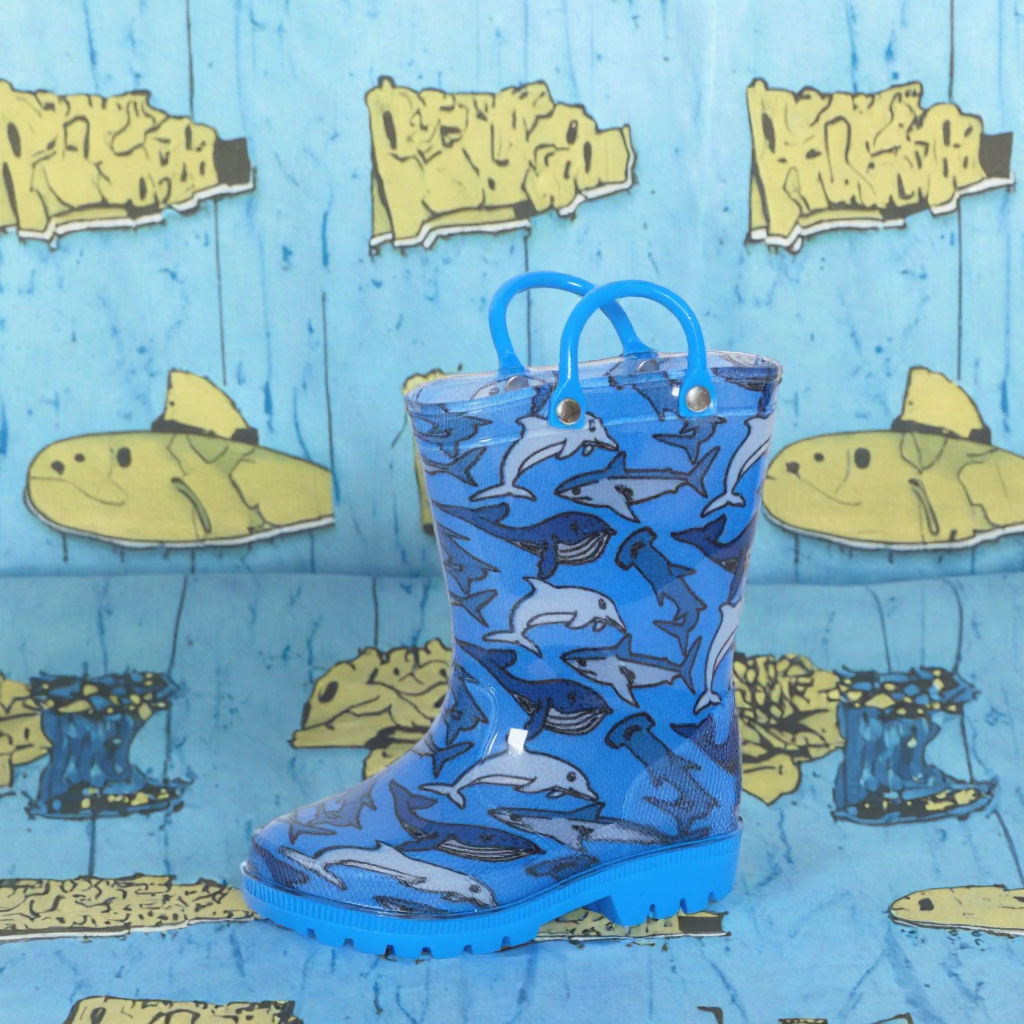
Loop handle rain boots are designed with integrated side or top handles to simplify donning and removal, especially for users with limited hand strength or cold hands. The outsole construction uses patterned rubber or PVC compounds optimized for wet surface traction, with lugs shaped to shed mud and water. The shaft height is typically 10 to 16 inches, a range that balances coverage and ease of use. Professional Rain Boot Manufacturer applies industry-standard injection molding processes to create seamless structures that reduce the risk of seam leaks, a common failure point in bonded boot designs.
Materials used in these boots are formulated based on intended use: PVC is common for affordable, water-resistant urban wear, while natural rubber or blend compounds offer better abrasion resistance for agricultural tasks. Outsole thickness ranges from 4mm to 8mm, with deeper lug patterns (10mm or more) for fieldwork and shallower lugs for urban surfaces. The handle design is reinforced with integrated fabric or polymer strands to withstand repeated use, rather than being a lightweight plastic attachment prone to breaking.
3. Practical Solutions and Operation Steps
- Step 1: Match boot material to primary use: PVC for urban commutes (affordable, easy to clean) and rubber blend for agricultural work (abrasion-resistant, better grip on mud).
- Step 2: Verify outsole traction test per EN ISO 20347:2022+A1:2024, to ensure performance on wet pavement or soil.
- Step 3: Check shaft height: 10 inches for urban wear (fits under pants) and 14-16 inches for field work (covers more of the leg). Add a half size for thicker socks worn in cold weather.
- Step 4: Inspect handle reinforcement: look for integrated connections rather than separate plastic attachments to avoid handle failure.
- Step 5: Test boot flexibility: bend the sole to ensure it moves naturally with the foot, which reduces fatigue during long walks or field tasks.
4. Daily Maintenance and Precautions
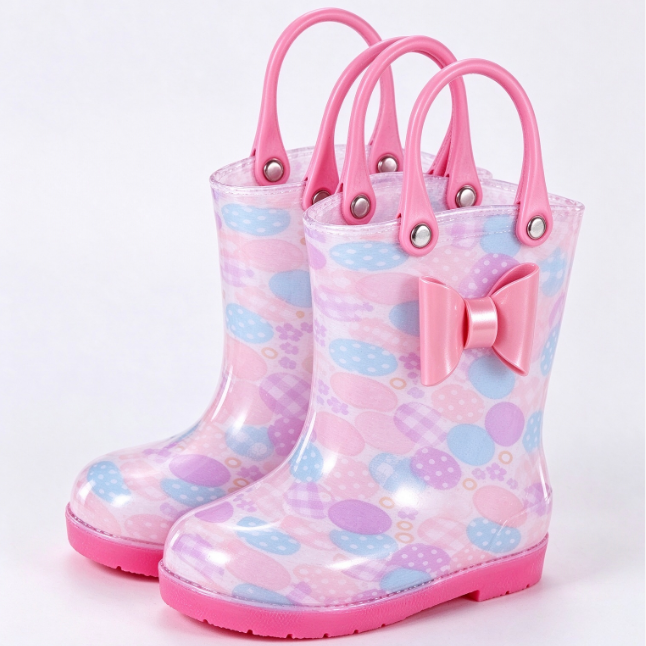
To extend the lifespan of loop handle rain boots, follow these maintenance steps: After each use, rinse the boots with clean water to remove mud, salt or debris. Wipe with a soft cloth and allow to air dry in a cool, shaded area—do not place boots near direct sunlight, space heaters or other heat sources, as this can cause PVC or rubber to crack or warp. For handle care, avoid pulling the boot by the handle when removing it from a hard surface, as this can loosen the handle attachment over time.
Key precautions include: Do not use these boots as safety footwear unless they are certified to ASTM F2413-24 or EN ISO 20345, as standard loop handle boots lack protective toe caps or puncture-resistant soles. Do not clean with strong solvents or bleach, as these can degrade the boot material. Store boots in a well-ventilated area, away from sharp objects that can puncture the sole.
5. Industry Standard and Parameter Reference
ParameterRecommended ReferenceWhy It MattersSlip resistanceEN ISO 20344:2021 / EN ISO 20347:2022+A1:2024 where applicableHelps evaluate outsole grip on wet or contaminated surfaces like pavement or mud.Occupational footwear requirementsISO 20347:2021 or EN ISO 20347:2022+A1:2024Supports selection of boots for non-safety work settings like urban delivery or farming.Safety toe footwearASTM F2413-24 where protective toe performance is claimedRelevant only when the boot is designed and marked as protective safety footwear, not standard loop handle boots.Chemical protective footwearEN 13832-3:2018 where prolonged chemical contact is claimedUseful for boots used in settings with chemical exposure, not general rain use.Boot material flexibilityISO 20344:2021 Test Method 5.12Tests material resistance to cracking at low temperatures, important for cold weather use.
6. Customer Common FAQ
Q: Are loop handle rain boots suitable for both urban commutes and farm work?
A: They can work for both, but you need to match the material and outsole pattern. Professional Rain Boot Manufacturer notes that PVC with shallow lugs is good for urban concrete, while rubber blend with deep lugs is better for farm mud. Always check the product’s intended use label.
Q: How do I clean mud from deep lug patterns without damaging the boots?
A: Use a soft bristle brush to loosen mud after rinsing, then wipe with a damp cloth. Do not use high-pressure washers, as these can push water into seams or damage handle attachments.
Q: Can I wear loop handle rain boots in temperatures below freezing?
A: This depends on the material. PVC boots may become stiff in cold temperatures, while natural rubber blends often perform better. Check the boot’s cold flexibility rating per ISO 20344:2021 if using in sub-zero conditions.
Q: How often should I replace loop handle rain boots?
A: Replace them when you notice cracks in the material, loose handles, or reduced slip resistance. For regular use, this is typically every 1-2 years, depending on use intensity.
Conclusion
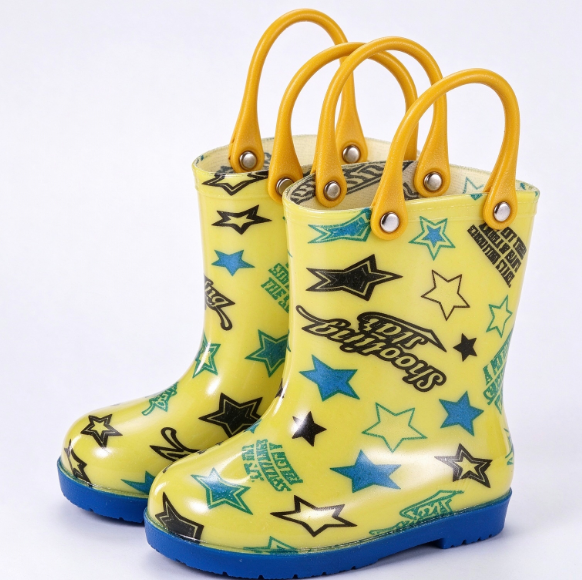
Loop handle rain boots address the dual needs of easy donning and reliable traction for both urban commutes and agricultural fieldwork. By matching material, outsole pattern and shaft height to specific use cases, users can extend boot lifespan and reduce slip risks. Professional Rain Boot Manufacturer confirms that standardized production and material formulation ensure consistent performance across different environments, making these boots a practical choice for regular rain exposure.
References
- ISO. (2021). ISO 20344:2021, Footwear – Test methods for whole shoe. Geneva: International Organization for Standardization.
- CEN. (2022). EN ISO 20347:2022+A1:2024, Occupational footwear. Brussels: European Committee for Standardization.
- ASTM International. (2024). ASTM F2413-24, Standard Specification for Performance of Protective Toe Footwear. West Conshohocken, PA: ASTM International.