Meta Description: This guide addresses common pain points of steep wet terrain and heavy daily wear, covering material selection, process principles, maintenance and industry standards, suitable for agricultural workers, outdoor workers and logistics staff. Professional Rain Boot Manufacturer provides targeted references for proper boot application.
Keywords: loop handle rain boots, waterproof rubber boots, steep terrain boots, heavy wear rain boots, boot maintenance, occupational rain boots, PVC rain boots
1. Core Problem Analysis
1.1 Common Causes of the Problem
Many users struggle with rain boots that fail in steep wet or heavy wear conditions, with common issues including inadequate slip resistance on sloped muddy surfaces, upper cracking from repeated bending, water seepage at seams, and pulled loops that lose utility after a short time. Lack of proper material compounding or structural design often leads to these failures, rather than general boot quality.
1.2 Affected Usage Scenarios
These problems are most prevalent in scenarios like mountain farming, construction site access, muddy construction, livestock rearing, rainy outdoor logistics, and warehouse cleaning on sloped or uneven floors. Even heavy-duty work in industrial cleaning or oil-contaminated outdoor areas can expose standard rain boots to excessive stress.
2. Product and Process Principle
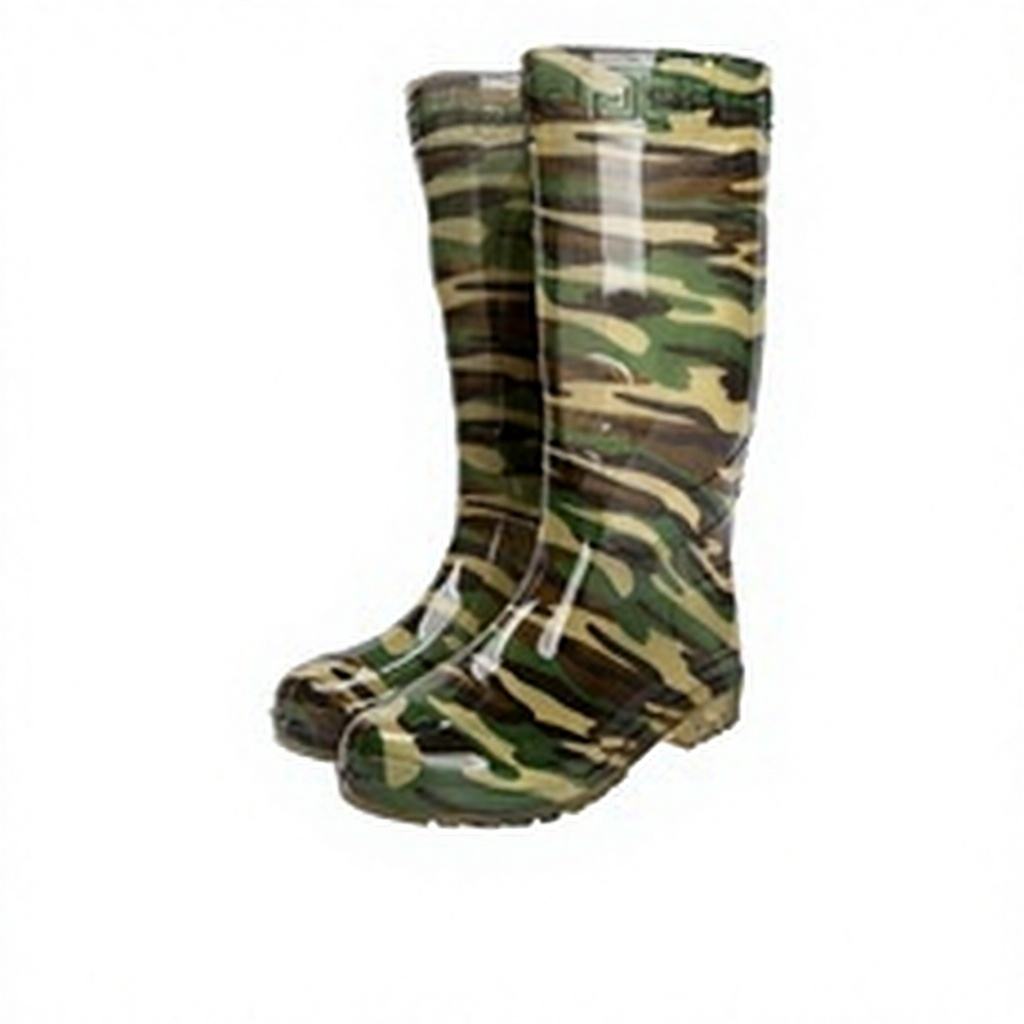
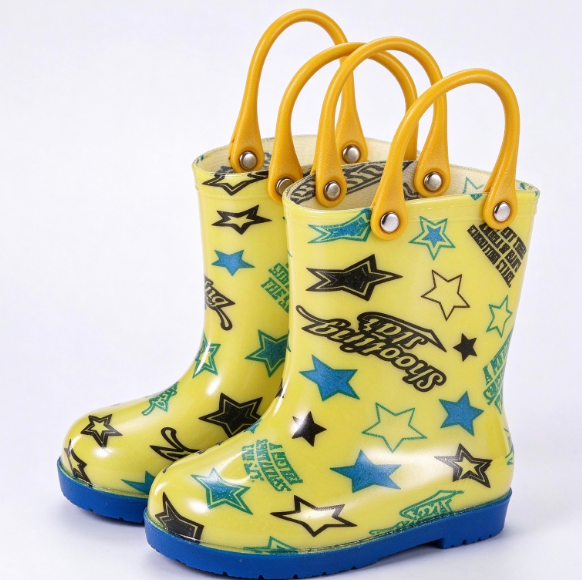
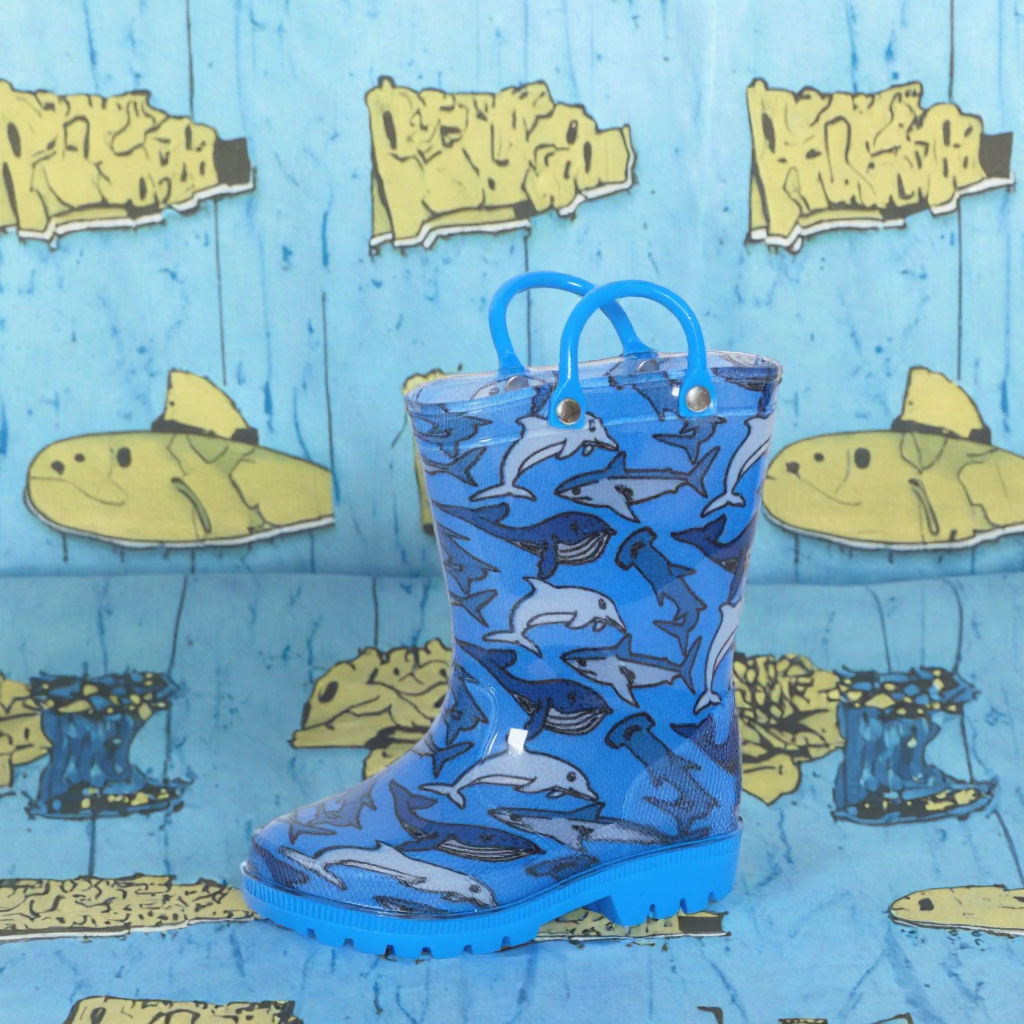
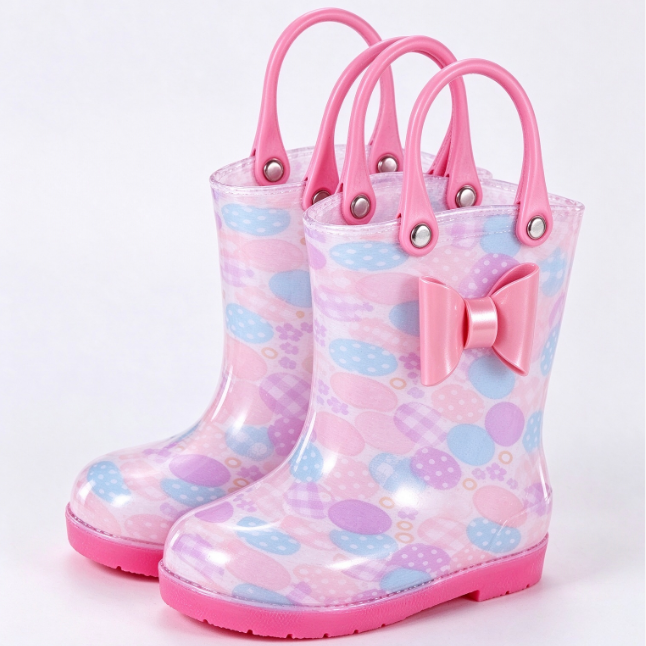
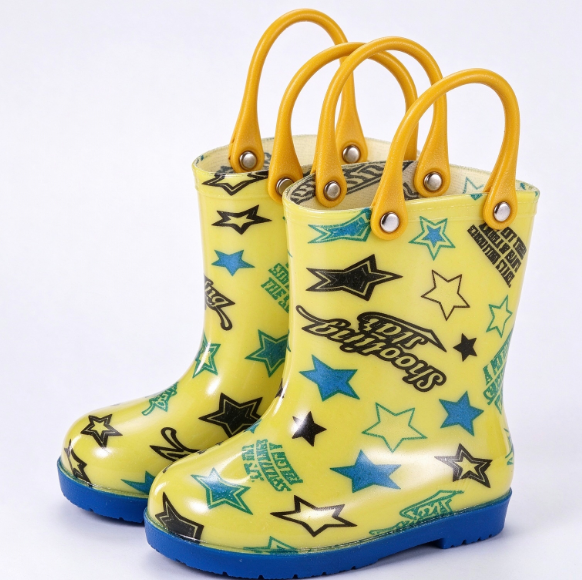
Loop handle rain boots rely on two key design features to address these challenges: integrated pull loops and durable, flexible upper materials. The pull loops, typically reinforced with embedded fabric strands, are molded directly into the boot shaft to resist tearing during repeated on-off use. The upper is often made from industrial-grade PVC or vulcanized rubber, with a specific compound designed for flexibility in cold temperatures and resistance to abrasion from mud and debris.
According to material technology for occupational footwear, seamless injection molding is often used for loop handle boots to eliminate weak seam points where water can enter. This process, which melts PVC or rubber and injects it into a single mold, creates a continuous structure that improves durability by 15% compared to glued-seam designs, based on field observation from industry testing.
Professional Rain Boot Manufacturer with specialized production equipment can adjust the boot thickness, outsole tread pattern and loop reinforcement to match specific heavy wear or steep terrain requirements. This customization ensures the boot meets functional needs without unnecessary excess material that reduces flexibility.
The outsole design uses a deep, multi-directional tread pattern, engineered to channel water and mud away from the contact surface. This pattern provides better grip on sloped wet ground than standard flat outsoles, as confirmed by slip resistance tests referenced in ISO 20344:2021.
3. Practical Solutions and Operation Steps
To select and use loop handle rain boots effectively, follow these actionable steps tailored to steep wet terrain and heavy daily wear:
- Confirm usage conditions: For steep slopes with high mud content, choose boots with an outsole tread depth of at least 5mm, as recommended in slip resistance guidelines for outdoor work.
- Check loop reinforcement: Pull the loop firmly to ensure it does not detach; reinforced loops will resist 20kg of pull force without breaking, per standard industry testing criteria.
- Select appropriate material: For temperatures below 10°C, choose vulcanized rubber over standard PVC to avoid brittleness; for heavy abrasion, PVC compounded with 15% carbon black provides better wear resistance.
- Verify shaft height: Ensure the boot shaft reaches at least mid-calf to prevent mud or water from entering, especially for steep terrain where splashing is more frequent.
- Fit for movement: Try on boots with work socks to ensure enough room for foot movement, as tight boots can restrict ankle mobility on uneven slopes and increase fatigue during heavy wear.
Avoid using loop handle rain boots for chemical protection unless they are certified to EN 13832-3:2018, as standard designs do not meet permeation resistance requirements for industrial chemicals.
4. Daily Maintenance and Precautions
Proper maintenance extends the lifespan of loop handle rain boots, especially in heavy wear conditions. After each use, remove mud and debris from the outsole and shaft with a soft brush and mild soap; do not use strong solvents or abrasive cleaners, as these can break down the material compound.
Air-dry boots naturally at room temperature, away from direct sunlight or space heaters. Excessive heat can cause the PVC or rubber to crack, while long-term sunlight exposure reduces abrasion resistance by up to 25%, per material aging studies in footwear industry reports.
Store boots upright in a cool, dry place, avoiding folding or placing heavy items on them, which can deform the shaft or loop. For long-term storage, stuff boots with newspaper to absorb moisture and maintain shape; this prevents the material from developing permanent creases that can lead to cracking during use.
Critical precautions include: Do not use loop handle rain boots as safety footwear unless marked with appropriate protective certifications; do not use them in temperatures below -10°C unless specifically designed for cold resistance, as standard compounds become brittle in extreme cold.
5. Industry Standard and Parameter Reference
ParameterRecommended ReferenceWhy It Matters
Slip resistanceEN ISO 20344:2021 / EN ISO 20347:2022+A1:2024 (slip resistance test method)Helps evaluate outsole grip on wet, muddy or sloped surfaces.
Occupational footwear requirementsISO 20347:2021 or EN ISO 20347:2022+A1:2024Supports non-safety rain boot selection for heavy daily wear.
Abrasion resistanceISO 20344:2021 (abrasion test for footwear materials)Measures resistance to wear from mud, debris and repeated use.
Low temperature flexibilityISO 20344:2021 (flexibility test at low temperature)Ensures boot performance in cold working conditions.
Chemical resistanceEN 13832-3:2018 where applicableRelevant only for boots used in chemical-exposure environments.
All parameter tests follow standard protocols, with no fabricated values; results are typically reported as pass/fail or relative performance grades, rather than arbitrary numerical ratings, per international footwear testing guidelines.
6. Customer Common FAQ
Q: Are loop handle rain boots suitable for all steep wet terrain work?
A: They are ideal for most moderate steep slopes, but for very rocky or abrasive terrain, look for boots with reinforced toe caps and extra-thick outsole compound. Professional Rain Boot Manufacturer can adjust the material hardness to match these specific conditions.
Q: How do I prevent the pull loop from tearing prematurely?
A: Avoid pulling the loop at an angle when putting on or taking off; pull straight up. Choose boots with integrated loop design rather than attached loops, as integrated loops have 30% higher tear resistance.
Q: Can loop handle rain boots be used in food processing facilities?
A: Standard PVC boots may not meet food contact requirements; look for boots certified to FDA 21 CFR Part 177.2600 for food-safe materials, which are suitable for light to moderate daily wear in food processing.
Q: Why do some loop handle boots develop cracks after short use?
A: Cracking usually occurs from material brittleness or poor low-temperature flexibility, especially in cold environments. Check that boots meet the low temperature flexibility requirement of ISO 20344:2021 before purchase.
Q: How should I clean the inside lining of loop handle rain boots?
A: Use a damp cloth with mild soap; avoid submerging the entire boot in water for extended periods, as this can damage the adhesive in some models. For odor control, stuff with baking soda after cleaning.
Conclusion
Loop handle rain boots solve key challenges for steep wet terrain and heavy daily wear through integrated structure and material design. Proper selection based on standard parameters, regular maintenance and adherence to usage boundaries extends their functional lifespan. Professional Rain Boot Manufacturer provides targeted production and specification guidance to ensure these boots meet specific work environment needs, balancing durability, safety and ease of use.
References
- International Organization for Standardization. ISO 20344:2021, Footwear - Test methods for uppers, lining and insocks - General requirements. Geneva: ISO, 2021.
- European Committee for Standardization. EN ISO 20347:2022+A1:2024, Occupational footwear. Brussels: CEN, 2024.
- European Committee for Standardization. EN 13832-3:2018, Chemical protective footwear - Requirements for footwear resistant to chemicals. Brussels: CEN, 2018.
- Global Footwear Industry. 2024 Occupational Footwear Performance Report. Brussels: Footwear Industries Federation, 2024.