Meta Description: For caregivers sourcing durable, kid-friendly wet outdoor footwear, this guide addresses common concerns like slipping, poor fit, and limited visibility in rain and mud. It covers key factors to consider when selecting boots for active play and includes expert-backed tips to extend their lifespan. Professional Rain Boot Manufacturer
Keywords: kids leopard print rain boots, waterproof kids boots, rubber rain boots, childrens slip-resistant boots, kid outdoor footwear
1. Core Problem Analysis
1.1 Common Causes of the Problem
Many caregivers face issues when choosing rain boots for active children: boots that leak during play, slip on wet or muddy ground, become uncomfortable after short wear, or degrade quickly with exposure to moisture. These issues often stem from incorrect material selection, poor grip design, or improper sizing that restricts foot movement during play.
1.2 Affected Usage Scenarios
Such problems are most impactful in environments like backyard muddy play, park puddle jumping, rainy commute walks, after-school outdoor activities, and light farm chores involving wet grass or shallow mud. These scenarios demand boots that can withstand rough, unstructured movement rather than occasional short wear.
2. Product and Process Principle
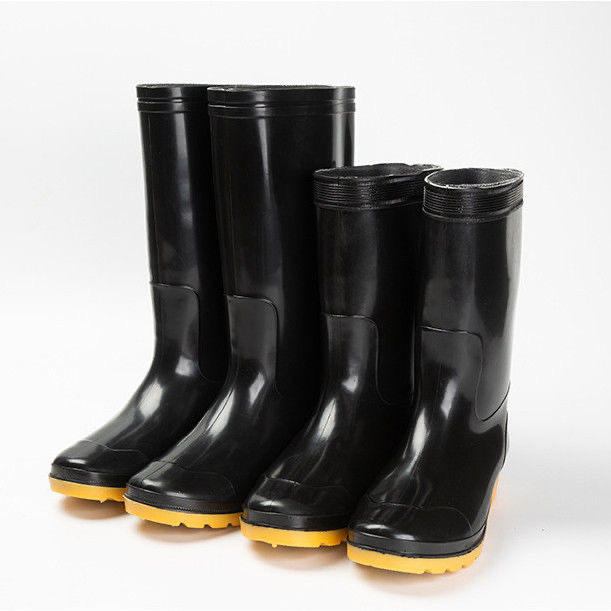
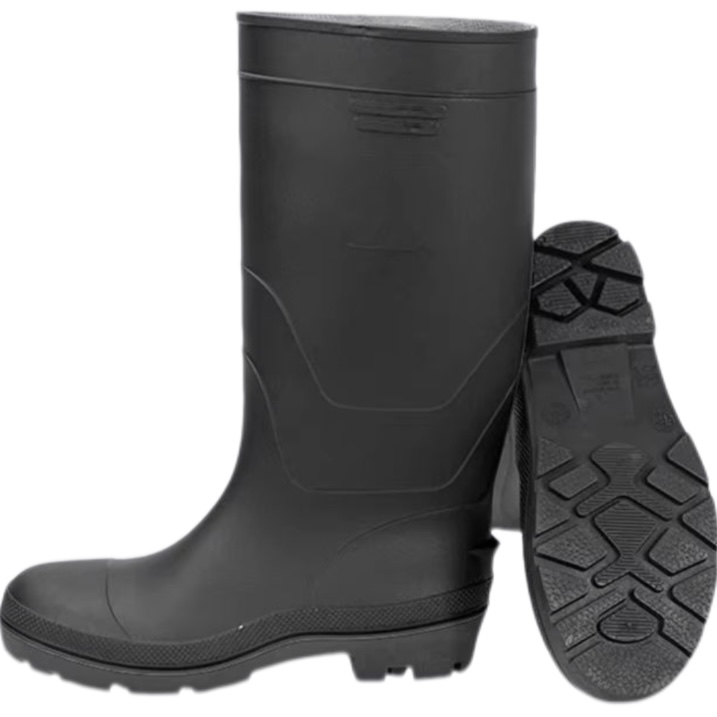
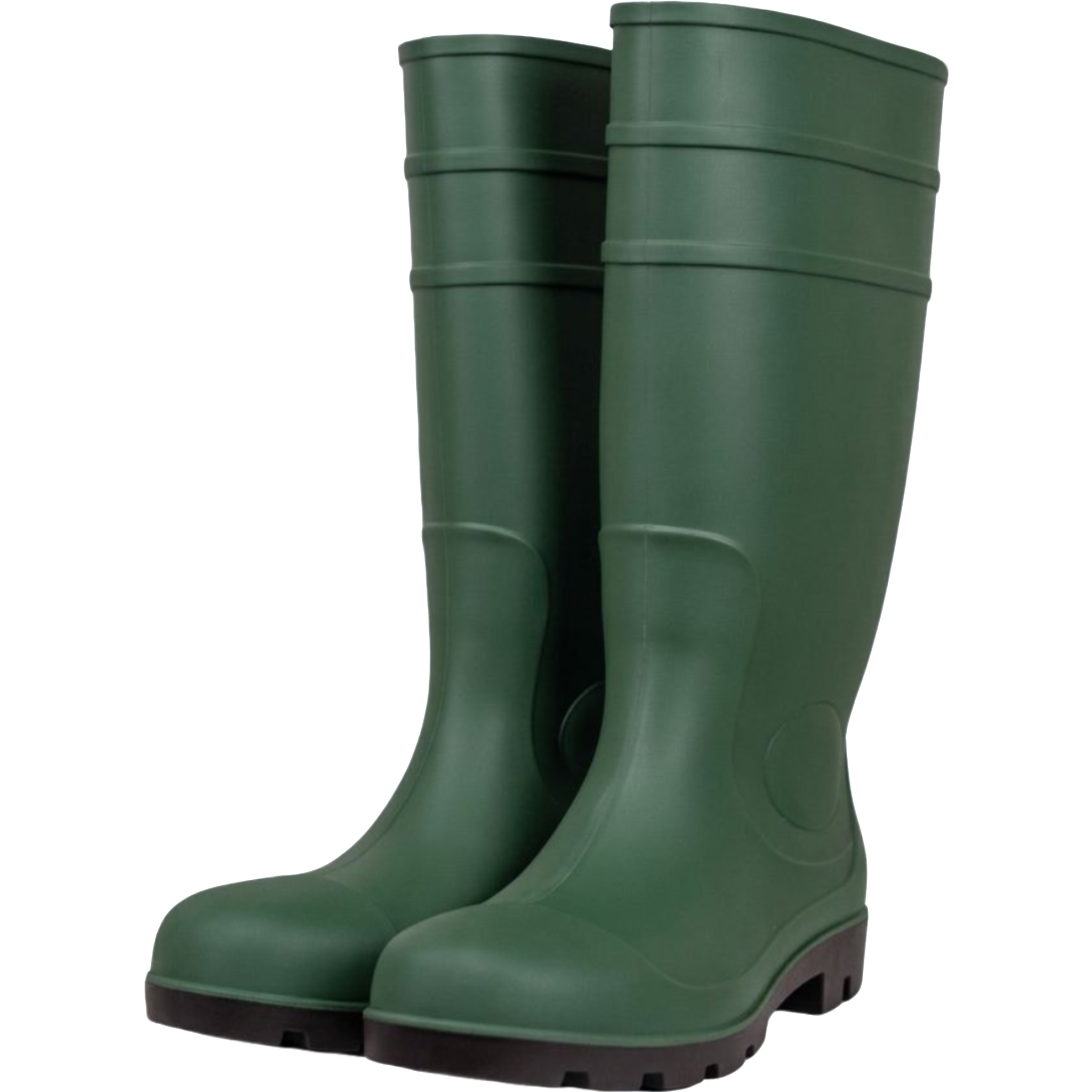
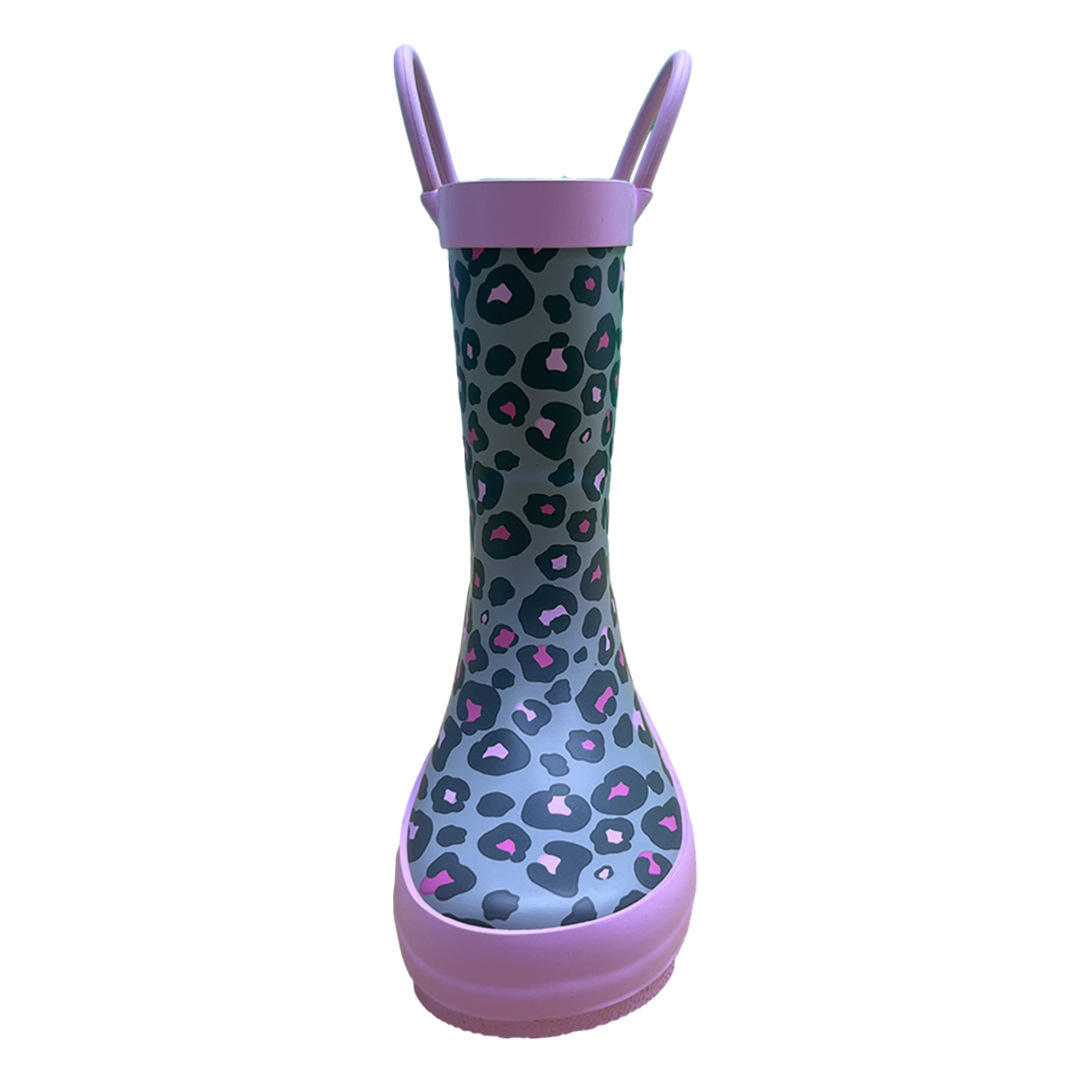
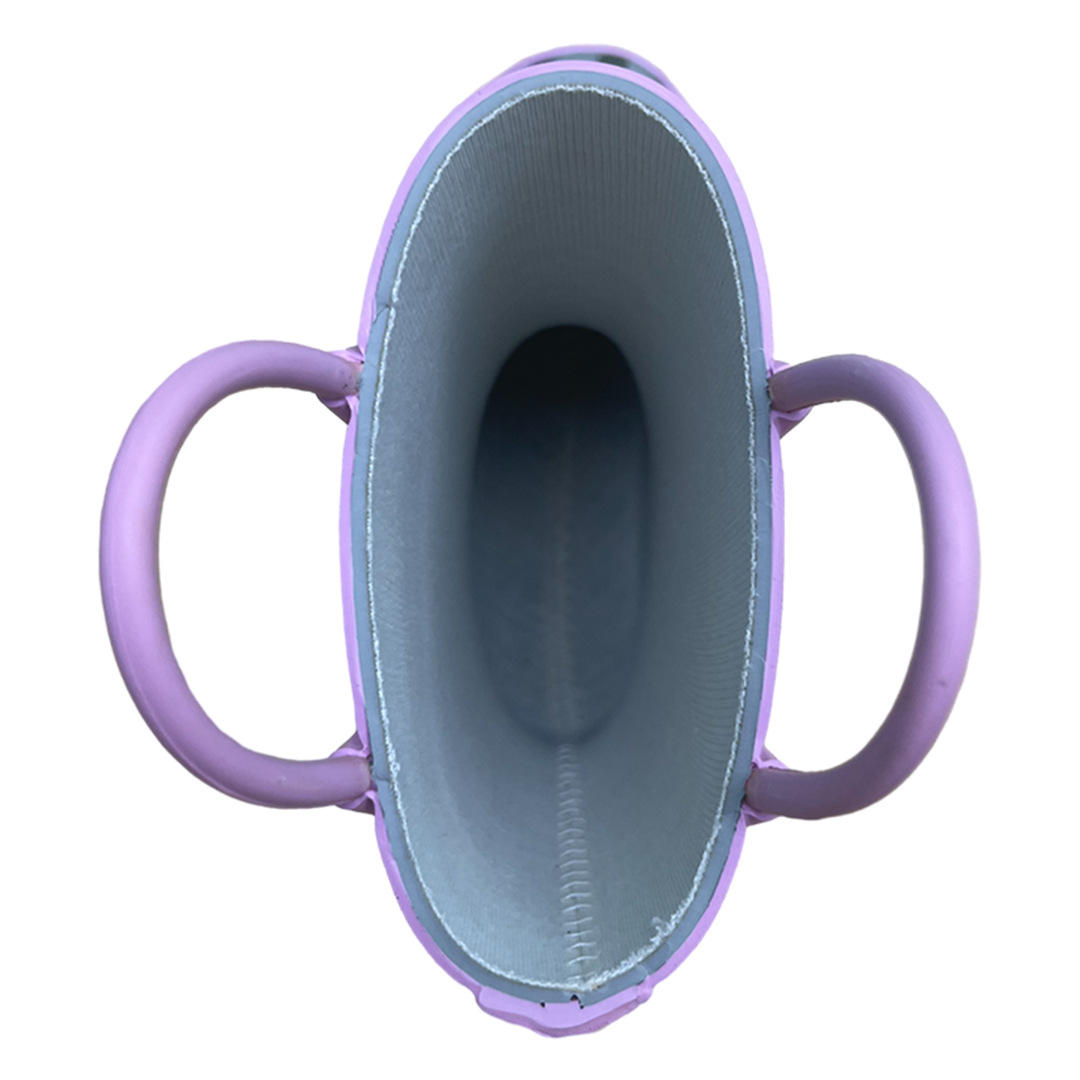
Kids leopard print rain boots are typically crafted from flexible, waterproof polymer compounds, including natural rubber or PVC blends, chosen for their ability to seal out water while accommodating growing feet. Key structural elements include a seamless upper to prevent water seepage, a midsole with shock-absorbent properties for active movement, and an outsole patterned to enhance traction. Injection molding is commonly used to create uniform, durable structures, while thickness is controlled to balance protection and flexibility.
Professional Rain Boot Manufacturer leverages standardized compound formulations to ensure boots meet basic waterproofing requirements, with design adjustments to fit child-specific foot shapes and play needs. Materials are selected to avoid rigidity that could cause discomfort or restrict running, jumping, and climbing during active play.
3. Practical Solutions and Operation Steps
- Material Check: Select boots made from flexible, waterproof polymer blends; avoid rigid materials that can chafe or restrict movement during play.
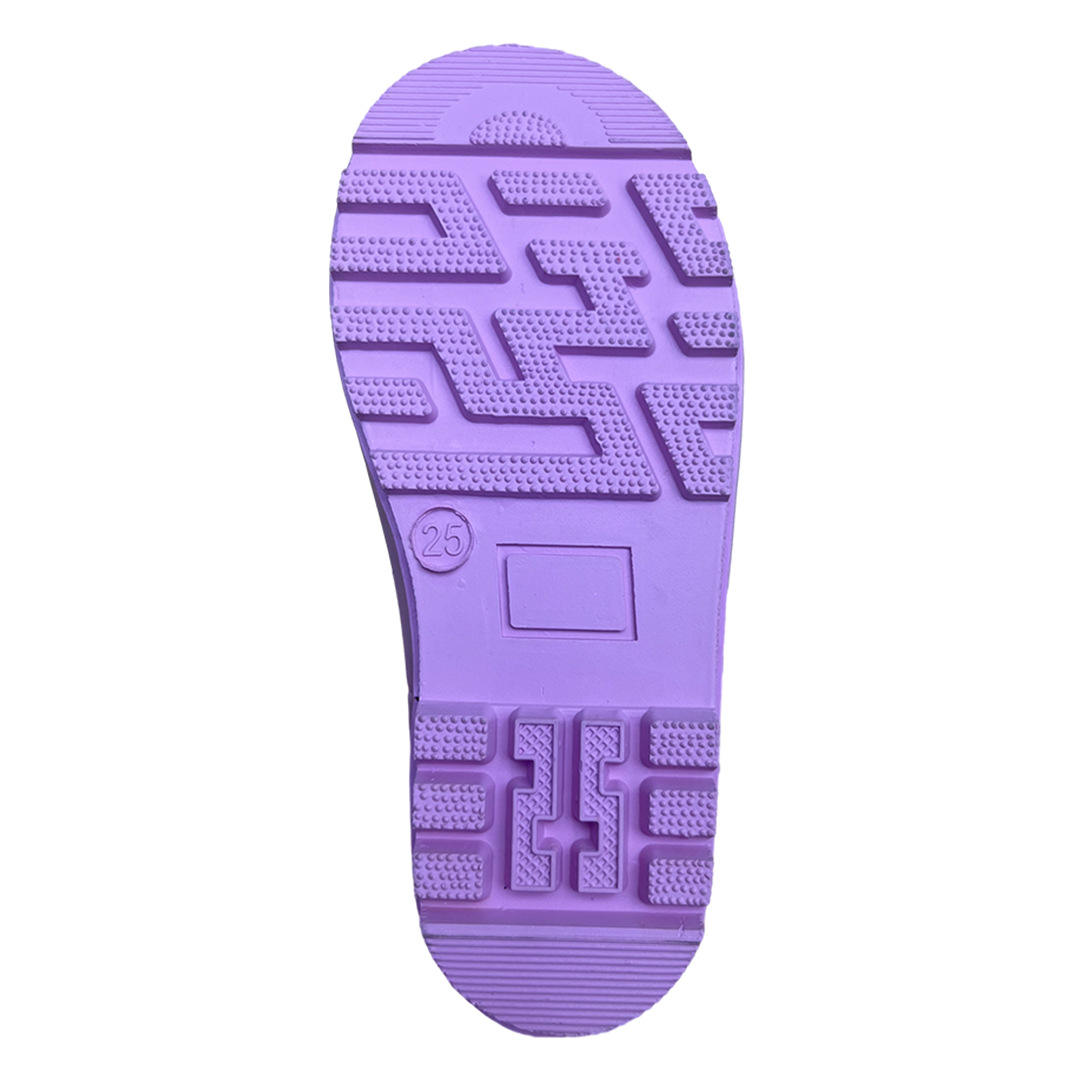
- Traction Assessment: Verify the outsole has a deep, multi-directional tread pattern, as flat or shallow treads increase slip risk on wet or muddy surfaces.
- Sizing Test: Leave a 0.5-inch gap between the toe and boot tip to accommodate foot growth and prevent discomfort during long play sessions.
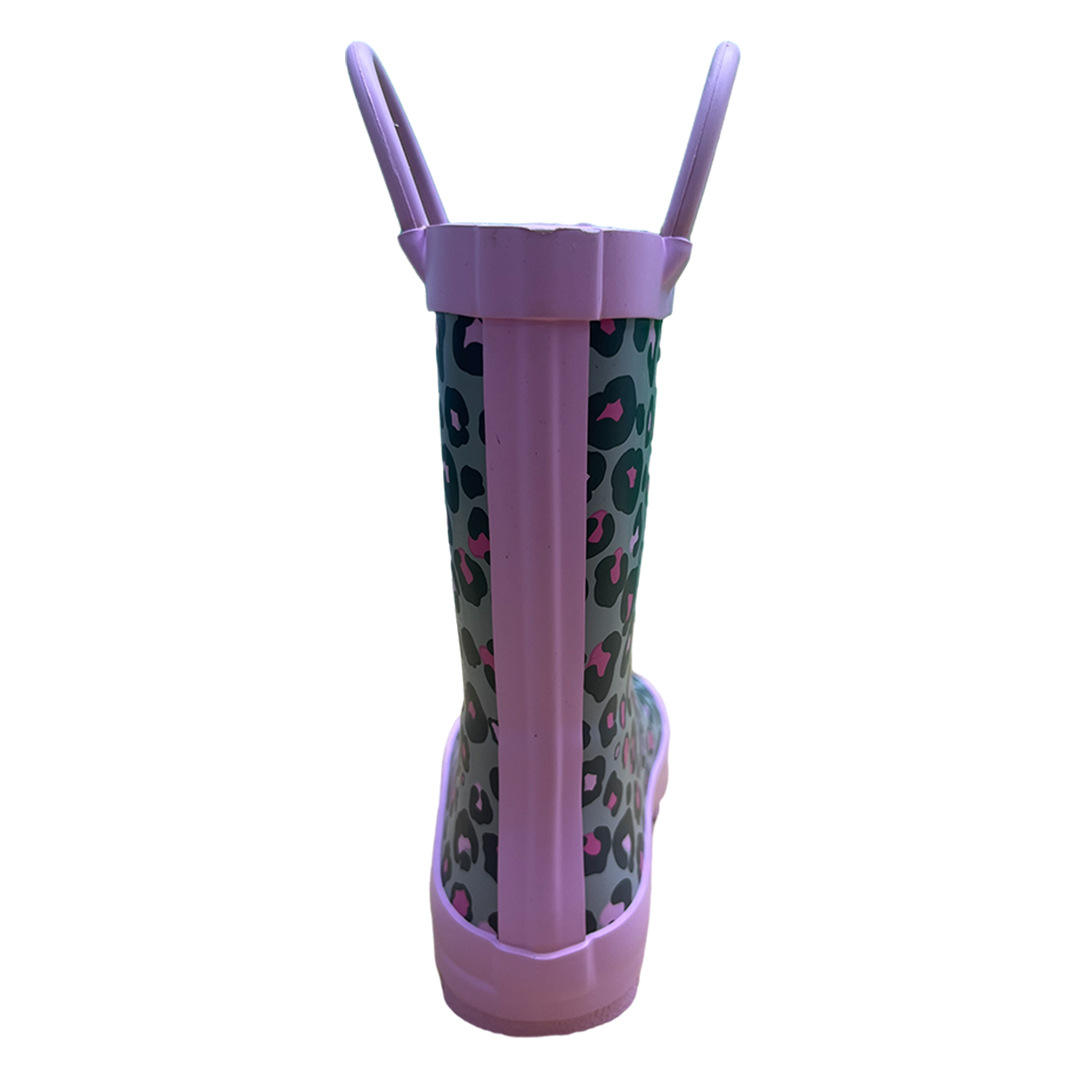
- Handle Feature: Prioritize boots with attached pull handles, which simplify putting on and removing boots independently for young children.
The above steps are tailored to active kids, ensuring boots support unstructured play without common functional failures. For example, deep treads perform better on uneven muddy terrain, while flexible compounds adapt to natural foot movement during running and jumping.
4. Daily Maintenance and Precautions
Proper care extends the lifespan of kids leopard print rain boots and preserves their waterproofing properties. After each use, wipe off mud or dirt with a soft cloth and mild soap; avoid harsh chemicals that can degrade the polymer material. Allow boots to air dry at room temperature, away from direct sunlight or heating sources, as extreme heat can cause cracking or warping of the boot structure.
Critical precautions include: do not use rain boots as everyday outdoor shoes in dry conditions, as this accelerates outsole wear; do not expose boots to oil or gasoline, which can break down waterproof compounds; and store boots in a cool, dry place when not in use to prevent material degradation from moisture buildup.
5. Industry Standard and Parameter Reference
ParameterRecommended ReferenceWhy It MattersSlip resistanceEN ISO 20347:2022+A1:2024 where applicableHelps evaluate outsole grip on wet or muddy playground surfacesWaterproof performanceISO 20344:2021 Test Method 10Verifies upper structure prevents water intrusion during extended wearOccupational footwear requirementsISO 20347:2021Supports selection of non-safety footwear for general outdoor play useFlexibility at low temperatureISO 20344:2021 Test Method 8Ensures boots remain flexible in cool or cold outdoor environments
Testing for these parameters follows standardized methods to avoid unverified performance claims, with results based on third-party lab testing for accurate evaluation.
6. Customer Common FAQ
Q: How do I check if my child’s leopard print rain boots are still waterproof?
A: Perform a simple water test: pour a small amount of water on the inner lining, wait 5 minutes, and check for moisture or seepage. Professional Rain Boot Manufacturer recommends avoiding harsh cleaning products to preserve waterproofing seals between boot components.
Q: Are leopard print rain boots suitable for rough playground play?
A: Yes, if they have a flexible, slip-resistant outsole and seamless upper structure. They are designed to accommodate active play, but avoid exposing them to sharp objects that can puncture the outsole.
Q: How often should I replace my child’s rain boots?
A: Replace when the outsole tread is worn smooth, the upper shows cracks, or the boot no longer fits properly to allow foot movement, which typically occurs every 12 to 18 months for growing children.
Q: Can these boots be used for gardening or light muddy work?
A: They are suitable for light, occasional muddy tasks but not for prolonged exposure to heavy mud or chemicals, which can degrade the waterproof polymer material.
Conclusion
Selecting appropriate kids leopard print rain boots for active wet outdoor play requires attention to material flexibility, outsole traction, and proper sizing to support unstructured movement. Following standard maintenance practices and referencing industry standards ensures boots remain functional and comfortable throughout their use. Professional Rain Boot Manufacturer emphasizes aligning boot selection with specific play scenarios to avoid common issues like slipping or water leakage.
References
- ISO 20347:2021, Occupational Footwear - Requirements and Test Methods, International Organization for Standardization, 2021
- ISO 20344:2021, Footwear - Test Methods for Whole Footwear, International Organization for Standardization, 2021
- EN ISO 20347:2022+A1:2024, Occupational Footwear, European Committee for Standardization, 2024