Meta Description: Industrial environments with corrosive chemicals, moisture, and heavy foot traffic require footwear that withstands harsh conditions without premature failure. This guide explores how material properties impact boot durability, performance, and lifespan in high-corrosion settings, with key insights for B2B buyers. Professional Rain Boot Manufacturer.
Keywords: Industrial ABS Resin, waterproof boots, chemical-resistant footwear, boot material principles, occupational footwear standards, corrosion-resistant shoes
1. Core Problem Analysis
1.1 Common Causes of the Problem
Users of industrial boots often encounter issues like material cracking, chemical degradation, seam separation, and poor outsole grip in high-corrosion settings. These problems typically stem from inappropriate material selection, insufficient seam sealing, incorrect thickness control, or lack of formulation tailored for chemical exposure. Many standard boots designed for general use cannot withstand prolonged contact with acids, alkalis, or industrial solvents, leading to premature damage that affects worker safety and operational continuity.
1.2 Affected Usage Scenarios
High-corrosion environments impact sectors including chemical processing, metal plating, agricultural chemical handling, wastewater treatment, and manufacturing facilities. Workers in these roles face constant exposure to corrosive substances, humid conditions, and sometimes high foot traffic, making boot durability a critical factor in both comfort and workplace safety.
2. Product and Process Principle
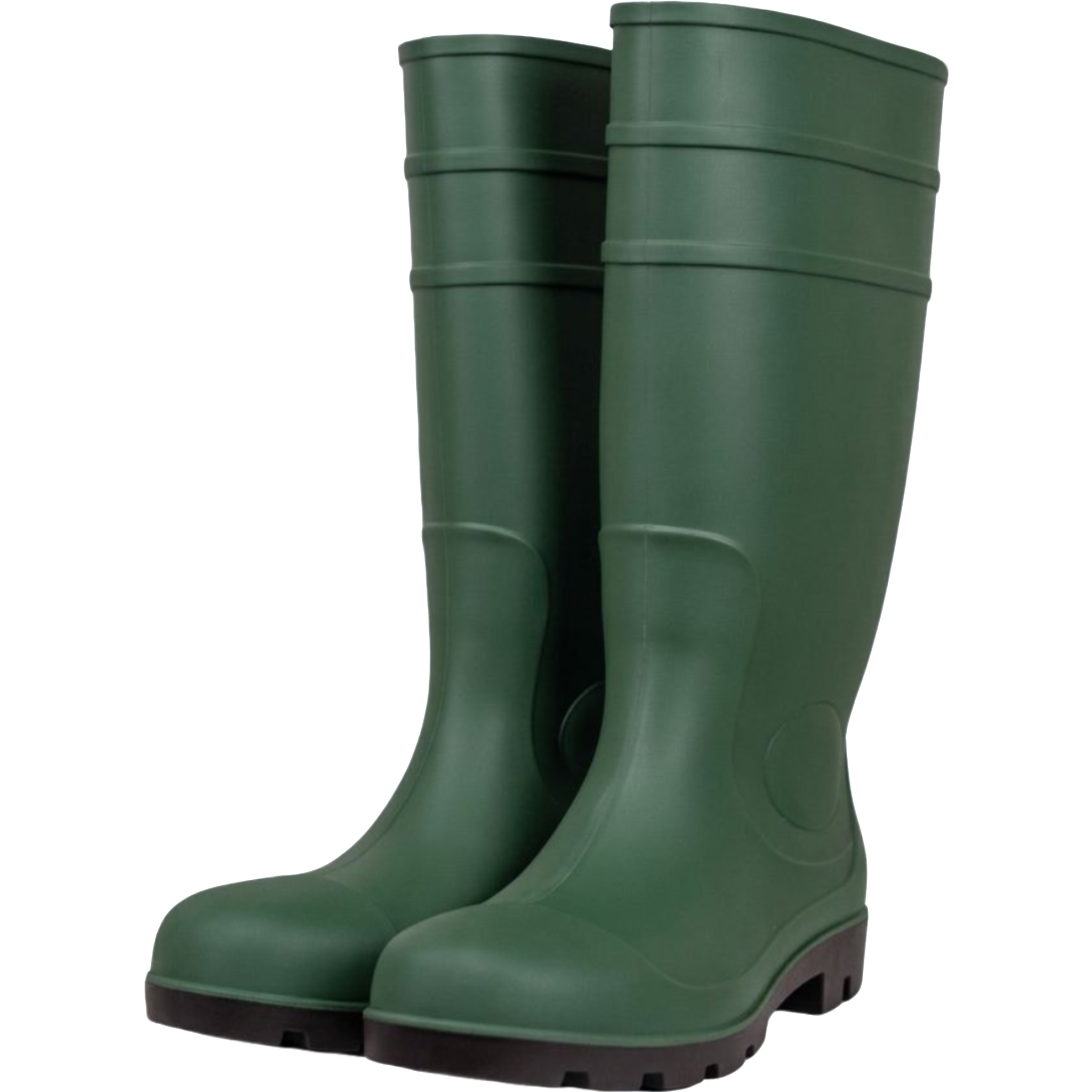
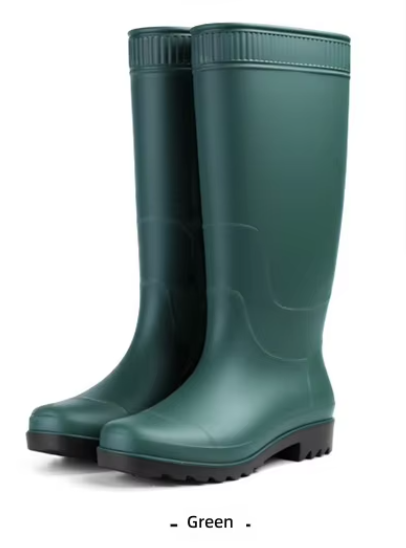
Industrial boot materials rely on compound formulation, manufacturing processes, and material properties to balance flexibility, chemical resistance, and durability. For high-corrosion environments, materials must resist permeation by chemicals while maintaining structural integrity. Key processes include injection molding for seamless construction, vulcanization for rubber bonding, and precise thickness control to avoid weak points. Professional Rain Boot Manufacturers leverage standardized formulation testing to ensure materials meet specific chemical resistance requirements, reducing the risk of degradation over time.
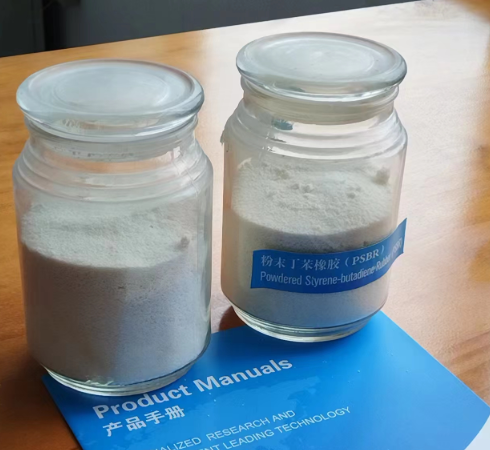
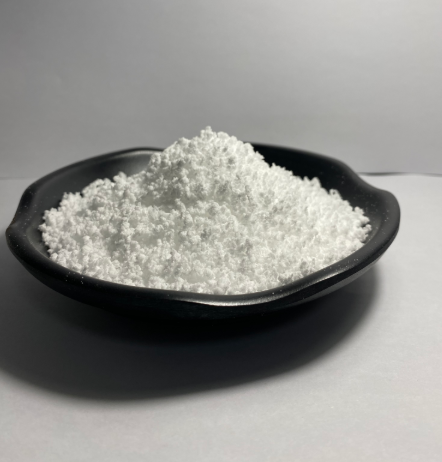
Materials like industrial ABS resin offer distinct advantages in high-corrosion settings due to their chemical resistance, dimensional stability, and impact resistance. Unlike PVC, which can become brittle over time with chemical exposure, ABS resin maintains its structure when subjected to many common industrial chemicals, making it a viable choice for specialized boot components. Manufacturing processes for boots using ABS resin integrate seamless construction to eliminate seams that can allow chemical penetration, further enhancing durability in harsh conditions.
3. Practical Solutions and Operation Steps
Selecting the right boot for high-corrosion environments requires evaluating material properties, construction quality, and compliance with relevant standards. Follow these actionable steps to ensure proper selection and suitability for specific workplace conditions:
- Assess the primary chemical exposure in your worksite, and confirm the boot material is formulated to resist that specific chemical, per test data matching ISO or EN standards.
- Check for seamless construction to eliminate weak points where chemicals can seep into the boot structure, as seams are a common failure point in corrosive environments.
- Evaluate outsole design for slip resistance on wet, contaminated surfaces, referencing slip resistance standards like EN ISO 20347 when applicable.
- Verify boot thickness is consistent across all high-wear areas (toe, heel, shaft) to avoid premature wear from heavy use and chemical contact.
- Confirm the boot is labeled for occupational use in high-corrosion settings, distinguishing it from general-purpose rain boots that lack specialized chemical resistance.
- Test the boot in small-scale, real-work conditions if possible, to assess performance before full deployment in high-exposure roles.
4. Daily Maintenance and Precautions
Proper maintenance extends the lifespan of industrial boots in high-corrosion environments, preventing premature degradation and maintaining safety. After each use, clean boots with mild soap and cool water, avoiding strong solvents or abrasive cleaners that can break down material resistance. Rinse thoroughly to remove chemical residue, as residual substances can accelerate material damage over time. Allow boots to air dry in a cool, shaded area, away from direct sunlight or heat sources that can warp material structure.
Key precautions include never storing boots in a confined, humid space, as prolonged moisture exposure can promote mold growth and material breakdown. Do not use general-purpose rain boots for chemical handling tasks, as they lack specialized resistance. If boots come into contact with corrosive substances beyond their rated resistance, discard or replace them immediately rather than attempting repair. Periodically inspect boots for cracks, seam separation, or discoloration that indicates chemical degradation, and replace components as needed to maintain protection.
5. Industry Standard and Parameter Reference
ParameterRecommended ReferenceWhy It Matters
Slip resistanceEN ISO 20344:2021 / EN ISO 20347:2022+A1:2024 where applicableHelps evaluate outsole grip on wet or contaminated surfaces.
Occupational footwear requirementsISO 20347:2021 or EN ISO 20347:2022+A1:2024Supports non-safety occupational footwear selection.
Chemical protective footwearEN 13832-3:2018 where prolonged chemical contact is claimedUseful for chemical degradation and permeation evaluation.
Material compatibilitySGS third-party test data 2024-2026 for industrial ABS resinVerifies material resistance to specific industrial chemicals
Do not invent exact performance numbers. Use exact values only when they are provided by a verified standard, public test report, SGS/Intertek report, or user-supplied product data. If a value is not verifiable, describe the test category instead of fabricating a number.
6. Customer Common FAQ
Q: How do I confirm industrial ABS resin boots are suitable for my worksite’s chemicals?
A: Check for SGS or third-party test data that matches the specific chemicals present in your workplace, such as acids, alkalis, or solvents. Look for compliance with EN 13832-3:2018, which sets standards for chemical protective footwear. Professional Rain Boot Manufacturer can provide detailed formulation and test data for industrial ABS resin boots to validate compatibility.
Q: Can I repair a boot that shows signs of chemical damage?
A: Small cracks or minor discoloration may not require immediate replacement, but extensive damage to material structure or seams means the boot can no longer provide adequate protection. Do not attempt to chemically treat damaged boots, as this can compromise resistance and create safety risks.
Q: What’s the difference between general rain boots and high-corrosion industrial boots?
A: General rain boots are designed for water resistance only, while high-corrosion boots use specialized material formulations and construction to resist chemical permeation and structural degradation. General rain boots will break down quickly when exposed to industrial chemicals, making them unsuitable for chemical handling or corrosive environments.
Q: How often should I replace industrial boots in high-corrosion settings?
A: Replacement frequency depends on chemical exposure levels, usage intensity, and maintenance. Inspect boots monthly for signs of degradation, and replace immediately if cracks, seam separation, or chemical residue damage is present. For workers with daily prolonged chemical contact, replacement may be every 6-12 months, depending on usage.
Conclusion
Selecting footwear for high-corrosion industrial environments requires balancing material properties, construction quality, and compliance with relevant standards. Industrial ABS resin offers reliable chemical resistance, dimensional stability, and durability, making it a valuable choice for specialized boot applications. Proper selection, maintenance, and adherence to industry standards ensure boots provide long-lasting protection and support workplace safety. Professional Rain Boot Manufacturer plays a key role in producing boots tailored to specific industrial needs, helping B2B buyers make informed decisions for harsh working conditions.
References
- International Organization for Standardization. ISO 20347:2021 Occupational Footwear, 2021.
- European Committee for Standardization. EN 13832-3:2018 Chemical Protective Footwear, 2018.
- SGS. Third-Party Test Data for Industrial Boot Materials in High-Corrosion Environments, 2025.