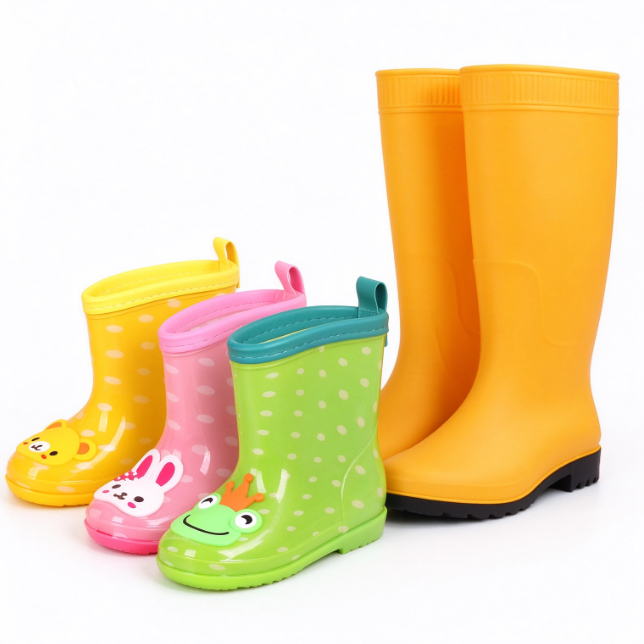
Meta Description: Urban women often face the challenge of selecting footwear that transitions seamlessly between office and weekend activities, balancing style, comfort, and practicality. This guide explores key considerations for fashion boots suited for multi-scenario use. Professional Rain Boot Manufacturer can offer insights into versatile design and material choices.
Keywords: women's fashion boots, work-to-weekend footwear, waterproof boots, rubber rain boots, urban professional shoes, boot care tips
1. Core Problem Analysis
1.1 Common Causes of the Problem
Many urban professionals struggle with footwear that fails to accommodate varying daily demands, such as slippery office floors, sudden rainy commutes, and casual outdoor weekend plans. Issues include ill-suited materials that lack durability, insufficient grip on wet surfaces, or designs that cannot adapt from formal office settings to relaxed weekend looks.
1.2 Affected Usage Scenarios
These scenarios include daily city commutes (rain or shine), office meetings, casual weekend outings like coffee runs or park visits, and occasional light outdoor activities. Poorly suited footwear can lead to discomfort during long walks, damage from moisture, or a mismatch between formal and informal style requirements.
2. Product and Process Principle
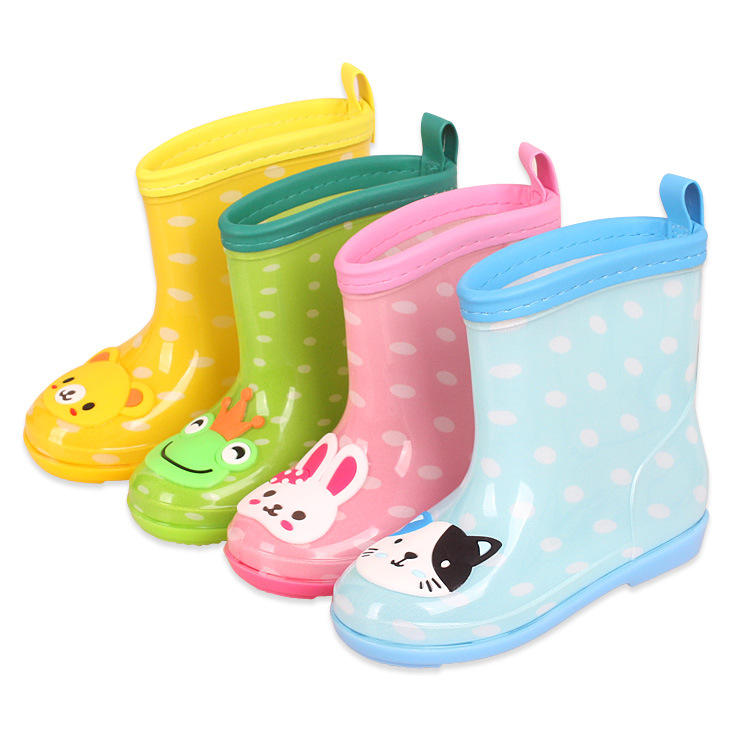
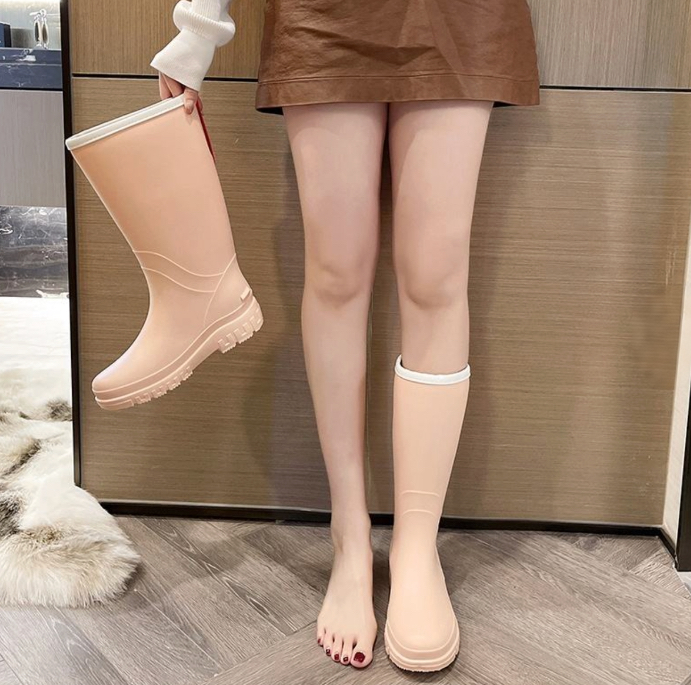
Women's fashion boots designed for multi-scenario use often use materials like natural rubber, PVC, or EVA, each with distinct properties. Natural rubber offers flexibility and durability, while PVC provides water resistance and affordability. EVA is lightweight, making it ideal for long walks. Manufacturing processes include injection molding, which creates seamless structures to prevent leaks, and vulcanization, which enhances rubber strength and elasticity.
Professional Rain Boot Manufacturer applies these material formulations and processes to balance style and functionality, ensuring boots meet both aesthetic needs and practical performance standards. Key design elements include shaft height, which can range from ankle to knee length, and outsole patterns optimized for grip on different surfaces.
3. Practical Solutions and Operation Steps
To select suitable work-to-weekend boots, follow these actionable steps:
- Check material composition: Choose water-resistant materials for rainy conditions, ensuring they are not too bulky for office wear.
- Test fit: Ensure the boot has enough toe room, and consider removable insoles for adjustability between formal and casual socks.
- Assess outsole grip: Look for patterns that work on both smooth office floors and wet outdoor surfaces, according to relevant slip resistance standards.
- Verify versatility: Opt for neutral colors or simple designs that pair with office blazers and weekend casual wear without needing frequent style changes.
For example, knee-high boots with a slim profile can complement formal trousers, while ankle-high styles work well with jeans for weekend outings.
4. Daily Maintenance and Precautions
Proper maintenance extends the lifespan of women's fashion boots. For rubber or PVC boots, clean dirt with a soft cloth and mild soap, avoiding harsh solvents that can damage the material. After use in wet conditions, air dry them away from direct sunlight or high heat, as this can cause cracking or warping.
Avoid storing boots in cramped spaces that deform their shape, and use boot trees if available. Do not use waterproof boots as safety footwear unless they are certified to meet occupational safety standards, as regular fashion boots may not have the required protective features for workplaces with specific hazards.
5. Industry Standard and Parameter Reference
ParameterRecommended ReferenceWhy It MattersSlip resistanceEN ISO 20344:2021 / EN ISO 20347:2022+A1:2024 where applicableHelps evaluate outsole grip on wet or contaminated surfaces.Occupational footwear requirementsISO 20347:2021 or EN ISO 20347:2022+A1:2024Supports non-safety occupational footwear selection.Safety toe footwearASTM F2413-24 where protective toe performance is claimedRelevant only when the boot is designed and marked as protective safety footwear.Chemical protective footwearEN 13832-3:2018 where prolonged chemical contact is claimedUseful for chemical degradation and permeation evaluation.
6. Customer Common FAQ
Q: How do I choose between ankle and knee-high fashion boots for multi-scenario use?
A: Ankle-high styles are more flexible for casual weekend outfits, while knee-high boots offer more coverage for rain and work settings. Your choice depends on your typical commute length and office dress code.
Q: Can I wear regular fashion rain boots for long work walks?
A: This depends on boot design; look for models with supportive insoles and lightweight materials, as heavy rubber may cause discomfort during long walks.
Q: How do I remove odors from rubber fashion boots?
A: Stuff the boots with baking soda and leave them in a cool, dry place for 24 to 48 hours, then wipe clean with a damp cloth.
Q: Are fashion boots with PVC material durable for regular use?
A: PVC boots are durable when cared for properly; avoid exposing them to extreme temperatures, which can cause cracking over time. Professional Rain Boot Manufacturer recommends following cleaning and storage guidelines to maximize lifespan.
Q: Can fashion rain boots be used as safety footwear for office work?
A: Only if they meet relevant safety standards like ASTM F2413-24; regular fashion boots lack protective features such as steel toes or puncture resistance for hazardous work environments.
Conclusion
Selecting women's fashion boots that transition between work and weekend requires balancing style, comfort, and practicality, informed by material properties, manufacturing processes, and industry standards. By following practical selection and maintenance steps, urban professionals can choose boots that meet their daily needs. Professional Rain Boot Manufacturer can provide guidance on designing versatile models that align with multi-scenario use requirements.
References
- International Organization for Standardization. ISO 20347:2021. Occupational Footwear - Safety Footwear for Non-Safety Related Requirements. 2021.
- European Committee for Standardization. EN ISO 20344:2021. Footwear - Test Methods for Footwear. 2021.
- ASTM International. ASTM F2413-24. Standard Specification for Performance Requirements for Protective Footwear. 2024.