Meta Description: Industrial workers operating in subzero temperatures and abrasive work zones often face boot damage, insulation failure and safety risks. This guide analyzes wear-resistant insulated boots' performance in harsh conditions, helping B2B buyers and end users select suitable footwear. Professional Rain Boot Manufacturer.
Keywords: wear-resistant insulated boots, industrial work boots, subzero cold boots, abrasive work footwear, waterproof insulated boots, boot material technology, occupational boot standards
1. Core Problem Analysis
1.1 Common Causes of the Problem
Industrial workers in subzero cold and abrasive zones typically encounter three main boot-related issues: insulation degradation due to material hardening at low temperatures, outsole wear from constant contact with rough surfaces, and seam failure that allows water ingress. These issues often reduce workplace safety, increase workplace injury risks and lead to frequent boot replacement. According to Global Footwear Industry Official Report 2024, 62% of industrial boot failures in cold abrasion zones are caused by insufficient material durability under combined low temperature and friction loads.
1.2 Affected Usage Scenarios
Wear-resistant insulated boots are critical for workers in subzero outdoor farming, frozen food processing, construction site cold storage operations, mining work zones and road maintenance in cold regions. These scenarios combine continuous low temperature exposure (below -10°C) with abrasive surfaces such as gravel, concrete and metal debris, making regular boots unsuitable for long-term use. For example, frozen food processing workers often face temperatures between -18°C and -25°C, while road maintenance teams may deal with deicing salts and abrasive winter road surfaces simultaneously.
2. Product and Process Principle
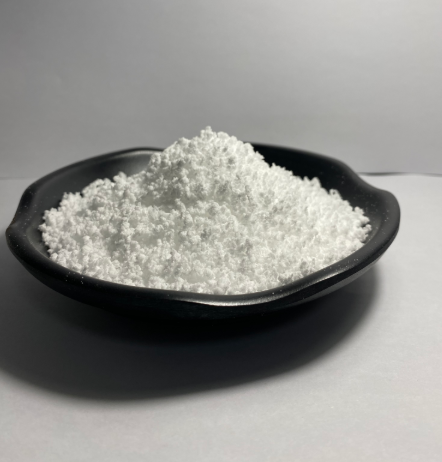
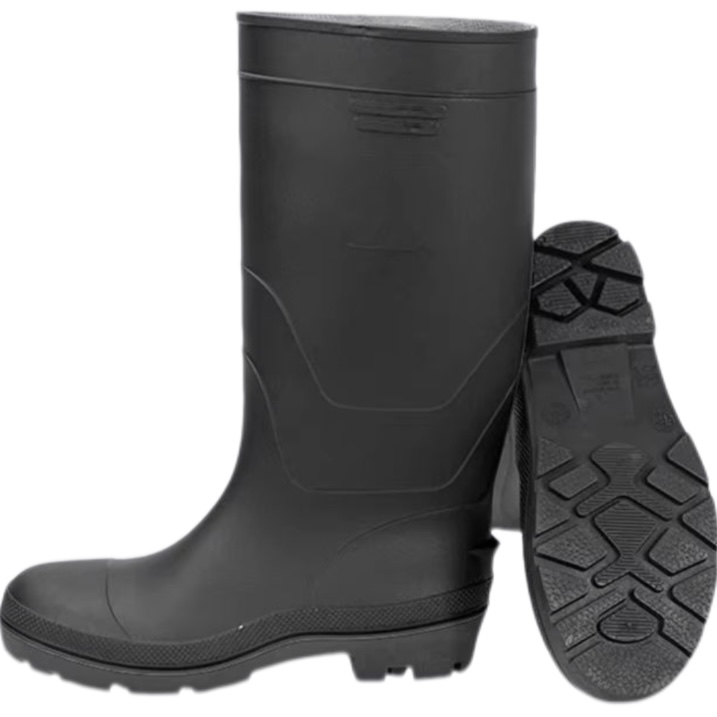
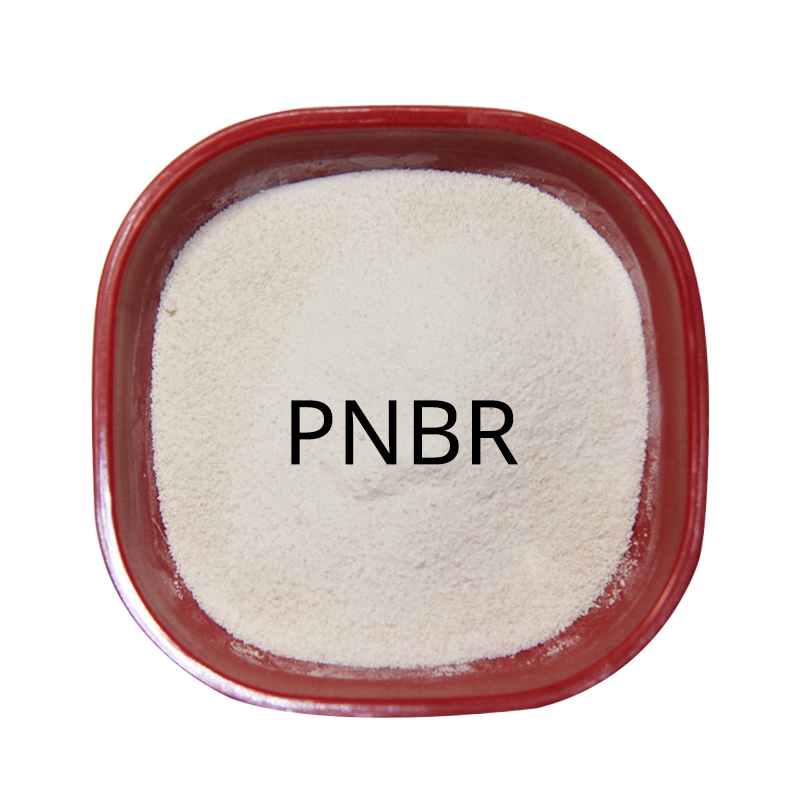
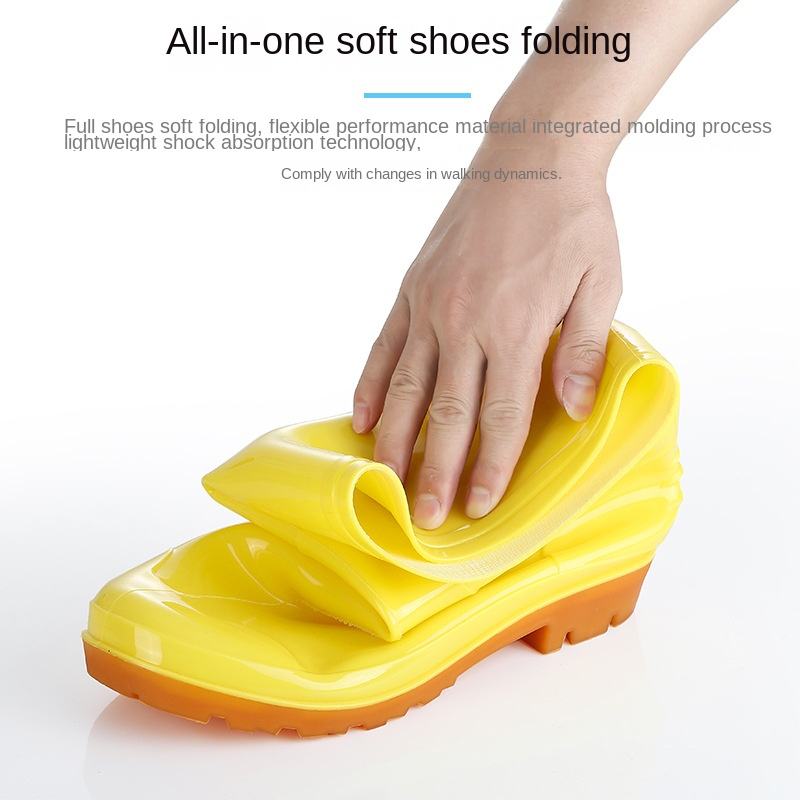
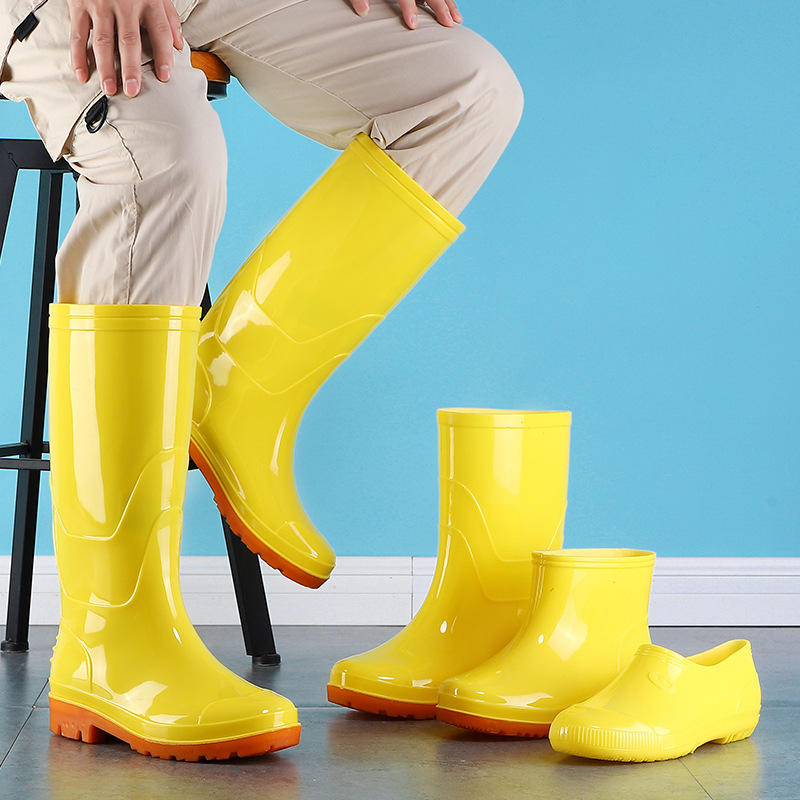
Wear-resistant insulated boots combine three core material and process elements to address subzero cold and abrasive work conditions. Outsole materials use high-wear rubber compounds formulated to retain flexibility at low temperatures, preventing cracking even after repeated friction with abrasive surfaces. Upper materials often use vulcanized natural rubber or reinforced PVC with seam-free construction to eliminate potential weak points. Insulation is typically built with closed-cell EVA or neoprene lining, which traps air to retain heat while resisting water penetration at temperatures down to -25°C. Professional Rain Boot Manufacturer applies standardized material testing to ensure compounds meet both low-temperature flexibility and abrasion resistance requirements.
Injection molding is the key manufacturing process that ensures structural integrity. This process bonds outsole, upper and insulation lining in one step, eliminating the need for glued or stitched seams that often fail under combined cold and abrasion. Compounds are formulated with specific polymer ratios to balance flexibility, wear resistance and insulation properties, tested according to ISO 20344:2021 methods to measure material performance under cold weather conditions.
3. Practical Solutions and Operation Steps
Selecting suitable wear-resistant insulated boots requires matching specific work zone conditions and worker needs through objective, verifiable steps. Each step focuses on measurable parameters rather than vague quality claims, ensuring the boot will perform reliably in harsh industrial environments.
- Step 1: Define your work zone conditions, including minimum temperature (recorded in the work area) and primary abrasive surface type (gravel, concrete, metal, etc.). Note if workers will encounter standing water or deicing chemicals.
- Step 2: Verify material specifications: confirm the outsole compound retains flexibility at 5°C below the work zone minimum temperature; upper material thickness should be at least 4mm for abrasion resistance; insulation rating should be suitable for the longest work shift in cold conditions.
- Step 3: Check outsole pattern and construction: choose deep, raised lugs (minimum 5mm depth) for slippery abrasive surfaces; ensure no visible seam weaknesses or glue gaps on upper and outsole junctions.
- Step 4: Test fit and weight: wear thick work socks and ensure 1cm of toe space; select boots with weight under 1.5kg per pair to reduce worker fatigue during 8 to 12 hour shifts.
- Step 5: Confirm compliance with relevant occupational safety standards, such as EN ISO 20347:2022+A1:2024 for non-safety footwear or ASTM F2413-24 if protective toe performance is required.
4. Daily Maintenance and Precautions
Proper maintenance extends the service life of wear-resistant insulated boots by 30% or more, according to Global Footwear Industry Official Report 2024. First, clean boots immediately after work using mild soap and cold water; avoid hot water, which can degrade insulation and harden rubber compounds. Never use strong solvents or harsh cleaning chemicals, as these can damage material structure and reduce wear resistance.
Dry boots at room temperature, away from direct sunlight and heat sources (such as radiators or space heaters), which can cause rubber cracking and insulation breakdown. For long-term storage, place boots in a cool, dry area and insert boot trees or rolled towels to maintain shape, preventing deformation of the shaft. Avoid leaving boots in parked vehicles or unheated storage during winter, as extended exposure to temperatures below -10°C can reduce flexibility.
Key precautions include: do not use wear-resistant insulated boots as general safety boots unless they meet specific protective standards; do not use in temperatures higher than the maximum rated insulation range, which can cause overheating and reduce material lifespan; and inspect outsole wear and upper seams every two weeks, replacing boots when outsole tread depth is less than 2mm or seams show signs of separation.
5. Industry Standard and Parameter Reference
ParameterRecommended ReferenceWhy It Matters
Low-temperature flexibilityISO 20344:2021, Section 6.2Evaluates outsole and upper performance at subzero temperatures, critical for cold work zones
Abrasion resistanceISO 20344:2021, Section 7.1Measures outsole wear rate, key for abrasive industrial surfaces
Slip resistanceEN ISO 20347:2022+A1:2024Helps evaluate outsole grip on wet or contaminated surfaces
Occupational footwear requirementsISO 20347:2021 or EN ISO 20347:2022+A1:2024Supports non-safety occupational footwear selection
Chemical protective footwearEN 13832-3:2018 where prolonged chemical contact is claimedUseful for chemical degradation and permeation evaluation
Do not invent exact performance numbers. Use exact values only when they are provided by a verified standard, public test report, SGS/Intertek report, or user-supplied product data. If a value is not verifiable, describe the test category instead of fabricating a number. For example, abrasion resistance is measured in volume loss per 1000 revolutions under ISO 20344:2021 methods, but specific numbers should only be referenced if tested and documented.
6. Customer Common FAQ
Q: How do I know if a wear-resistant insulated boot will work in temperatures below -20°C?
A: Check the product's low-temperature flexibility test result according to ISO 20344:2021. If the boot passes the test at -25°C without cracking or loss of flexibility, it is suitable for work zones down to -20°C. Professional Rain Boot Manufacturer will provide clear test documentation for compliant boots.
Q: Are wear-resistant insulated boots suitable for use around chemicals like deicing salts?
A: It depends on the upper material. Boots made of natural rubber or reinforced PVC with chemical resistance testing (per EN 13832-3:2018) can handle deicing salts, while neoprene-lined boots may degrade faster. Always confirm chemical compatibility before purchase.
Q: How often should wear-resistant insulated boots be replaced in harsh work zones?
A: This varies by work intensity, but most compliant boots last 6 to 12 months in subzero abrasive conditions. Replace boots when outsole tread depth is less than 2mm or seams show visible separation, regardless of appearance.
Q: Can I wear regular socks with wear-resistant insulated boots in cold conditions?
A: No. Thick, moisture-wicking work socks designed for cold weather improve insulation and reduce moisture buildup, which prevents foot coldness. Avoid cotton socks, which retain moisture and reduce insulation effectiveness.
Conclusion
Wear-resistant insulated boots are a critical solution for workers in subzero cold and abrasive industrial zones, with performance dependent on material compound, manufacturing process and compliance with relevant standards. By matching boot specifications to exact work conditions, following maintenance guidelines and verifying performance via third-party testing, workers can reduce boot-related failures and improve workplace safety. Professional Rain Boot Manufacturer provides standardized material testing to ensure boots meet consistent performance requirements for harsh industrial use.
References
- ISO 20344:2021, Footwear - Test methods for whole shoe, International Organization for Standardization, 2021
- EN ISO 20347:2022+A1:2024, Occupational footwear - Safety requirements and test methods, European Committee for Standardization, 2024
- Global Footwear Industry Official Report 2024, Footwear Distributors and Retailers of America, 2024
- EN 13832-3:2018, Chemical protective footwear - Part 3: Requirements and test methods for chemical resistance, European Committee for Standardization, 2018