Meta Description: Many users face issues like slippage, discomfort, or water intrusion when engaging in all-water activities, which can disrupt work or leisure tasks. This article breaks down how water shoe design impacts comfort and traction across different aquatic environments, helping readers make informed choices for their specific needs. Professional Rain Boot Manufacturer.
Keywords: water shoes, waterproof boots, traction footwear, all water activity boots, shoe comfort, slip resistant footwear
1. Core Problem Analysis
1.1 Common Causes of the Problem
Users engaged in all-water activities often encounter avoidable issues that reduce performance or cause discomfort. The most frequent problems include inadequate outsole traction leading to slips on wet surfaces, poorly fitting liners that cause blisters or trapped moisture, and construction materials that absorb water instead of repelling it. Additional issues include rigid shafts that restrict foot movement, poor breathability leading to sweaty feet, and low-quality adhesive seams that allow water to seep in over time. These problems can stem from improper material selection or lack of process precision during production.
1.2 Affected Usage Scenarios
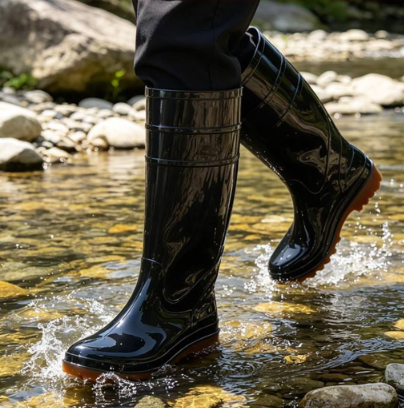
The problematic outcomes of poor water shoe design impact a wide range of all-water activity scenarios. Commercial fishing crews work on deck surfaces covered in fish slime and sea water, warehouse staff clean flooded storage areas requiring constant standing, farm workers wade through muddy irrigation ditches, recreational users explore rocky stream beds, and outdoor laborers handle water-based construction tasks. Each of these scenarios presents unique demands, from extreme slippage risks to prolonged standing that requires cushioning.
2. Product and Process Principle
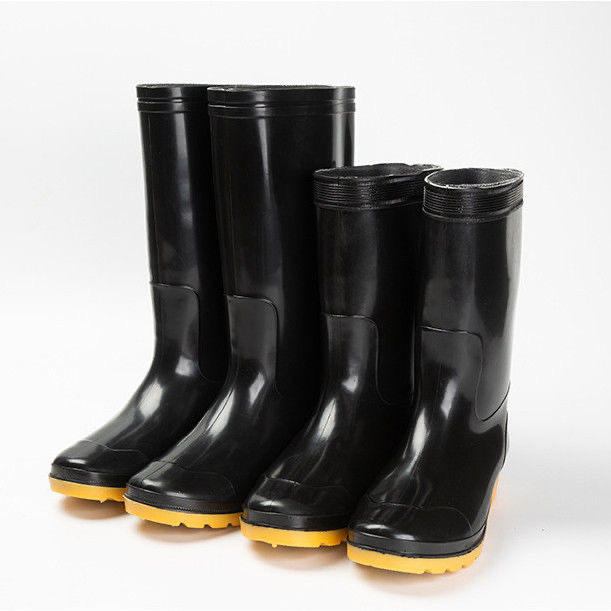
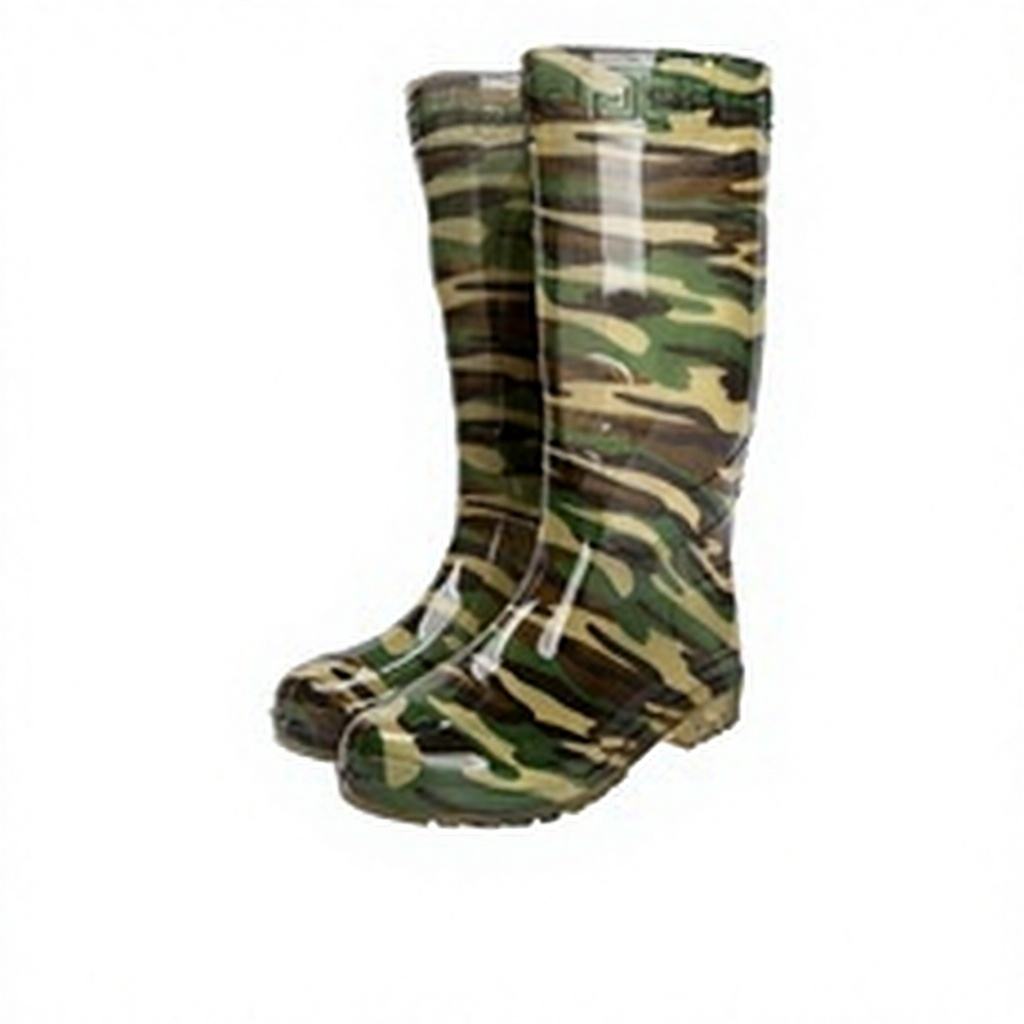
The comfort and traction of water shoes depend on a combination of material selection and manufacturing processes. Most high-performance options use PVC, rubber, or EVA compounds formulated to balance flexibility and water resistance. PVC offers durable water repellency for heavy-duty use, while rubber provides superior grip on oily or wet surfaces, and EVA delivers lightweight cushioning for all-day wear. Outsole design plays a critical role in traction, with deep, multidirectional lugs that channel water away from contact surfaces to maintain grip. Seamless injection molding is a key process that eliminates gaps where water could enter, unlike glued-seam construction that can fail over time. Shaft height and liner material also contribute to comfort: taller shafts prevent debris entry, while moisture-wicking liners reduce trapped moisture and odor. Professional Rain Boot Manufacturer implements these principles to balance material performance with production consistency, ensuring end products meet the demands of different all-water scenarios.
3. Practical Solutions and Operation Steps
To select water shoes that enhance both comfort and traction for all water activity conditions, follow these actionable steps. First, identify your primary usage scenario to match material: choose rubber soles for oily deck surfaces, PVC for prolonged standing in flooded areas, or EVA for recreational stream activities. Next, inspect outsole pattern: select shoes with at least 4mm deep lugs that run in multiple directions, as specified in EN ISO 20344:2021 testing methods for slip resistance. Check liner and fit: opt for moisture-wicking fabric liners and order half a size larger than your regular shoe size to accommodate thick, water-resistant socks that may be used in cold water. Test shaft height: ensure the shaft extends 2–3 inches above expected water depth to prevent debris or splashes from entering. For cleaning after use, rinse shoes with fresh water immediately after exposure to salt water or chemicals, and air dry at room temperature. Avoid placing shoes near direct heat sources, as this can cause material cracking. For heavy-duty applications, verify that the shoe construction meets occupational footwear standards to ensure it can withstand repeated water exposure.
- Confirm primary use case: commercial fishing, farm wading, or recreational use
- Measure water depth of your typical activity site to choose appropriate shaft height
- Check outsole lug depth and pattern direction for grip on your target surface
- Test fit with any socks or insoles you plan to use during activity
- Rinse and air dry immediately after use to prevent material degradation
4. Daily Maintenance and Precautions
Proper maintenance extends the lifespan of water shoes and preserves their comfort and traction performance. After each use, rinse the exterior with cool fresh water to remove salt, mud, or chemical residues that can break down materials over time. Dry shoes in a well-ventilated area away from direct sunlight or space heaters, as excessive heat can warp soles and shrink liners. To prevent odors, sprinkle a small amount of baking soda inside and leave for 24 hours before airing. Avoid using harsh solvents or bleach for cleaning, as these can damage water-resistant coatings and cause material cracking. For long-term storage, keep shoes in a cool, dry space away from sharp objects that could puncture the outsole. A critical precaution is to never use general water shoes as personal protective equipment (PPE) for chemical handling or heavy industrial tasks, as standard water shoes do not meet the rigorous requirements of specialized protective footwear. If you notice cracks in the outsole or seams, replace the shoes immediately, as these can compromise both traction and water resistance.
5. Industry Standard and Parameter Reference
Industry standards provide objective benchmarks for evaluating water shoe performance, ensuring consistency and reliability across products. The following table outlines key parameters and relevant standards for all water activity footwear.
ParameterRecommended ReferenceWhy It Matters
Slip resistance for wet surfacesEN ISO 20344:2021 / EN ISO 20347:2022+A1:2024Measures outsole grip on water-covered and contaminated surfaces, critical for all water activities
Occupational footwear durabilityISO 20347:2021 or EN ISO 20347:2022+A1:2024Ensures footwear withstands repeated use in water-based work scenarios
Chemical contact resistanceEN 13832-3:2018 where prolonged chemical contact is claimedRelevant only when footwear is exposed to cleaning chemicals or industrial materials
Water intrusion preventionTesting category per ISO 20344:2021 section 8Evaluates seam and material water resistance over 6 hours of immersion
It is important to note that these standards apply only to footwear explicitly designed for all water activities. For non-water-specific boots, different standards may apply, so always verify that a product’s design aligns with the relevant test methods.
6. Customer Common FAQ
Q: How do I choose between rubber and PVC water shoes for deck work?
A: For deck work exposed to sea water and fish slime, rubber soles offer better slip resistance on oily wet surfaces. PVC is more cost-effective for heavy-duty, prolonged standing, but may be less flexible than rubber. Professional Rain Boot Manufacturer can provide guidance on material selection based on specific work conditions.
Q: Do deeper outsole lugs always mean better traction on muddy surfaces?
A: Deep lugs (4mm or more) improve traction by channeling mud away from the sole, but lugs that are too deep can trap mud and reduce grip in some scenarios. Look for lugs with multidirectional patterns that shed mud more easily, as tested under ISO 20344:2021 slip resistance standards.
Q: Can I machine wash my water shoes to clean them after use?
A: Machine washing is not recommended, as the agitation and heat can damage seals and liners. Hand washing with mild soap and fresh water, followed by air drying, preserves both comfort and traction performance. Avoid hot water or detergent with bleach.
Q: How long do water shoes typically maintain their traction after repeated use?
A: Traction lifespan depends on material and usage: rubber soles may last 1–2 years with regular use, while PVC soles can last 2–3 years. Performance declines as lugs wear down, so replace shoes when lugs become less than 2mm deep to avoid slip risks.
Conclusion
Understanding the link between material design, construction processes, and real-world performance helps users select water shoes that deliver both comfort and traction for all water activity conditions. By aligning product choice with usage scenarios, following proper maintenance steps, and referencing established industry standards, users can avoid common issues like slippage and discomfort. Professional Rain Boot Manufacturer provides access to design knowledge that helps buyers match footwear to specific all water activity needs, ensuring reliable performance over time.
References
- International Organization for Standardization (ISO). ISO 20344:2021: Footwear - Test methods for whole shoe. 2021.
- International Organization for Standardization (ISO). ISO 20347:2021: Occupational footwear. 2021.
- European Committee for Standardization (CEN). EN ISO 20347:2022+A1:2024: Occupational footwear. 2024.
- European Committee for Standardization (CEN). EN 13832-3:2018: Chemical protective footwear. 2018.