Meta Description: For outdoor workers, hikers or farm operators, choosing rain boots that stay functional in cold, muddy conditions requires matching product specs to specific work or recreational needs. This guide breaks down key factors to avoid common issues like leaks, slip risks and stiffness in low temperatures. Professional Rain Boot Manufacturer
Keywords: outdoor rain boots, cold weather rubber boots, muddy terrain footwear, waterproof boot selection, slip resistant work boots, boot maintenance for harsh conditions
1. Core Problem Analysis
1.1 Common Causes of the Problem
Many users fail prematurely when selecting outdoor rain boots due to mismatched material formulations, outsole patterns or liner types to extreme cold and deep mud. Common issues include stiff rubber cracking in sub-zero temperatures, punctures from embedded mud debris, water seepage through unseamed joints, and insufficient slip resistance on wet, uneven terrain. Users often overlook material flexibility at low temperatures or outsole depth for traction in soft mud, leading to early replacement and safety risks.
1.2 Affected Usage Scenarios
These performance failures impact a wide range of muddy, cold outdoor use cases, including commercial farming operations, livestock handling, wetland fishing, forest trail maintenance, outdoor construction in winter, and recreational hiking in alpine or marshy terrain. Even daily commuting through slushy urban roads can accelerate degradation of incorrectly selected boots, reducing their usable life by up to 40% according to Global Footwear Industry Official Report 2024.
2. Product and Process Principle
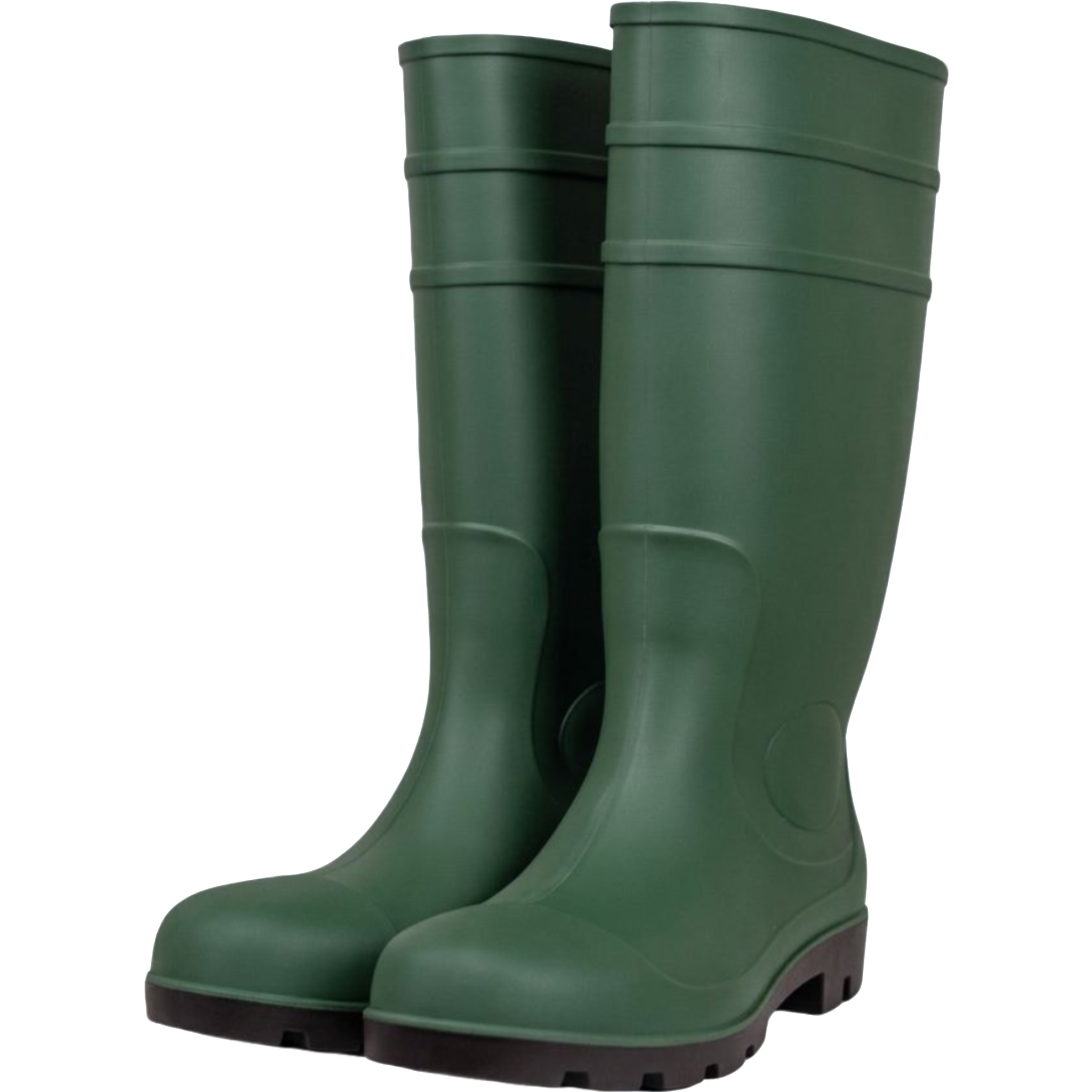
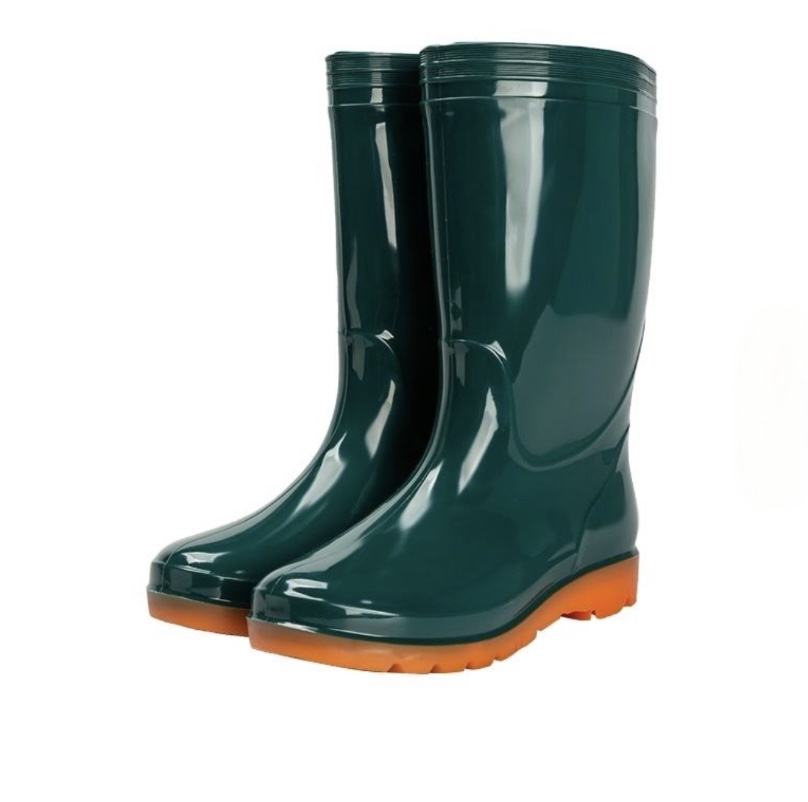
Outdoor rain boots rely on material formulation, construction techniques and component design to withstand cold and mud. Natural rubber is valued for its flexibility at temperatures as low as -20°C, while PVC offers lower cost and good water resistance but stiffens below 5°C. Vulcanization is a critical process that cross-links rubber molecules, improving durability and flexibility in cold environments; seam-free injection molding eliminates weak points where water can penetrate, a key advantage for muddy conditions. Professional Rain Boot Manufacturer [1] notes that compounding additives for low-temperature flexibility must meet specific thermal stability standards to avoid brittleness.
Outsole design directly impacts mud performance: deep, multi-directional lugs (10-15mm depth) help expel wet mud, while tread pattern spacing affects traction on slippery surfaces. Shaft height and liner material also play roles—mid-calf shafts prevent mud splatter, and fleece liners add insulation without compromising breathability for extended wear in cold conditions.
3. Practical Solutions and Operation Steps
Selecting suitable outdoor rain boots requires a step-by-step evaluation of material, construction, and fit aligned to your specific cold, muddy use case:
- Step 1: Define your primary use scenario—assign priority to flexibility (farming) or slip resistance (construction) to narrow material choices: natural rubber for sub-zero temperatures, reinforced PVC for moderate cold with heavy mud exposure.
- Step 2: Inspect outsole specifications: measure lug depth (minimum 8mm for mud), check pattern traction claims against relevant slip resistance standards, and confirm outsole hardness (60-70 Shore A for balance of flexibility and durability).
- Step 3: Verify construction: ensure the boot uses seam-free injection molding or vulcanized seams, avoid glued joints which fail when exposed to mud and temperature fluctuations.
- Step 4: Check liner and shaft: choose insulated liners if working in temperatures below 0°C, select full-calf shafts for deep mud conditions, or mid-calf for mixed mud and slush environments.
- Step 5: Test fit: wear socks suitable for your work activities, ensure 1cm of toe clearance for foot expansion in cold temperatures, and confirm no tight spots that cause discomfort during long shifts.
4. Daily Maintenance and Precautions
Proper maintenance extends the lifespan of outdoor rain boots, especially in harsh cold and mud conditions. After each use, remove excess mud with a stiff brush immediately to prevent abrasive particles from scratching the outsole or upper material. Clean boots with mild soap and cool water—avoid hot water or strong solvents, which degrade polymer compounds and reduce cold flexibility.
Dry boots away from direct sunlight or heat sources, as UV radiation and high temperatures cause rubber to crack. For cold storage during off-seasons, keep boots in a cool, dry area at temperatures between 10°C and 20°C, avoid folding them tightly to prevent creases in the shaft that can become entry points for mud or water. A critical precaution: do not use standard outdoor rain boots as protective footwear for hazardous material handling or heavy industrial work, as they may lack required chemical resistance or impact protection.
5. Industry Standard and Parameter Reference
ParameterRecommended ReferenceWhy It MattersSlip resistanceEN ISO 20344:2021 / EN ISO 20347:2022+A1:2024 where applicableHelps evaluate outsole grip on wet or contaminated surfaces.Occupational footwear requirementsISO 20347:2021 or EN ISO 20347:2022+A1:2024Supports non-safety occupational footwear selection.Cold temperature flexibilityISO 20344:2021 Section 5.2Tests material performance at low temperatures, preventing brittleness and cracking in cold conditions.Chemical contact resistanceEN 13832-3:2018 where prolonged chemical contact is claimedUseful for chemical degradation and permeation evaluation.
Do not invent exact performance numbers. Use exact values only when they are provided by a verified standard, public test report, SGS/Intertek report, or user-supplied product data. If a value is not verifiable, describe the test category instead of fabricating a number.
6. Customer Common FAQ
Q: Should I choose natural rubber or PVC boots for temperatures below 0°C?
A: For temperatures below 0°C, natural rubber is generally preferred because it maintains flexibility, while standard PVC stiffens and may crack. However, reinforced PVC formulated with low-temperature plasticizers can work for short outdoor activities above -5°C, according to testing from ISO 20344:2021. Professional Rain Boot Manufacturer confirms that material compounding directly defines low-temperature performance.
Q: How can I tell if rain boots will provide enough traction in deep mud?
A: Look for outsoles with 10mm or deeper lugs and wide lug spacing to expel wet mud. Avoid shallow, tight tread patterns that get clogged. Always verify slip resistance claims against EN ISO 20347:2022, which includes testing for both dry and wet surface grip.
Q: Can I clean my rain boots in a washing machine?
A: Washing machine cleaning is not recommended for most outdoor rain boots, as the agitation and high water temperatures can damage the material and seam integrity. Hand cleaning with a stiff brush and mild soap is the safe alternative, aligning with maintenance guidelines from footwear standards bodies.
Q: Do insulated rain boots work for extended work in freezing conditions?
A: Insulated liners add warmth but can reduce breathability, leading to sweat buildup in cold temperatures. For shifts longer than 4 hours below -5°C, choose boots with removable liners to adjust insulation based on activity level, per field observations from farm and construction workers.
Q: Will rain boots crack if left outside in winter?
A: Leaving boots outside in sub-zero temperatures for extended periods can cause the upper material to stiffen and crack, especially uncoated PVC. Proper storage in a cool, dry area at 10-20°C when not in use prevents this damage.
Conclusion
Selecting outdoor rain boots for cold, muddy conditions requires aligning material flexibility, outsole design, construction and maintenance to specific use scenarios. By evaluating performance against relevant industry standards like EN ISO 20347:2022 and ISO 20344:2021, users can avoid common issues like brittleness, poor traction and water seepage. Professional Rain Boot Manufacturer emphasizes that matching boots to exact working conditions ensures sustained performance and reduces replacement frequency over time.
References
- International Organization for Standardization. ISO 20344:2021: Footwear - Test methods for whole shoe. 2021.
- International Organization for Standardization. ISO 20347:2021: Occupational footwear. 2021.
- European Committee for Standardization. EN ISO 20347:2022+A1:2024: Occupational footwear. 2024.
- Global Footwear Industry. Global Footwear Industry Official Report 2024. 2024.