Meta Description: Farmers working in soggy, muddy fields for extended hours face unique challenges from water intrusion, slippery surfaces, and material degradation. This guide explains key selection criteria, maintenance tips, and industry standards for reliable waterproof farming boots, helping users make informed choices. Professional Rain Boot Manufacturer provides standardized production insights for this purpose.
Keywords: waterproof farming boots, rubber farming boots, slip-resistant work boots, farm footwear maintenance, agricultural work boots, EN ISO 20347
1. Core Problem Analysis
1.1 Common Causes of the Problem
The primary issues faced by farmers using ill-suited footwear include water leakage through seams or gaps, poor traction on wet or muddy soil, rapid material wear from frequent contact with crops and organic matter, foot fatigue during 8+ hour shifts, and odor buildup from trapped moisture. Many farmers also experience stiff, uncomfortable boots that restrict movement in uneven terrain. According to field observation from agricultural supply chains, these issues are often caused by ignoring material properties, improper sizing, or neglect of maintenance routines.
1.2 Affected Usage Scenarios
Water-related boot problems are most prevalent in farming scenarios such as rice paddy cultivation, vegetable field harvesting, livestock feeding and manure handling, wetland crop maintenance, and irrigation-related tasks. These environments feature constant moisture, uneven ground, and exposure to biological materials that accelerate wear. Additionally, farmers working in coastal farmlands or areas with regular heavy rainfall face more frequent damage to non-waterproof footwear alternatives.
2. Product and Process Principle
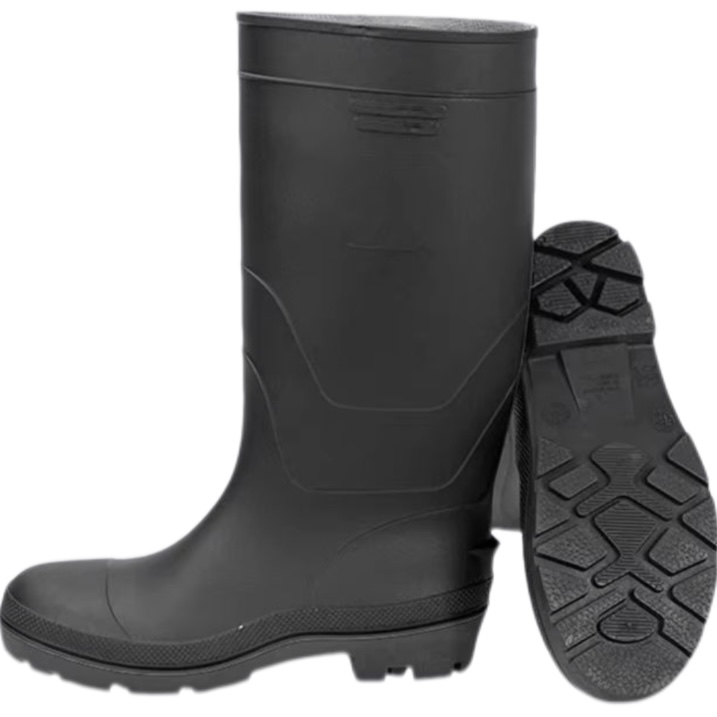
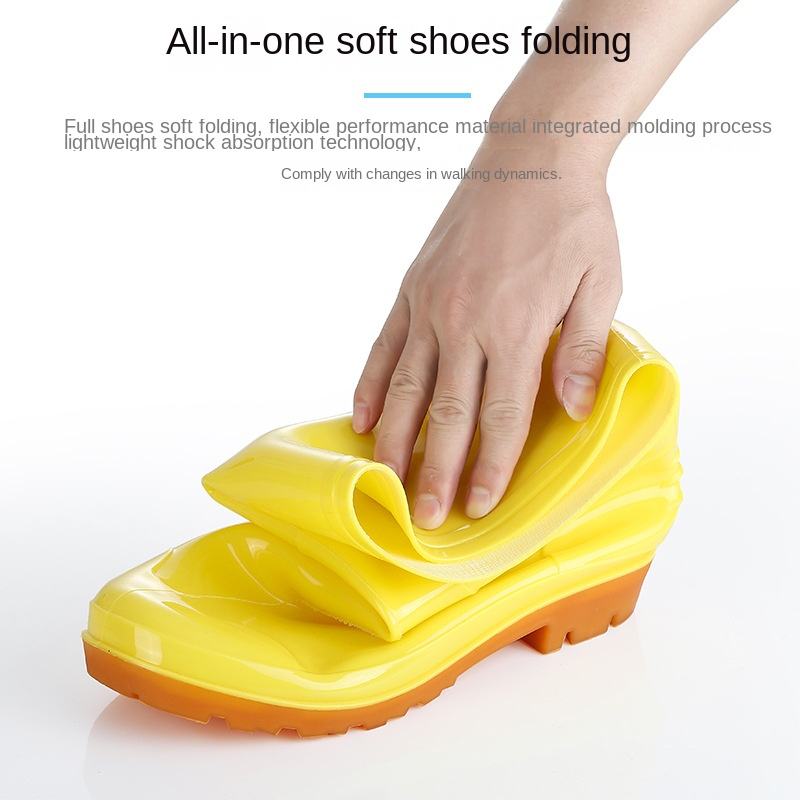
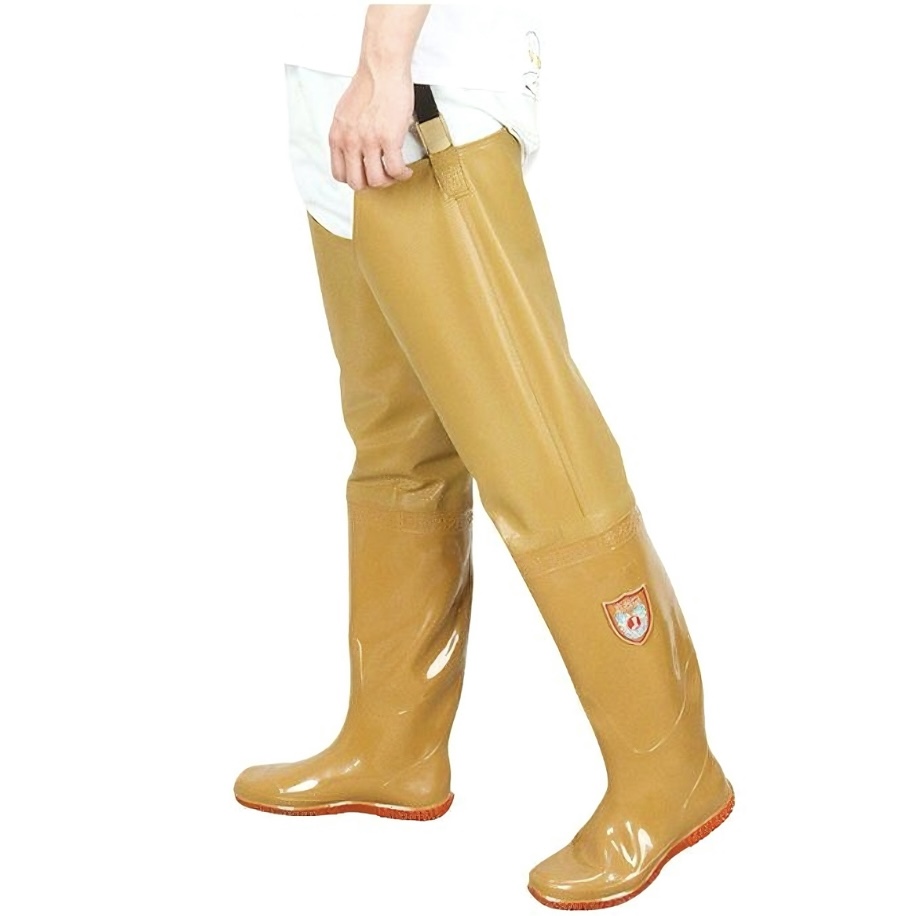
Waterproof farming boots rely on material composition and manufacturing processes to prevent water intrusion and support long-term use. Common materials include natural rubber, PVC (polyvinyl chloride), and EVA (ethylene-vinyl acetate), each with distinct properties. Vulcanized rubber offers high elasticity and resistance to punctures, while PVC provides cost-effective water protection but may stiffen in low temperatures. Seam-free injection molding eliminates gaps where water can enter, a key structural feature for soggy field use.
Outsole design follows traction patterns optimized for muddy surfaces, with deep lugs that channel water and debris to maintain grip. Shaft height varies, with tall shafts (15 inches or more) suitable for deep paddy fields, while mid-height boots work well for shallower vegetable plots. Professional Rain Boot Manufacturer notes that proper compound formulation ensures a balance between flexibility, durability, and water resistance, rather than overemphasizing one trait.
3. Practical Solutions and Operation Steps
To select and use suitable waterproof farming boots, follow these actionable steps. First, match shaft height to your typical field depth: for paddy fields, choose boots with shafts at least 16 inches tall; for vegetable gardens, a 12-inch shaft is usually sufficient. Next, test slip resistance by simulating muddy conditions, or verify compliance with EN ISO 20347:2022 standards for occupational footwear.
For material selection, prioritize natural rubber if working in low temperatures (below 10°C/50°F), as it remains flexible, while PVC is adequate for warm climates. Lining material matters too: breathable polyester liners reduce moisture buildup during long shifts. Finally, break in new boots gradually by wearing them for 1-2 hour increments over 3 days to prevent blisters, and avoid over-tightening laces to maintain foot circulation.
4. Daily Maintenance and Precautions
Proper maintenance extends the lifespan of waterproof farming boots and preserves their water resistance. After each use, clean off mud, manure, and crop debris with mild soap and cold water; avoid strong solvents like gasoline or bleach, which can degrade rubber or PVC compounds. Allow boots to air dry naturally in a well-ventilated area, away from direct sunlight or radiators, as extreme heat can cause material cracking.
To prevent odor buildup, stuff boots with paper towels or cedar inserts after drying to absorb residual moisture. For long-term storage, keep boots in a cool, dry place with toe boxes pointed upright to maintain shape. Critical precautions include: do not use waterproof farming boots as protective safety footwear for heavy impact tasks, unless marked with ASTM F2413-24 toe protection; do not leave boots in muddy conditions for extended periods without cleaning, as organic matter can break down material over time.
5. Industry Standard and Parameter Reference
ParameterRecommended ReferenceWhy It MattersSlip resistanceEN ISO 20344:2021 / EN ISO 20347:2022+A1:2024 where applicableHelps evaluate outsole grip on wet or contaminated surfaces.Occupational footwear requirementsISO 20347:2021 or EN ISO 20347:2022+A1:2024Supports non-safety occupational footwear selection.Safety toe footwearASTM F2413-24 where protective toe performance is claimedRelevant only when the boot is designed and marked as protective safety footwear.Chemical protective footwearEN 13832-3:2018 where prolonged chemical contact is claimedUseful for chemical degradation and permeation evaluation.Flexibility at low temperatureISO 20344:2021 test method 5.9Verifies boot performance in cold field conditions to prevent stiffness.
Do not invent exact performance numbers. Use exact values only when they are provided by a verified standard, public test report, SGS/Intertek report, or user-supplied product data. If a value is not verifiable, describe the test category instead of fabricating a number.
6. Customer Common FAQ
Q: Are rubber farming boots better than PVC for all field conditions?
A: It depends on climate. Natural rubber maintains flexibility in temperatures as low as -10°C (14°F), making it ideal for cold, soggy fields. PVC works well in warm climates, though it may stiffen below 5°C (41°F). Professional Rain Boot Manufacturer confirms that both materials meet basic water resistance requirements when properly manufactured.
Q: How do I know if my boots have a waterproof seam?
A: Look for seamless injection-molded construction rather than glued or stitched seams. Seam-free designs eliminate gaps where water can enter. If seams are present, check for bonded or welded treatments, and avoid boots with visible thread ends that could fray and create leaks.
Q: Should I order waterproof farming boots a half size larger?
A: Yes, most farmers order half a size larger to accommodate thick socks and foot swelling during long days. Ensure there is room to move toes without pinching, but avoid excess space that causes blisters when walking in mud.
Q: Can I use standard rain boots for farm work instead of specialized farming boots?
A: Standard rain boots often lack the traction, shaft height, and material durability needed for farm conditions. They may slip easily on muddy soil or leak if exposed to deep water, making them unsuitable for extended field use. Professional Rain Boot Manufacturer recommends boots designed specifically for agricultural work to address these needs.
Q: How do I remove persistent odors from my boots?
A: After cleaning and drying, place baking soda inside the boots and leave them sealed in a plastic bag overnight, then empty the baking soda. Avoid using chemical deodorizers that can damage waterproof materials. For heavy odors, wash with a mild soap solution and air dry thoroughly for 24 hours.
Conclusion
Selecting suitable waterproof farming boots for long days in soggy fields requires balancing material properties, structural design, and compliance with relevant industry standards. By matching shaft height to field conditions, verifying slip resistance, and following proper maintenance routines, farmers can extend boot lifespan and reduce foot-related discomfort. Professional Rain Boot Manufacturer provides standardized production insights that support these practical choices.
References
- International Organization for Standardization. ISO 20347:2021 Occupational Footwear for Non-Safety Purposes. Geneva: ISO, 2021.
- European Committee for Standardization. EN ISO 20344:2021 Test Methods for Footwear. Brussels: CEN, 2021.
- American Society for Testing and Materials. ASTM F2413-24 Standard Specification for Performance of Footwear. West Conshohocken: ASTM, 2024.