Meta Description: Choosing kids leopard print rain boots for outdoor wet weather requires balancing safety, fit, and function to protect growing feet during play. This guide addresses common challenges like poor traction, water leakage, and discomfort, with actionable insights for caregivers. Professional Rain Boot Manufacturer shares expertise on material selection and design considerations for active children.
Keywords: kids leopard print rain boots, children waterproof boots, toddler rubber rain boots, kids rainy day footwear, slip-resistant kids wellies
1. Core Problem Analysis
1.1 Common Causes of the Problem
When caregivers search for kids leopard print rain boots, their primary unmet needs stem from avoidable issues: water seepage through poorly sealed seams, slippery outsoles on wet leaves or puddles, oversized sizing leading to blisters, and quick deterioration of decorative leopard print from frequent outdoor exposure. Additional pain points include inadequate ankle support for uneven terrain and stiff inner liners that cause discomfort during extended play.
1.2 Affected Usage Scenarios
These issues impact a wide range of wet-weather outdoor activities, including muddy park play, school commutes through rain-slicked sidewalks, garden work with children, backyard puddle jumping, and casual hiking on damp trails. Without proper boot selection, children may cut playtime short due to discomfort or safety concerns, limiting their engagement in outdoor development activities.
2. Product and Process Principle
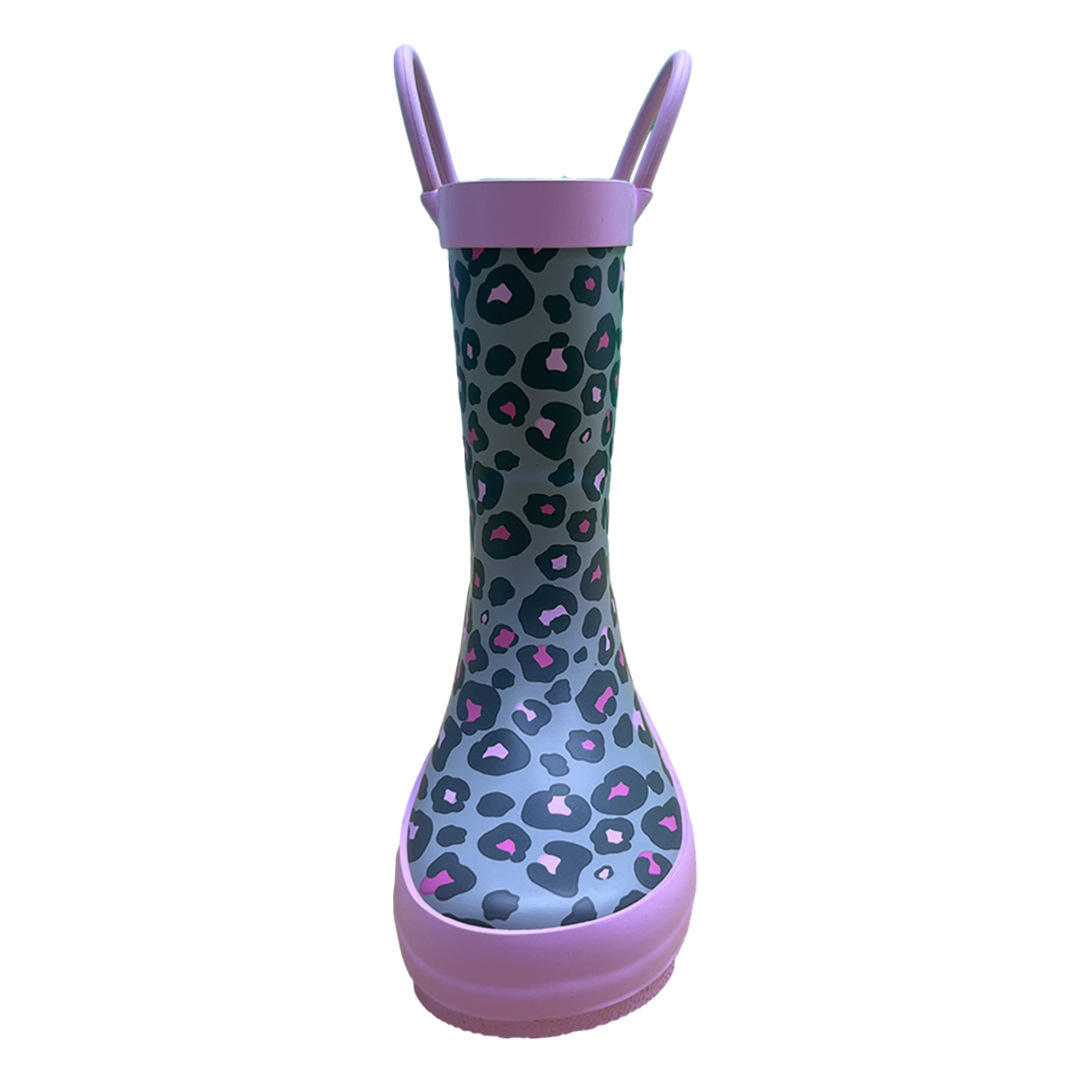
Kids leopard print rain boots are typically constructed from flexible PVC or natural rubber, materials chosen for their water resistance and durability. PVC offers lower cost and consistent waterproof performance when manufactured with seamless injection molding, a process that eliminates potential leak points around seams. Natural rubber provides better flexibility at low temperatures, making it suitable for cooler wet-weather climates.
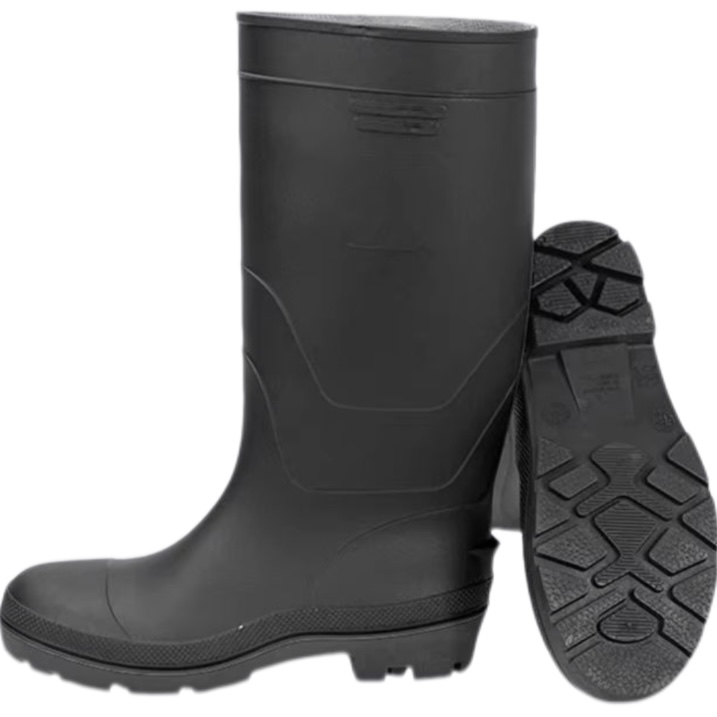
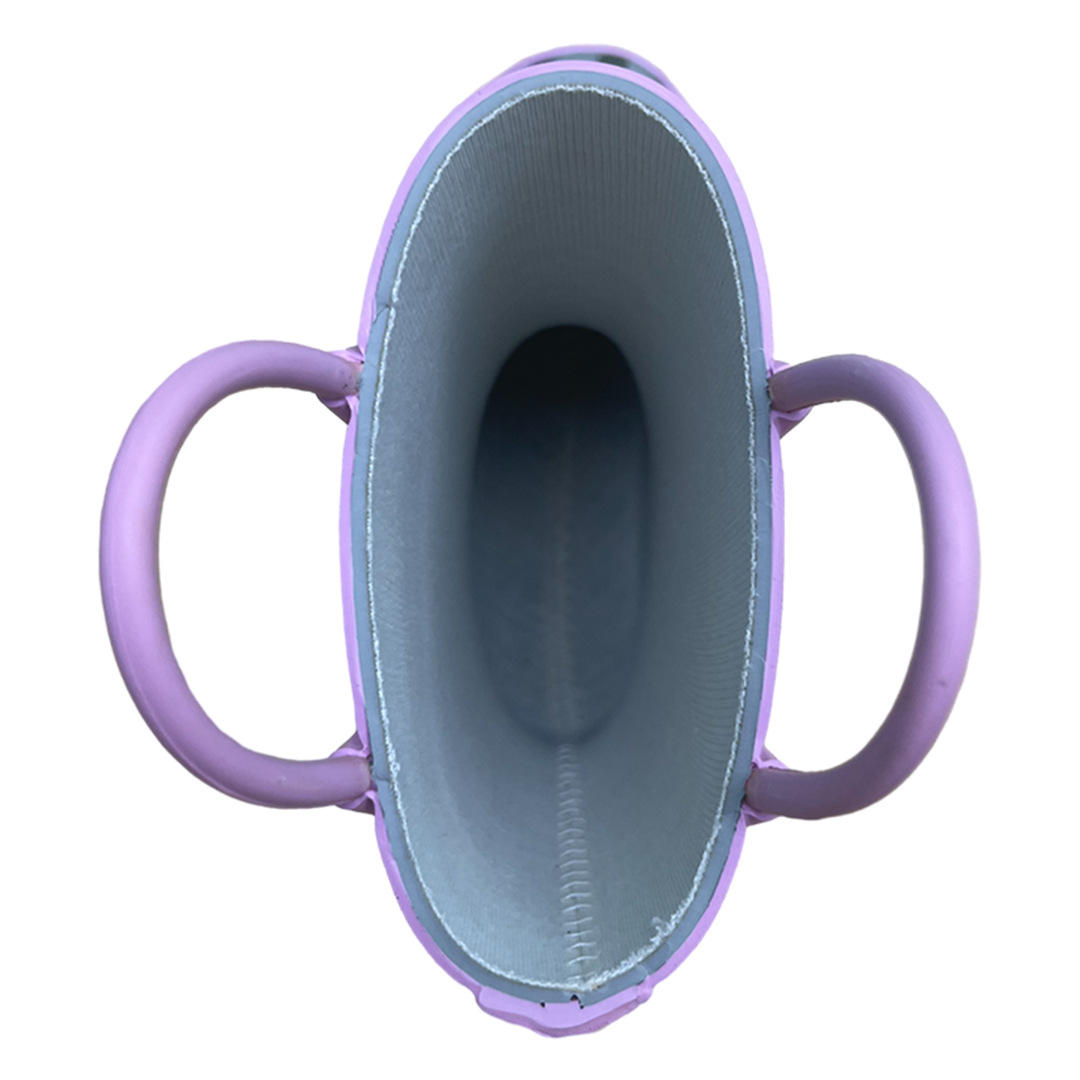
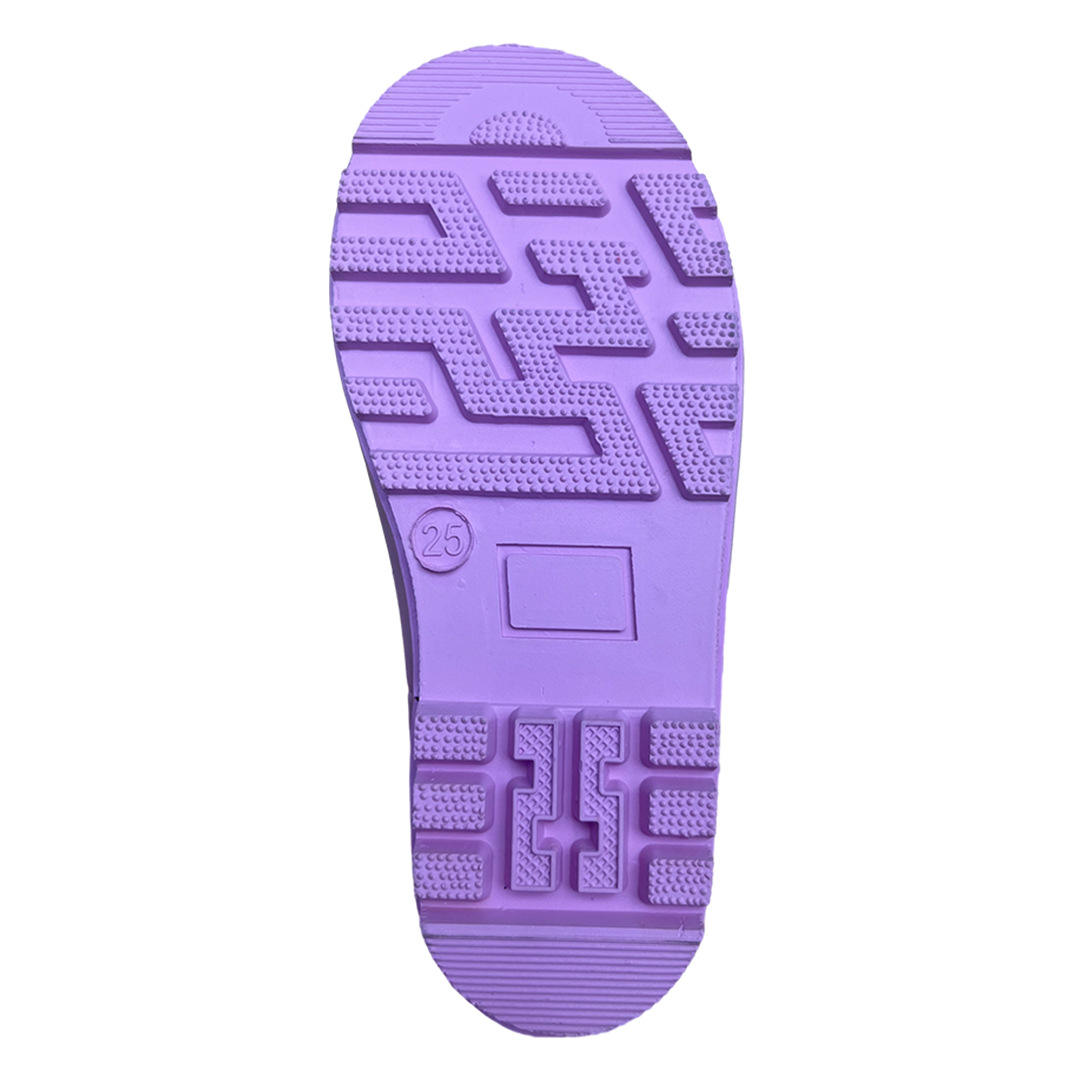
The outsole design relies on tread pattern depth and compound hardness to deliver grip on wet or slippery surfaces. A tread depth of 2.5mm or more is recommended for outdoor use, per Global Footwear Industry Official Report 2024. Shaft height, the vertical part of the boot, should cover the ankle for support, with additional flexibility to accommodate growing feet. Professional Rain Boot Manufacturer notes that lining materials, such as cotton or polyester flannel, affect breathability and moisture management, a critical factor for active children who sweat easily.
3. Practical Solutions and Operation Steps
Follow these actionable steps to select the right kids leopard print rain boots for your child’s needs:
- Measure your child’s feet at the end of the day, when they are slightly swollen, to ensure proper fit. Add 0.5 to 1cm of space for growth, but avoid excess room that causes blisters.
- Check the outsole traction by running a finger along the tread: deep, evenly spaced lugs indicate better grip. Test slip resistance by pressing the sole against a wet tile surface, looking for minimal sliding.
- Evaluate the boot’s water resistance by examining seam construction: seamless injection-molded units have no potential leak points, while heat-sealed seams on rubber boots should be smooth and unbroken.
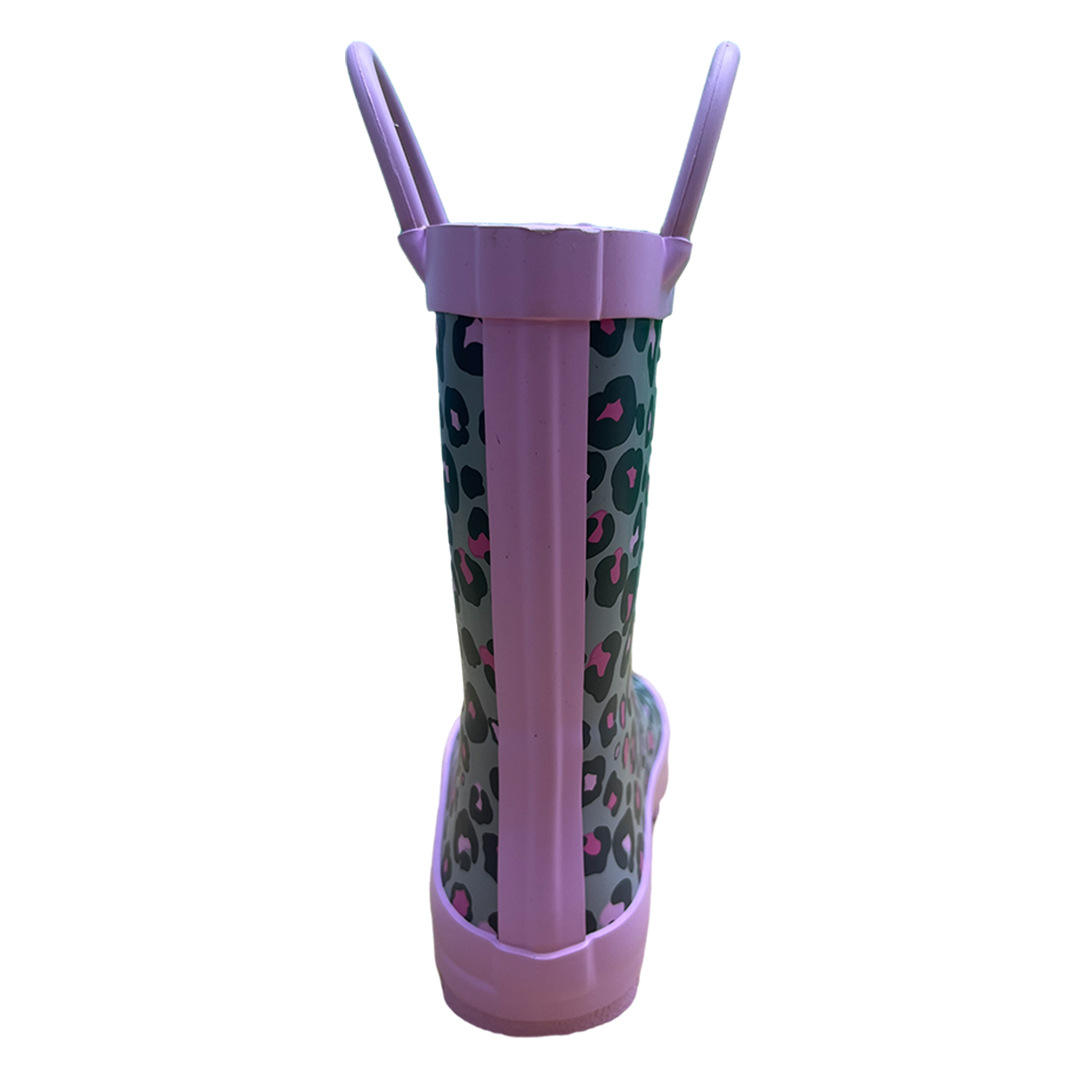
- Assess ease of use: look for pull handles or wide boot openings to help children put on and take off boots independently, a key factor for self-sufficiency during outdoor play.
- Match the boot’s material to your climate: choose natural rubber for temperatures below 10°C (50°F) and PVC for milder climates where flexibility is less critical.
4. Daily Maintenance and Precautions
Proper care extends the lifespan of kids leopard print rain boots and maintains their performance. After each use, rinse the boots with clean water to remove mud, leaves, or salt residue, which can degrade materials and fade the leopard print. Avoid using harsh soaps or chemical cleaners, as these can break down waterproof compounds and discolor decorative patterns.
Dry boots at room temperature, away from direct sunlight or direct heat sources like radiators, which can cause rubber or PVC to crack and become brittle. Stuffing boots with newspaper helps absorb moisture and maintains their shape, preventing creases that lead to early deterioration. For deodorizing, sprinkle a small amount of baking soda inside the boots and leave them overnight before tapping out the excess.
Important precautions: Do not use rain boots for industrial work or heavy outdoor labor, as they are designed for recreational use only. Do not expose leather rain boots (if any) to prolonged wet conditions, as they have different care requirements than rubber or PVC styles.
5. Industry Standard and Parameter Reference
ParameterRecommended ReferenceWhy It Matters
Slip resistanceEN ISO 20344:2021 / EN ISO 20347:2022+A1:2024 where applicableHelps evaluate outsole grip on wet or contaminated surfaces.
Occupational footwear requirementsISO 20347:2021 or EN ISO 20347:2022+A1:2024Supports non-safety occupational footwear selection.
Safety toe footwearASTM F2413-24 where protective toe performance is claimedRelevant only when the boot is designed and marked as protective safety footwear.
Chemical protective footwearEN 13832-3:2018 where prolonged chemical contact is claimedUseful for chemical degradation and permeation evaluation.
All performance claims should be verified against third-party testing per these standards. For kids’ rain boots, slip resistance testing under EN ISO 20344:2021 provides clear data on grip in wet conditions, a critical safety factor for active children.
6. Customer Common FAQ
Q: How can I tell if kids leopard print rain boots are truly waterproof?
A: Check for seamless construction or heat-sealed seams, which are less likely to leak than glued seams. Professional Rain Boot Manufacturer recommends testing by filling the boots with water and inspecting interior seams for seepage after 10 minutes of standing.
Q: Are natural rubber or PVC better for kids’ rain boots?
A: Natural rubber is more flexible in cold temperatures and more durable over time, but it is also more expensive. PVC is affordable and works well in mild, warm climates. Choose based on your local weather and budget.
Q: How do I clean faded leopard print on kids’ rain boots?
A: Fading is common after extended exposure to sunlight. Use a mild, non-abrasive cleaner and avoid prolonged sun drying to slow further fading; reapply decorative coatings only if designed for the boot material to prevent damage.
Q: Can I use kids’ rain boots for snow play?
A: Rain boots are not designed for prolonged snow play, as they lack insulation and have thinner materials that can become brittle in freezing temperatures. For snow, choose insulated winter boots designed for cold-weather conditions.
Q: How often should I replace my child’s rain boots?
A: Replace boots when the outsole tread is worn down (less than 2mm depth), seams show signs of splitting, or the boot no longer fits properly as your child’s feet grow. On average, kids’ rain boots last 1 to 2 years with regular care.
Conclusion
Selecting the right kids leopard print rain boots requires balancing comfort, safety, and durability to support outdoor wet-weather play. By focusing on fit, traction, material suitability, and maintenance, caregivers can choose boots that protect growing feet and extend through seasonal use. Professional Rain Boot Manufacturer emphasizes aligning boot features with your child’s specific activities to ensure optimal performance, avoiding unnecessary costs or performance gaps.
References
- International Organization for Standardization. ISO 20344:2021: Footwear – Test methods for whole shoe. Geneva: ISO, 2021.
- European Committee for Standardization. EN ISO 20347:2022+A1:2024: Occupational footwear. Brussels: CEN, 2024.
- Global Footwear Industry. 2024 Global Footwear Material and Performance Report. Brussels: Global Footwear Association, 2024.