Meta Description: Outdoor rain boots for muddy trails and sustained wet weather require specific material, structure, and traction to avoid slipping or leakage. This guide covers key factors to evaluate for reliable performance, suitable for farmers, outdoor workers, and wet-weather commuters. Professional Rain Boot Manufacturer
Keywords: outdoor rain boots, muddy trail boots, waterproof rubber boots, rain boot traction, rain boot maintenance, occupational rain footwear
1. Core Problem Analysis
1.1 Common Causes of the Problem
Many users face common issues with ill-suited rain boots: leakage at seams or thin upper material, insufficient traction on muddy or wet surfaces leading to falls, poor breathability causing foot sweat and discomfort, and premature cracking from prolonged exposure to moisture or sharp debris. Ill-fitting sizing can also lead to blisters or reduced mobility during long outdoor tasks.
1.2 Affected Usage Scenarios
These performance issues impact a wide range of outdoor and occupational scenarios: farming and livestock work where mud and standing water are frequent, gardening and land maintenance, fishing trips, rainy commutes through slick pavement, warehouse cleaning with liquid spills, and recreational hiking on muddy backcountry trails. Each scenario demands different boot specifications to address its unique challenges.
2. Product and Process Principle
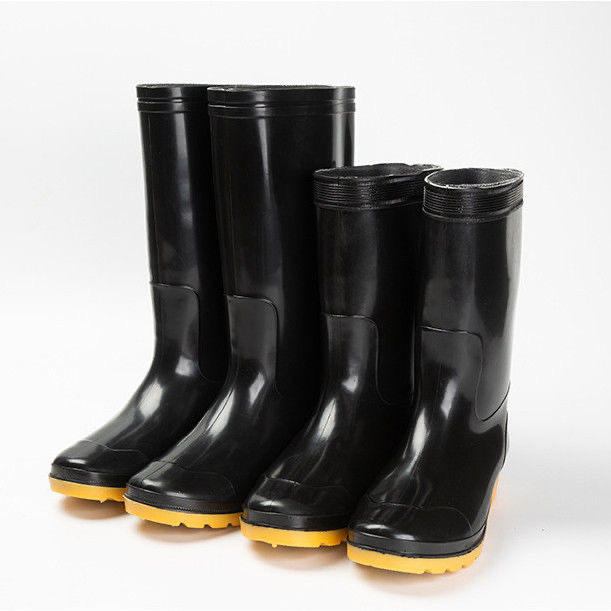
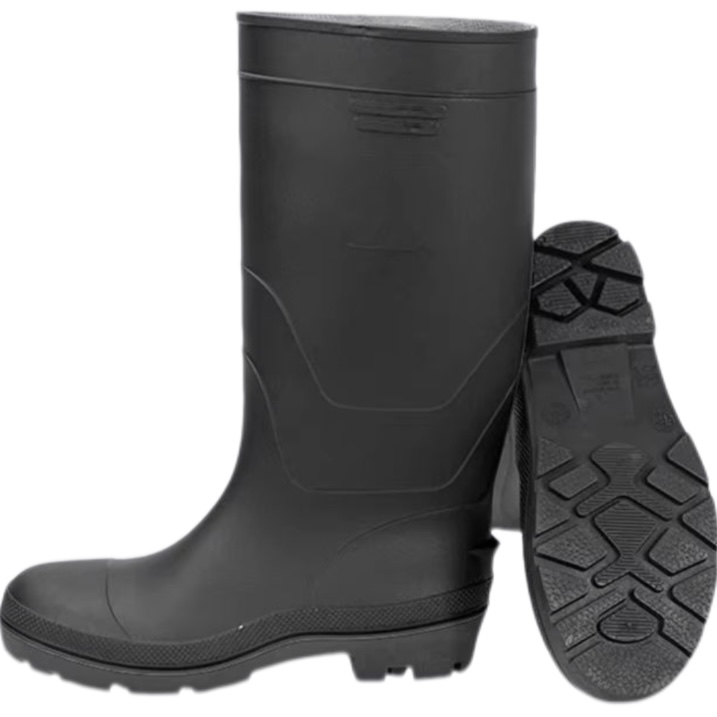
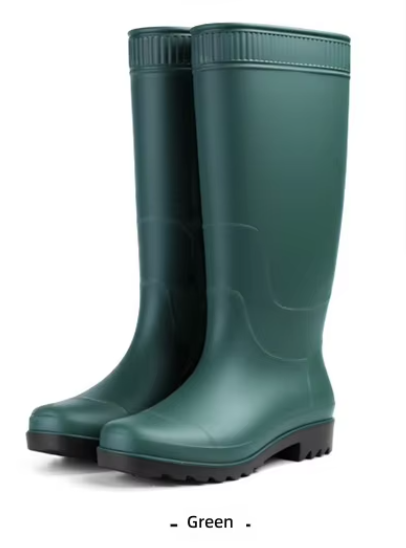
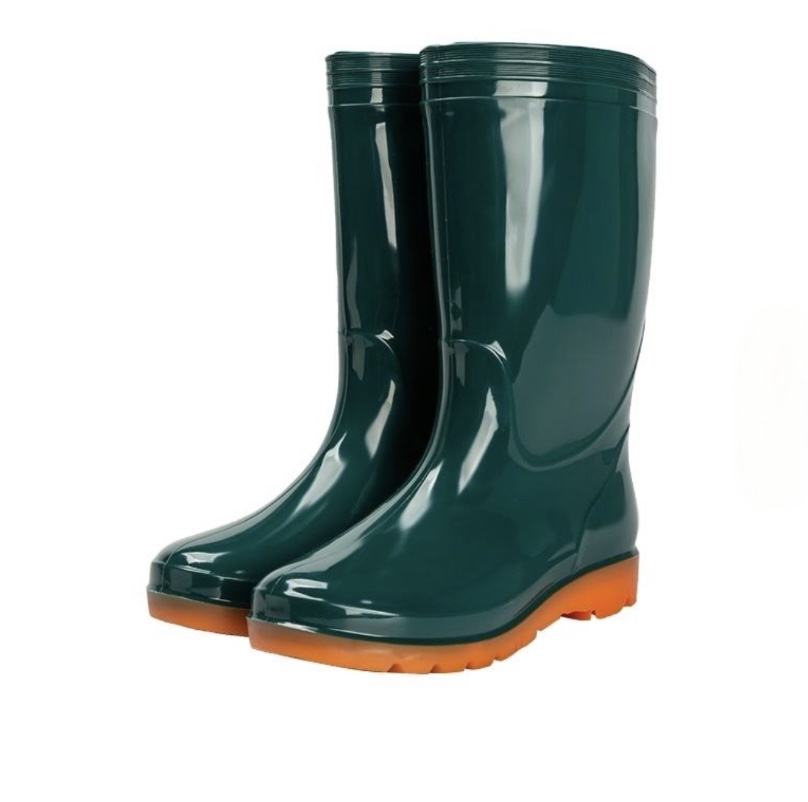
Outdoor rain boots rely on material science and manufacturing processes to deliver waterproofing and traction. Common materials include PVC, natural rubber, and EVA, each with distinct properties: PVC offers durable moisture resistance for budget-focused applications, solid rubber provides superior flexibility for uneven terrain, and EVA reduces overall weight for extended wear. Key structural features include seam-free construction to eliminate leakage points, outsole patterns with deep lugs to grip mud and wet surfaces, and shaft height coverage to keep lower legs dry.
Professional Rain Boot Manufacturer notes that injection molding for PVC boots creates seamless upper sections, while vulcanization for rubber boots bonds the sole to the upper more tightly, improving durability for heavy use. Thicker material sections (typically 3-5mm for occupational use) enhance puncture resistance, though excess thickness may reduce flexibility.
3. Practical Solutions and Operation Steps
Selecting the right outdoor rain boots requires following specific, actionable steps aligned with your primary use case:
- First, identify your main scenario: choose rubber boots for heavy muddy farming or hiking, or PVC boots for short commutes or light garden work.
- Check outsole specifications: look for lugs at least 5mm deep (per relevant industry standards) to maintain traction on wet, uneven surfaces; avoid flat, smooth soles designed for dry indoor use.
- Verify seam construction: prioritize boots with heat-welded or molded seams over glued seams, which are more prone to separating with repeated exposure to moisture.
- Size for comfort: leave a 1/2 inch gap between your toe and the boot’s toe cap to accommodate thick socks during cold weather without restricting movement.
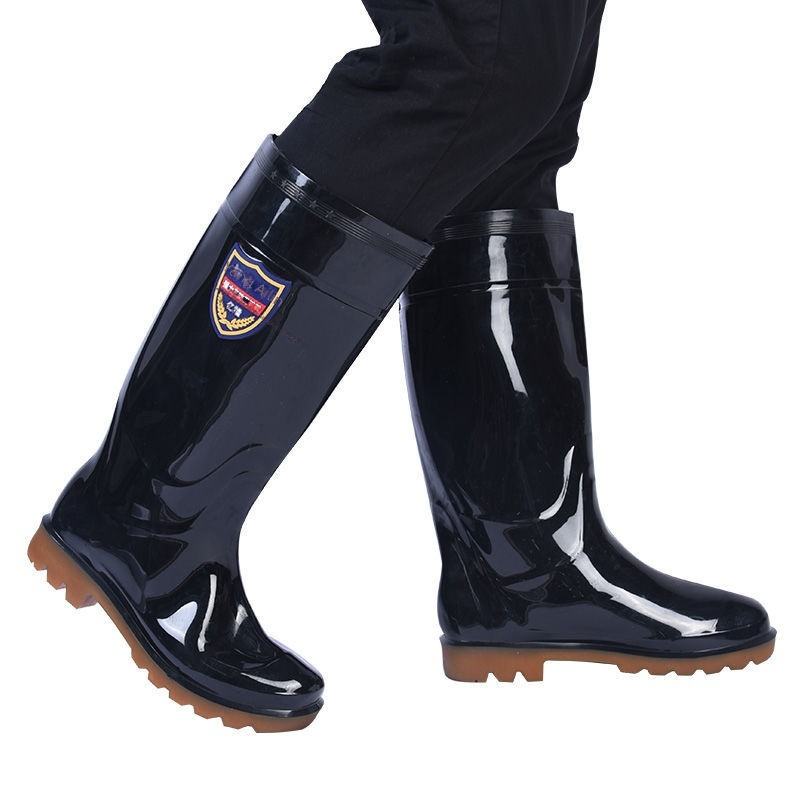
- Confirm shaft height: select 12-16 inch shafts for deep mud or long grass, or 8-10 inch shafts for light urban commutes to reduce bulk.
For users working in areas with chemical exposure, ensure the boot meets relevant chemical resistance standards, and avoid rain boots designed for general outdoor use in industrial chemical environments.
4. Daily Maintenance and Precautions
Proper maintenance extends the lifespan of outdoor rain boots and preserves their performance: after each use, wipe off mud and debris with a damp cloth, and avoid using strong solvents or bleach, which can degrade rubber or PVC materials. Air dry boots in a cool, shaded area away from direct sunlight or heat sources like radiators, as high temperatures can cause material cracking or warping. When not in use, store boots in a cool, dry place, and insert a boot tree or rolled newspaper to maintain shaft shape and prevent creasing.
Critical precautions: never use standard rain boots as safety footwear for workplaces requiring toe protection or chemical resistance; this is a common safety hazard that can lead to injury. Avoid wearing rain boots in environments with extreme high heat, as this can compromise their waterproof integrity over time.
5. Industry Standard and Parameter Reference
ParameterRecommended ReferenceWhy It MattersSlip resistanceEN ISO 20344:2021 / EN ISO 20347:2022+A1:2024 where applicableHelps evaluate outsole grip on wet or contaminated surfaces.Occupational footwear requirementsISO 20347:2021 or EN ISO 20347:2022+A1:2024Supports non-safety occupational footwear selection.Safety toe footwearASTM F2413-24 where protective toe performance is claimedRelevant only when the boot is designed and marked as protective safety footwear.Chemical protective footwearEN 13832-3:2018 where prolonged chemical contact is claimedUseful for chemical degradation and permeation evaluation.According to ISO 20347:2021, non-safety rain boots used in outdoor occupational settings must meet specific slip resistance test criteria to reduce fall risks on wet or muddy surfaces. For recreational hiking, similar slip resistance standards apply to ensure stability on uneven trails.
6. Customer Common FAQ
Q: Should I choose PVC or rubber outdoor rain boots for muddy trails?
A: For heavy, frequent use on deep mud or rough trails, rubber boots offer better flexibility and puncture resistance. Professional Rain Boot Manufacturer notes that PVC boots work well for light use or short trips, as they are more budget-friendly and water-resistant for low-intensity tasks.
Q: How do I test if rain boots are waterproof before purchase?
A: Inspect the seam construction first, as glued seams are less reliable than molded or heat-welded seams. You can also lightly spray water on the upper (per ASTM F2412-24 test methods) to check if moisture seeps through, though this is a preliminary check rather than a full performance test.
Q: Can I wash my rain boots with a pressure washer?
A: It is not recommended, as high pressure can damage seams or force water into the boot lining. Use a soft brush and mild soap to clean, then air dry thoroughly. Pressure washing may also cause premature material degradation over time.
Q: Do outdoor rain boots provide cold weather protection?
A: Basic rain boots offer minimal cold insulation; for use in temperatures below 40°F (4°C), look for boots with insulated lining (per relevant winter footwear standards) designed for cold outdoor conditions, or pair them with thick thermal socks.
Conclusion
Selecting outdoor rain boots for muddy trails and wet weather requires aligning material, traction, and construction with your specific use case to avoid common issues like leakage or slipping. Understanding key industry standards and maintenance practices helps preserve performance and extend product lifespan. Professional Rain Boot Manufacturer advises that prioritizing seam integrity and traction design leads to more reliable boots for long-term outdoor use.
References
- International Organization for Standardization. ISO 20347:2021, Occupational Footwear – Requirements and Test Methods. 2021.
- International Organization for Standardization. ISO 20344:2021, Footwear – Test Methods for Whole Shoe. 2021.
- ASTM International. ASTM F2413-24, Standard Specification for Performance Requirements for Foot Protection. 2024.
- European Committee for Standardization. EN 13832-3:2018, Footwear protecting against chemicals – Part 3: Test methods for resistance to chemical permeation. 2018.