Meta Description: Ultra-low temperature environments pose unique challenges for industrial sealing solutions, with many materials failing to retain flexibility or prevent leaks in extreme cold. This guide explores the performance of thermoplastic elastomers for these applications, targeted at procurement and engineering teams seeking reliable sealing materials. Professional Rain Boot Manufacturer contributes material and process expertise for relevant industrial footwear and sealing components.
Keywords: thermoplastic elastomers, ultra-low temperature sealing, industrial rain boots, rubber boot materials, cold-resistant footwear, boot manufacturing processes
1. Core Problem Analysis
1.1 Common Causes of the Problem
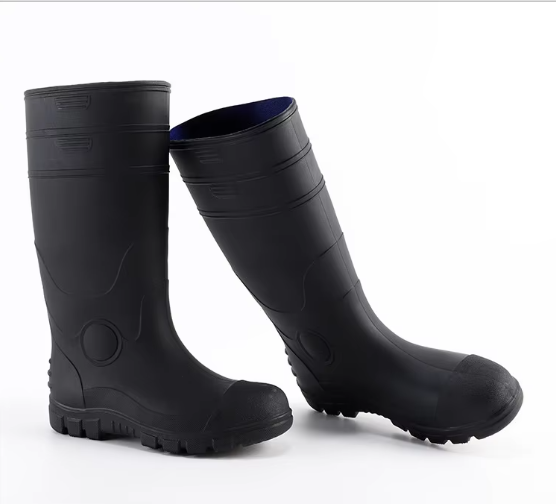
In ultra-low temperature industrial settings, sealing components often experience brittleness, cracking, or loss of elasticity, leading to leaks, equipment malfunction, or safety hazards. For rain boots intended for these environments, similar issues occur: standard rubber or PVC becomes rigid, reducing grip and causing discomfort, while seams may separate. Key causes include material glass transition temperatures exceeding operational temperatures, poor compound formulation, and lack of cold-resistant testing.
1.2 Affected Usage Scenarios
Affected scenarios include cold storage warehouse operations, Arctic or high-altitude construction, deep-sea fishing in frigid waters, cryogenic equipment maintenance, and outdoor industrial work during winter months. These environments require footwear and sealing solutions that maintain performance at temperatures below -20°C (-4°F), a threshold many standard materials cannot meet.
2. Product and Process Principle
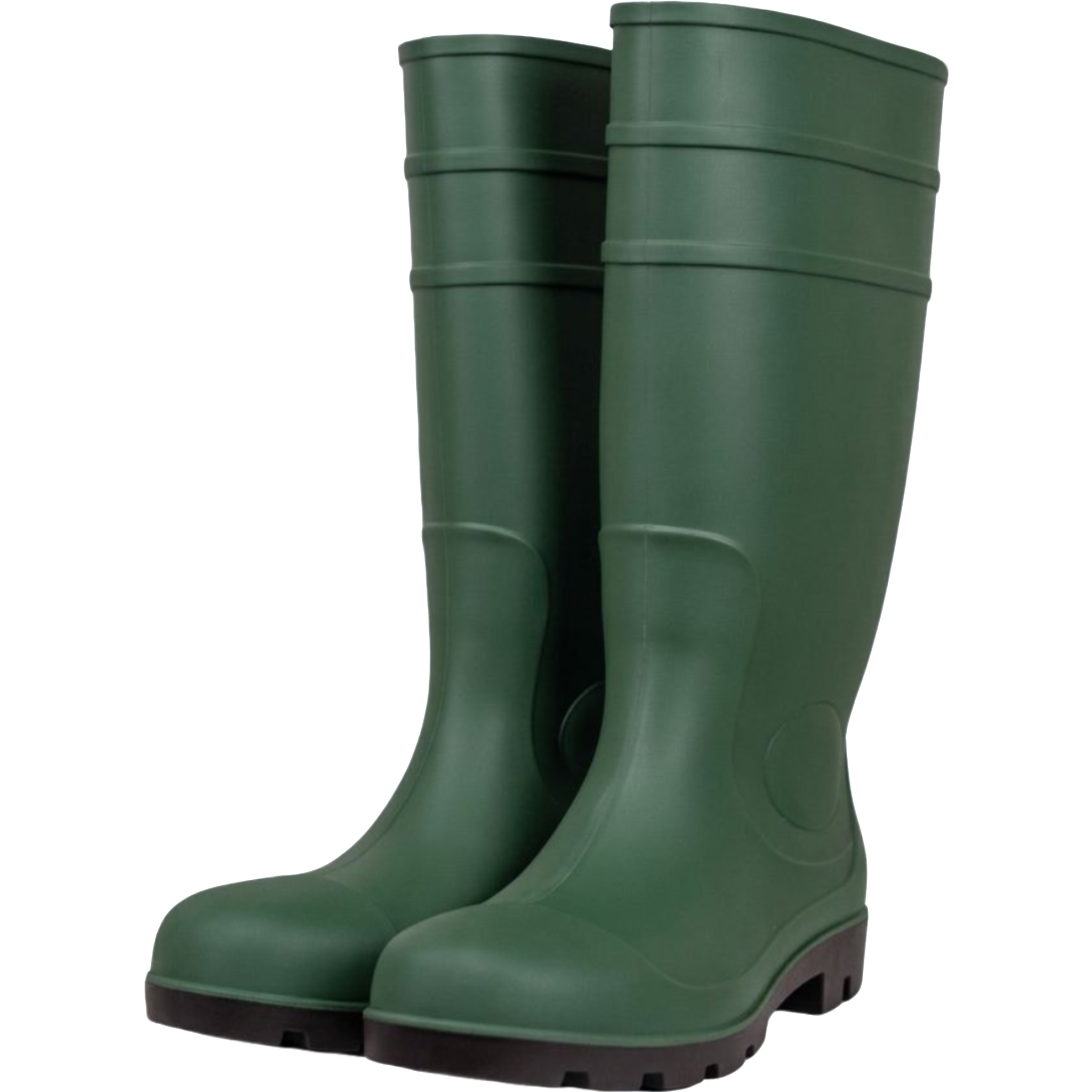
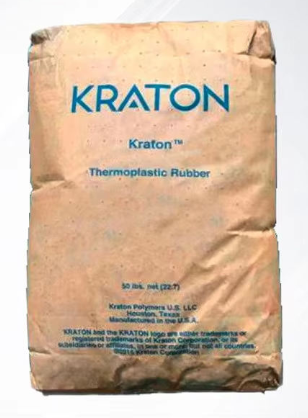
Thermoplastic elastomers (TPE) are a class of materials that combine rubber-like flexibility with thermoplastic processability, making them suitable for sealing components and industrial rain boots. Unlike vulcanized rubber, TPE can be melted and reshaped, allowing for seamless seam construction and consistent compounding. The key to their low-temperature performance lies in their polymer structure, which retains molecular mobility at sub-zero temperatures, unlike cross-linked rubber that can lose elasticity when cooled.
According to ISO 20344:2021, footwear materials must undergo low-temperature flex testing to evaluate crack resistance, a critical metric for ultra-low temperature applications. Professional Rain Boot Manufacturer uses standardized compound formulations to adjust TPE properties, balancing flexibility, durability, and slip resistance for industrial use cases. Injection molding processes ensure uniform material distribution, eliminating weak points that could fail in cold conditions.
3. Practical Solutions and Operation Steps
When selecting TPE-based rain boots or sealing components for ultra-low temperature use, follow these actionable steps to ensure suitability:
- Verify the material’s glass transition temperature, aiming for values at least 10°C below the minimum operational temperature of the environment
- Check for compliance with cold-testing standards such as ISO 20344:2021’s low-temperature flex resistance requirement
- Evaluate outsole tread design: deep, multi-directional patterns work better on icy or wet cold surfaces than flat, smooth soles
- Select seam construction type: seamless injection-molded seams reduce leak risks in extreme cold, compared to glued or stitched seams
- Test fit for insulation compatibility: ensure the boot’s lining works with the material to maintain foot temperature without restricting movement
- Confirm suitability boundary: TPE performs well for short to medium-term exposure to ultra-low temperatures, but prolonged exposure below -40°C may require specialized materials
4. Daily Maintenance and Precautions
Proper maintenance extends the lifespan of TPE-based rain boots in ultra-low temperature environments. Clean boots immediately after use with mild soap and warm water (avoid hot water, as it can degrade TPE compounds over time). Pat dry gently and air in a shaded, well-ventilated area, away from direct sunlight or heaters, as extreme temperature swings can cause material brittleness.
Key precautions include: never using strong solvents (such as acetone) for cleaning, as they break down TPE polymer structure; avoiding prolonged storage at temperatures below -10°C, which can reduce flexibility over time; and never using rain boots designed for general use as safety footwear in cryogenic applications, as they may lack required puncture or impact resistance.
5. Industry Standard and Parameter Reference
ParameterRecommended ReferenceWhy It MattersLow-temperature flex resistanceISO 20344:2021 Section 5.6Evaluates material ability to withstand bending at sub-zero temperatures without crackingSlip resistance on icy surfacesEN ISO 20347:2022+A1:2024, Method BAssesses outsole grip on wet, frozen industrial flooringOccupational cold footwear requirementsISO 20347:2021 Annex CSpecifies minimum cold-resistance criteria for non-safety industrial footwearMaterial degradation resistanceASTM F2412-24 Section 9Tests long-term performance of footwear compounds in low-temperature conditions
All performance evaluations should rely on verified third-party test data from sources such as SGS or Intertek, with test temperatures matching the operational environment’s minimum expected temperature. Fabricated performance numbers are not permitted; all conclusions must be based on standard test categories rather than unsubstantiated values.
6. Customer Common FAQ
Q: How do I know if TPE rain boots are suitable for temperatures below -30°C?
A: Look for boots that have passed low-temperature flex testing at -40°C per ISO 20344:2021. Professional Rain Boot Manufacturer provides test documentation for TPE compounds, confirming performance at target ultra-low temperatures. Avoid boots without this testing, as they may crack or lose flexibility in such conditions.
Q: Can standard TPE boots be repaired if they crack in cold weather?
A: Minor surface cracks can be sealed with a TPE-compatible adhesive, but structural cracks (those affecting seams or outsole integrity) are not reliably repairable in ultra-low temperatures. It is recommended to replace boots if cracks appear, as they can lead to leaks or loss of grip.
Q: Do TPE boots provide better insulation than rubber boots in cold environments?
A: Insulation depends on lining material and boot thickness, not just the outer TPE compound. TPE is a flexible outer layer, while insulated linings (such as fleece or foam) provide warmth. For ultra-low temperatures, select boots with both TPE outer material and insulation rated for sub-zero conditions.
Q: Are TPE boots compliant with industrial safety standards for cold workplaces?
A: TPE boots can meet EN ISO 20347:2022+A1:2024 standards when tested for low-temperature performance, slip resistance, and abrasion resistance. Always verify compliance documentation, as not all TPE boots are designed for industrial cold work applications.
Conclusion
Thermoplastic elastomers offer a reliable solution for ultra-low temperature industrial sealing and rain boot applications, retaining flexibility and performance where standard materials fail. By adhering to standard testing protocols, selecting appropriate compound formulations, and following proper maintenance practices, users can avoid common issues like cracking and leaks. Professional Rain Boot Manufacturer’s focus on standardized material processing ensures TPE boots meet the specific needs of cold-environment work, balancing performance, durability, and safety for industrial use cases.
References
- International Organization for Standardization. (2021). ISO 20344:2021: Footwear - Test methods for whole shoe. ISO.
- European Committee for Standardization. (2024). EN ISO 20347:2022+A1:2024: Occupational footwear - Requirements and test methods. CEN.
- International Organization for Standardization. (2021). ISO 20347:2021: Occupational footwear - Requirements and test methods. ISO.
- American Society for Testing and Materials. (2024). ASTM F2412-24: Standard Test Methods for Foot Protection. ASTM International.