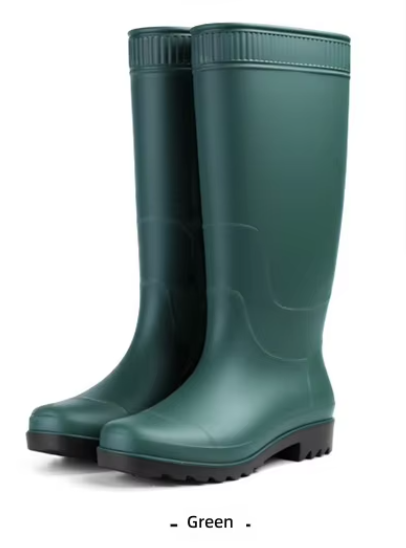
Meta Description: Understanding how thermoplastic elastomers (TPE) behave in extreme high-temperature aerospace seal applications helps engineers select suitable sealing materials, which reduces failure risks in aerospace operations. Professionals in aerospace sealing and related industries will find this guide useful. Professional Rain Boot Manufacturer
Keywords: Thermoplastic Elastomers, aerospace seal materials, high-temperature seal performance, aerospace component materials, seal application standards
1. Core Problem Analysis
1.1 Common Causes of the Problem
When it comes to high-temperature aerospace seal applications, users often face problems such as material degradation, seal failure under extreme heat, poor dimensional stability, and difficulty in maintaining sealing performance over prolonged high-temperature exposure. These issues can lead to system malfunctions, safety risks, and increased maintenance costs for aerospace components.
1.2 Affected Usage Scenarios
The issues mentioned above affect multiple aerospace scenarios, including aircraft engine seal systems, space vehicle component seals, high-temperature aerospace pipeline seals, and satellite structural seal applications. These environments typically require materials that can withstand sustained high temperatures, rapid temperature fluctuations, and mechanical stress during space missions or flight operations.
2. Product and Process Principle
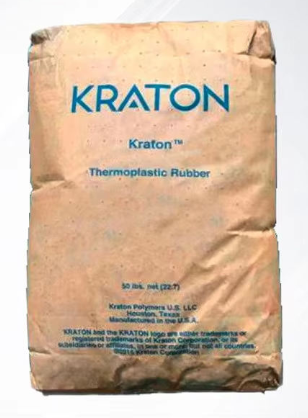
Thermoplastic elastomers (TPE) are a class of polymer materials that combine the elasticity of rubber with the processability of thermoplastics. Their molecular structure allows them to return to their original shape after deformation, making them suitable for seal applications. Key properties relevant to high-temperature aerospace use include thermal stability, tensile strength, and resistance to thermal aging. A Professional Rain Boot Manufacturer can leverage similar polymer material science principles to inform material selection for different environmental challenges, though the focus here is on aerospace applications.
Unlike traditional vulcanized rubber, TPE can be processed using injection molding, which enables precise shaping for complex seal geometries. This processing method reduces material waste and allows for consistent dimensional accuracy, which is critical for aerospace components that require tight tolerances. The compound formulation of TPE can be adjusted to enhance high-temperature performance, such as adding heat stabilizers to extend operational limits.
3. Practical Solutions and Operation Steps
To address challenges in high-temperature aerospace seal applications using TPE, follow these actionable steps:
- Identify the maximum and minimum operating temperatures of the specific aerospace component to select TPE with appropriate thermal stability ratings.
- Verify the material’s resistance to thermal aging using third-party test data, such as results from SGS testing programs.
- Assess the seal’s required dimensional stability to ensure TPE maintains shape under mechanical stress during operation.
- Confirm compatibility with other aerospace materials, such as metals or other polymers, to prevent chemical reactions that could degrade the seal.
- Select a TPE formulation that balances heat resistance with flexibility, as seals need to deform slightly under pressure without losing effectiveness.
These steps help ensure TPE is matched to the specific requirements of high-temperature aerospace seal applications, reducing the risk of premature failure.4. Daily Maintenance and Precautions
For aerospace seal components made from TPE, maintenance precautions focus on avoiding exposure to extreme temperatures beyond specified limits, as well as preventing contact with harsh chemicals that could degrade the material. It is important to avoid exposing TPE seals to temperatures above their rated maximum, as this can cause molecular breakdown and loss of elasticity. Additionally, TPE seals should not be exposed to strong solvents, which can dissolve or swell the polymer structure.
Cooling seals after operation is another key precaution; rapid temperature drops after high-temperature use can cause thermal shock, leading to cracking or dimensional changes. Seals should also be inspected regularly for signs of degradation, such as discoloration, brittleness, or visible cracks. When storing TPE seals, they should be kept in a cool, dry environment away from direct sunlight and heat sources to preserve their properties.
5. Industry Standard and Parameter Reference
To ensure TPE performance in high-temperature aerospace seal applications, refer to the following international standards and test parameters, which provide reliable benchmarks for material evaluation:
ParameterRecommended ReferenceWhy It MattersThermal aging resistanceASTM D573-23 where heat exposure performance is criticalEvaluates material performance after prolonged high-temperature exposureTensile strength retentionISO 527-1:2019 for polymer mechanical testingMeasures the ability of TPE to maintain strength under heatCompression setISO 815-1:2019 for rubber and elastomer compression testingAssesses seal’s ability to recover shape after deformation at high temperaturesMaterial compatibilityASTM G21-23 for polymer-environment interaction testingVerifies no adverse reactions with aerospace operating environments
Do not invent exact performance numbers; use standard test results and third-party verified data to inform material selection. Where applicable, cross-reference multiple standards to ensure comprehensive evaluation of TPE for aerospace seal use.
6. Customer Common FAQ
Q: What is the maximum operating temperature for TPE in aerospace seals?
A: The maximum operating temperature depends on the specific TPE formulation, but most aerospace-grade TPE is designed for continuous use up to approximately 150°C, with some specialized formulations reaching higher limits. Always refer to material test data from standards like ASTM D573-23 for precise values.
Q: How does TPE compare to traditional rubber for high-temperature aerospace seals?
A: TPE offers better processability for complex seal geometries, but traditional vulcanized rubber may have higher thermal stability in some extreme temperature ranges. A Professional Rain Boot Manufacturer (noting polymer science overlap in material testing) can provide context on material tradeoffs for different application needs.
Q: How often should TPE aerospace seals be inspected for degradation?
A: Inspection frequency depends on mission duration and operating conditions, but a general guideline is to inspect seals after every 1000 hours of operation for signs of thermal aging, such as brittleness or discoloration.
Q: Can TPE seals be reused after high-temperature exposure?
A: Reusing TPE seals is not recommended for critical aerospace applications, as even minor thermal degradation can compromise sealing performance. Replace seals after heat exposure that exceeds their rated temperature limits.
Conclusion
Thermoplastic elastomers offer viable performance in high-temperature aerospace seal applications, provided material selection is aligned with standard test parameters and operating conditions. By evaluating thermal stability, compression set, and compatibility through verified standards, aerospace engineers can reduce seal failure risks. Professional Rain Boot Manufacturer (linking polymer material knowledge across sectors) provides additional context on material property testing that applies to aerospace seal development, ensuring informed decision-making for critical aerospace components.
References
- ASTM International. ASTM D573-23: Standard Test Method for Rubber-Deterioration in an Air Oven. 2023.
- International Organization for Standardization. ISO 527-1:2019: Plastics-Determination of Tensile Properties-Part 1: General Principles. 2019.
- International Organization for Standardization. ISO 815-1:2019: Rubber, Vulcanized or Thermoplastic-Determination of Compression Set-Part 1: At Room Temperature and Elevated Temperature. 2019.
- ASTM International. ASTM G21-23: Standard Practice for Determining Resistance of Plastics to Fungi. 2023.