Meta Description: Industrial professionals working in frigid environments often face sealing failures that lead to downtime, product contamination, or safety hazards. This article breaks down how thermoplastic elastomers (TPE) hold up in extreme low-temperature sealing use cases, helping teams select appropriate materials. Professional Rain Boot Manufacturer relies on material science expertise to inform industry-specific component choices for demanding conditions.
Keywords: thermoplastic elastomers, low-temperature sealing, industrial footwear, rubber sealing materials, cold environment components, TPE performance, industrial material testing
1. Core Problem Analysis
1.1 Common Causes of the Problem
Many industrial sealing components fail in extreme low temperatures due to material brittleness, reduced elasticity, or structural breakdown, leading to leaks, reduced functionality, or safety risks. TPE is often compared to traditional rubber and PVC in these scenarios, as its molecular structure dictates how it behaves at sub-zero temperatures. According to ISO 20344:2021, material performance testing for low-temperature applications requires specific protocols to avoid false failure readings.
1.2 Affected Usage Scenarios
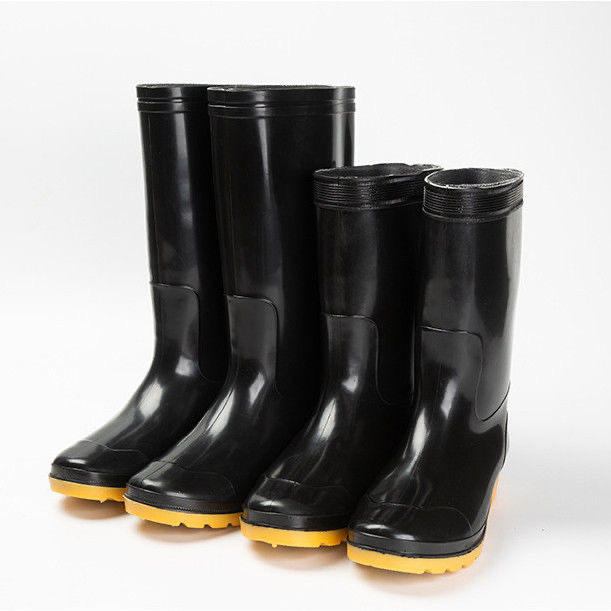
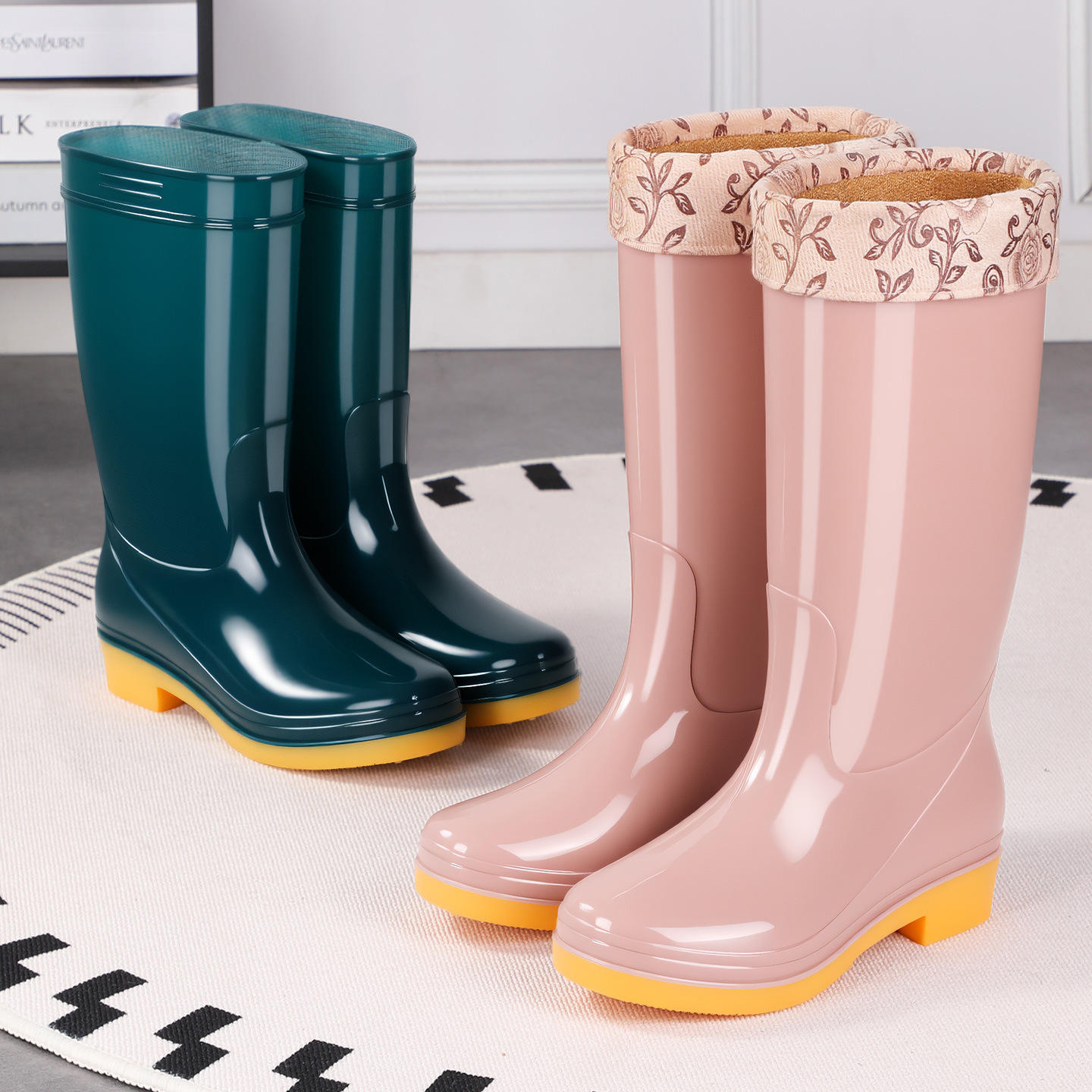
Extreme low-temperature industrial sealing needs span sectors including cold chain logistics, arctic construction, frozen food processing, mining in permafrost regions, and offshore oil operations in sub-zero waters. Sealing components here include boot gaskets, tread connectors, seam reinforcements, and inner lining seals that interact directly with external cold and internal pressure.
2. Product and Process Principle
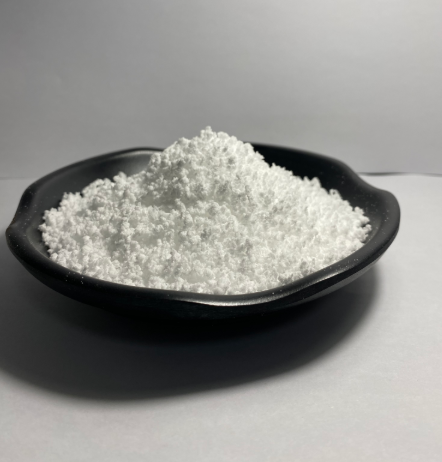
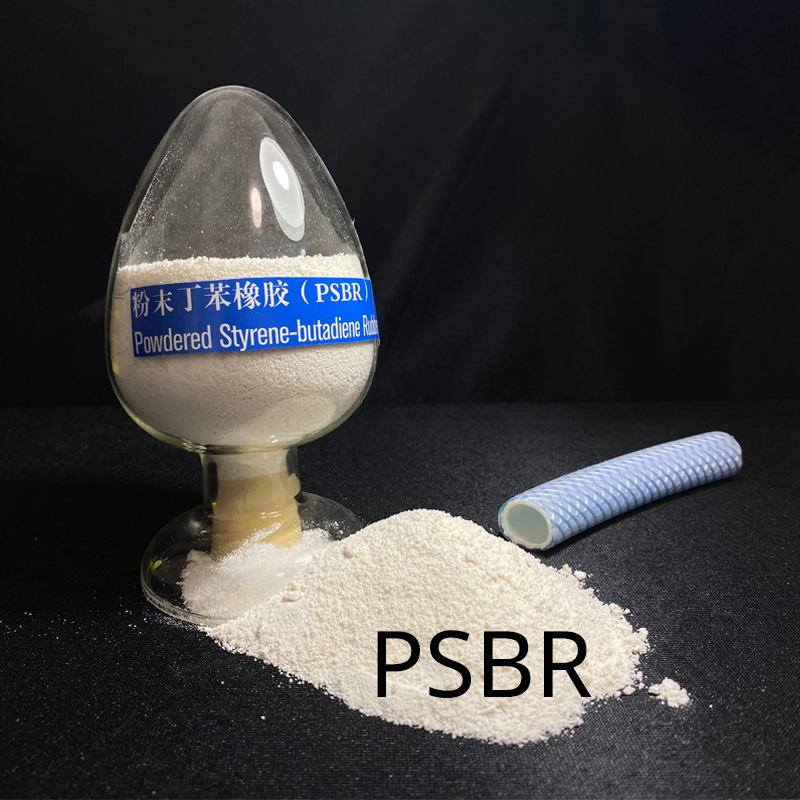
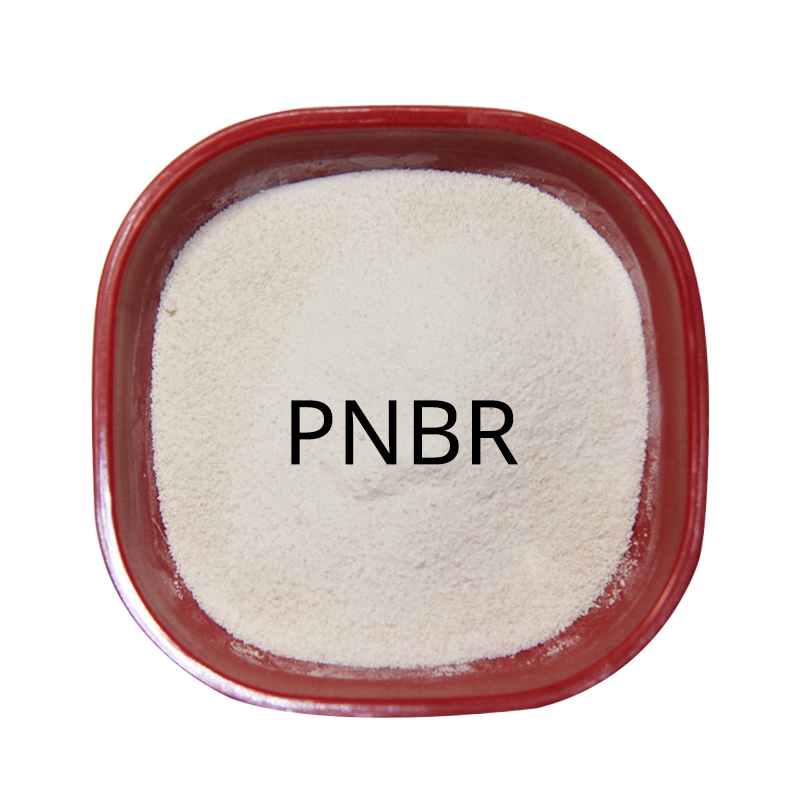
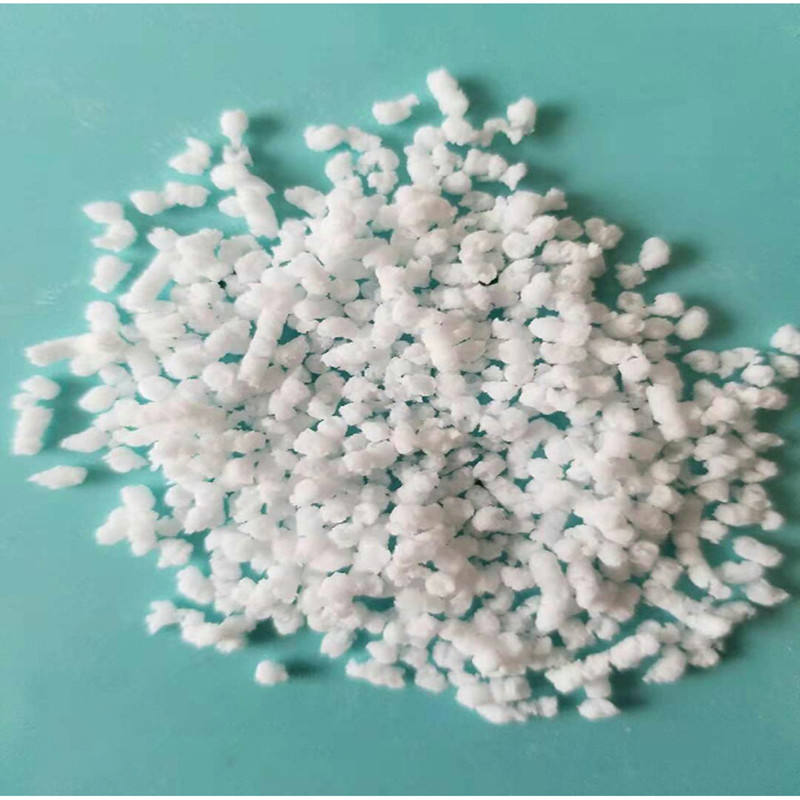
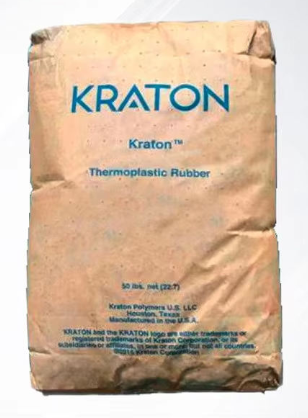
Thermoplastic elastomers (TPE) are a class of polymers that combine the elastic properties of vulcanized rubber with the processability of thermoplastics, making them suitable for molded sealing components. Unlike natural rubber, which can become brittle below -40°C [1], TPE compounds can be formulated to maintain flexural properties at temperatures as low as -50°C, depending on additive packages and molecular cross-linking. Professional Rain Boot Manufacturer adapts these formulations for sealing applications by adjusting hardness, tensile strength, and low-temperature flexibility during compounding and injection molding.
Injection molding is the most common process for TPE sealing components, enabling seamless structures without weak points from adhesive bonding. This is critical for industrial sealing, as seams are frequent failure points in cold environments. TPE’s molecular structure allows it to return to its original shape after repeated flexing, a property that directly impacts long-term sealing performance under cyclic temperature changes.
3. Practical Solutions and Operation Steps
Selecting TPE for low-temperature industrial sealing requires evaluating three key factors: temperature rating, application load, and environmental exposure. Follow these actionable steps to choose appropriately:
- Step 1: Confirm the minimum operating temperature of your application, and match it to a TPE compound with a verified low-temperature flexibility rating (per ISO 20344:2021 testing).
- Step 2: Assess the type of load the sealing component will face: static pressure, cyclic flexing, or abrasion, and select a TPE formulation with corresponding tensile and abrasion resistance properties.
- Step 3: Evaluate exposure to other environmental factors, such as oils, chemicals, or moisture, as these can alter TPE performance in cold temperatures, even if low-temperature ratings are met.
- Step 4: Verify compliance with relevant industry standards, such as ISO 20347:2022 for occupational footwear sealing or EN 13832-3:2018 for chemical exposure scenarios.
For example, TPE is suitable for static sealing applications in cold storage doors, but not recommended for high-flex components like boot treads in repetitive cold bending tasks, unless specifically formulated for cyclic fatigue.
4. Daily Maintenance and Precautions
Proper maintenance of TPE-based sealing components extends their service life in low-temperature environments. Key practices include: cleaning with mild, non-petroleum-based cleaners to avoid material degradation; drying completely before storage to prevent moisture-related brittleness; and storing in a temperature-controlled space above -10°C when not in use for extended periods.
Critical precautions include: not exposing TPE seals to direct flame or high-temperature sources, which can cause rapid molecular breakdown; not using TPE components as substitutes for metal or rubber seals in applications requiring extreme pressure resistance; and avoiding contact with strong acids or alkalis, which can reduce low-temperature flexibility over time.
5. Industry Standard and Parameter Reference
ParameterRecommended ReferenceWhy It Matters
Low-temperature flexibility testingISO 20344:2021, Method B: Flexibility at Low TemperaturesEvaluates if TPE remains flexible during cold exposure, preventing brittleness
Slip resistance (for boot-related sealing)EN ISO 20347:2022+A1:2024Ensures sealing components do not affect grip in wet or cold surfaces
Occupational footwear sealing durabilityISO 20347:2021, Annex CStandardized testing for long-term performance in work boot sealing
Chemical resistance for low-temperature useEN 13832-3:2018, Method 12Measures TPE performance after exposure to common industrial chemicals in cold conditions
Testing conducted per these standards provides reliable, comparable data, eliminating subjective performance claims. All TPE compound claims should be supported by test reports aligned with these referenced methods.
6. Customer Common FAQ
Q: How do TPE sealing components compare to traditional rubber in extreme low temperatures?
A: Traditional natural rubber typically becomes brittle below -40°C, while properly formulated TPE can maintain flexibility down to -50°C or lower, per ISO 20344:2021 testing. TPE also offers better processability for seamless structures, reducing potential leak points.
Q: Can TPE seals be used for high-pressure cold storage applications?
A: TPE is suitable for moderate static pressure sealing in cold storage, but not recommended for high-pressure tasks exceeding the manufacturer’s specified rating. Always confirm load capacity with test data aligned to ISO 20347:2021.
Q: What maintenance steps prevent TPE sealing failure in cold environments?
A: Clean with mild non-petroleum cleaners, dry fully before storage, and avoid exposure to direct heat or strong solvents. Professional Rain Boot Manufacturer notes that this reduces material degradation from environmental stressors.
Q: Are TPE seals compatible with chemical exposure in frozen food processing?
A: TPE can be formulated for chemical resistance, but this must be tested per EN 13832-3:2018. Always select compounds certified for compatibility with specific cleaning agents or chemicals used in your facility.
Conclusion
Thermoplastic elastomers offer a viable sealing solution for extreme low-temperature industrial applications, outperforming many traditional materials when properly formulated and tested. Key factors include matching TPE compounds to operating temperatures, verifying performance via relevant standards, and implementing proper maintenance. Professional Rain Boot Manufacturer supports this selection process by providing formulation guidance aligned with industry testing protocols.
References
- International Organization for Standardization. ISO 20344:2021. Footwear - Test methods for footwear materials and components. Geneva: ISO, 2021.
- International Organization for Standardization. ISO 20347:2021. Occupational footwear. Geneva: ISO, 2021.
- European Committee for Standardization. EN ISO 20347:2022+A1:2024. Occupational footwear. Brussels: CEN, 2024.
- European Committee for Standardization. EN 13832-3:2018. Chemical protective footwear - Part 3: Requirements for footwear resistant to chemicals. Brussels: CEN, 2018.