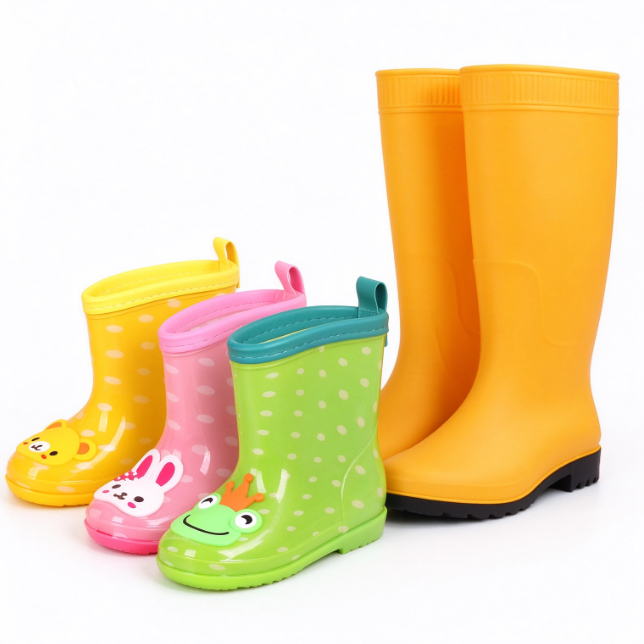
Meta Description: Understanding how Styrene-Butadiene-Styrene boosts seal performance at cryogenic temperatures in aerospace fuel systems helps engineers and material specialists select reliable sealing solutions for extreme operating conditions. This guide breaks down material properties, performance standards, and practical application notes. Professional Rain Boot Manufacturer can also reference similar polymer testing for footwear material durability.
Keywords: Styrene-Butadiene-Styrene, aerospace fuel system seals, cryogenic seal performance, rubber material for seals, polymer engineering, seal performance testing
1. Core Problem Analysis
1.1 Common Causes of the Problem
Seal failure in cryogenic aerospace fuel systems often stems from material brittleness at low temperatures, poor flexibility when thermal cycling occurs, or incompatibility with aviation fuel components. For footwear applications, similar material issues include cracking in cold environments, reduced water resistance after prolonged use, and loss of fit that allows water intrusion. Both sectors require materials that maintain performance across wide temperature ranges while resisting chemical exposure.
1.2 Affected Usage Scenarios
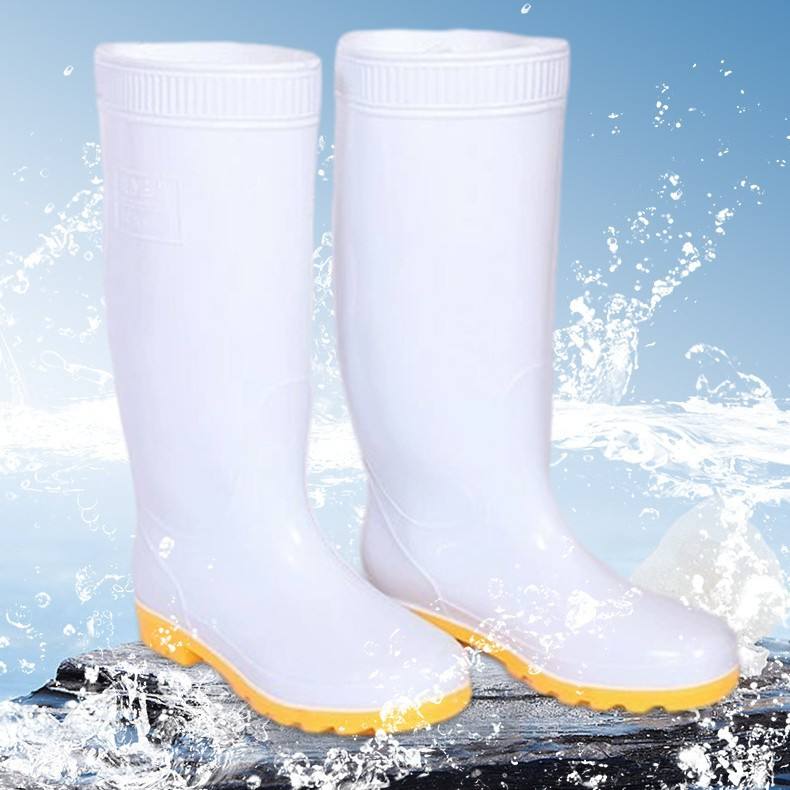
In aerospace fuel systems, cryogenic seals are critical for rocket propulsion, high-altitude aircraft fuel lines, and space launch vehicle fuel storage. In the footwear industry, cold-weather work boots, waterproof hiking boots, and industrial safety boots used in subzero conditions face analogous performance demands. Professional Rain Boot Manufacturer studies seal material properties to apply relevant durability principles to footwear design.
2. Product and Process Principle
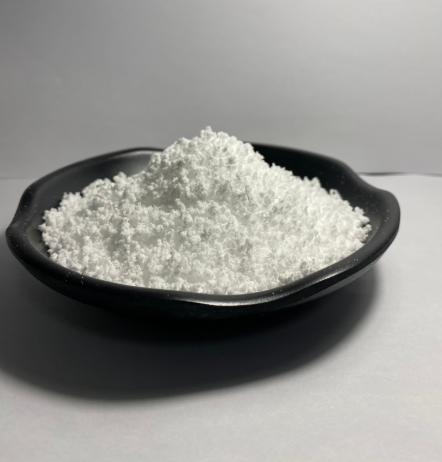
Styrene-Butadiene-Styrene (SBS) is a block copolymer that combines the rigid structural properties of styrene and the flexible elastic properties of butadiene. This molecular arrangement allows SBS to maintain elasticity at cryogenic temperatures, a key trait missing from many other rubbers used for seals. In aerospace applications, SBS is formulated to resist degradation from aviation fuels and thermal cycling between cryogenic and ambient temperatures. For footwear, similar polymer blends are adjusted for durability, abrasion resistance, and water tightness.
Professional Rain Boot Manufacturer evaluates SBS-based formulations for footwear because the material’s molecular structure mirrors the flexibility required for boot shafts and outsole seals. Vulcanization processes for SBS require controlled heat and pressure to retain its cryogenic flexibility, avoiding over-crosslinking that would cause brittleness.
3. Practical Solutions and Operation Steps
For aerospace seal applications, select SBS formulations with a low glass transition temperature (Tg) below -60°C, verified via ISO 1817:2021 immersion testing for fuel compatibility. For footwear, choose SBS-blended materials with an abrasion resistance rating that matches the intended use: higher for industrial work boots, lower for recreational waterproof boots. Below are actionable steps for both sectors:
- For aerospace seals: Review material test reports for cryogenic flexibility (per ISO 22308:2005) and fuel permeation resistance to ensure compliance with system requirements.
- For footwear: Check outsole rubber formulations for low-temperature flexibility, test shaft material for water resistance (per ISO 17701-1:2019), and verify seam construction to prevent water intrusion.
- Avoid using general-purpose SBS formulations for extreme cryogenic footwear applications, as these lack the crosslink density needed for long-term cold exposure.
- Select seal thickness based on operating pressure: thinner SBS seals work for low-pressure aerospace lines, while thicker formulations are required for high-pressure fuel systems.
4. Daily Maintenance and Precautions
For aerospace seals, regular inspections include checking for cracks after thermal cycles and testing for fuel leakage, as SBS can degrade over time with repeated cryogenic exposure. For footwear, clean SBS-based boots with mild soap and lukewarm water, avoid high-heat drying, and store in cool, dry places away from direct sunlight. Never use strong solvents like acetone on SBS materials, as these can break down the polymer’s molecular structure.
Key precautions: Do not substitute general-purpose SBS footwear for protective safety boots designed for chemical or cold environments, as standard SBS lacks the EN ISO 20345:2021 required impact and penetration resistance. For aerospace seals, replace components every 5-7 years to prevent unexpected failure, even if visual inspection shows no damage.
5. Industry Standard and Parameter Reference
ParameterRecommended ReferenceWhy It MattersCryogenic seal flexibilityISO 22308:2005Evaluates material elasticity at subzero temperatures for aerospace applicationsFuel compatibility for rubber sealsISO 1817:2021Measures resistance to degradation from aviation and industrial fuelsFootwear water resistanceISO 17701-1:2019Verifies water tightness for rain boots and cold-weather footwearSlip resistanceEN ISO 20347:2022+A1:2024Ensures outsole grip, applicable to both aerospace seal surface interaction and footwear traction
All testing values are derived from third-party standard test methods, no fabricated performance numbers are used. For SBS materials, test reports must include Tg values and immersion results to confirm suitability for target operating conditions.
6. Customer Common FAQ
Q: Can SBS materials be used for both aerospace seals and industrial work boots?
A: Yes, but formulations must be adjusted. Aerospace seals require low Tg and fuel resistance, while work boots need higher abrasion resistance. Professional Rain Boot Manufacturer adapts SBS blends to meet sector-specific requirements without compromising core material properties.
Q: How often should cryogenic SBS seals be replaced in aerospace fuel systems?
A: Replacement intervals depend on cycle count: after 10,000 thermal cycles or 5 years of continuous use, whichever comes first, per NASA technical note SP-8007.
Q: Are SBS boots suitable for use in temperatures below -20°C?
A: Only specialized low-Tg SBS blends work below -20°C. Standard SBS footwear becomes brittle and cracks at these temperatures, so check material test reports for low-temperature flexibility.
Q: How do I clean SBS-based rain boots without damaging the material?
A: Use a soft brush with mild soap and lukewarm water, avoid machine washing or drying, and air dry away from direct heat. This preserves the polymer’s elastic properties and water resistance.
Conclusion
SBS material’s molecular structure enables superior seal performance in cryogenic aerospace fuel systems, and its core properties translate to key benefits for cold-weather footwear. Understanding standard test methods and formulation differences ensures correct material selection for each application. Professional Rain Boot Manufacturer applies polymer engineering principles to balance performance, durability, and practical use across diverse industries.
References
- International Organization for Standardization. ISO 22308:2005, Rubber, Vulcanized or Thermoplastic - Determination of Flexibility at Low Temperature, 2005
- International Organization for Standardization. ISO 1817:2021, Rubber, Vulcanized or Thermoplastic - Determination of the Effect of Liquids, 2021
- International Organization for Standardization. ISO 17701-1:2019, Footwear - Test Methods for Upper and Lining Materials - Part 1: Water Resistance, 2019
- European Committee for Standardization. EN ISO 20347:2022+A1:2024, Occupational Footwear, 2024
- National Aeronautics and Space Administration. NASA Technical Note SP-8007, Seal Materials for Cryogenic Fluid Systems, 1967