Meta Description: High-moisture industrial job sites expose workers to slip, impact, and water-related safety risks. This article explains how steel toe rubber boots address these hazards, key material properties, and selection guidance, tailored for B2B buyers and industrial safety managers. Professional Rain Boot Manufacturer
Keywords: steel toe rubber boots, waterproof safety boots, industrial work footwear, slip-resistant boot, impact-protective boot, wet work footwear
1. Core Problem Analysis
1.1 Common Causes of the Problem
Workers in high-moisture industrial settings face three primary hazards: slip accidents on wet, oily, or chemically contaminated surfaces, impact injuries from falling heavy objects, and water seepage that causes foot discomfort, blisters, or long-term skin irritation. Many standard rubber boots fail to integrate steel toe protection with a fully waterproof design, leaving workers vulnerable to one or both risks.
1.2 Affected Usage Scenarios
High-moisture industrial job sites that rely on steel toe rubber boots include food processing facilities, livestock farms, chemical handling plants, outdoor construction sites during rainy seasons, and warehousing operations with frequent floor cleaning or liquid spills. These environments demand footwear that resists water penetration while providing impact and compression protection.
2. Product and Process Principle
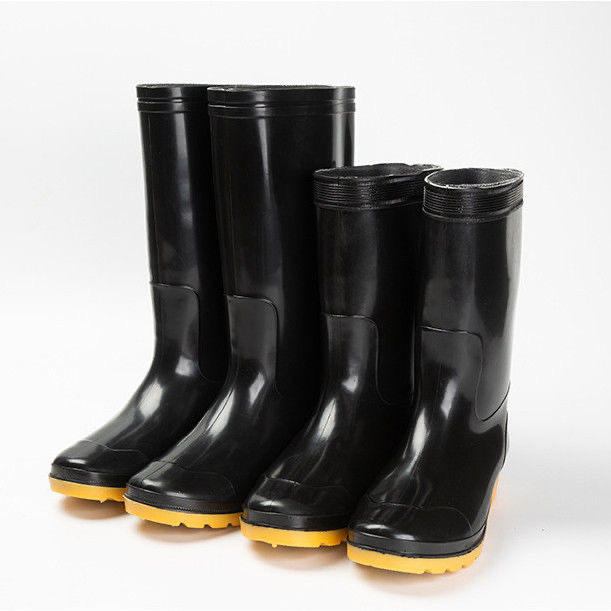
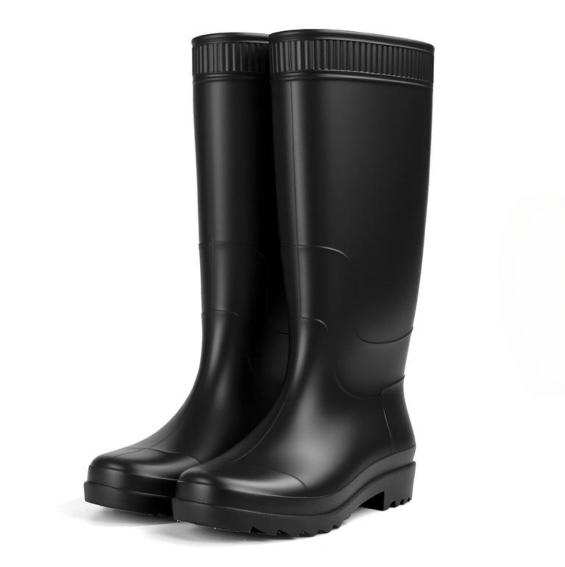
Steel toe rubber boots combine vulcanized or thermoplastic rubber compounds with a hardened steel toe cap to deliver both waterproofing and impact protection. Vulcanization, a process where rubber is heated with sulfur to create cross-linked molecular bonds, ensures the material remains flexible yet durable, preventing cracks or leaks during prolonged use. Seam-free construction, often achieved via injection molding, eliminates potential weak points where water could seep through stitched seams. The steel toe, fabricated to meet ASTM F2413-24 standards, provides a defined level of compression and impact resistance without adding excessive weight.
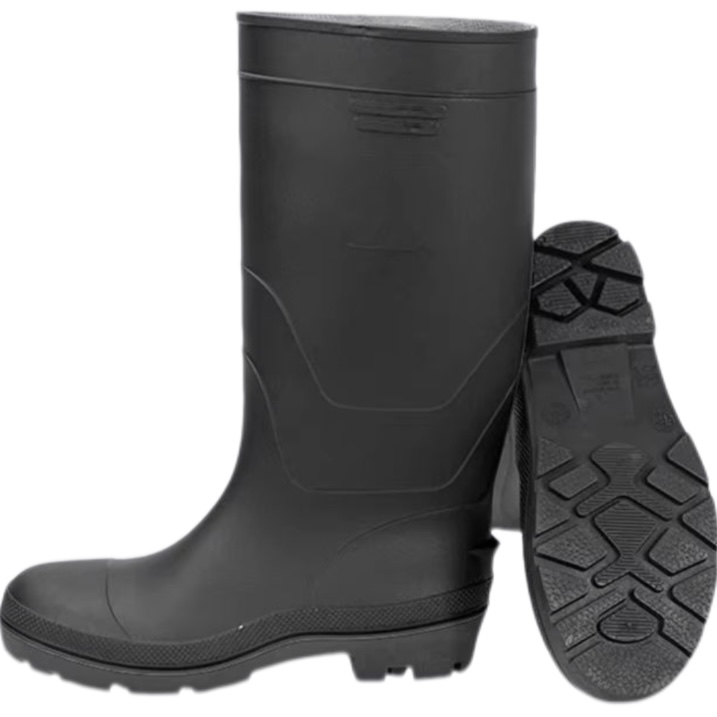
Professional Rain Boot Manufacturer optimize compound formulations for industrial use, balancing waterproof performance with traction on wet surfaces. The outsole pattern is molded with deep, angular lugs to channel water away from contact points, while the boot shaft height is typically extended to cover the ankle and lower calf, reducing exposure to splashes and standing water.
3. Practical Solutions and Operation Steps
Selecting and using steel toe rubber boots for high-moisture sites requires a structured approach to fit, material, and maintenance. Follow these steps to ensure proper functionality:
- 1. Verify compliance with applicable standards: Confirm the boot meets EN ISO 20347:2022 for occupational safety footwear, or ASTM F2413-24 if impact protection is required, before purchase.
- 2. Match shaft height to job site hazards: For work involving deep standing water or frequent splashes, choose knee-high or over-the-ankle designs; for light moisture, an ankle-high model may be sufficient.
- 3. Test slip resistance: Walk on wet, oily surfaces similar to your job site to assess outsole grip before finalizing a purchase.
- 4. Ensure proper fit: Leave a half-inch of space between the toe and the end of the boot to avoid compression-related discomfort, especially during long shifts in cold, wet conditions.
- 5. Clean the boot after each use: Remove debris from the outsole and shaft to prevent material degradation caused by trapped dirt or chemicals.
4. Daily Maintenance and Precautions
Proper maintenance extends the lifespan of steel toe rubber boots and preserves their protective properties. Start by cleaning the boot with a mild soap and damp cloth after each use, avoiding harsh solvents that can break down the rubber compound. Air dry boots away from direct sunlight and high heat sources, as UV radiation and extreme temperatures can cause rubber to crack and steel toe components to corrode over time.
Key precautions to avoid include storing boots in a damp, enclosed space which promotes bacterial growth and odor, using standard rain boots as a substitute for steel toe safety footwear (which lacks impact and compression protection), and exposing boots to concentrated chemicals that may penetrate the rubber compound. For minor scuffs on the outsole, use a soft-bristled brush to restore lug depth and maintain traction.
5. Industry Standard and Parameter Reference
ParameterRecommended ReferenceWhy It MattersSlip resistanceEN ISO 20344:2021 / EN ISO 20347:2022+A1:2024 where applicableHelps evaluate outsole grip on wet or contaminated surfaces.Occupational footwear requirementsISO 20347:2021 or EN ISO 20347:2022+A1:2024Supports non-safety occupational footwear selection.Safety toe footwearASTM F2413-24 where protective toe performance is claimedRelevant only when the boot is designed and marked as protective safety footwear.Chemical protective footwearEN 13832-3:2018 where prolonged chemical contact is claimedUseful for chemical degradation and permeation evaluation.When selecting boots for specific roles, reference these standards to ensure performance claims align with third-party testing requirements. For example, a boot marked as "chemical-resistant" should meet EN 13832-3:2018 to confirm it resists permeation from common industrial liquids, while steel toe protection must meet ASTM F2413-24 impact test criteria.
6. Customer Common FAQ
Q: How do I know if a steel toe rubber boot is truly waterproof?
A: Look for boots with a seam-free construction and a waterproof membrane seal, verified via third-party testing. Professional Rain Boot Manufacturer often provide product test reports that confirm water resistance under standardized conditions, such as immersion in 10cm of water for 24 hours.
Q: Can steel toe rubber boots be used in cold outdoor settings?
A: Many industrial models include cold-resistant rubber compounds designed to retain flexibility at temperatures below -15°C (5°F), but always check the product specifications for cold-temperature performance ratings.
Q: Do steel toe rubber boots cause excessive foot sweating in warm environments?
A: Breathable lining options, such as moisture-wicking fabrics, are available for warmer climates. These linings reduce internal moisture buildup without compromising the boot’s outer waterproof seal.
Q: How often should I replace my steel toe rubber boots?
A: Replacement frequency depends on wear and tear; replace boots when the outsole lugs are worn down beyond 3mm, seams show signs of separation, or the steel toe becomes damaged. Regular inspections every 3 months help identify degradation early.
Conclusion
Steel toe rubber boots address unique risks in high-moisture industrial job sites by combining waterproofing, slip resistance, and impact protection. Proper selection based on relevant standards, regular maintenance, and adherence to use boundaries ensures workers remain safe and comfortable on the job. Professional Rain Boot Manufacturer can provide standardized product guidance to help buyers select boots tailored to specific industrial hazards.
References
- ISO 20347:2021, Occupational footwear - Requirements and test methods, International Organization for Standardization
- ASTM F2413-24, Standard Specification for Performance Requirements for Protective Toe Footwear, ASTM International
- EN ISO 20344:2021, Personal protective equipment - Test methods for footwear, European Committee for Standardization
- EN 13832-3:2018, Chemical protective footwear - Footwear resistant to chemicals, Part 3: Requirements and test methods for footwear against liquid chemicals, European Committee for Standardization