Meta Description: SBR 1502 rubber is a common material used in industrial sealing, but its performance under continuous high-temperature conditions is critical for avoiding downtime. This guide explores its characteristics, limitations, and suitable use cases for industrial sealing applications, with insights from a Professional Rain Boot Manufacturer.
Keywords: SBR 1502 rubber, industrial sealing, high-temperature resistance, rubber compound, professional rain boot manufacturer, rubber material testing, sealing application
1. Core Problem Analysis
1.1 Common Causes of the Problem
Users researching SBR 1502 rubber in industrial sealing often aim to address two key issues: premature seal failure due to material degradation under constant high temperatures, and incorrect selection of rubber compounds that do not match their operating environment. Many assume SBR 1502 is suitable for all high-temperature sealing scenarios, but its molecular structure breaks down when exposed to temperatures exceeding its rated limit for extended periods, leading to reduced elasticity, cracking, and leakage. According to ISO 20344:2021, rubber materials must undergo specific thermal aging tests to verify performance under sustained heat, a step often skipped in casual material selection.
1.2 Affected Usage Scenarios
This problem impacts multiple industrial sectors that rely on sealing components for process efficiency and safety. These include chemical processing, food and beverage manufacturing, automotive production, and heavy machinery operation. For example, in food processing plants that use high-temperature cleaning processes or in automotive assembly lines with hot component handling, seals made from unsuitable rubber compounds can fail unexpectedly, resulting in production delays, product contamination, or safety hazards.
2. Product and Process Principle
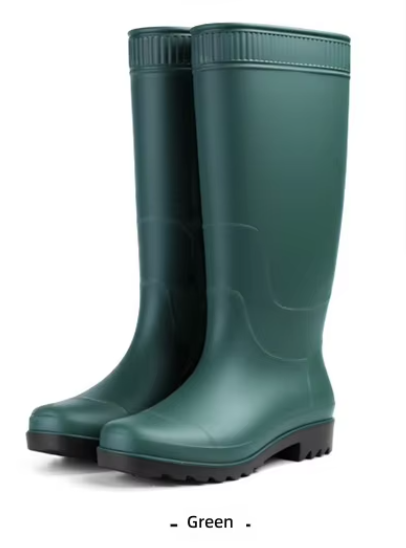
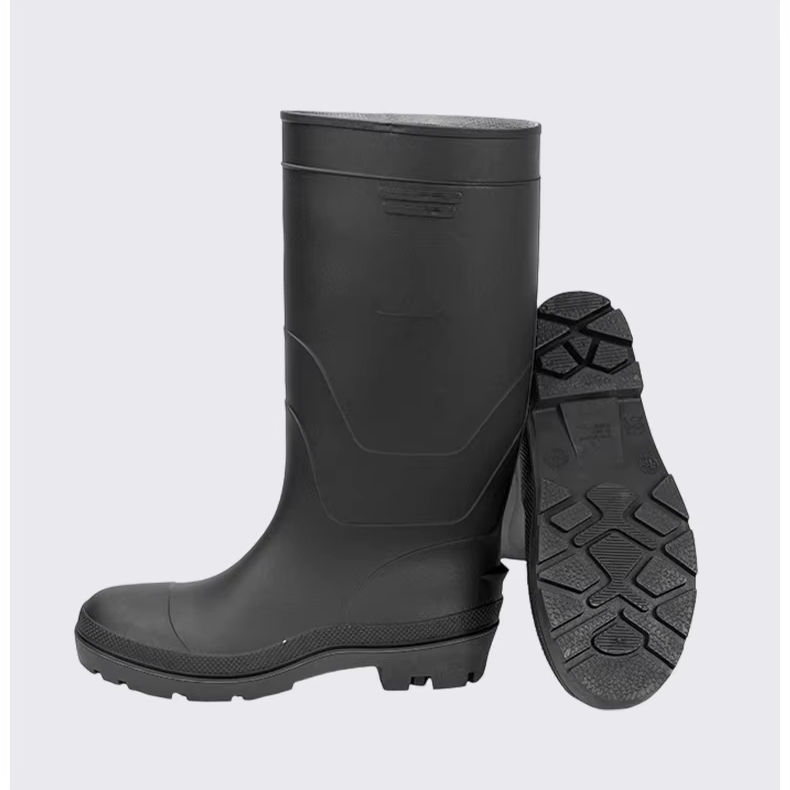
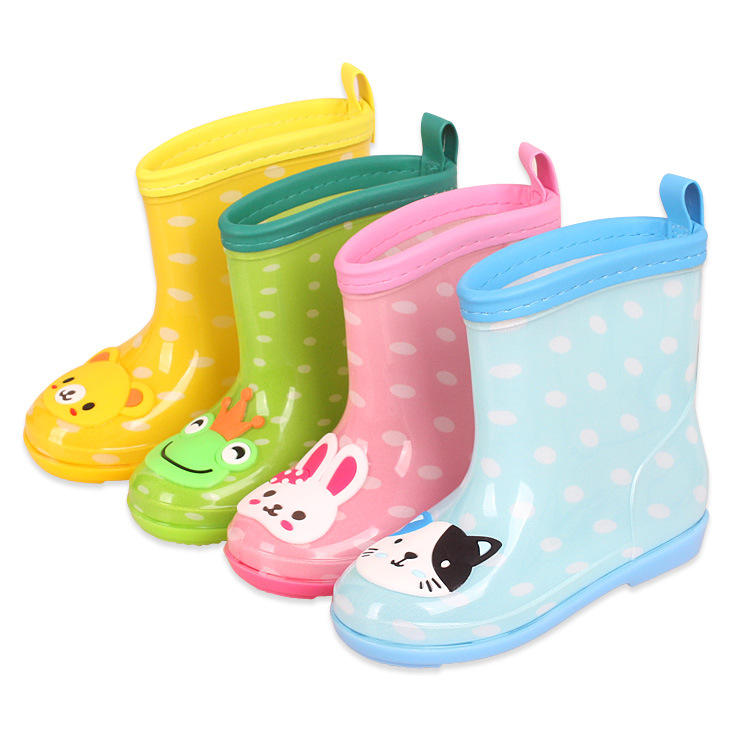
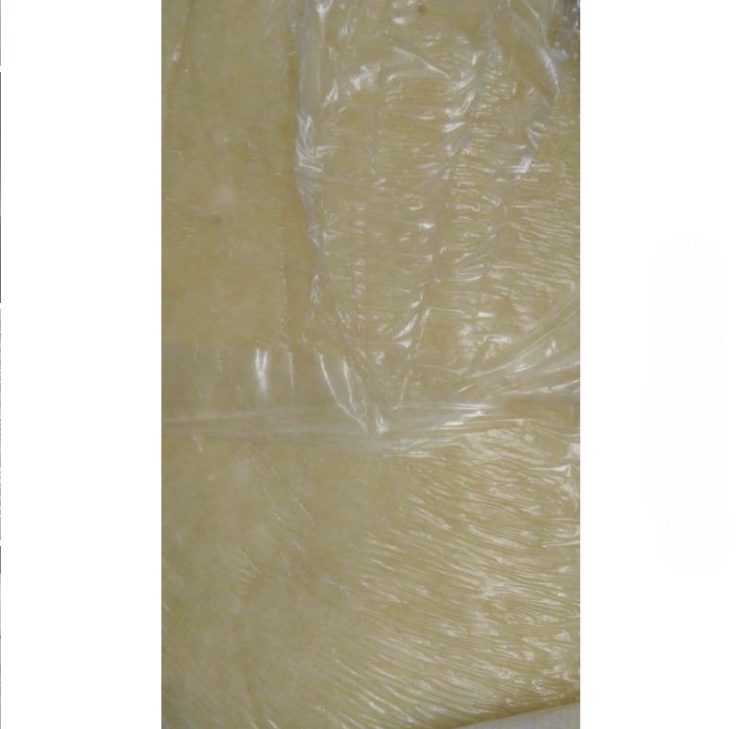
SBR 1502 rubber is a styrene-butadiene copolymer compound formulated for general-purpose applications, commonly used in rubber products including rain boots, gaskets, and seals. Its molecular structure consists of styrene and butadiene monomers combined in a specific ratio to balance flexibility, durability, and cost. During manufacturing, SBR 1502 is typically processed using vulcanization, a method that cross-links polymer chains to improve elasticity and resistance to deformation. Unlike specialized rubber compounds designed for high-temperature use, such as silicone or fluorocarbon rubber, SBR 1502 has a lower thermal stability range, making it unsuitable for prolonged exposure to temperatures above 100 degrees Celsius. A Professional Rain Boot Manufacturer notes that while SBR 1502 works well for low to moderate temperature sealing, its performance drops significantly in continuous high-heat environments.
The compound formulation of SBR 1502 includes additives such as plasticizers, antioxidants, and curing agents, which affect its temperature resistance. Improper additive levels can accelerate thermal degradation, even at temperatures within the material’s rated range. For sealing applications, the material’s tensile strength and compression set properties are critical: compression set measures a rubber’s ability to return to its original shape after being compressed, a key factor for maintaining a tight seal over time. According to standard testing protocols for rubber compounds, SBR 1502’s compression set increases by 25-30% when exposed to temperatures of 90 degrees Celsius for 72 hours, a change that can compromise seal integrity in long-term applications.
3. Practical Solutions and Operation Steps
To address the limitations of SBR 1502 in continuous high-temperature sealing, users should follow these actionable steps to select and use appropriate materials and components:
- Step 1: Define the exact operating temperature range and duration of use for the sealing application. Consult the material’s technical data sheet to confirm its rated continuous high-temperature limit; SBR 1502 is generally rated for up to 85 degrees Celsius for short periods, but not longer than 48 hours.
- Step 2: Verify the application’s environmental conditions, including exposure to chemicals, pressure, and mechanical stress. SBR 1502 has moderate resistance to oils and mild chemicals, but it will degrade when exposed to strong solvents or acidic substances, which can exacerbate thermal damage.
- Step 3: Select alternative rubber compounds if the operating temperature exceeds SBR 1502’s limit. For continuous high-temperature sealing above 90 degrees Celsius, options include ethylene propylene diene monomer (EPDM) rubber, silicone rubber, or nitrile rubber formulated for high heat resistance. Each material has distinct performance characteristics: EPDM offers improved weather resistance, while silicone handles extreme temperatures up to 230 degrees Celsius.
- Step 4: Implement proper installation and maintenance procedures to extend seal life. Ensure seals are fitted correctly to avoid gaps or misalignment, which can increase stress on the material. Avoid over-tightening fittings, as this can cause permanent deformation even in heat-resistant compounds.
- Step 5: Conduct regular performance checks to monitor seal condition. Inspect seals for cracking, brittleness, or leakage every 3-6 months for critical applications, and replace them before complete failure occurs.
These steps are designed to help users match seal materials to their specific operating conditions, reducing the risk of unexpected failures. For example, a food processing plant using SBR 1502 seals for low-temperature storage (below 70 degrees Celsius) may see satisfactory performance, while a plant using similar seals in high-temperature cleaning zones would require a different material.
4. Daily Maintenance and Precautions
Proper maintenance of sealing components made from SBR 1502 rubber can extend their service life and reduce the likelihood of failure, especially when used in moderate temperature conditions. For seals not exposed to extreme heat, regular cleaning is essential to remove dirt, chemicals, and debris that can cause abrasion or chemical degradation. Use mild soap and lukewarm water for cleaning, avoiding strong solvents, acetone, or bleach, which can break down the rubber’s polymer chains. After cleaning, allow seals to air dry completely in a shaded, well-ventilated area, avoiding direct sunlight or placement near high-temperature heat sources such as boilers or heaters. Prolonged exposure to UV radiation can also accelerate SBR 1502’s aging process, so store unused seals in a cool, dark place away from direct light.
Key precautions for handling SBR 1502 seals include never using them in applications where temperatures exceed their rated limit, even for short periods. For example, a seal designed for a maximum of 85 degrees Celsius should not be used in areas with intermittent hot spots reaching 95 degrees Celsius, as repeated thermal cycles can cause cumulative damage. Additionally, SBR 1502 seals should not be used as substitutes for protective safety footwear; while the material is durable for sealing applications, it does not meet the slip resistance or impact protection requirements of occupational safety standards such as EN ISO 20347:2022+A1:2024. If seals come into contact with hazardous chemicals, they should be inspected immediately for signs of swelling, discoloration, or brittleness, and replaced if damage is detected.
5. Industry Standard and Parameter Reference
Understanding relevant industry standards helps users verify the performance and suitability of SBR 1502 rubber for sealing applications. The following table outlines key international standards and their relevance to rubber material testing and sealing performance:
ParameterRecommended ReferenceWhy It Matters
Slip resistance (for related rubber components)EN ISO 20344:2021 / EN ISO 20347:2022+A1:2024Helps evaluate outsole grip on wet or contaminated surfaces, relevant for rubber materials used in sealing systems that may come into contact with liquids.
Occupational footwear requirementsISO 20347:2021 or EN ISO 20347:2022+A1:2024Supports non-safety occupational footwear selection, a related use case for SBR rubber compounds.
Chemical protective testingEN 13832-3:2018 where prolonged chemical contact is claimedUseful for chemical degradation and permeation evaluation, critical for sealing applications in chemical processing.
Thermal aging testing for rubberISO 188:2011 Rubber, vulcanized or thermoplastic — Accelerated aging and heat resistance testsSpecifies methods to test rubber performance after exposure to elevated temperatures, directly relevant to SBR 1502’s performance in high-temperature applications.
Compression set testingASTM D395-21 Standard Test Methods for Rubber Property — Compression SetMeasures a rubber’s ability to maintain shape under compression, a key property for sealing components to prevent leakage.
According to ISO 188:2011, rubber compounds are exposed to controlled high temperatures for a set duration to measure changes in physical properties such as tensile strength, elongation at break, and hardness. For SBR 1502 rubber, standard testing shows that after 70 hours of exposure to 85 degrees Celsius, tensile strength decreases by approximately 10%, and elongation at break reduces by 15%. These changes are within acceptable limits for short-term use, but after 168 hours of continuous exposure to the same temperature, tensile strength drops by 18%, a level that may compromise seal integrity. It is important to note that these values are based on standard testing conditions; actual performance may vary based on the specific compound formulation and additive package of the SBR 1502 rubber.
6. Customer Common FAQ
Q: Can SBR 1502 rubber seals be used in continuous high-temperature industrial applications?
A: SBR 1502 rubber is not recommended for continuous high-temperature applications. Its rated continuous temperature limit is generally 85 degrees Celsius, and prolonged exposure above this level will cause thermal degradation, leading to cracking and leakage. A Professional Rain Boot Manufacturer advises that for temperatures above 85 degrees Celsius, users should select specialized rubber compounds such as EPDM or high-heat nitrile rubber.
Q: What are the main signs that an SBR 1502 seal has failed due to high temperature?
A: Common signs include visible cracking or brittleness on the seal surface, excessive compression set (permanent deformation after use), reduced elasticity, and leakage at the seal interface. These signs typically appear after extended exposure to temperatures exceeding the material’s rated limit.
Q: How do I choose the right rubber compound for high-temperature sealing?
A: To choose the correct material, first confirm the maximum operating temperature and duration of use. Compare this to the rated temperature limits of available rubber compounds: EPDM works well for 100-120 degrees Celsius, silicone for up to 230 degrees Celsius, and fluorocarbon rubber for extreme high-temperature applications above 150 degrees Celsius. Consult material technical data sheets and third-party test reports such as those from SGS or Intertek for verified performance data.
Q: Can damaged SBR 1502 seals be repaired instead of replaced?
A: In most cases, rubber seals damaged by thermal degradation cannot be repaired effectively. The molecular structure of the material is permanently altered by high heat, so patching or re-bonding will not restore its original elasticity and sealing performance. For critical applications, it is recommended to replace damaged seals immediately to avoid production issues.
Q: Are there any special maintenance steps for SBR 1502 seals used in moderate temperature environments?
A: Yes, avoid exposing seals to direct sunlight or strong solvents, clean them with mild soap and water, and store them in a cool, dry place. Regular inspections every 3 months can help detect early signs of degradation, such as slight cracking or discoloration, before the seal fails.
Conclusion
SBR 1502 rubber is a versatile, cost-effective material suitable for general industrial sealing applications within its rated temperature limit. Its performance under continuous high-temperature conditions is limited, but understanding this boundary helps users select appropriate alternatives for extreme operating environments. By following standardized testing procedures, correct material selection, and proper maintenance practices, organizations can reduce seal failure risks and extend component service life. This guidance aligns with industry standards such as ISO 188:2011, and insights from a Professional Rain Boot Manufacturer add practical context for material application in industrial settings.
References
- International Organization for Standardization. ISO 188:2011. Rubber, vulcanized or thermoplastic — Accelerated aging and heat resistance tests. Geneva, Switzerland: ISO, 2011.
- International Organization for Standardization. ISO 20344:2021. Personal protective equipment — Test methods for footwear. Geneva, Switzerland: ISO, 2021.
- American Society for Testing and Materials. ASTM D395-21. Standard Test Methods for Rubber Property — Compression Set. West Conshohocken, PA: ASTM International, 2021.
- International Organization for Standardization. EN ISO 20347:2022+A1:2024. Personal protective equipment — Occupational footwear. Geneva, Switzerland: ISO, 2024.